
Film
A Man of No Importance
A delicate, deeply human film about a closeted Dublin bus conductor in 1963 who channels his inner life through amateur theatre and Oscar Wilde. Albert Finney gives a career-best performance as a man navigating desire, shame, and small-town disapproval with wit and heartbreak. It's tender without sentiment, funny without cruelty—a quiet masterpiece about self-invention and the cost of invisibility.
Should you watch it?
Watch it if you love Oscar Wilde-style wit laid over a quietly aching loneliness, and you don't mind a gentle comedy that can turn sad when you least expect it.
Skip it if you need a brisk plot or a light heart throughout, since its amateur-theatre charm arrives slowly and its tensions simmer rather than boil.
What it asks of you: Expect a slow, talky film of roughly ninety-nine minutes, where much of the weight sits in glances, rehearsal scenes and the stubborn small talk of a Dublin bus route.
Not sure? Find tonight's pick in a minute.
If you liked this
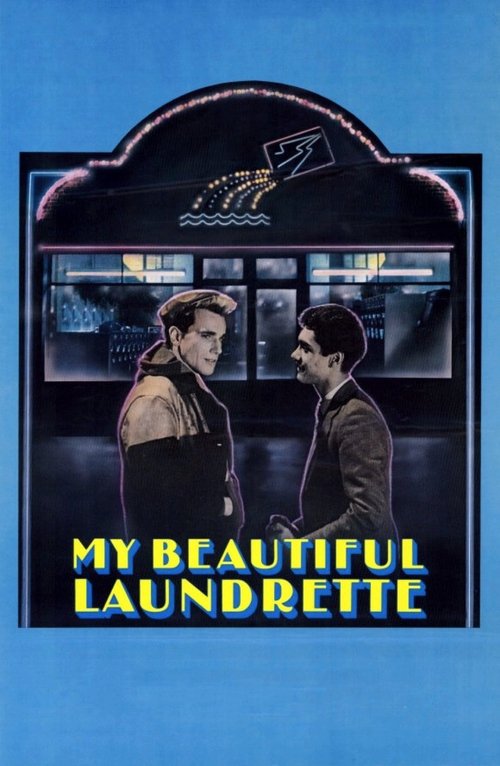
My Beautiful Laundrette1985
A similarly warm, character-driven portrait of an outsider navigating desire and identity in a conservative setting. Shot with intimacy and bittersweet humour, it captures the texture of forbidden feeling with grace.
But The political context (Thatcherism, race) and sexual content are direct rather than implied, which shifts the film's register significantly from Finney's quieter approach.
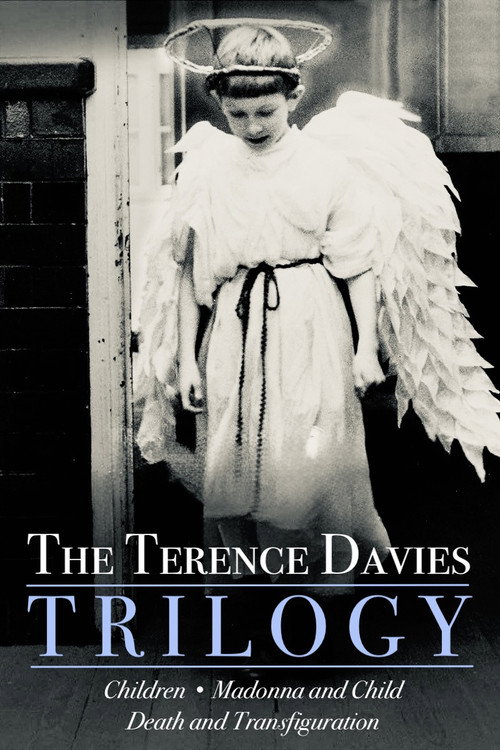
The Terence Davies Trilogy1983
Three interlinked films about a man processing homosexuality, Catholicism, and memory through aesthetic longing. Like Finney's Alfie, the protagonist's inner life is richly textured while outer circumstances are constrained.
But It's avant-garde and fragmentary, not narrative-driven. The emotional intensity is relentless; it doesn't offer the comic relief that 'A Man of No Importance' does.
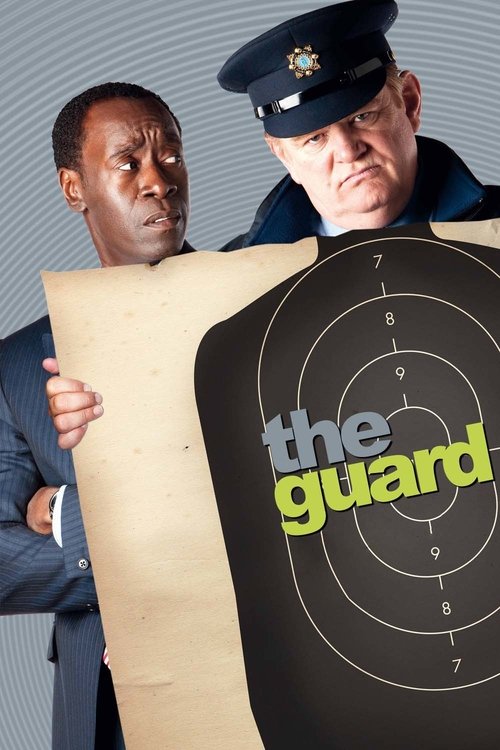
The Guard2011
Another Irish film with Brendan Gleeson that pairs provincial stiffness with genuine warmth and unexpected depths. It's lighter than 'A Man of No Importance' but shares that affection for Irish character and landscape.
But It's a buddy comedy-thriller that doesn't take itself seriously. If you want something as emotionally substantial, this will feel like a step down.
Not sure tonight? Get a pick in a minute, starting from A Man of No Importance
The wildcard
Something you would not have found on your own.
Singin' in the Rain1952
Both films argue that performance isn't escape from authenticity—it's where authenticity lives. The stage is where both men find truth.
At first this seems absurd, but Finney's Alfie and Gene Kelly's Don Lockwood are spiritual twins—both men who exist most fully through performance and artifice, who love the theatre because it's where they can be themselves. It's the inverse: technicolour joy rather than shadow, but the same hunger.
But It's joyful in a way that might feel almost aggressive if you go in expecting 'A Man of No Importance' again. The tonal whiplash is real.

More like this (5)
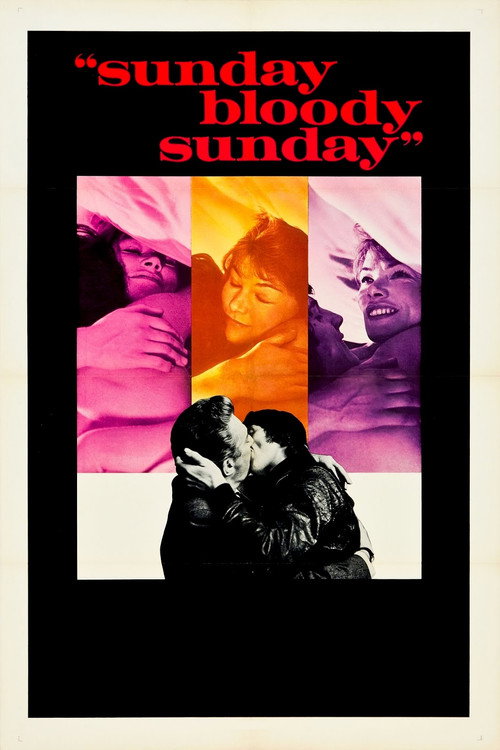
Sunday Bloody Sunday1971
John Schlesinger's unflinching portrait of a gay man in a repressive era. Glenda Jackson and Peter Finch give performances of devastating honesty about desire, compromise, and what we settle for.
But It's bleak and contemplative. There's no theatrical refuge here, no wit to soften the sadness—it sits with pain rather than transcending it.
The Remains of the Day1993
James Ivory's masterpiece about self-suppression and the cost of duty. Hopkins' butler embodies that same tragic compartmentalisation—passion sublimated into perfectionism. Released the year before Finney's film.
But It's more formally composed and less overtly emotional. Some find it distant; the restraint, while intentional, can read as cold on first viewing.

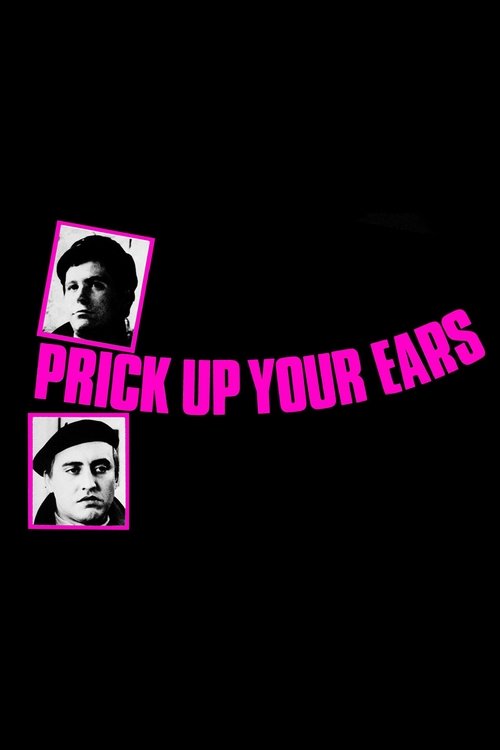
Prick Up Your Ears1987
Another film about an outsider artist navigating desire and repression through performance, with Gary Oldman luminous as Joe Orton. It's messier and angrier than Finney's approach, but equally alive.
But It's more sexually explicit and far less sentimental. The tragedy it depicts is rawer; some viewers find the tone whipsaw between comedy and violence jarring.
Yi Yi2000
Both films locate the sacred in the overlooked—in bus conductors, in ordinary men living quiet lives. Both insist that this is where the real drama lives.
Edward Yang's four-hour Taiwanese epic about a family and their private struggles feels impossibly distant from a 1963 Dublin comedy-drama, but it shares something crucial: a profound tenderness toward ordinariness and small failures, and faith that watching someone closely enough reveals their poetry.
But It's long, in Mandarin with subtitles, and structurally unconventional. The connections between scenes aren't always clear; patience is non-negotiable.
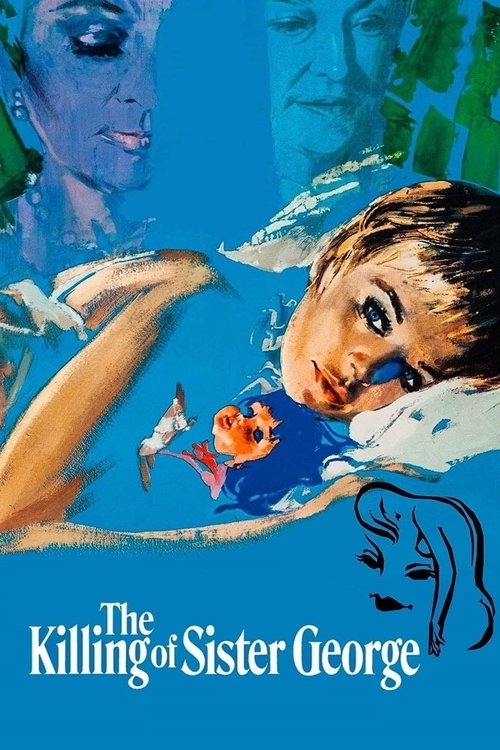
The Killing of Sister George1968
Both are about gay people in the mid-twentieth century unable to live openly, but Finney's film finds grace and friendship; this one finds rage and dissolution. Together they show two possible responses to the same crushing circumstances.
A rough, bitter precursor to Finney's film—another story about a gay woman in a repressive era, but played as melodrama rather than quietude. Beryl Reid's performance is volcanic. It shows what the alternative to Alfie's gentleness would have looked like.
But It's sexually frank, emotionally brutal, and offers no transcendence through art or wit. The sadness is unrelenting and the ending is genuinely dark.
People
Cast
 Albert FinneyAlfred Byrne
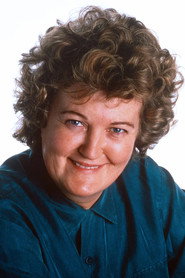 Brenda FrickerLily Byrne
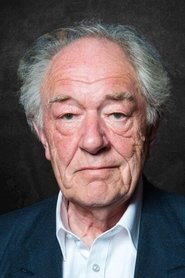 Michael GambonIvor J. Carney
 Tara FitzgeraldAdele Rice
 Rufus SewellRobbie Fay
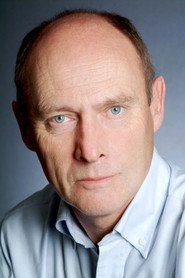 Patrick MalahideInspector Carson
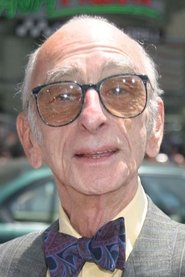 David KellyChristy Ward
 Mick LallyFather Ignatius Kenny
- Anna ManahanMrs Grace
- Joe PilkingtonErnie Lally
 Brendan ConroyRasher Flynn
- Joan O'HaraMrs Crowe
Directing
- Suri KrishnammaDirector
Writing
- Barry DevlinScreenplay
Production
- Michelle GuishCasting
- Guy EastExecutive Producer
- James MitchellExecutive Producer
- Mark ShivasExecutive Producer
- Robert CooperExecutive Producer
- Howard GibbinsLocation Manager
- Jonathan CavendishProducer
- Kathy SykesProduction Manager
Recommended by
The Adventures of Barry McKenzie, In Celebration, Young Cassidy, The Rake's Progress