
Film
The Rake's Progress
A 1945 British drama following a charming, amoral aristocrat's descent through seduction and betrayal in pre-war England. Rex Harrison is magnetic as a man who treats life as a game with no rules and no consequences. It's a character study that works as both comedy and moral inquiry—watching someone wholly without shame navigate a world that expects better of him. For those interested in how cinema portrays cunning and privilege.
If you liked this
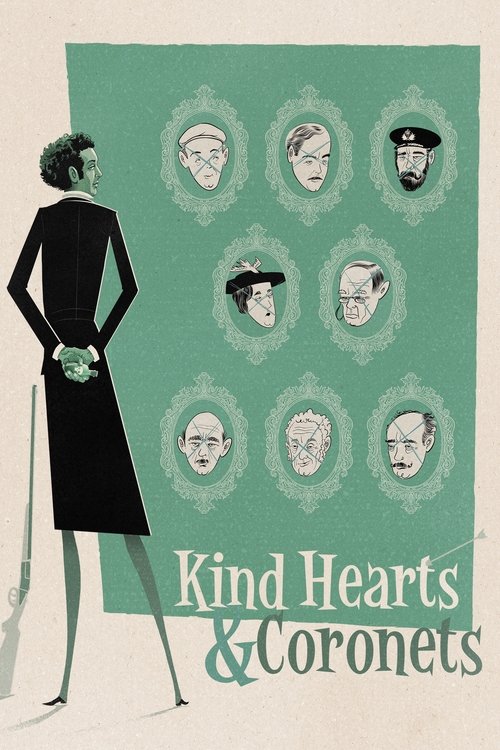
Kind Hearts and Coronets1949
Alec Guinness's virtuoso multi-role performance anchors another Ealing tale of an amoral protagonist who cheerfully murders his way through the succession. Wickedly funny and morally vacant in exactly the right register.
But The humour is very of its era and can feel slight compared to the darker stakes. Some of the class politics read as quaint now.
The Servant1963
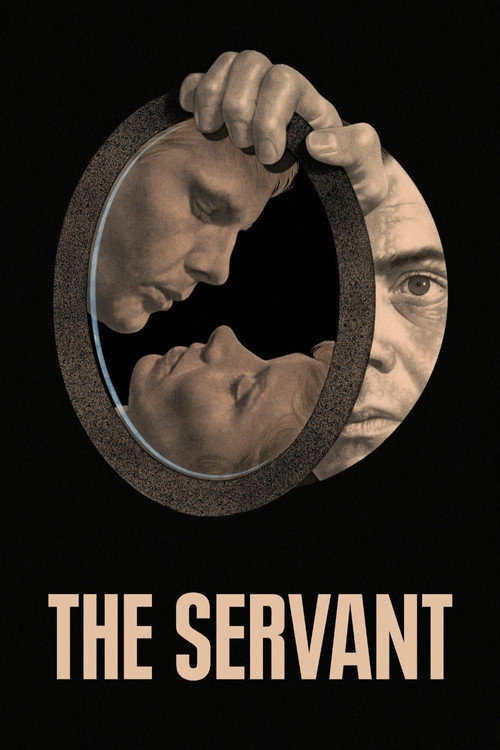
Joseph Losey's corrosive portrait of manipulation and moral decay in a London townhouse. James Fox's weakness and Dirk Bogarde's predatory servant create an atmosphere of creeping depravity that never releases its grip.
But It's bleak and deliberately unsettling, with sexual power games that feel genuinely uncomfortable. No catharsis, no escape route.
A Man of No Importance1994
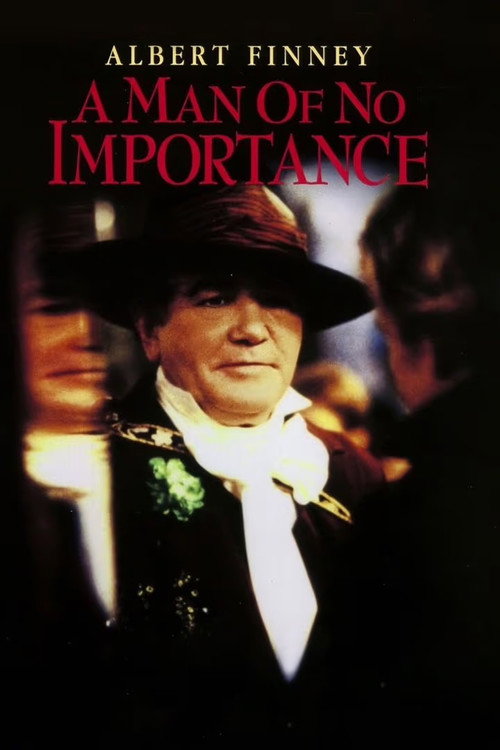
Albert Finney as a character living outside society's expectations, shaped by secrets and performance. Less a rake than a man running from himself, but with that same charismatic surface over genuine emptiness.
But It's a quieter, sadder film than the premise suggests. Audiences expecting lightness will find melancholy instead.
Not sure tonight? Get a pick in a minute, starting from The Rake's Progress
The wildcard
Something you would not have found on your own.
A Streetcar Named Desire1951
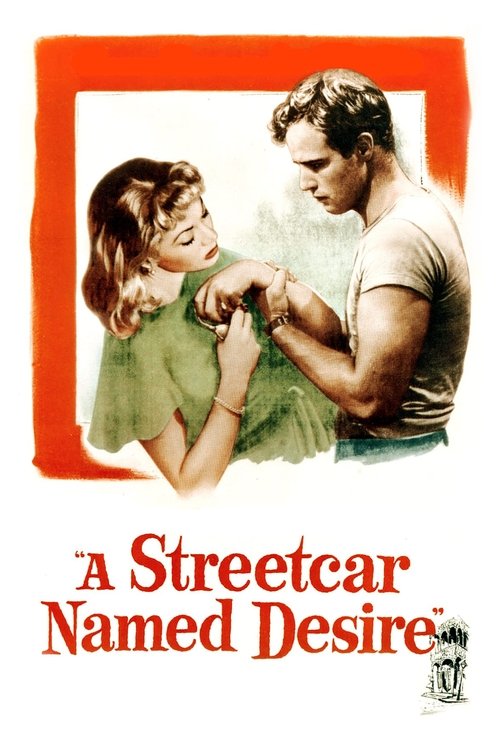
Both are studies of male amorality as a form of power, but Brando's character has no wit or self-awareness—he's what the rake becomes when charm runs out.
Marlon Brando's Stanley Kowalski is a working-class seducer and bully who operates entirely on appetite and impulse, leaving wreckage behind. Where Vivian has charm, Stanley has pure animal magnetism—same moral emptiness, different register entirely.
But It's sexually violent and psychologically brutal. Not entertainment in any conventional sense; watching it can feel like witnessing something obscene.
More like this (7)
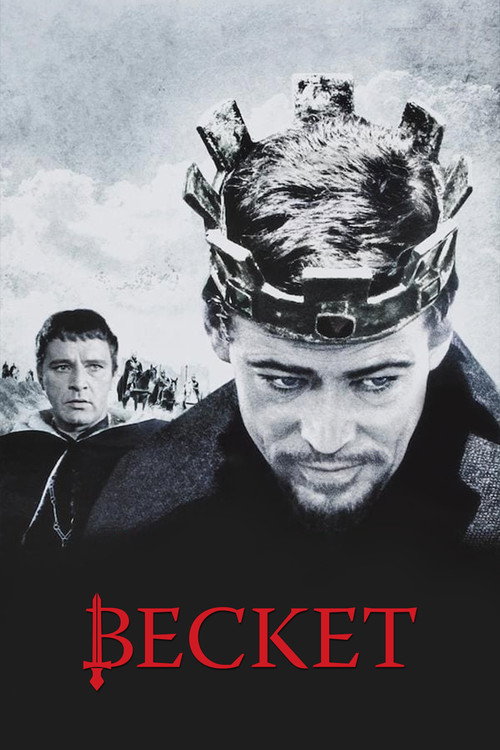
Becket1964
Peter O'Toole's Henry II is a rake-king whose charm and impulse to transgress crash against the immovable object of Thomas Becket. Epic in scale but intimate in its portrait of a man used to getting what he wants.
But It's very long and theatrical. The religious politics can feel abstract to modern viewers.
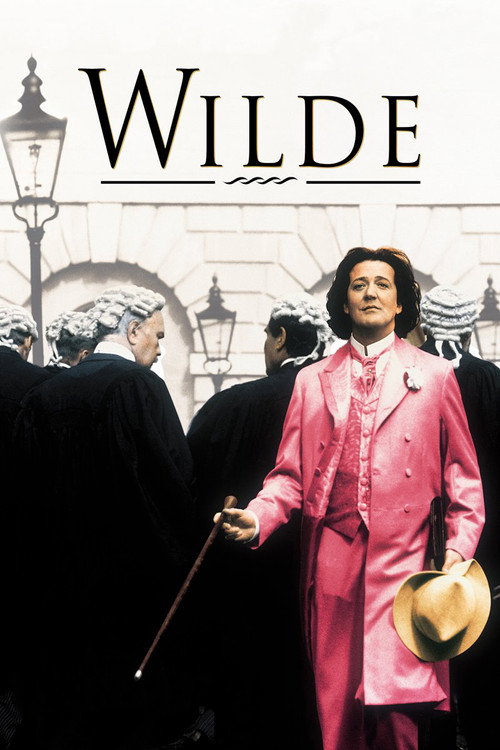
Wilde1997
Stephen Fry embodies Oscar Wilde's wit and sexual transgression, showing a real genius charming his way toward self-destruction. The gap between his brilliance and his vulnerability is what makes him tragic.
But It's more sympathetic to Wilde than detached from him. If you want judgement rather than understanding, you'll feel let down.
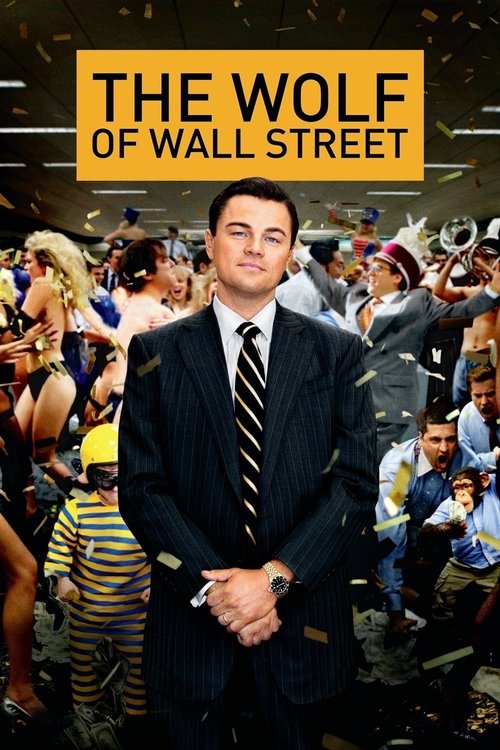
The Wolf of Wall Street2013
Scorsese and Leonardo DiCaprio deliver a sprawling portrait of a man for whom consequence is theoretical. The energy is infectious and the film never pretends his chaos is sustainable—it's watching someone accelerate toward a wall.
But It's three hours of excess that some find exhausting rather than exhilarating. The women are largely objects in Belfort's landscape.
Dangerous Liaisons1988
Glenn Close and John Malkovich as aristocratic manipulators in 18th-century France who treat seduction like warfare. The wit is lethal and the moral reckoning, when it comes, is absolute.
But It can feel stagey and overwrought. The sexual politics, though period-accurate, can be uncomfortable without being examined.

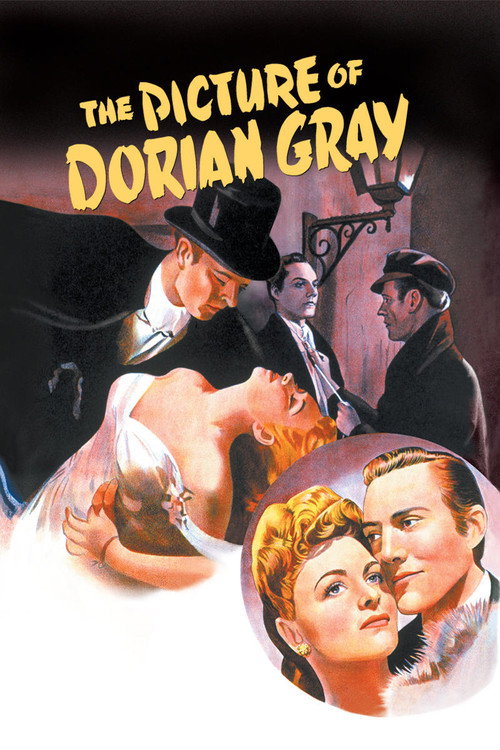
The Picture of Dorian Gray1945
Released the same year, with Hurd Hatfield as a beautiful man who pursues pleasure and vice while his portrait ages instead. A more supernatural take on the same moral inquiry: what does a life without conscience actually cost?
But The special effects are dated and the pacing feels slow. Hatfield's performance is mannered, which works thematically but can feel stiff.
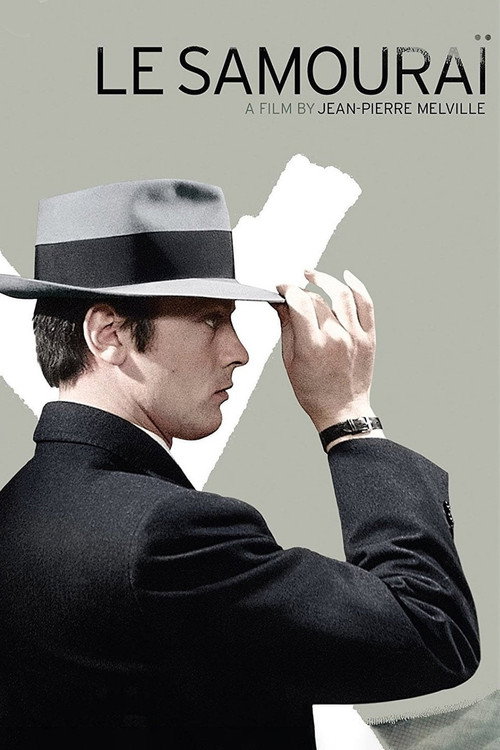
Le Samouraï1967
Both are portraits of men who operate by their own code outside society's rules, but where Vivian seduces, Delon's character annihilates—amorality expressed through different violence.
Alain Delon as a hitman moving through Paris with perfect composure and total detachment from consequence. Every action is calculated; nothing touches him. It's the rake's moral numbness translated into a thriller about professional violence.
But It's glacially paced with minimal dialogue and zero warmth. The philosophical questions are embedded in silence rather than articulated.
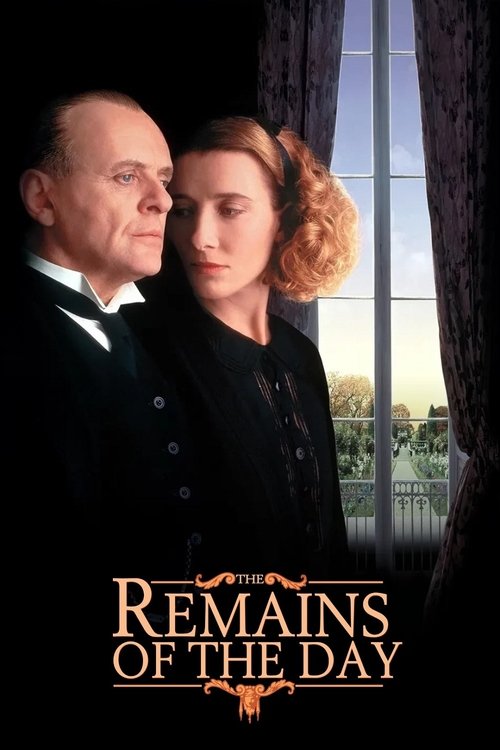
The Remains of the Day1993
Both examine how men use different strategies—charm versus dignity—to evade real responsibility, and what remains of them when the game ends.
Anthony Hopkins as Stevens, a butler whose dignity and restraint are actually a form of moral cowardice—a different kind of emptiness. Where Vivian refuses to feel, Stevens has trained himself not to. Both are studies of men hollowed out by their own choices.
But It's introspective and slow, built on what isn't said. Expecting plot momentum or conventional drama will leave you frustrated.
People
Cast
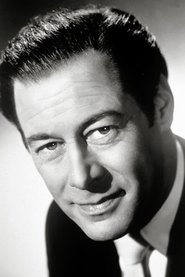 Rex HarrisonVivian Kenway
 Lilli PalmerRikki Krausner
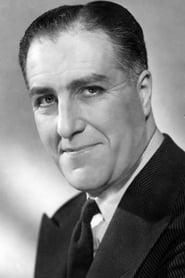 Godfrey TearleColonel Robert Kenway
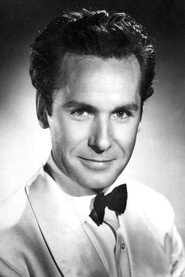 Griffith JonesSandy Duncan
 Margaret JohnstonJennifer Calthorp
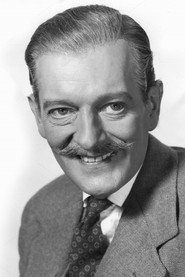 Guy MiddletonFogroy
 Jean KentJill Duncan
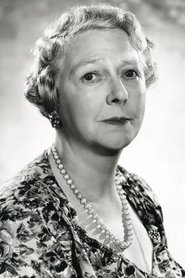 Marie LohrLady Angela Parks
 David HorneSir John Brockley
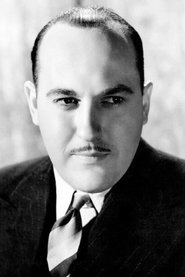 Garry MarshSir Hubert Parks
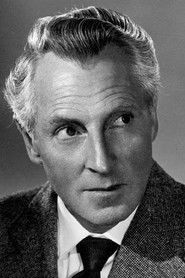 Alan WheatleyEdwards
 Joan HicksonMiss Parker
Directing
- Percy HermesAssistant Director
- Sidney GilliatDirector
Writing
- Frank LaunderScreenplay
- Sidney GilliatScreenplay
- Val ValentineStory
Production
- Frank LaunderProducer
- Sidney GilliatProducer
- Norman SpencerProduction Manager