
Film
In Celebration
A Yorkshire mining family gathers to celebrate forty years of marriage, but the occasion cracks open decades of resentment, class anxiety, and unspoken hurt. David Storey's 1975 adaptation of his own play is intimate and suffocating—three sons educated away from their working-class roots collide with the parents who raised them. It's a chamber piece about the fractures that education and ambition create in families, and it doesn't look away from the pain.
Should you watch it?
Watch it if you love stage-born drama where the tension lives in long, sharp exchanges around a dining table, and actors get room to wound each other slowly.
Skip it if you need plot momentum, since most of it unfolds in one crowded house and the bickering can feel relentless across its two hours.
What it asks of you: Two hours of close-quarters talk, mostly under one roof, with long stretches of ordinary chatter before the mood sours sharply.
Not sure? Find tonight's pick in a minute.
If you liked this
Secrets & Lies1996
Like In Celebration, this examines how family secrets poison everything. A woman's search for her birth mother unravels carefully maintained lies, revealing how people protect themselves through silence. Leigh's ensemble work is as raw and unsparing.
But It's long and sometimes feels like watching people argue in real time. The emotional repetition can exhaust rather than move you.

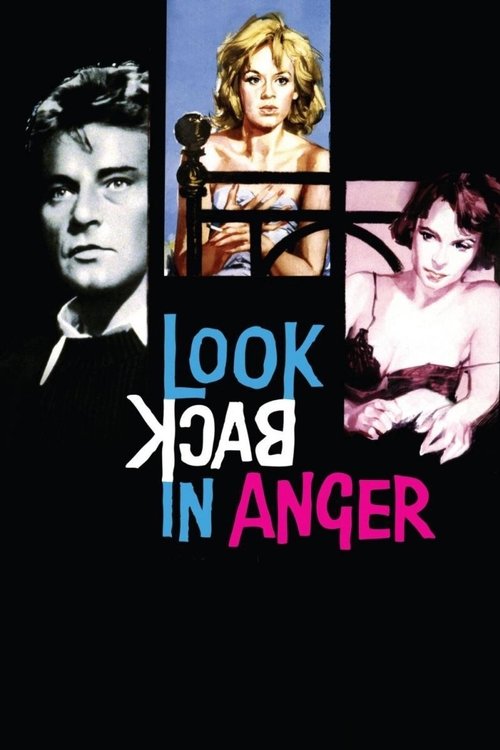
Look Back in Anger1959
Another Osborne-era examination of rage simmering under working-class masculinity. A man trapped between worlds explodes at everyone around him. It captures the same claustrophobic sense of class anxiety and generational friction that defines In Celebration.
But Jimmy Porter is almost unrelentingly unpleasant to watch. The film is dated in its gender politics and can feel like a museum piece.
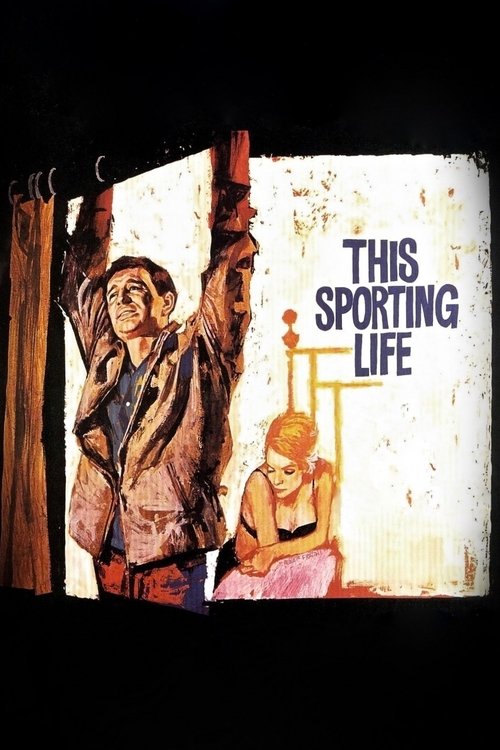
This Sporting Life1963
A Yorkshire rugby player's brutal inner world, shot with unflinching directness. Like In Celebration, it explores masculinity fractured by class and ambition, with performances that feel physically painful. The north-country setting mirrors the film's emotional landscape.
But It's violent and sexually coercive in ways that don't age well. The pacing is slow and the mood unrelentingly grim.
Not sure tonight? Get a pick in a minute, starting from In Celebration
The wildcard
Something you would not have found on your own.
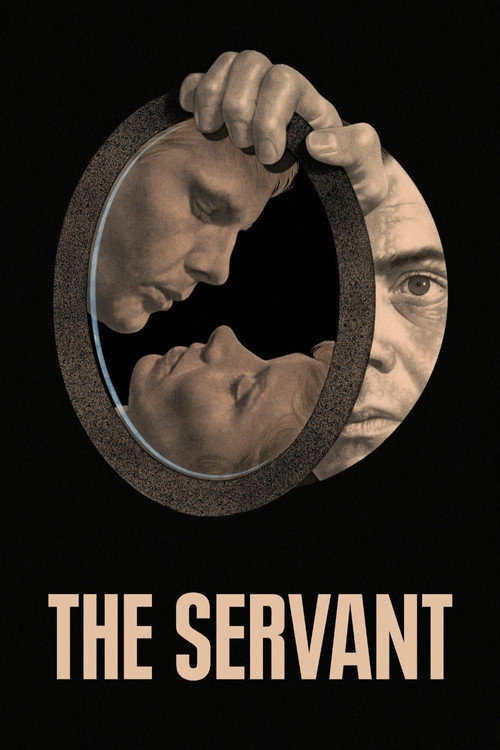
The Servant1963
Both are Pinter-adjacent in their philosophy: relationships are performances, language obscures as much as it reveals, and power dynamics are the real plot.
Pinter and Losey's corrosive masterpiece about class disguised as intimacy. A man hires a servant; hierarchies blur, desire takes over, everyone becomes complicit. Like In Celebration, it's about the violence hidden in relationships we think we understand.
But It's a puzzle-box and doesn't yield its meaning easily. The sexual ambiguity and class games might feel like intellectual exercises rather than human drama. Some find it cold.
More like this (7)
Kes1970
Loach's masterpiece about a working-class Yorkshire boy shows the world In Celebration's parents inhabit. It's tender toward that world while showing what it crushes. A perfect companion piece to understand the context beneath the play.
But It's a film about childhood disappointment. If you go in expecting uplift, you'll leave hollow.

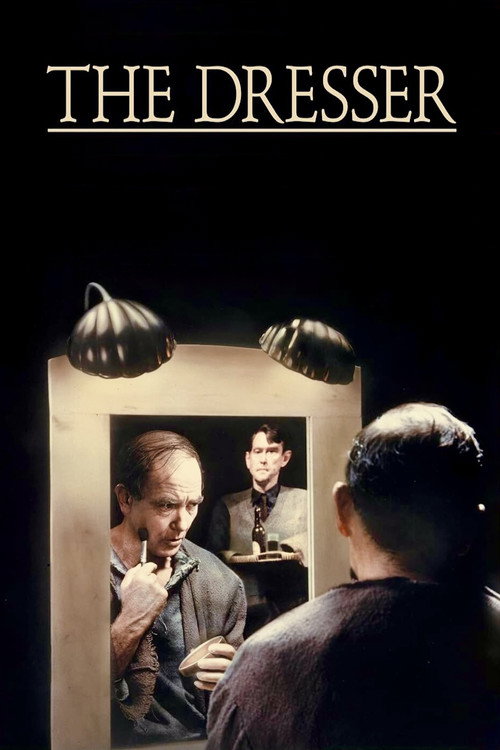
The Dresser1983
Ronald Harwood's examination of an aging actor and his dresser—a relationship built on need, resentment, and unspoken dependency. Like In Celebration, it's a two-hander about performance and the masks families wear.
But The theatrical conceit can feel mannered. It's very much a filmed play, which won't appeal if you prefer visual cinema.
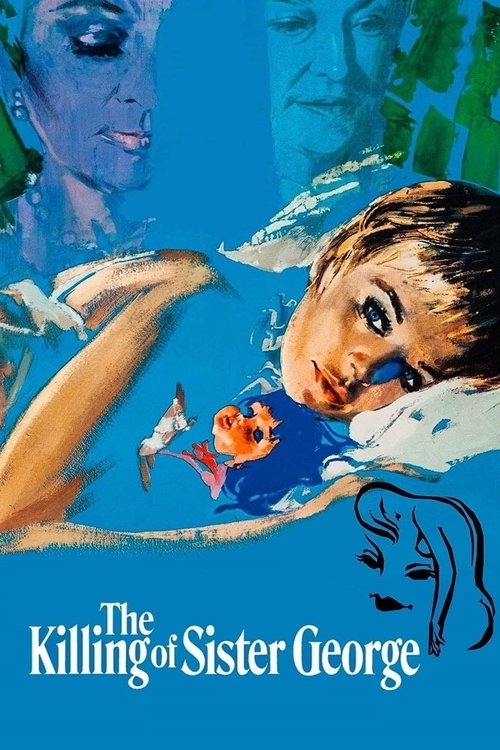
The Killing of Sister George1968
A brittle portrait of a family held together by cruelty and need. The performances are startlingly modern in their emotional directness. It has In Celebration's sense that intimacy and harm are inseparable.
But It's obscure for good reason—the sexual dynamics are presented without critique. The tonal whiplash between drama and melodrama can jar.
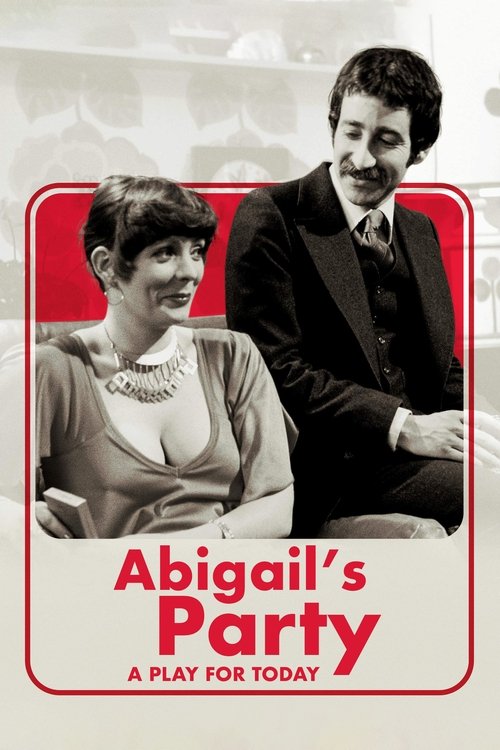
Abigail's Party1977
Leigh's caustic comedy about middle-class couples navigating status anxiety. Like In Celebration, it's about what people try to hide and what erupts anyway. The claustrophobia is delicious.
But It's a one-room play adapted for television. If you don't find the characters' pretension funny, it's just watching awful people hurt each other.
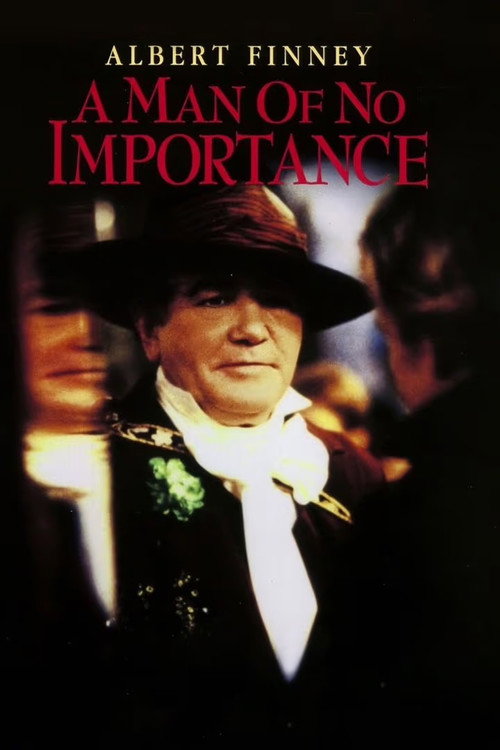
A Man of No Importance1994
A quieter film about a man built from secrets and performance, returning to a place that might understand him. It shares In Celebration's interest in what happens when you come home changed.
But It's sentimental in places. The film's compassion might feel like it lets its characters off too easily compared to Storey's harder line.
London River2009
Both are about the unbridgeable gap between parents and their children, expressed through the body language of people trying and failing to speak to each other. Both use restraint as a weapon.
A widow searches London for her missing son after the 7/7 bombings. It's formally restrained and emotionally devastating—a meditation on class, faith, grief, and the distance between parents and their adult children. Like In Celebration, it's about rupture that can't be repaired, shown through quiet accumulation.
But It's glacially paced and doesn't offer catharsis. The political context is specific to a moment. Some will find it too austere to be moving.

Burning2018
Both treat class collision as the deepest human drama, and both refuse to let their characters off the hook with easy emotion. They're built on what is not said, and the violence that emerges from the unsaid.
Lee Chang-dong's three-hour South Korean mystery about class resentment and unspoken violence. A young writer watches a wealthy man return to his small town and disrupts everything. Like In Celebration, it's about what happens when class anxiety erupts, but refracted through a completely different context that somehow makes it more truthful.
But It's deliberately opaque and refuses resolution. The pacing is meditative to the point of frustration. You have to surrender to its logic or it will feel pretentious.

People
Cast
 Alan BatesAndrew Shaw
 Brian CoxSteven Shaw
- Gabrielle DayeMrs. Burnett
 Bill OwenMr. Shaw
 James BolamColin Shaw
 Constance ChapmanMrs. Shaw
Directing
- Lindsay AndersonDirector
Writing
- David StoreyScreenplay
- David StoreyStory
Production
- Les LandauAssociate Producer
- Otto PlaschkesExecutive Producer
- Ely A. LandauProducer