
Film
Steptoe & Son
A father and son in the rag-and-bone trade face off when Harold brings home a stripper wife. This 1972 film adapts the beloved British sitcom into something darker and more melancholy—less punchlines, more the grinding resentment of two men trapped together. It's funny and sad at once, grounded in real class anxiety and the terror of abandonment.
Should you watch it?
Watch it if you love sitcoms built on a pair of bickering people who can't live together and can't live apart, with the cruelty and tenderness sitting side by side in every scene.
Skip it if you want fast plotting or a light, breezy comedy, since this is a stage-bound, dialogue-heavy film where the humour grows out of long, scathing exchanges between two stubborn men.
What it asks of you: Settle in for roughly ninety-eight minutes of talk in cramped rooms, with little movement and a gradual build of spite that rewards patience more than quick laughs.
Not sure? Find tonight's pick in a minute.
If you liked this
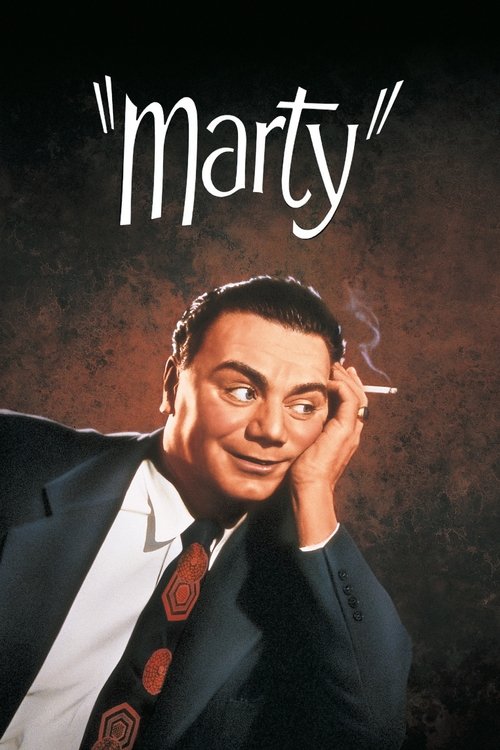
Marty1955
A tender, unglamorous portrait of lonely working men finding connection. Like Steptoe, it treats its characters' small lives and desperate hopes with genuine respect, never condescension. Both films trust quiet moments.
But The pacing is slow and deliberate. If you need constant plot momentum or jokes landing every thirty seconds, this will feel static and melancholic.
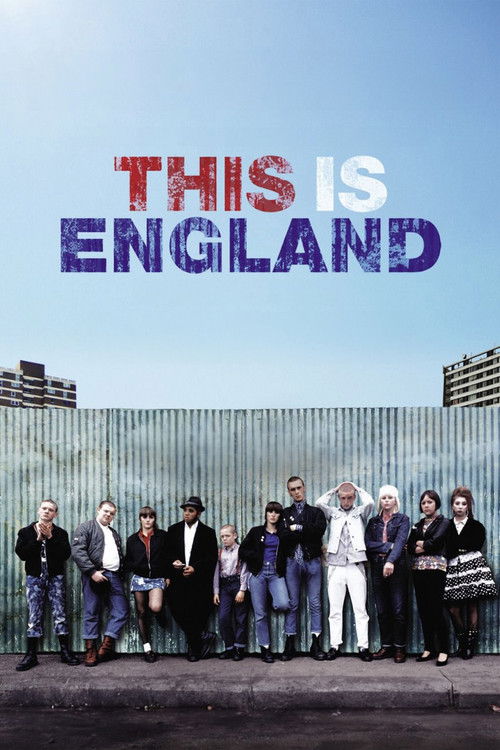
This Is England2007
Shane Meadows captures the same claustrophobic family tension and class resentment, with brutal honesty about how love and cruelty tangle together. The relationship between two trapped men mirrors Albert and Harold's bind.
But It's bleaker and angrier than Steptoe, with no cosy sitcom DNA to soften the edges. Uncomfortable watch, deliberately so.
Kes1970
Ken Loach's masterpiece about a boy and his hawk, but really about how working-class life grinds down hope. The same unsentimental tenderness, the same refusal to make poverty into entertainment. Shot just a few years before Steptoe.
But It's bleak. The ending will sit with you in ways that feel heavy. Not a film that leaves you lighter.

Not sure tonight? Get a pick in a minute, starting from Steptoe & Son
The wildcard
Something you would not have found on your own.
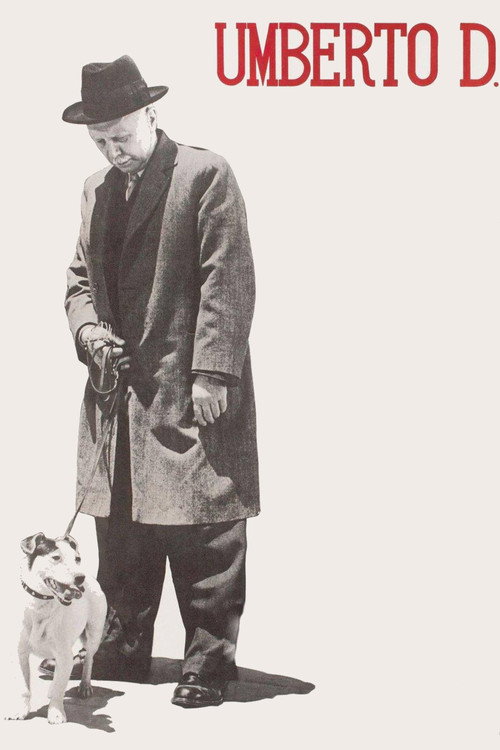
Umberto D.1952
Both explore the terror of aging out of usefulness, of being left behind. But where Steptoe finds dark comedy in that bind, Umberto D. finds only dignity in the face of it.
Vittorio De Sica's neorealist masterpiece about an elderly man and his dog facing poverty and abandonment in Rome. The emotional core—a father figure terrified of being surplus, of becoming useless—mirrors Albert's primal fear. Shot in the same era but with Italian restraint instead of British farce.
But It's very slow and very sad. There are no jokes and no comfort. You must sit with an old man's despair for ninety minutes. Some find beauty in that; others find it unbearable.
More like this (8)
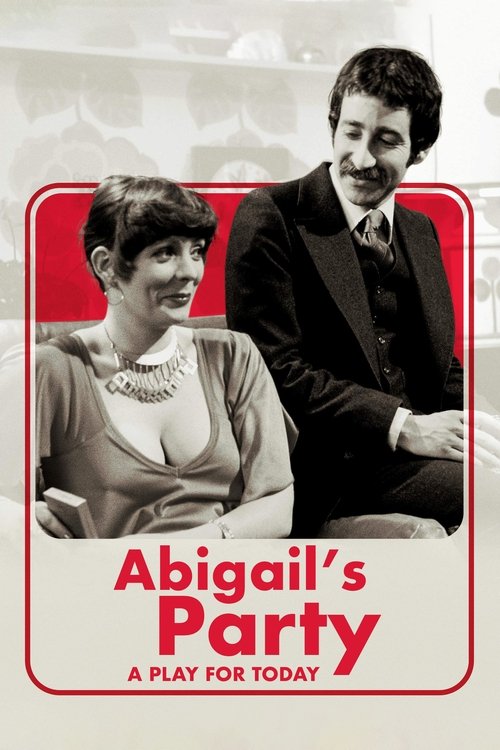
Abigail's Party1977
Mike Leigh's savage comedy about suburban claustrophobia and the marriages that slowly strangle us. Darkly hilarious but grounded in real despair. Same era, same British sensibility, same trapped energy.
But It's almost entirely set in one room with four people drinking and bickering. Felt claustrophobic even in 1977. Not for anyone who needs air.
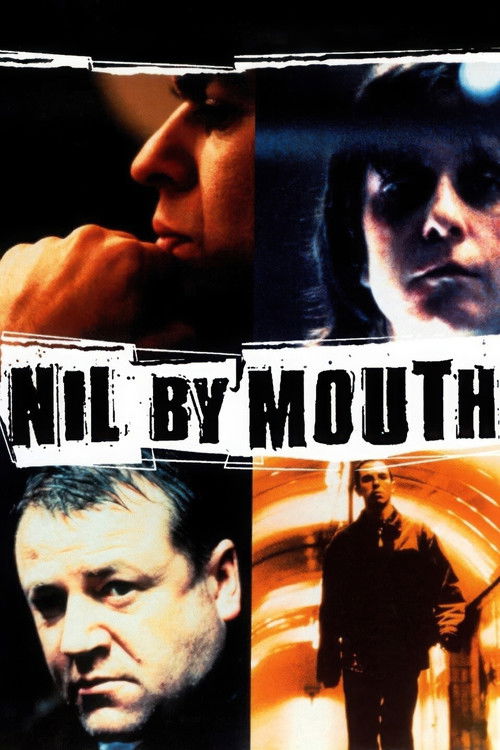
Nil by Mouth1997
Gary Oldman's raw, furious debut about a family at each other's throats in South London. Same DNA as Steptoe—working-class men unable to escape their circumstances, love poisoned by resentment and trapped masculinity.
But It's aggressively bleak and violent. Uses dialect heavily and doesn't translate easy laughs. Some find it punishing rather than cathartic.
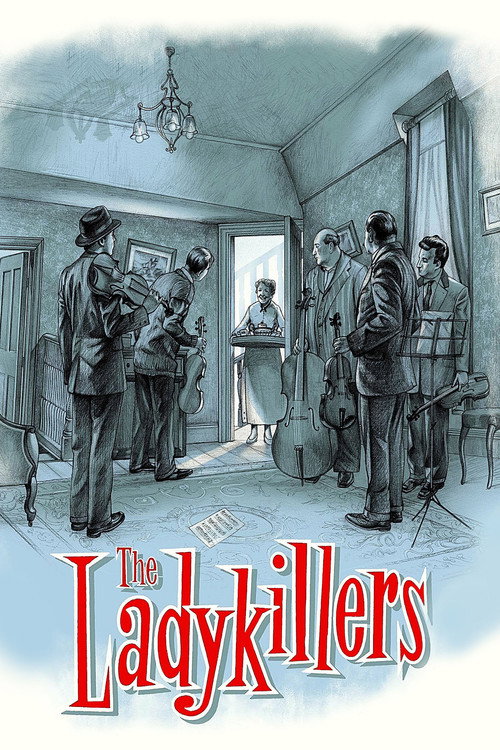
The Ladykillers1955
Ealing comedy with Alec Guinness and Peter Sellers as criminals pretending to be musicians. Lighter than Steptoe but with the same sense of men trapped in a living situation, schemes collapsing, desperation breaking through the farce.
But Comedy conventions date it visibly. The pacing is brisk to the point of fussy if you're used to modern editing.
A Kind of Loving1962
John Schlesinger's film about a young man forced into marriage, trapped in the suburbs with a woman and a domineering in-law. Same marital claustrophobia as Steptoe, same working-class resignation, same bitter humour.
But The misogyny is of its era and uncomfortable to watch. Harold's wife gets the thin end of a very patriarchal stick.

Looking for Eric2009
Ken Loach returns to working-class men trapped by circumstance and shame. A lonely postman, his estranged son, the relationships that collapse under their own weight. Loach's warmth makes it less bleak than Steptoe but equally wise.
But The fantasy sequences feel whimsical in a way that some find sentimental. Tonal shifts that don't always land.

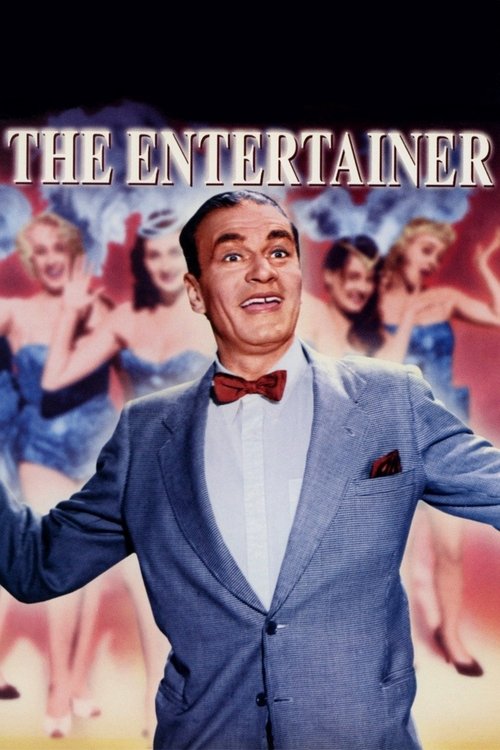
The Entertainer1960
Laurence Olivier as an ageing comedian clinging to relevance while his son watches him decline. About masculine pride, failure, fathers and sons unable to speak. Same painful specificity as Steptoe about being trapped and ashamed.
But It's very of its moment theatrically. Long speeches that feel like monologues. Heavy with post-war British melancholy.
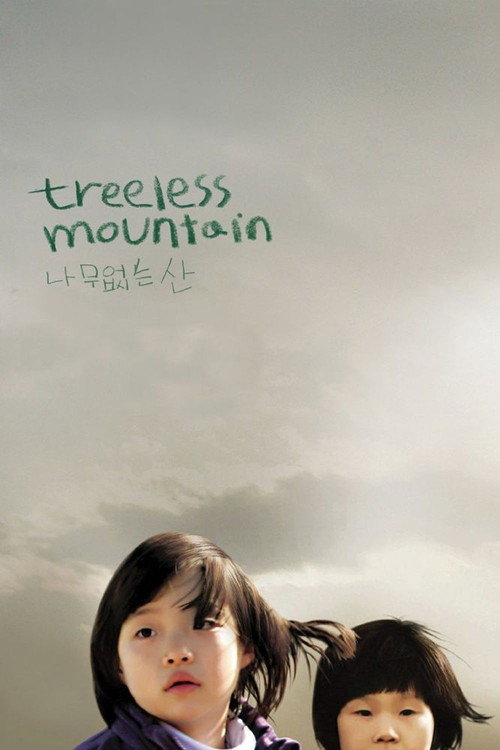
Treeless Mountain2009
Both films find their drama in the spaces between people sharing a home with no way out—the small humiliations, the rituals, the way affection cracks under pressure.
A quiet South Korean film about two sisters abandoned by their mother, making a life in a junk-filled house with relatives who resent them. Nothing like Steptoe in setting or tone, but it has the same archaeological attention to how people survive in confined spaces, how love and cruelty are inseparable.
But It's deliberately paced and offers no catharsis. Many find it too bleak and static. Requires patience and emotional openness.
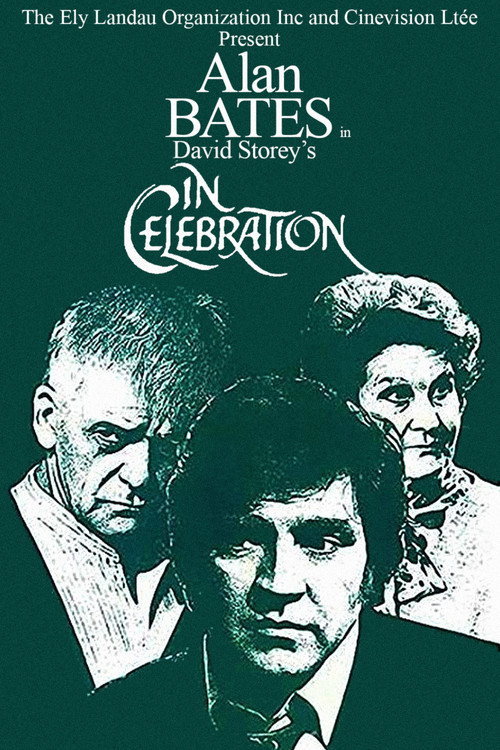
In Celebration1975
Both see working-class family life as a tragic bind—not because poverty is tragic, but because love isn't enough to overcome it. Both understand that some people cannot escape their people.
David Storey's television play about three brothers and their parents gathering in a working-class Yorkshire home. The emotional brutality is surgical; class resentment and family obligation collide with devastating precision. Feels like watching Steptoe & Son from the inside of the pain.
But Virtually no plot. It's four middle-aged men and their elderly parents in a room, picking at old wounds for ninety minutes. Requires you to care about emotional texture, not story.
People
Cast
 Wilfrid BrambellAlbert Steptoe
 Harry H. CorbettHarold Steptoe
 Carolyn SeymourZita Steptoe
 Arthur HowardAlbert, the Vicar
 Victor MaddernChauffeur
 Fred GriffithsBarman
- Joan HeathMrs. Smith
- Fred McNaughtonMr. Smith
 Lon SattonPianist
- Patrick FyffeArthur
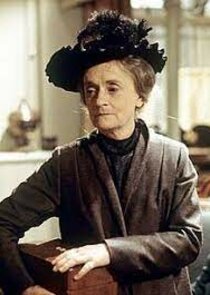 Patsy SmartMrs Hobbs
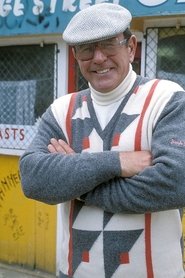 Mike ReidCompere
Directing
- Ariel LevyAssistant Director
- Cliff OwenDirector
Writing
- Alan SimpsonWriter
- Ray GaltonWriter
Production
- Beryl VertueExecutive Producer
- Aida YoungProducer
- Christopher SuttonProduction Supervisor
Recommended by
The Likely Lads, Bless This House, Holiday on the Buses, The Ups and Downs of a Handyman, Adventures of a Plumber's Mate