
Film
London River
A 2009 drama about two grieving parents—one British, one Senegalese—who meet in London after the 7/7 bombings searching for their missing children. It's a quiet, character-driven film about loss, assumption, and connection forged in shared anguish. Thoughtful rather than sensational, it treats terrorism as backdrop to something more intimate: how strangers become witnesses to each other's pain.
Should you watch it?
Watch it if you want a quiet, unhurried drama where grief and mistrust slowly thaw between two people who share almost no language, and the city itself becomes a character.
Skip it if the pace is deliberate and the mood steeped in sorrow, so if you need plot momentum or lighter company, it may feel like a long grey walk.
What it asks of you: Under ninety minutes, it moves at the pace of its characters, lingering in long silences and wide shots, asking you to sit with discomfort rather than be carried along.
Not sure? Find tonight's pick in a minute.
If you liked this
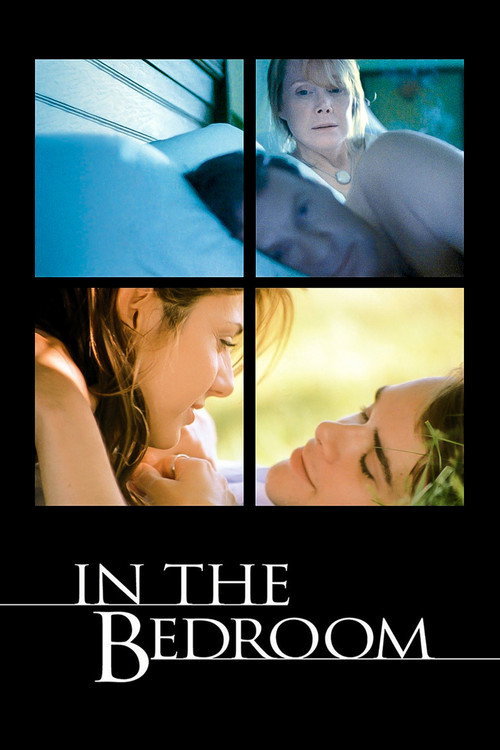
In the Bedroom2001
A similarly restrained exploration of parental grief and the impossibility of moving forward after sudden loss. Todd Field's direction creates unbearable tension through stillness and understatement.
But The pacing is glacial and there's no catharsis—just the slow accumulation of a family's dissolution. Some find it punishing rather than moving.
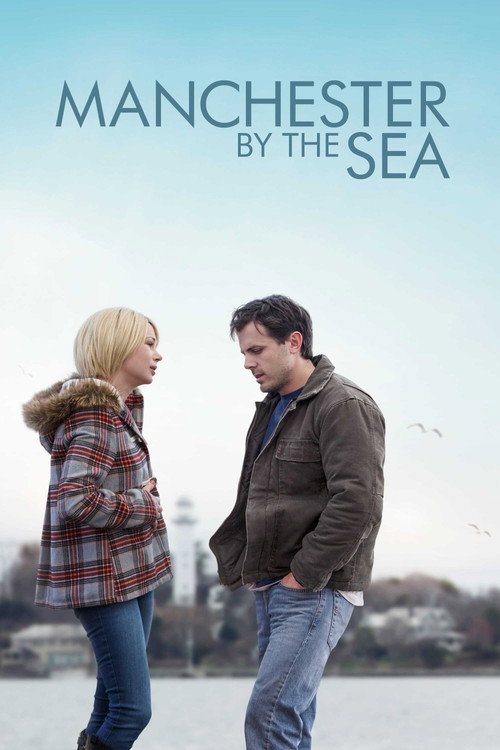
Manchester by the Sea2016
Kenneth Lonergan's portrait of a man unable to outrun tragedy. Like London River, it refuses easy answers and finds profound humanity in characters who've stopped trying to be okay.
But It's genuinely bleak. The film doesn't offer comfort, only recognition that some wounds don't close. That can feel like a burden rather than catharsis.
Moonlight2016
Three chapters following a young man through the consequences of absent love. Like London River, it finds grace in small moments and shows how trauma echoes across a life without neat resolution.
But The narrative is fragmented and deliberately paced. If you want plot momentum or clear answers about character motivation, you'll feel frustrated.

Not sure tonight? Get a pick in a minute, starting from London River
The wildcard
Something you would not have found on your own.
Come and See1985
Both films understand that the real cost of violence isn't the spectacle but the way it settles into the bodies and psyches of ordinary people who survive it.
Elem Klimov's unflinching Soviet film about a boy soldier in WWII. Like London River, it refuses to aestheticize or instrumentalize its violence—instead, it watches what catastrophe actually does to people who encounter it.
But This is one of the most disturbing films ever made. It's not depressing; it's traumatizing. It doesn't offer catharsis—only testimony. Most viewers will need to recover afterward.

More like this (8)
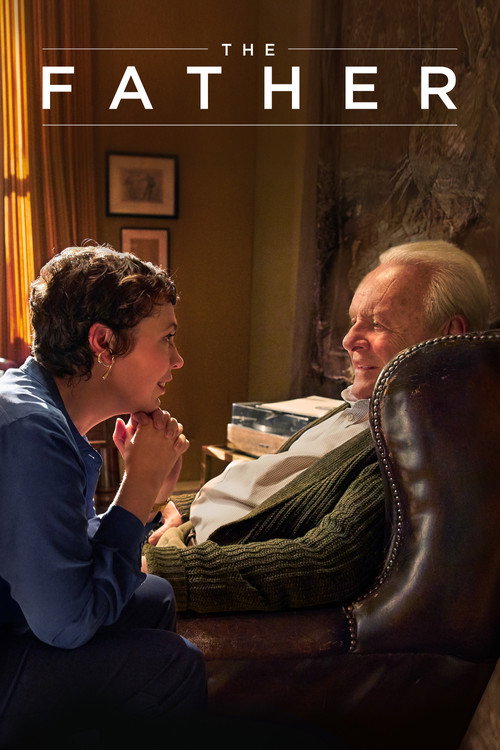
The Father2020
Anthony Hopkins delivers a masterclass in playing someone losing their grip on reality. It's tender and harrowing in equal measure, centered entirely on how we fail those we love most.
But The disoriented editing style, meant to convey dementia, can feel gimmicky and occasionally nauseating. Some viewers find the technique distracting rather than clarifying.
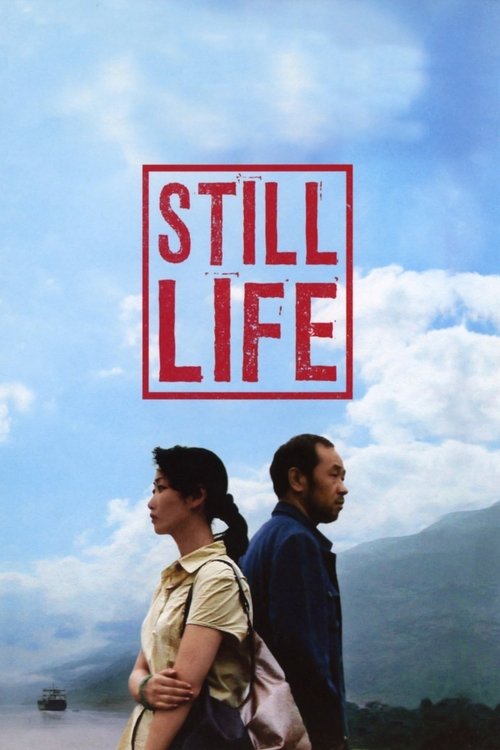
Still Life2006
Jia Zhangke's film about a man searching for his estranged wife in a flooded Chinese city. It shares London River's interest in how catastrophe strips away pretense and leaves only essential human connection.
But It's formally experimental and deliberately slow. There's no conventional plot; it's more a collection of encounters and observations. Requires patience and active attention.
A Ghost Story2017
An inventive meditation on grief, time, and the persistence of loss. Uses its genre premise to explore what we leave behind and why we cling to place. Surprisingly moving despite its strangeness.
But The central image—a ghost beneath a sheet—takes serious tonal commitment to land. The pacing is deliberately odd, and the film asks you to sit with discomfort rather than resolve it.

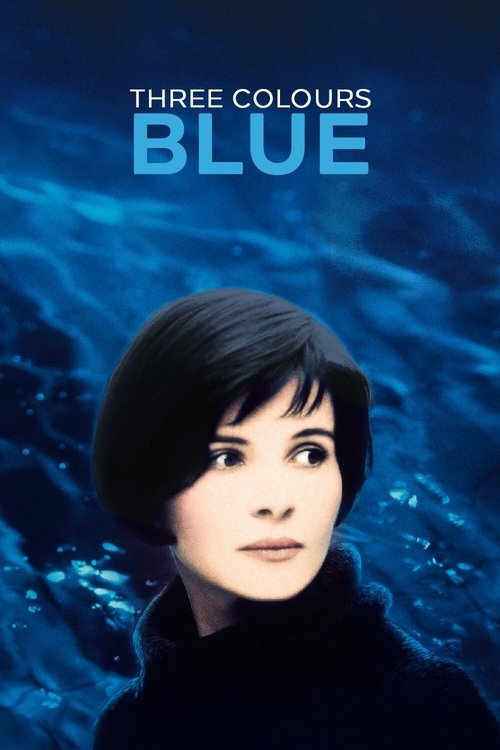
Three Colors: Blue1993
Kieslowski's film about a woman rebuilding after losing her husband and daughter in a car crash. It's meditative and beautifully composed, exploring how identity fractures and reforms after trauma.
But It's not narrative-driven; it's mood and visual poetry. If you need plot hooks to stay engaged, this will feel aimless. The film moves at its own deliberate pace.
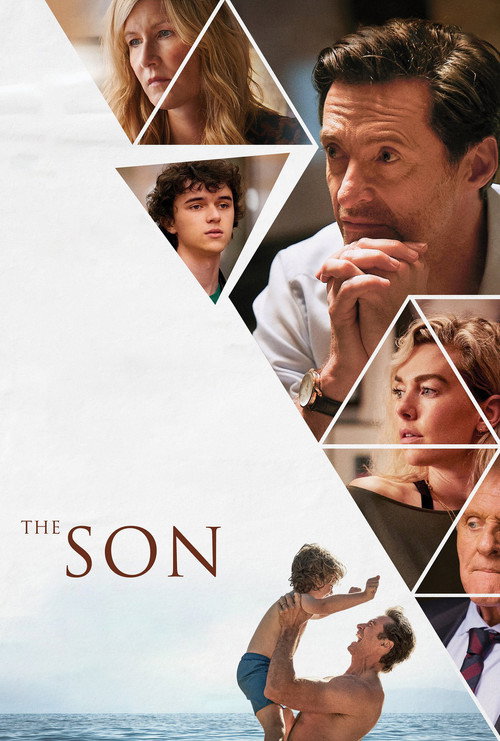
The Son2022
Denis Villeneuve's chamber piece about a man confronted by his estranged son's crisis. It's raw, unshowy acting and direction that trusts viewers to feel the weight of unspoken things between people.
But Nothing much 'happens' externally. It's entirely interior—the drama is psychological and conversational. Some find that insufficiently gripping. Also quite bleak about whether people can genuinely help each other.
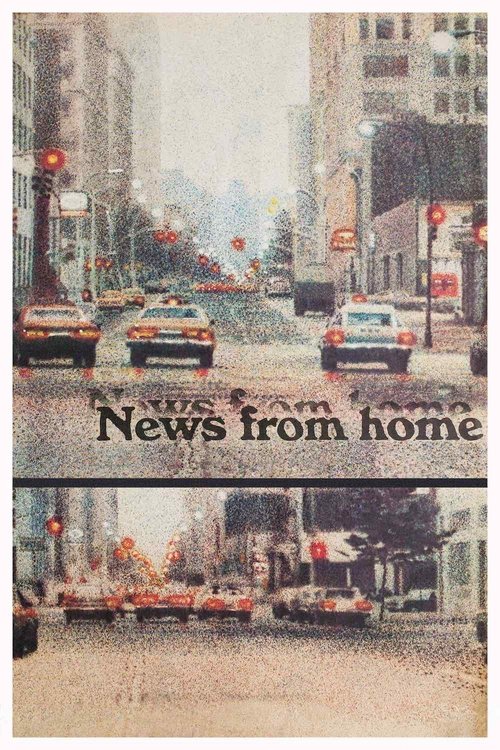
News from Home1976
Chantal Akerman's experimental documentary pairing letters from her mother with images of 1970s New York. It captures the particular ache of parental separation and the way love survives across distance.
But It's avant-garde cinema; there's no conventional narrative or score. Long static shots of city streets may feel like punishment if you're looking for entertainment rather than art experience.
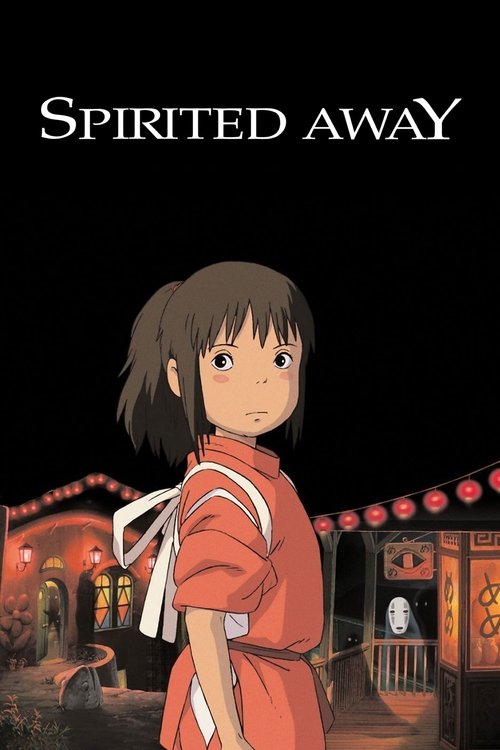
Spirited Away2001
Both use setting and atmosphere to explore how we survive dislocation. Both center characters moving through worlds they don't fully understand, finding grace in small kindnesses from unexpected people.
Miyazaki's animated masterpiece about a girl navigating a spirit world. It shares London River's interest in liminal spaces, displacement, and the strange bonds formed between lost people seeking their way home.
But It's a fantasy adventure, not a drama—some find the tonal shift jarring if you're coming from grief cinema. Also, anime requires specific cultural literacy some viewers lack. It's long and visually dense.
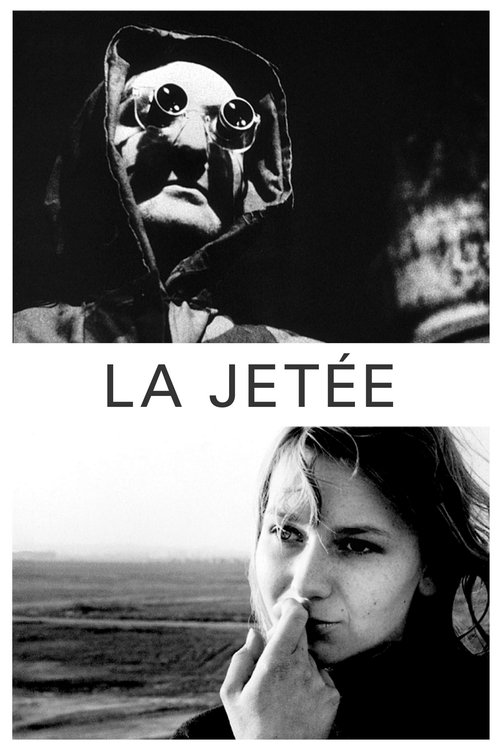
La Jetée1962
Both understand that some stories demand quiet and space. Both trust the viewer to feel absence as powerfully as presence. Both suggest that what we cannot change we must learn to carry.
Chris Marker's haunting 15-minute sci-fi poem, told almost entirely through still photographs with voiceover. It's about memory, loss, and the impossibility of escaping the past—distilled to its essence.
But It's barely a film by conventional standards. Some find the static images boring; others find the minimalism precious. The experimental form demands viewers meet it halfway, and some simply won't.
People
Cast
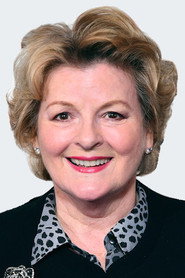 Brenda BlethynElisabeth
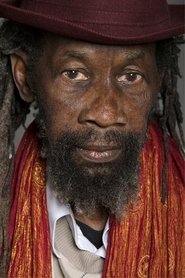 Sotigui KouyatéOusmane
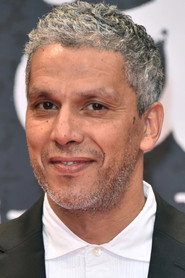 Sami BouajilaImam
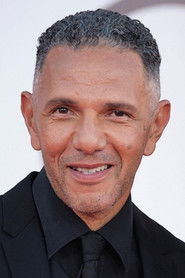 Roschdy ZemLe Boucher
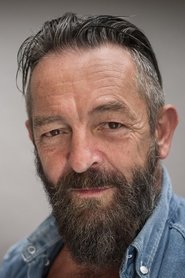 Francis MageeInspecteur anglais
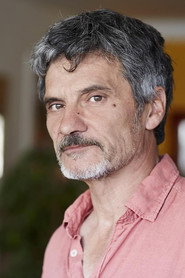 Bernard BlancanOuvrier Forestier
- Marc BaylisEdward
- Gareth RandallPasteur
- Aurélie EltvedtGuide Chapelle
 Mathieu SchiffmanInspecteur anglais
 Diveen HenryPolicière anglaise
- Salah Mohamed-MarichLocataire appartement
Directing
- Rachid BoucharebDirector
Writing
- Olivier LorelleScreenplay
- Rachid BoucharebScreenplay
- Zoé GaleronScreenplay