
Film
Prick Up Your Ears
- Biopic
- Tragic romance
- Very dark
A sharply intelligent biographical drama about the playwright Joe Orton and his partner Kenneth Halliwell, told through the prism of their relationship's tragic arc. Gary Oldman captures Orton's mischievous genius and sexual awakening; the film itself is as bright and provocative as its subject. Essential viewing for anyone interested in theatre history, queer cinema, or the collision between ambition and intimacy.
Should you watch it?
Watch it if you enjoy a biography that is witty, bitchy and unsentimental about artistic ambition, and you like a dressing-room comedy of manners sharpened into something colder.
Skip it if you want the lush, sympathetic warmth of a conventional period biopic; its wit is dry and its sympathies are cool, so the mood can feel chilly.
What it asks of you: Its shape is talky and episodic, built from rooms full of people trading barbs, so it rewards patience more than momentum across its runtime of just under two hours.
Not sure? Find tonight's pick in a minute.
If you liked this
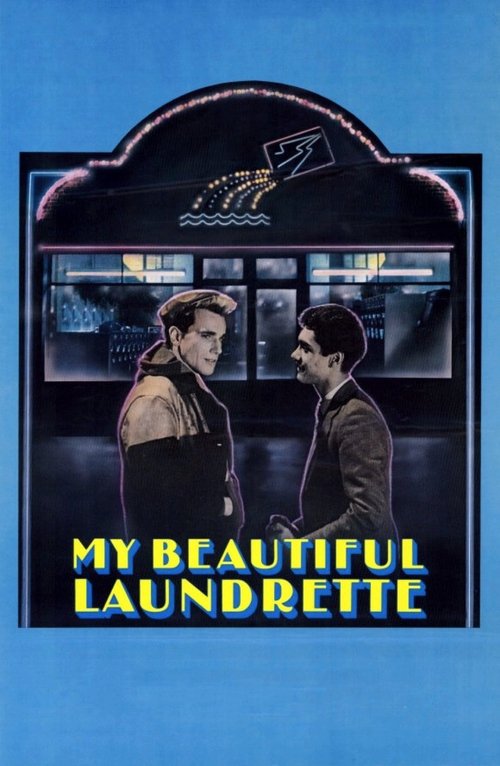
My Beautiful Laundrette1985
Stephen Frears directed this too—a tender, funny, incisive portrait of a mixed-race romance in Thatcher's Britain. Same director, same gift for finding humanity in transgression, but set in a completely different world.
But It's a 1985 British film on a modest budget, so the production values feel deliberately stripped-back rather than polished. Some viewers find that aesthetic cold.
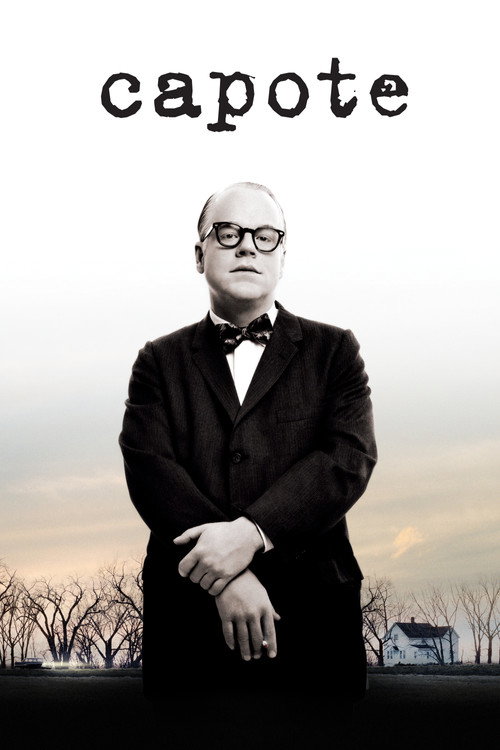
Capote2005
Philip Seymour Hoffman gives one of cinema's greatest performances as Truman Capote, another gay literary genius at the height of his powers. Like Orton, it's about the price of talent and visibility, told with wit and genuine tragedy.
But It moves slowly and the emotional payoff sits in small, quiet moments rather than dramatic crescendos. Patience required.
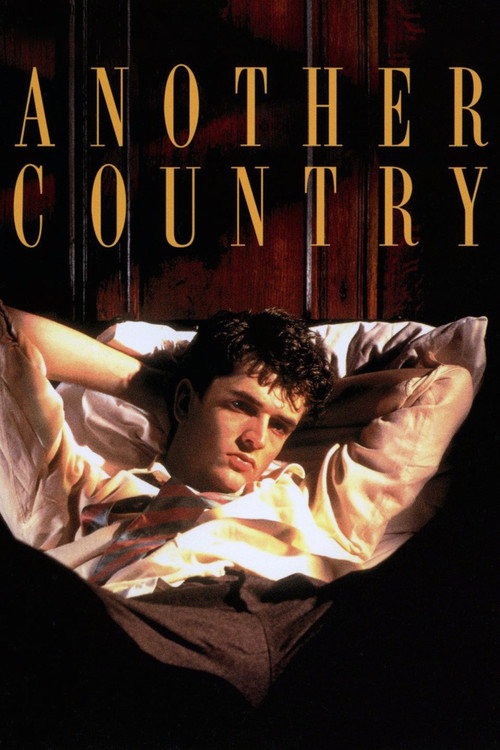
Another Country1984
Rupert Everett in a nuanced drama about a gay student at an English boarding school, navigating identity, class, and betrayal. It shares Orton's interest in queerness, wit, and the damage that comes from hiding who you are.
But The public-school setting and period detail might feel dated or insular if you're not drawn to that world. The tone is more earnest than subversive.
Not sure tonight? Get a pick in a minute, starting from Prick Up Your Ears
The wildcard
Something you would not have found on your own.
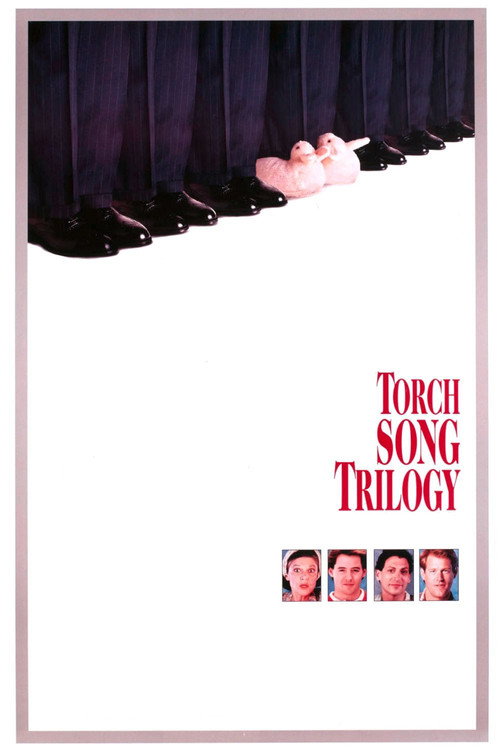
Torch Song Trilogy1988
Both are about gay men's lives told with refusal to be tragic or apologetic; both use humour as a form of survival and rebellion. But where Orton was a satirist of society, Fierstein is a documentarian of the heart.
Harvey Fierstein wrote and stars in this gloriously theatrical, brutally honest three-act play about being a gay man in New York. It has Orton's wit and fearlessness, but channelled through raw emotional autobiography rather than satirical distance. It's hilarious and it will break your heart.
But It's camp and theatrical in ways that don't apologize or explain themselves. Three hours. Some viewers find the register shift from comedy to grief jarring and exhausting.
More like this (7)
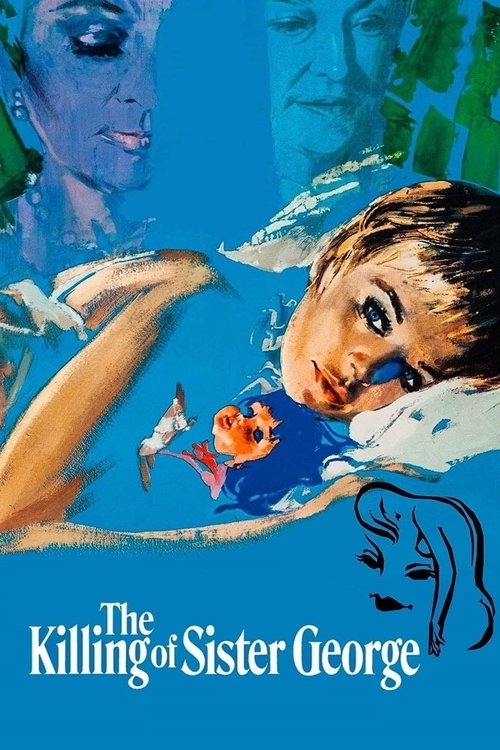
The Killing of Sister George1968
Susannah York and Beryl Reid in an acidic, darkly comic drama about a lesbian couple in 1960s London. Same era as Orton, same sexual frankness, equally barbed about show business and desire.
But It's campy and theatrical in ways that can read as dated. The characterizations are broad, and the film treats its lesbian subplot as exotic rather than normalized.
The Servant1963
Joseph Losey's masterpiece about power, class, and sexual manipulation between two men. It has Prick Up Your Ears' interest in how intimacy and dominance can become inseparable, and the same elegant, poisonous atmosphere.
But It's shot in black and white, moves at a deliberate pace, and asks you to sit with ambiguity. The ending is deliberately unresolved, which frustrates some viewers.

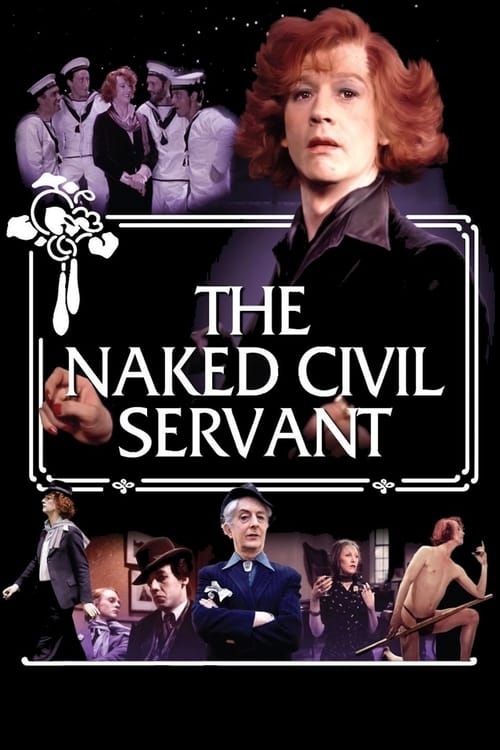
The Naked Civil Servant1975
John Hurt as Quentin Crisp, a defiant gay man navigating mid-century London with style and refusal. Like Orton, it's about a queer icon who lived boldly, with humour as both armour and weapon.
But It's very theatrical and occasionally veers toward camp in ways that undercut the gravity. The script can feel more performed than lived.
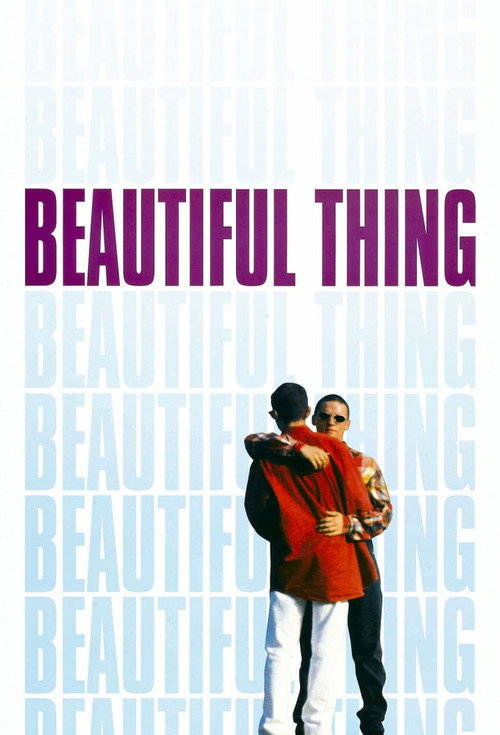
Beautiful Thing1996
A warm, funny, unsentimental portrait of two working-class gay teenagers in south London. It has Orton's gift for finding the humour and humanity in queer life without making a tragedy out of existence itself.
But The deliberately light tone might seem at odds with the real pressures and dangers of being young and gay. Some find it too optimistic to be credible.
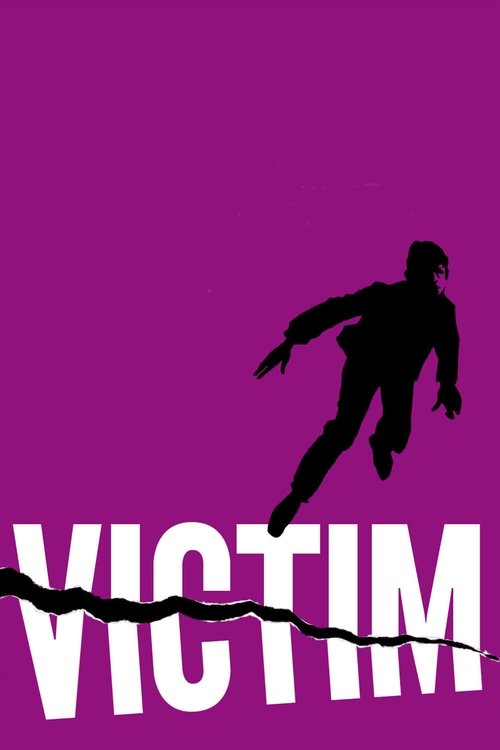
Victim1961
Dirk Bogarde in a groundbreaking film about blackmail and queerness in 1960s London—the historical context that Orton was rebelling against. Essential for understanding why Orton's boldness mattered so much.
But It's deeply earnest and its attitudes, though progressive for 1961, feel dated now. The melodrama can overshadow the political argument.
Safe1995
Both explore what happens when one person's reality becomes unbearable to those who love them, and how proximity can curdle into horror. Both are formally elegant and emotionally brutal.
Todd Haynes' film about a woman whose body rejects the world around her—shot with the same formal precision and ice-cold distance as Prick Up Your Ears, but as science fiction rather than biography. It's about incompatibility, alienation, and the violence of being incomprehensible to those around you.
But It's bleak, abstract, and deliberately frustrating. Julianne Moore's character is both sympathetic and repellent. The film refuses to offer answers or comfort.

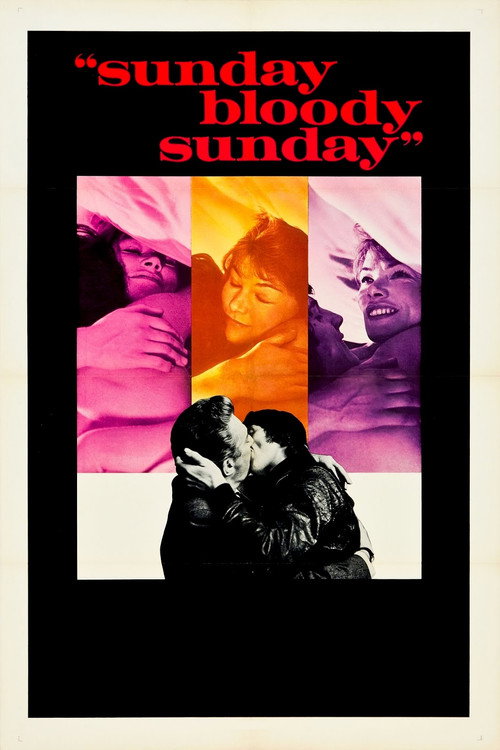
Sunday Bloody Sunday1971
Both are about the gap between desire and reality, and how the people we love can't always love us back the way we need. Both treat queerness as a given rather than a scandal.
John Schlesinger's masterpiece about two people—a woman and a man—in love with the same younger man, shot in widescreen colour with devastating sophistication. It has Orton's London, his sexual frankness, and his understanding that love and jealousy and betrayal are the real human drama.
But It's a three-way relationship film from 1971; some find the sexual politics dated or troubling. It's also quiet and contemplative rather than dramatic.
People
Cast
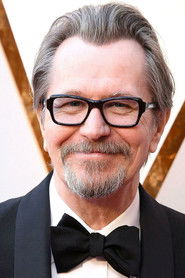 Gary OldmanJoe Orton
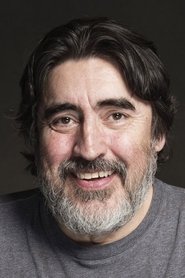 Alfred MolinaKenneth Halliwell
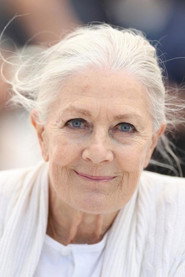 Vanessa RedgravePeggy Ramsay
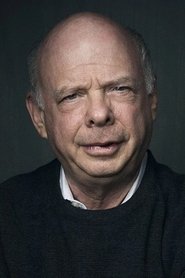 Wallace ShawnJohn Lahr
 Lindsay DuncanAnthea Lahr
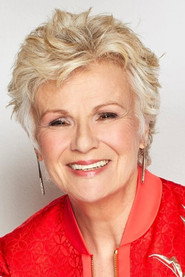 Julie WaltersElsie Orton
- James GrantWilliam Orton
 Frances BarberLeonie Orton
 Janet DaleMrs Sugden
- Dave AtkinsMr Sugden
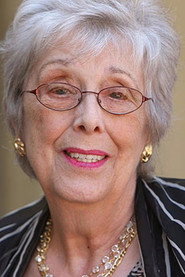 Margaret TyzackMadame Lambert
 Eric RichardEducation Officer
Directing
- Stephen FrearsDirector
- Michael ZimbrichFirst Assistant Director
- Penny EylesScript Supervisor
- Lee ClearySecond Assistant Director
- Adam WaltonThird Assistant Director
Writing
- John LahrBook
- Alan BennettScreenplay
Production
- Debbie McWilliamsCasting
- Andrew BrownProducer
- Lorraine GoodmanProduction Coordinator
- Ann WingateProduction Manager
- Zakaria AlaouiProduction Manager
- Deborah HardingProduction Secretary
Recommended by
Life Is Sweet, Mrs Brown, Gods and Monsters, Nowhere Boy, St. Elmo's Fire, The Hours and Times, Laughter in the Dark, A Man of No Importance, American Buffalo, Breakfast on Pluto, Molière, The Corsican Brothers, Wilde, Chronicle of Anna Magdalena Bach, Nighthawks, An Awfully Big Adventure, Nijinsky, Werther, Impossible Object