
Film
Molière
Ariel Waller's ambitious 1978 biography tracks Jean-Baptiste Poquelin from orphaned childhood through law school and provincial theatre to his transformation into Molière, France's greatest playwright. It's a long, deliberately paced film about the making of genius—how experience becomes art. For those who love historical cinema and don't mind a slow burn.
If you liked this
Synecdoche, New York2008
Charlie Kaufman's haunting meditation on art, failure, and obsession. Like Molière, it follows a creator trying to make sense of life through performance. Dense, strange, utterly alive.
But It's deliberately opaque and often exhausting. If you want narrative clarity, you won't find it here.

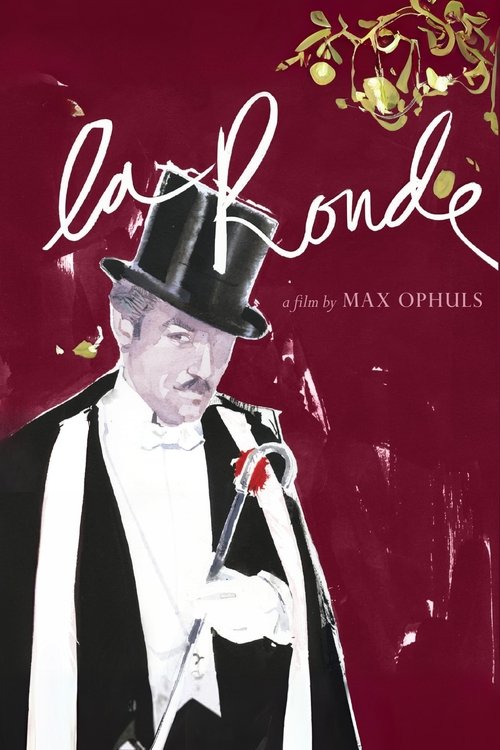
La Ronde1950
Max Ophüls' masterpiece about Parisian society and human connection. French cinema at its most elegant and humanist, examining how people move through worlds of power and desire—Molière's world exactly.
But The circular structure and multiple vignettes mean no single character anchors you. Some find it cold.
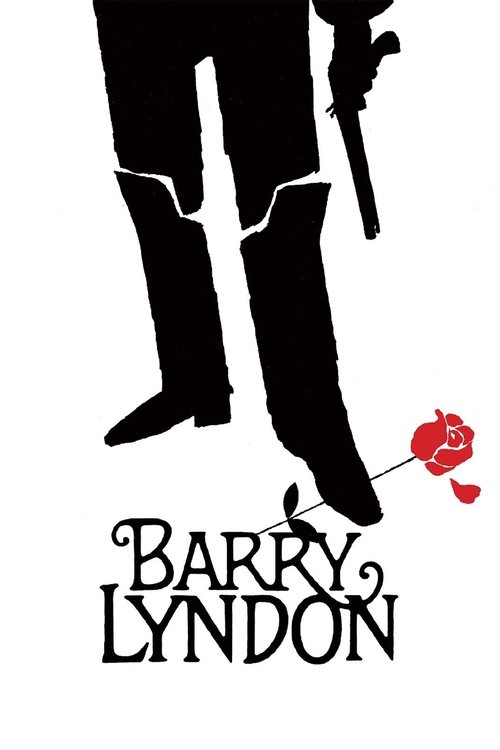
Barry Lyndon1975
Kubrick's luminous, painterly biography of an Irish rogue navigating courts and empires. Slow, gorgeous, about ambition and reinvention. A kindred spirit to Molière—patient, philosophical, visually ravishing.
But Nearly four hours of deliberate pacing. Kubrick's coldness can feel distant even when the material is intimate.
Not sure tonight? Get a pick in a minute, starting from Molière
The wildcard
Something you would not have found on your own.
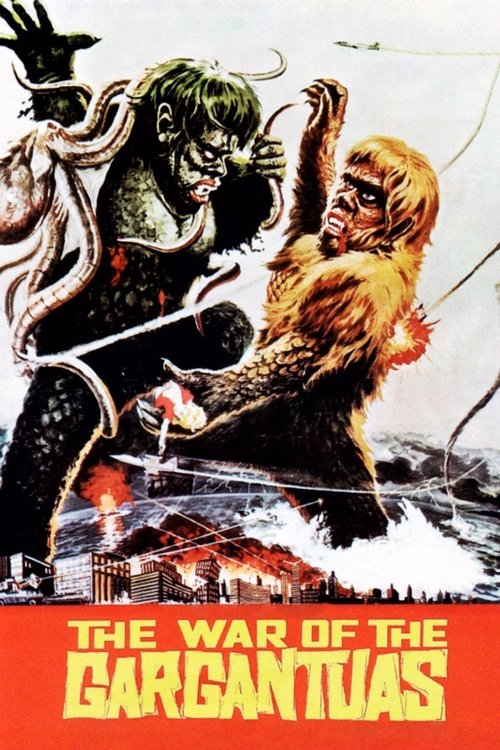
The War of the Gargantuas1966
Molière began as an actor in this theatrical tradition. Watching what he learned from—what he rebelled against—illuminates his entire artistic project.
This isn't a film—it's a Beaumont and Fletcher play likely performed in Molière's lifetime, recently staged and filmed. See the theatrical world he inherited, the language he would transform. Direct connection to his artistic DNA.
But Early 17th-century theatre has alien rhythms. The comedy doesn't land without historical context. Staging is bare-bones.
More like this (8)
The Leopard1963
Visconti's epic about power, decay, and tradition in Sicily. Like Molière, it's portrait-scale history—concerned with how individuals navigate their moment. Achingly beautiful and human.
But Very long, very stately. If you're restless, this will test your patience.

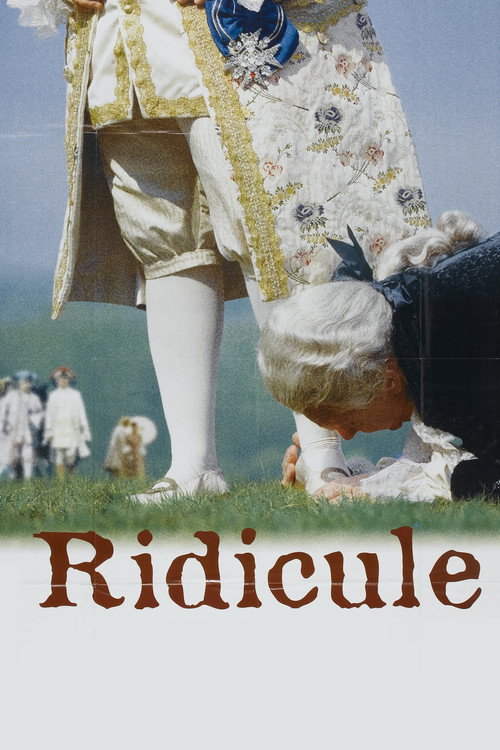
Ridicule1996
Patrice Leconte's witty, precise film about wit as a weapon in the court of Louis XVI. Shows how language and performance rule Versailles. Sharper and funnier than Molière, but in the same world.
But The plot is slight. Essentially a series of verbal duels. If you need momentum, you might find it thin.
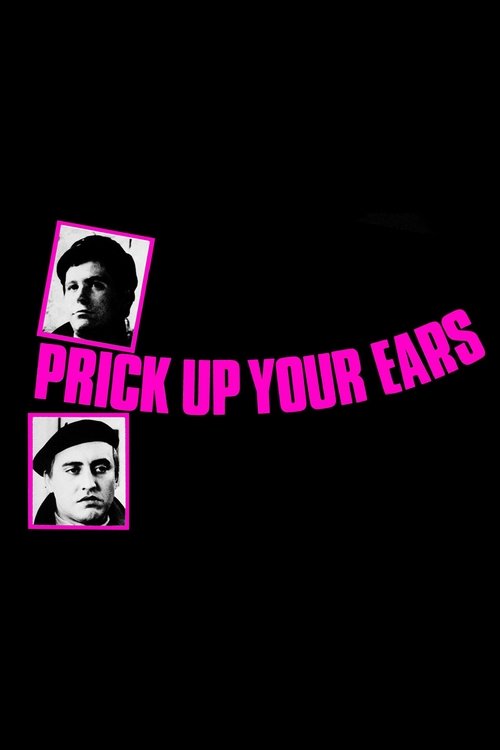
Prick Up Your Ears1987
Stephen Frears' biography of Joe Orton: a playwright's rise, the sources of his comedy, his hunger for experience. Like Molière, it asks how scandal and ambition feed art.
But Orton's life is far more sordid and tragic. Tonal whiplash isn't everyone's comfort zone.
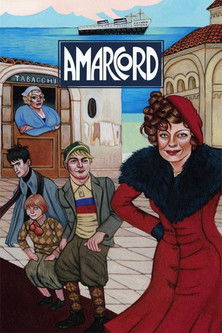
Amarcord1973
Fellini's lyrical memory-collage of provincial Italian life. Episodic, sensual, about how experience accumulates into understanding. The texture of lived history, not its plot.
But There's almost no story. If you need narrative propulsion, this is a painting, not a film.
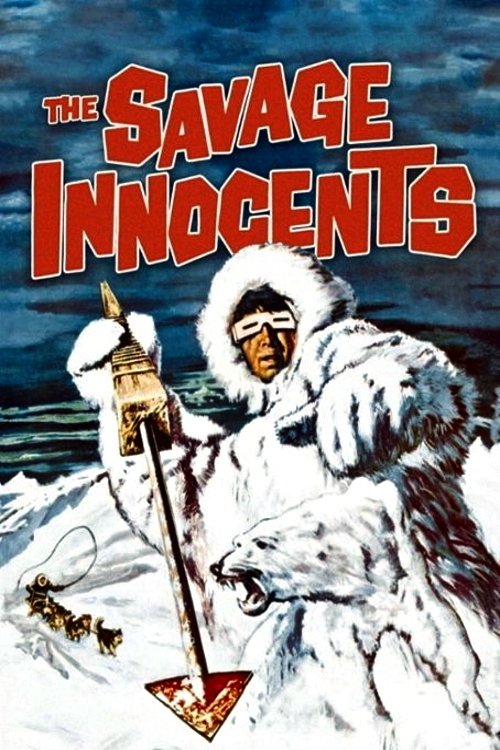
The Savage Innocents1960
Anthony Mann's gorgeous, melancholy account of an Inuit man navigating two cultures. Like Molière, it's about someone learning to move between worlds, watching and adapting.
But The pacing is uneven. Some find the ethnographic lens dated or uncomfortable now.
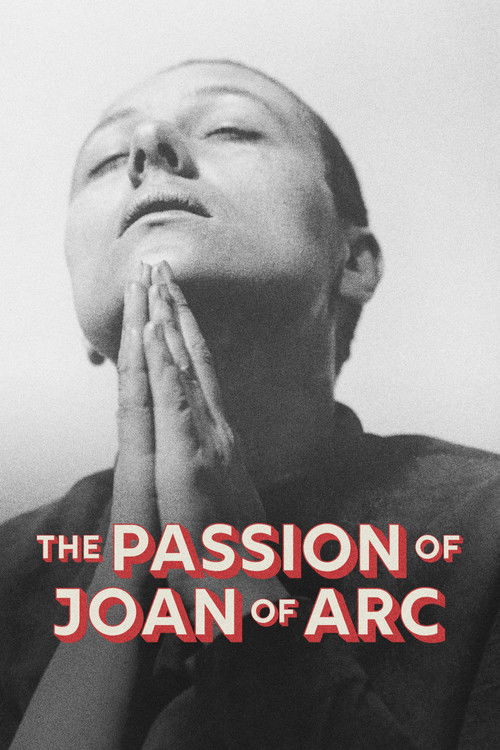
The Passion of Joan of Arc1928
Dreyer's silent masterpiece about faith, power, and the cost of conviction. Another French life examined at length with unblinking intensity. A spiritual ancestor to Molière.
But Silent film, no dialogue. The emotional demands are relentless. Not restful.
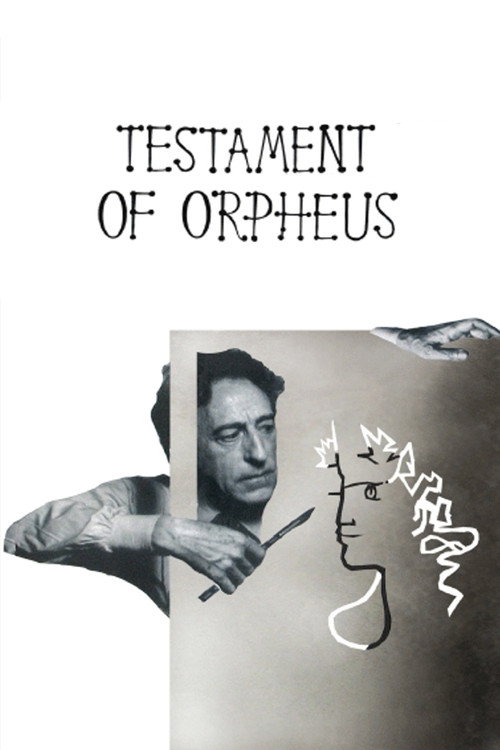
Testament of Orpheus1960
Both films use Death as a character. Both are obsessed with how an artist's life becomes their work. Cocteau's register is pure cinema; Molière uses theatre. Inverse approaches to the same mystery.
Cocteau's experimental, dreamlike film about an artist facing death, made late in life. No plot, just image and meditation. What if Molière's Death (played by actor in the film) had made a movie about itself? Ravishing and strange.
But It's surrealist, arch, sometimes incomprehensible. Not narrative. Requires you to sit with mood over meaning.
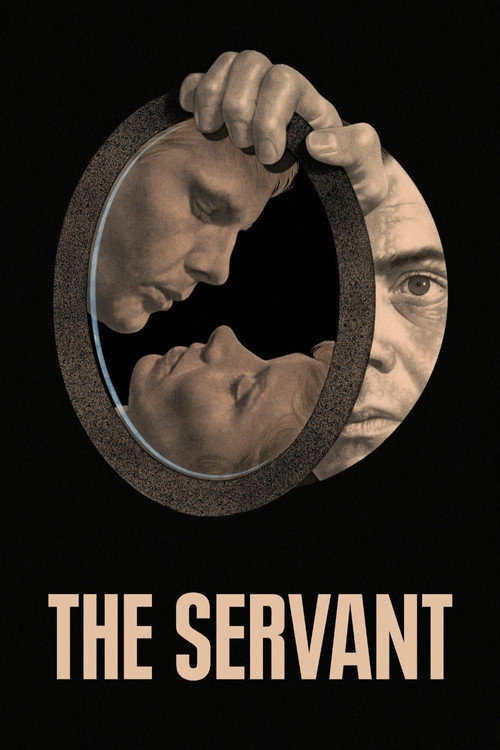
The Servant1963
Both explore how performance and deception operate in hierarchical spaces. Molière climbs the hierarchy through charm; Losey's servant infiltrates it. One is about theatre becoming life; the other about life as performed theatre.
Joseph Losey's claustrophobic masterpiece about power and performance—a master and servant locked in mutual manipulation. Like Molière, it's about how theatre infiltrates daily life, how roles consume identity. Brutal, precise, hypnotic.
But Claustrophobic and psychologically relentless. The class warfare is ugly. No comfort here, and the ambiguity never resolves.
People
Cast
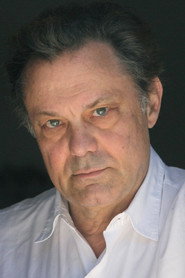 Philippe CaubèreJean-Baptiste Poquelin, dit Molière / La Mort
 Marie-Françoise AudollentLa Forest / La servante
- Frédéric LadonneMolière enfant
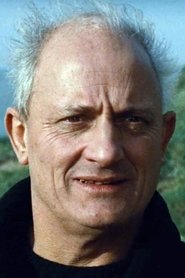 Jean DastéLe grand-père de Molière
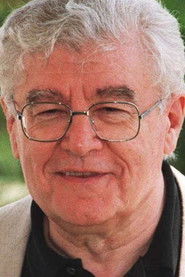 Roger PlanchonColbert
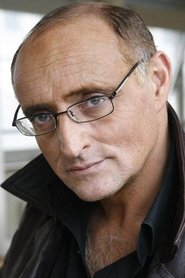 Daniel MesguichMonsieur, frère du Roi
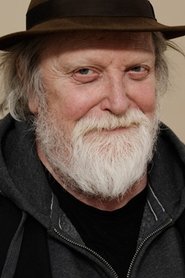 Albert DelpyBoileau
- Odile CointepasLa mère de Molière
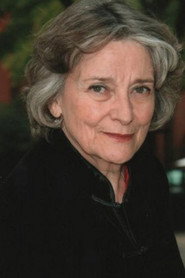 Joséphine DerenneMadeleine Béjart
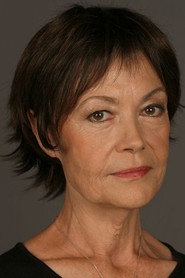 Brigitte CatillonArmande Béjart
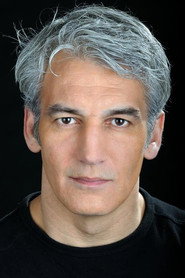 Julien MaurelL'ami de Molière
- Philippe CointepasUn camarade de Jean-Baptiste