
Film
Gods and Monsters
- Drama
- Slow-burning
A chamber piece about the aging James Whale, Hollywood's visionary horror director, finding late-life connection with his new gardener. Ian McKellen gives a luminous, lived-in performance as a man haunted by his past—professional triumphs and personal losses alike. It's intimate, melancholic, and deeply humane; less about plot than about two people circling each other with want and wariness.
Should you watch it?
Watch it if you love character studies built on a single, sharply drawn performance, where talk about old movies and memory does more work than plot, and you don't mind a slow, wry sadness.
Skip it if you need stories to move briskly toward a clear payoff; this one lingers in conversation and quiet rooms, and its reflective pace can feel like waiting.
What it asks of you: Expect a leisurely, dialogue-driven run of just under two hours, with long pauses, an unhurried mood and a melancholy that stays mostly unspoken.
Not sure? Find tonight's pick in a minute.
If you liked this
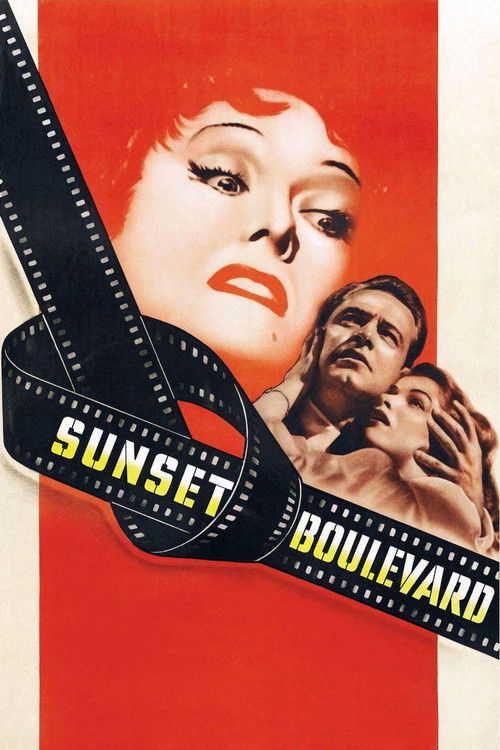
Sunset Boulevard1950
Billy Wilder's masterpiece about a forgotten silent-film director clinging to Hollywood mythology. Like Whale, it's about genius corroded by time and industry indifference, told with pitch-black wit and crushing empathy.
But The pacing is deliberate and the mood suffocating—this is a descent, not an adventure. Some find Wilder's cynicism exhausting rather than bracing.
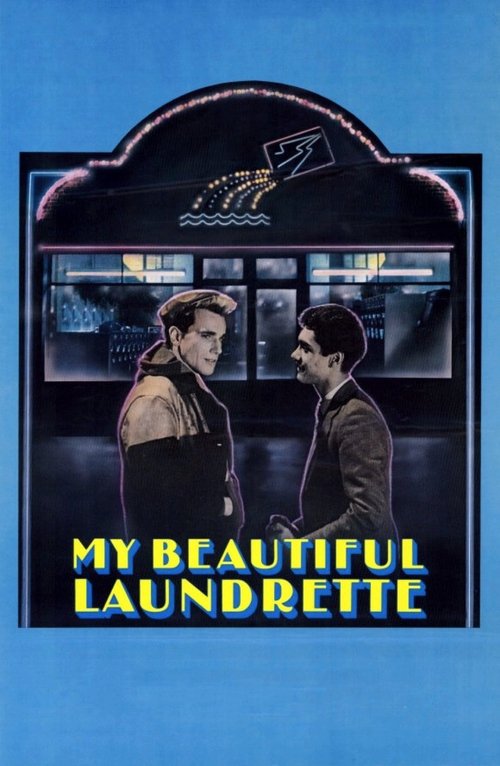
My Beautiful Laundrette1985
Stephen Frears directing a tender, unsentimental story about two men finding love amid class struggle and casual racism. It has Whale's gift for finding humanity in the margins, and the same refusal to make desire neat or safe.
But It's a low-budget British film from the '80s with a deliberately thin plot. The reward is in texture and performance, not conventional narrative drive.
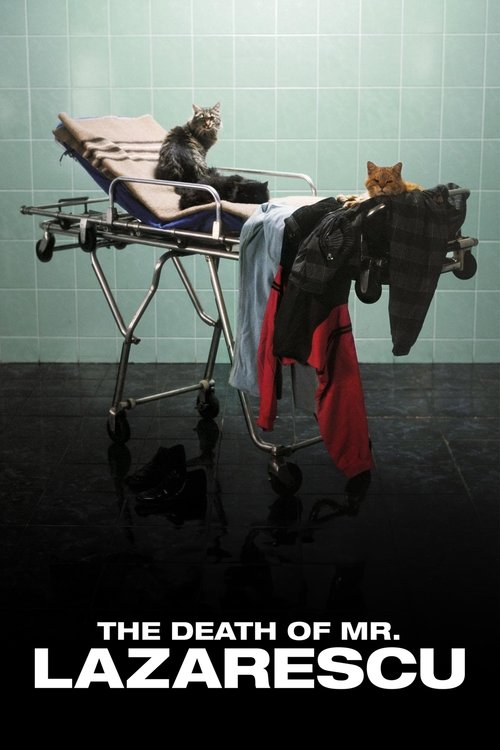
The Death of Mr. Lazarescu2005
A Romanian film about an aging, lonely man's last night alive. Cristi Puiu finds unbearable tenderness in the mundane; it has Whale's sense that ordinary people contain whole universes of feeling.
But It's nearly two and a half hours of watching someone deteriorate in a hospital. The patience required is real, and the sadness is uncut by catharsis.
Not sure tonight? Get a pick in a minute, starting from Gods and Monsters
The wildcard
Something you would not have found on your own.
Singin' in the Rain1952
Both films are love letters to cinema itself, but from opposite angles. Rain celebrates the magic; Whale mourns it. Watch them together and you see the same machine from backstage and front row.
Gene Kelly and Donald O'Connor in Hollywood's greatest entertainment: a story about the terror and exhilaration of reinventing yourself when the industry demands it. It's joyful and anxious at once, about the performance hiding the desperation underneath.
But It's utterly frothy—two hours of effortless musical pleasure that has nothing to do with failure, aging, or consequences. If you want that weight throughout, this is the wrong answer.

More like this (8)
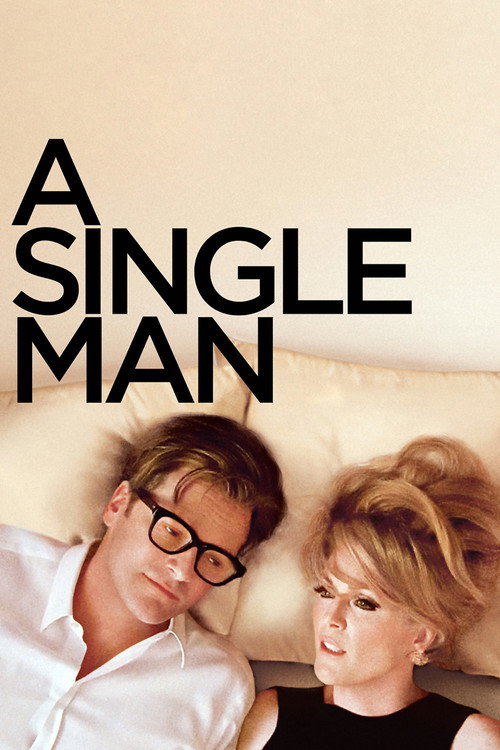
A Single Man2009
Tom Ford's film about a gay man in 1960s Los Angeles spending his last day. It shares Whale's fastidiousness, its visual precision matched only by the depth of feeling underneath, and a similar sense of beauty as both shield and weapon.
But Ford's direction is so stylised it can feel cold. The film is sometimes more interested in how things look than in why they matter.
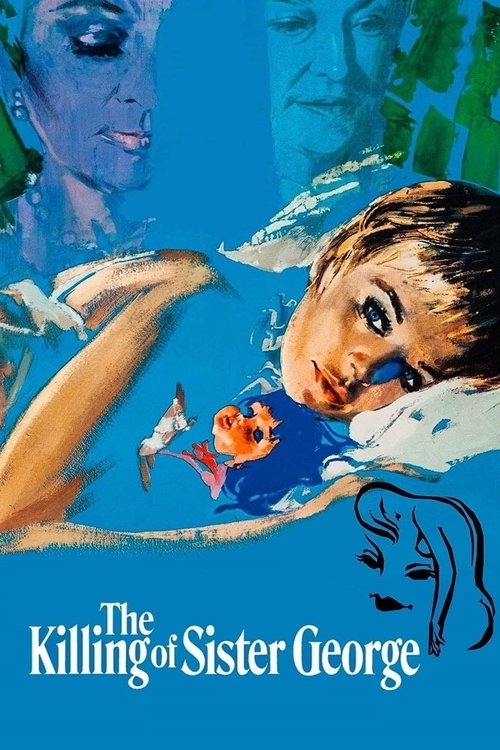
The Killing of Sister George1968
Robert Aldrich's savage, funny film about an aging actress losing power and relevance. It's bracingly cynical about aging, desire, and the cruelty of the industry that made you. Less gentle than Whale, but the bones are similar.
But It's a rape scene played for shock value, and the film's attitude toward its lesbian characters is queasy. The sexual politics haven't aged well.
The Remains of the Day1993
James Ivory's film about regret, duty, and the cost of emotional restraint. Anthony Hopkins gives a performance of pure held-back feeling. It understands how men can spend decades not saying what matters most.
But It's buttoned-up and reserved to the point of being withholding. Some viewers find it frustratingly opaque rather than poignant.

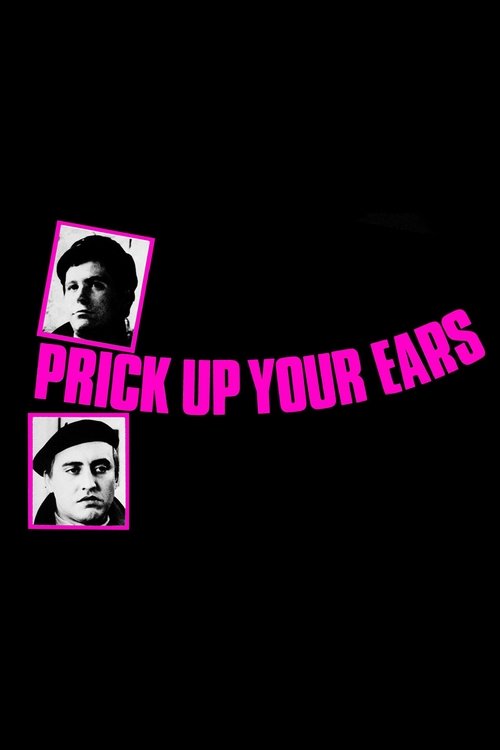
Prick Up Your Ears1987
Stephen Frears again, now telling the story of Joe Orton's life and death. Gary Oldman is luminous as the dramatist; the film captures artistic brilliance tangled with self-destruction and the hunger for connection.
But It's occasionally lurid and the tone lurches. The ending is tragic to the point of numbness, and some sequences are just unpleasant to watch.
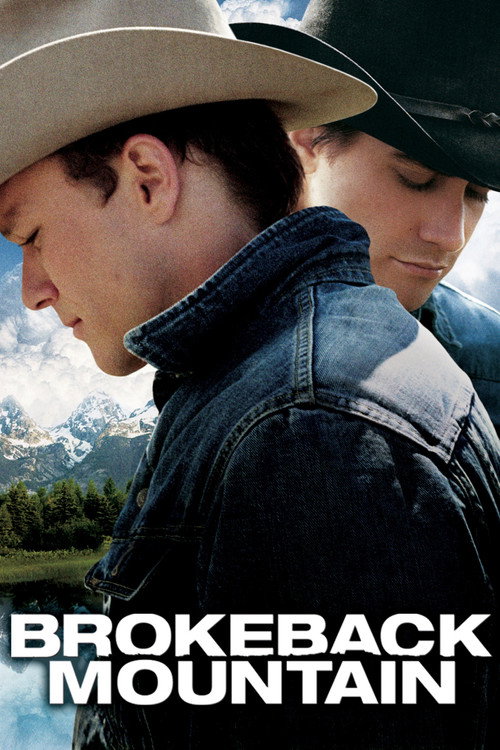
Brokeback Mountain2005
Ang Lee's film about two men whose love can only exist in fragments across decades. It understands the particular pain of desire that has nowhere to live, and the slow-motion tragedy of a life unlived.
But It's become iconic in a way that can make it feel overdetermined. And for some viewers, the tragedy will feel like it's saying something it isn't.
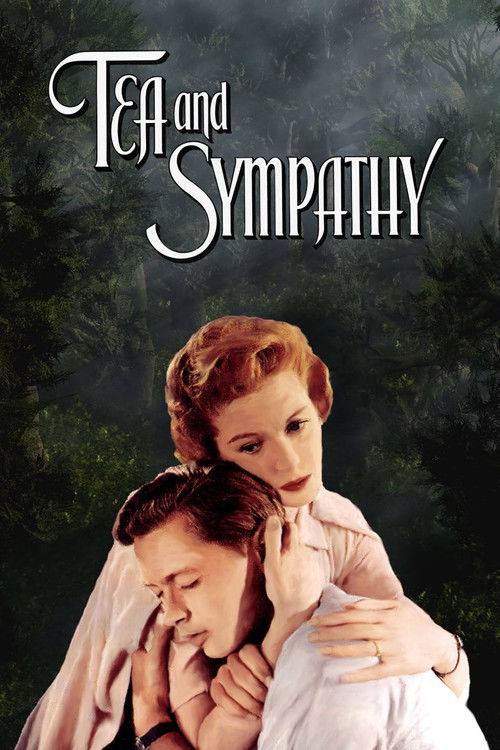
Tea and Sympathy1956
Vincente Minnelli's film about a sensitive boy suspected of homosexuality, and the older woman who offers him kindness. It's melodramatic and deeply flawed, but it has real feeling for the loneliness of being perceived as other.
But It's a 1950s film with a 1950s solution to homosexuality. The politics are muddled and the resolution is wishful thinking dressed up as wisdom.
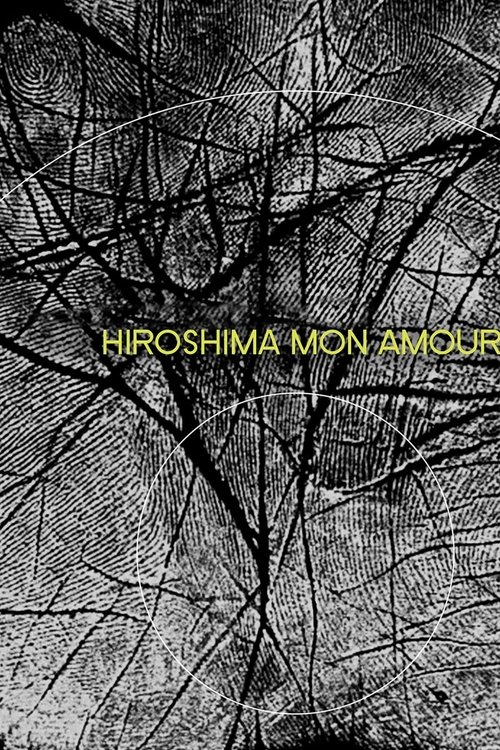
Hiroshima Mon Amour1959
Like Whale, it's a film about desire arriving too late, complicated by history and loss. But Resnais makes form itself the subject—how we remember, how we misremember. Both films understand that time is the real antagonist.
Alain Resnais and Marguerite Duras' fever dream about two strangers meeting in post-war Japan, unable to touch without triggering memory and loss. It's non-linear, elliptical, obsessed with time and forgetting and the stories we tell to survive.
But The structure is genuinely difficult. There are long stretches of overheard conversation and abstraction. The eroticism is intellectual, not physical. You have to meet it halfway.
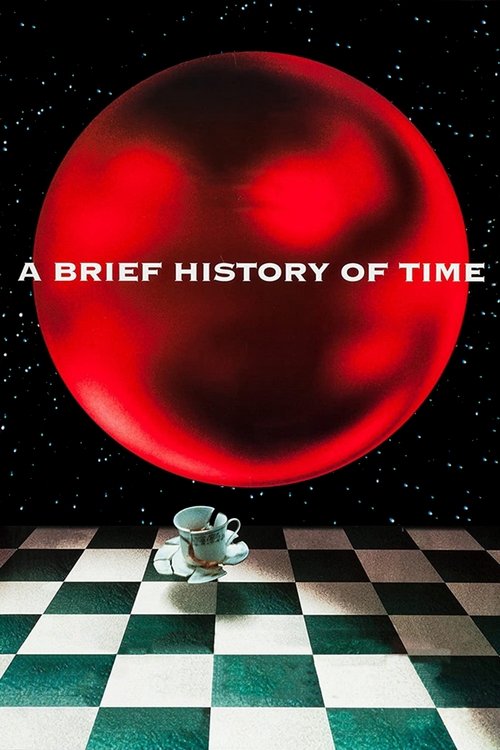
A Brief History of Time1991
Both explore what remains when the body abandons you—Whale has memories and desire; Hawking has equations. Both films suggest that the mind's hunger outlives everything else, and that connection matters more than the form it takes.
Errol Morris' documentary about Stephen Hawking: a genius in a failing body, communicating through a machine, still reaching outward toward the infinite. It's about the mind's refusal to be confined, and connection happening across the most impossible gaps.
But It's a documentary about theoretical physics narrated by a man communicating word by word. The patience required is significant. Some will find it remote rather than moving.
People
Cast
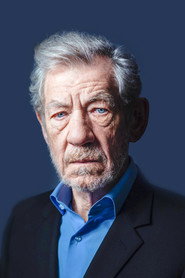 Ian McKellenJames Whale
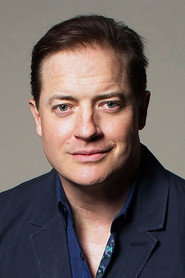 Brendan FraserClayton Boone
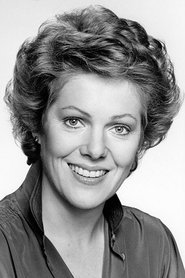 Lynn RedgraveHanna
 Lolita DavidovichBetty
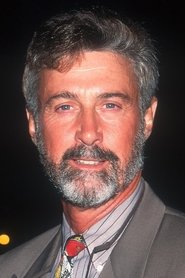 David DukesDavid Lewis
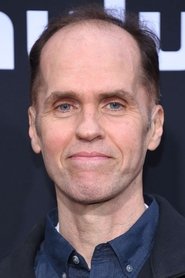 Kevin J. O'ConnorHarry
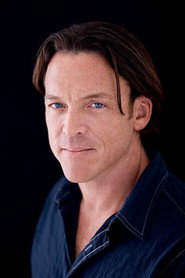 Mark KielyDwight
 Jack PlotnickEdmund Kay
 Rosalind AyresElsa Lanchester
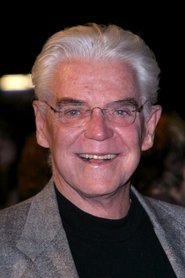 Jack BettsBoris Karloff
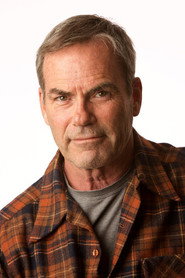 Matt McKenzieColin Clive
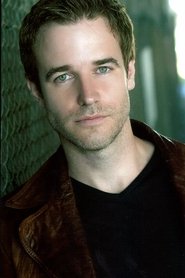 Todd BabcockLeonard Barnett
Directing
- Bill CondonDirector
Writing
- Christopher BramNovel
- Bill CondonWriter
Production
- Valorie MassalasCasting
- Sam IrvinCo-Executive Producer
- Spencer ProfferCo-Executive Producer
- Valorie MassalasCo-Executive Producer
- Beau RogersExecutive Producer
- Clive BarkerExecutive Producer
- David ForrestExecutive Producer
- Stephen P. JarchowExecutive Producer
- John SchouweilerLine Producer
- Lisa LevyLine Producer
- Gregg FienbergProducer
- Mark R. HarrisProducer
- Paul ColichmanProducer