
Film
Laughter in the Dark
A 1969 adaptation of Nabokov's novel set in swinging London, tracking a middle-aged man's infatuation with a young woman and the mutual exploitation that blooms between them. It's a precisely calibrated study of desire, vanity and self-deception—watching someone you can see through clearly choose blindness anyway. For those who appreciate character dissection without sentiment.
Should you watch it?
Watch it if you like cool, cruel period dramas where the style is as chilly and precise as the people in it, and you enjoy watching a bad bargain unfold with a dry eye.
Skip it if you want warmth or a brisk plot, since its mood stays bitter and its cruelty is the point, not a stepping stone.
What it asks of you: At 104 minutes it is compact, but it lingers on sour silences and sly glances, so it rewards close attention rather than background viewing.
Not sure? Find tonight's pick in a minute.
If you liked this
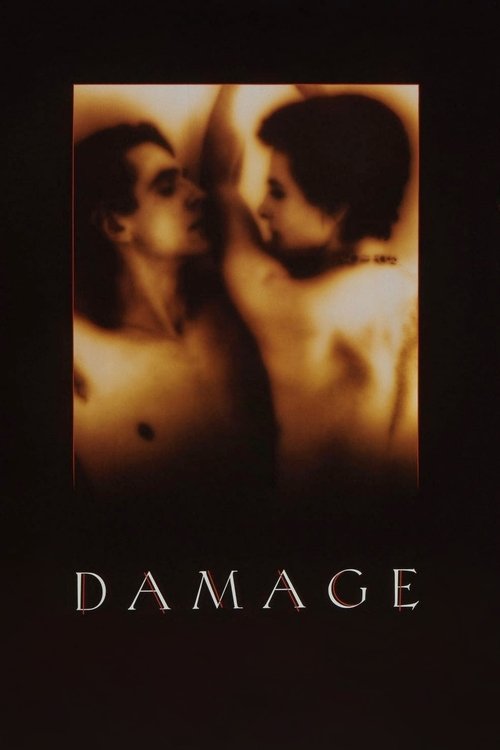
Damage1992
Jeremy Irons as a respectable politician undone by sexual obsession with his son's fiancée. Elegant, cruel, and anatomically honest about how reason abandons us. Juliette Binoche is magnificent.
But The eroticism is matter-of-fact rather than titillating, and the moral reckoning is bleak. Some find it cold.
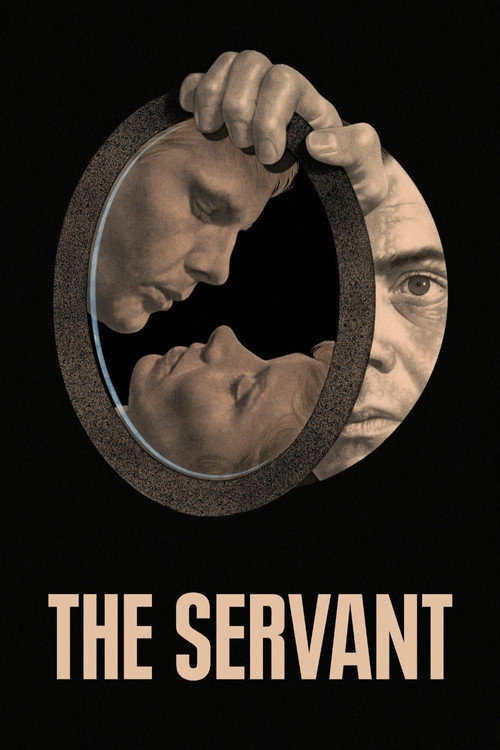
The Servant1963
Joseph Losey's masterpiece about power dynamics between employer and employee in a London townhouse. Like Laughter in the Dark, it's about who's really using whom, shot with Pinteresque precision and genuine menace.
But The class politics are specific to its era, and the pacing is deliberately slow. It doesn't explain itself.
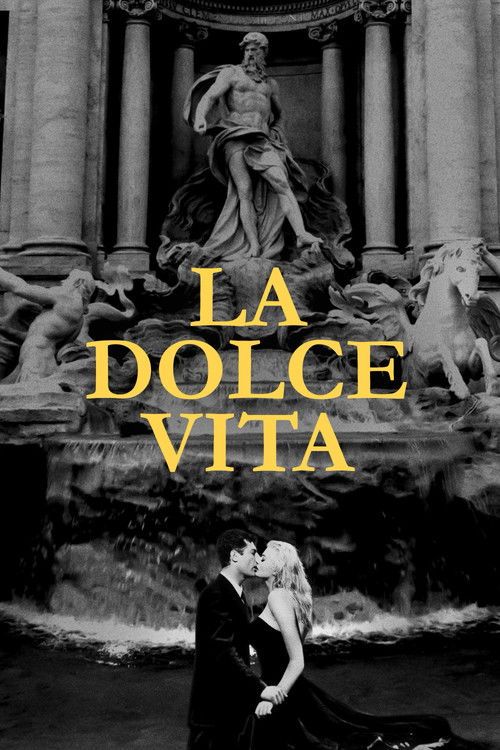
La Dolce Vita1960
Fellini's three-hour portrait of Rome's beautiful people and the men drawn into their orbit. Sumptuous, melancholic, and fascinated by surfaces hiding spiritual emptiness. The same era, different city, same moral vertigo.
But It's an episodic ramble rather than a plot, and it's in Italian. If you need narrative momentum, you'll fight it.
Not sure tonight? Get a pick in a minute, starting from Laughter in the Dark
The wildcard
Something you would not have found on your own.
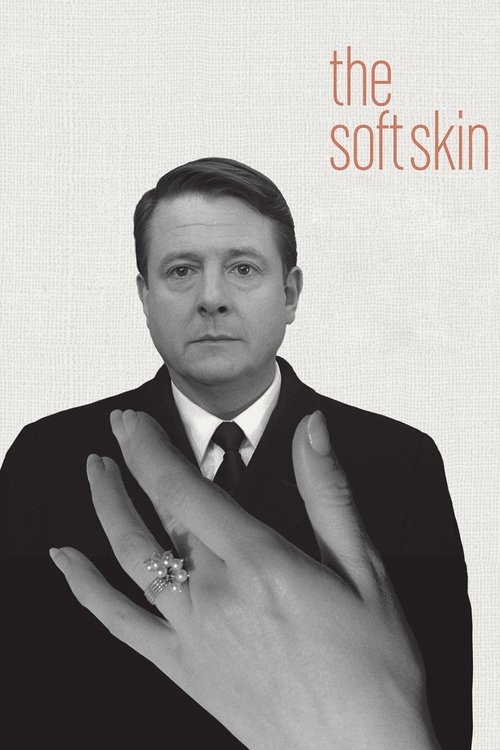
The Soft Skin1964
Both films are about desire as a form of dishonesty—not to others, but to yourself. The relationship in Truffaut's film is also parasitic, but told from inside the self-deception rather than outside it.
Truffaut's film about infidelity and the gap between fantasy and consequence. A man leaves his wife for a young airline hostess; the affair is petty, human, and devastating. Shot in black and white with Truffaut's usual tenderness for failure.
But It's French cinema from the mid-60s, so it moves at its own pace. The tragedy is quiet rather than dramatic.
More like this (8)
The Killing of a Sacred Deer2017
Yorgos Lanthimos on parasitism and debt—a man and his family held captive by obligation to someone younger. Methodical, architectural, morally poisoned. Modern but tonally closer to 1969 than you'd expect.
But It's deliberately artificial and the violence is shocking. Lanthimos won't let you settle into comfortable viewing positions.

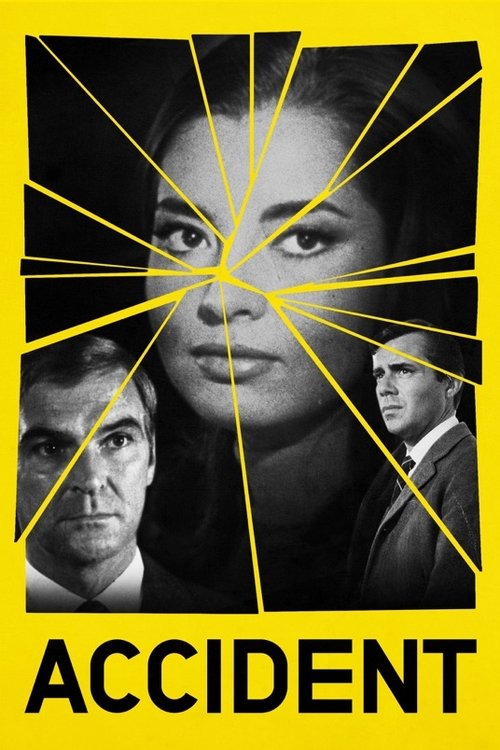
Accident1967
Another Losey gem. A Oxford don's calculated seduction of a student spirals into something neither controls. Intellectually rigorous about desire masquerading as mentorship. Dirk Bogarde and Stanley Baker are excellent.
But It's talky and the emotional payoff is ambiguous. The class dynamics won't resonate if you don't care about Oxbridge hierarchies.
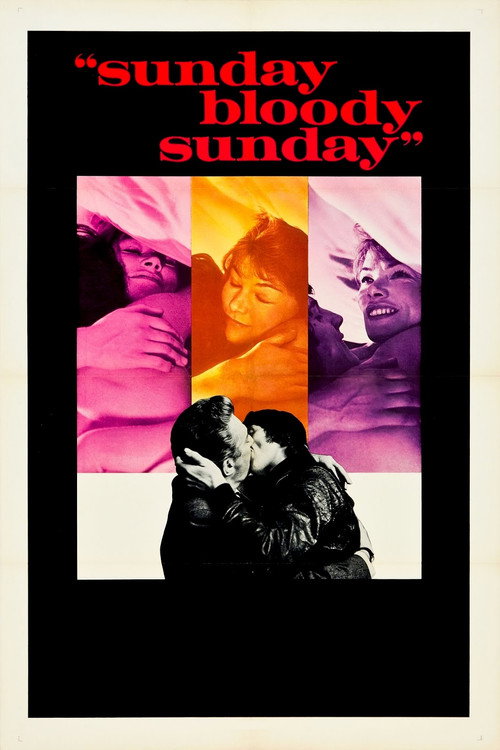
Sunday Bloody Sunday1971
John Schlesinger's film about two people—a man and a woman—who love the same beautiful, selfish younger man. It's sympathetic without excusing anyone. Glenda Jackson and Peter Finch are superb; the ending is honest.
But The love triangle never resolves into conventional drama. It's about acceptance of painful reality, not transcendence.
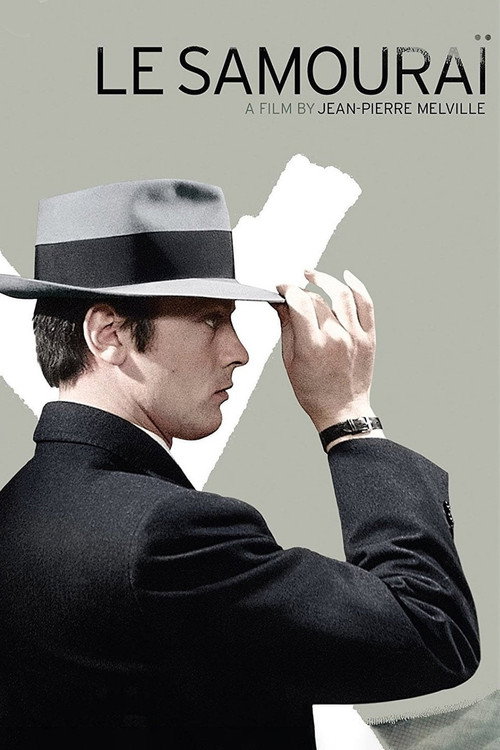
Le Samouraï1967
Melville's ice-cold portrait of a professional killer in Paris. Not about lust but about the same emptiness—a man whose identity is hollow ritual. Alain Delon's blank face is the whole point. Hypnotic.
But There's almost no dialogue and almost no plot. If you need character motivation spelled out, this will frustrate you.
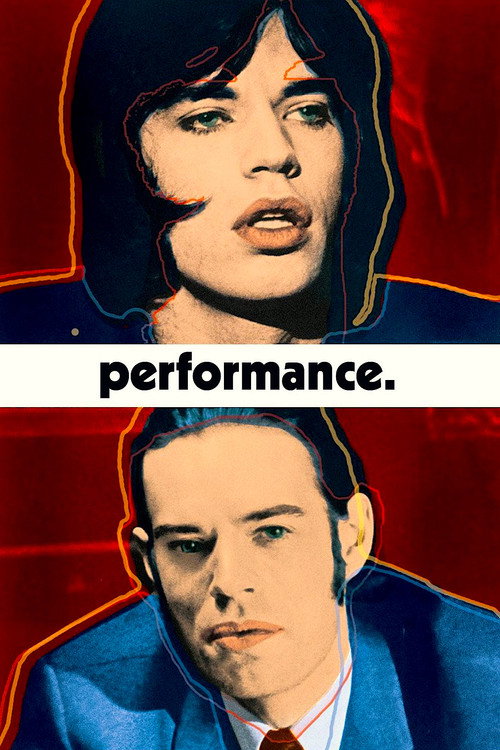
Performance.1970
Roeg and Cammell's hallucinogenic film about a gangster hiding in a rock star's house. Swinging London, identity dissolution, sex as transaction. Mick Jagger is genuinely unsettling. Raw and deeply strange.
But It's genuinely difficult to follow and the sexual content is transgressive. The experimental narrative structure irritates some viewers.
Bitter Lake2015
A lesser-known Curtis Harrington oddity about obsession and class. Not as polished as the others here, but it has the same DNA—watching someone destroy themselves for something they can't actually possess.
But It's genuinely obscure for a reason. The execution doesn't match the ambition, and it feels incomplete in ways that aren't intentional.
Prick Up Your Ears1987
Both examine how intimacy becomes a trap when desire and dependency tangle. Here, the young man escapes upward while his lover crashes—the inverse of Laughter in the Dark, but the underlying betrayal is the same.
Stephen Frears' biography of playwright Joe Orton, portrayed by Gary Oldman at white-hot intensity. Orton and his lover Halliwell mirror Laughter in the Dark's power imbalance, but inverted—the younger man rising while his older partner decays.
But It's explicit about sex and violence, and Halliwell's desperation is genuinely painful to watch. Not a comfortable film about tragic figures.
In the Mood for Love2000
Like Laughter in the Dark, it's about the eroticism of observation and fantasy rather than genuine connection. Both films understand that desire often has nothing to do with the actual person and everything to do with the story you tell yourself about them.
Wong Kar-wai's fever dream about two neighbors who discover their spouses are having an affair. Instead of confrontation, they act out a courtship, beautifully dressed, in cramped spaces. Longing without consummation. Hypnotic color and production design.
But It's deliberately artificial and repetitive—the same scenes shot differently. If you need plot momentum or emotional catharsis, it will seem glacial.

People
Cast
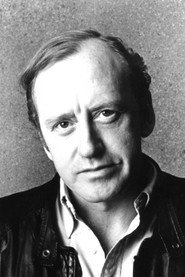 Nicol WilliamsonSir Edward More
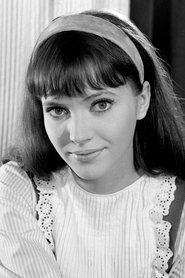 Anna KarinaMargot
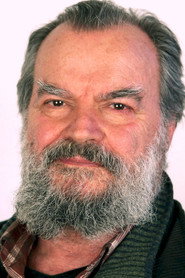 Jean-Claude DrouotHerve Tourace
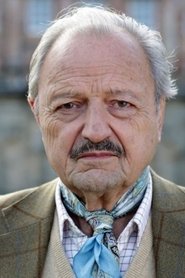 Peter BowlesPaul
 Siân PhillipsLady Pamela More
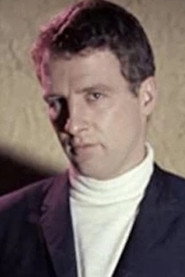 Sebastian BreaksBrian
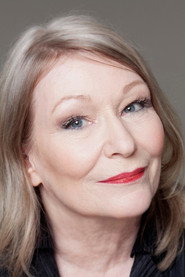 Kate O'TooleAmelia More
- Edward GardnerDriver
 Sheila BurrellMiss Porly
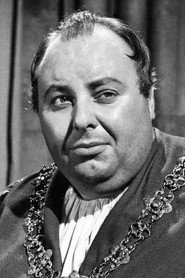 Willoughby GoddardColonel
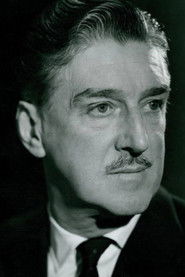 Basil DignamDealer
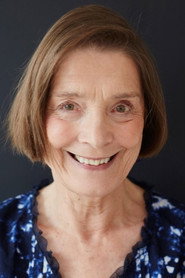 Philippa UrquhartPhilippa
Directing
- Tony RichardsonDirector
Writing
- Vladimir NabokovNovel
- Edward BondWriter
Production
- Elliott KastnerProducer
- Neil HartleyProducer