
Film
Betrayal
Other titles called Betrayal: the 2012 film, the 2013 series (ABC).
David Hare's 1983 adaptation of his own play about an affair between a literary agent and his best friend's wife. Told backwards, from the affair's aftermath to its beginning, it transforms a familiar betrayal into a chess game of revelation and complicity. Elegant, painful, and structurally dazzling—a film for anyone who understands that infidelity is rarely about passion alone.
Should you watch it?
Watch it if you love dialogue where what goes unsaid does most of the work, and enjoy sitting with the slow unpicking of a relationship through glances and pauses rather than action.
Skip it if you want plot momentum or warmth, since the people here are guarded and the talk is clipped, evasive and often chilly, so emotional access comes slowly.
What it asks of you: Brief at 95 minutes, it moves backward through time in steps, so you must keep track of the calendar while watching faces rather than events.
Not sure? Find tonight's pick in a minute.
If you liked this
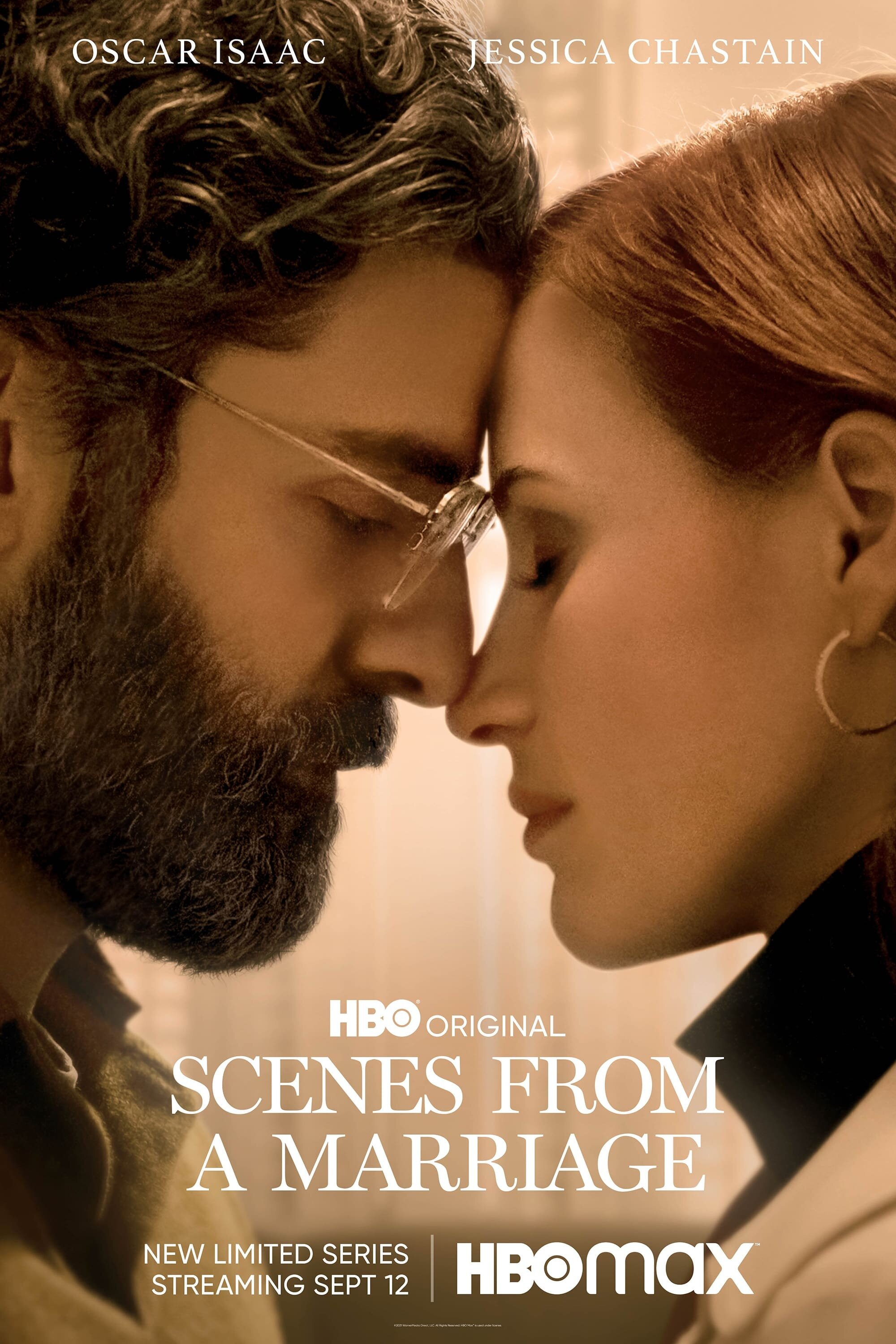
Scenes from a Marriage2021
Bergman's shattering dissection of a marriage's collapse, told through intimate conversations. Like Betrayal, it finds devastation in what's said and unsaid, but Scenes goes deeper into the erosion of love itself.
But It's Swedish television from 1973—three hours across six episodes, deliberately paced, with subtitles and a grainy picture. Modern viewers sometimes find it slow.
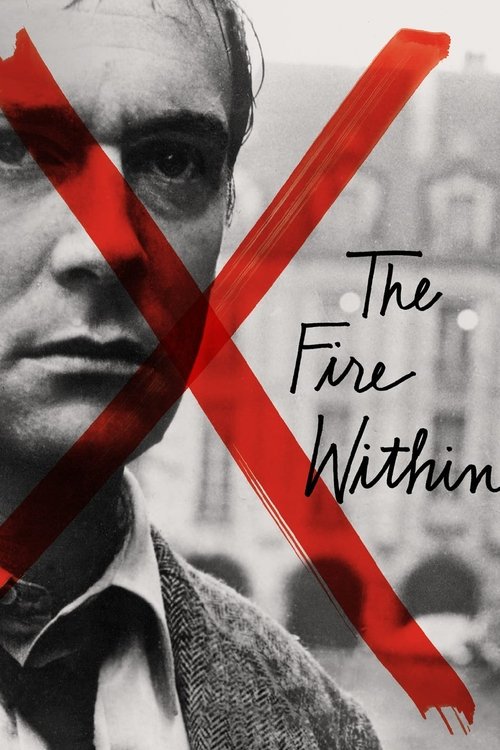
The Fire Within1963
Louis Malle's film about depression and disconnection among the educated bourgeoisie. Shares Betrayal's cold dissection of how intelligent people can be utterly lost and how affairs are symptoms, not causes.
But It's bleak without catharsis. The protagonist's despair is so complete that some find the film unbearable rather than cathartic.
Another Year2010
Mike Leigh's film about a happy marriage and the people around it who aren't. A masterclass in showing character through small moments and silence, with the same brutal intelligence Betrayal brings to infidelity.
But The happiness of the central couple can feel smugly positioned. Some viewers resent being made to watch perfect people judge their flawed friends.

Not sure tonight? Get a pick in a minute, starting from Betrayal
The wildcard
Something you would not have found on your own.
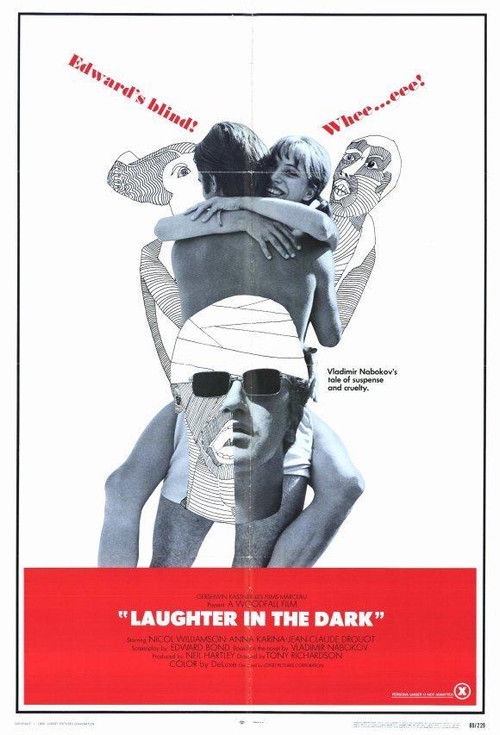
Laughter in the Dark1969
Both use affairs as a lens onto self-deception in intelligent people. But Nabokov's view is merciless and darkly funny, while Hare's is mournful and formally precise—the same story in opposite keys.
Tony Richardson's adaptation of Nabokov about an art dealer and a young actress—desire and betrayal seen through a novelist's savage, comic eye. Where Betrayal is spare, this is baroque and filthy; where Betrayal unfolds backwards, this crashes forward.
But It's dated in a very 1969 way, visually and sexually. The tone is unstable—sometimes tender, sometimes cruel—which can feel like tonal mess rather than ambiguity.
More like this (7)
Krisha2016
Ari Aster's debut about family fracture and unspoken resentments. Like Betrayal, it reveals that catastrophe often begins quietly, in what we fail to say to people we love.
But It's formally challenging and deeply depressing. The emotional gut-punch builds slowly and leaves you hollowed out.

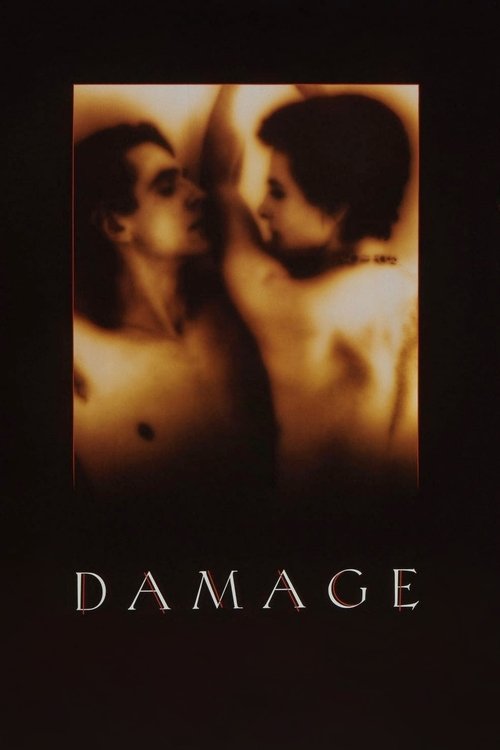
Damage1992
Louis Malle again, with Jeremy Irons (your film's lead) as a politician destroyed by an affair with his son's fiancée. It has the same fatalistic elegance and understanding that some betrayals are irreversible.
But The film is dour and moralistic in a way that can feel like punishment for the characters' desire. Some find it sexless and judgmental.
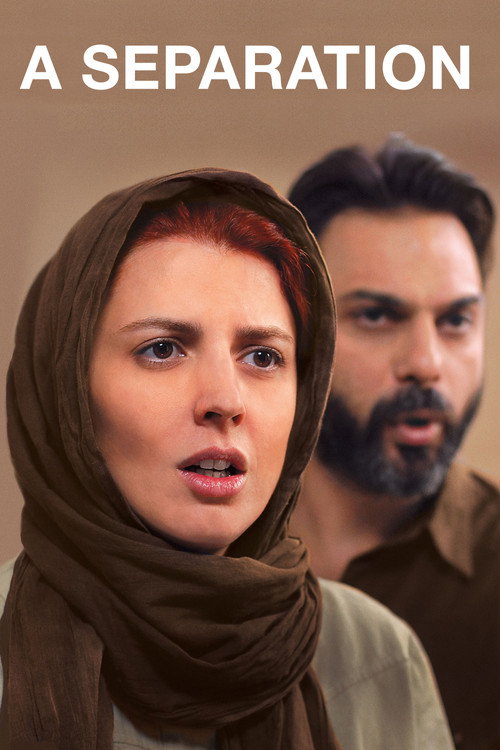
A Separation2011
Asghar Farhadi's extraordinary film about a marriage unravelling under legal and moral pressure. Shares Betrayal's clarity: good people can hurt each other while remaining, in their own eyes, good.
But The middle section becomes a legal thriller, which changes the rhythm. Some find the shift from intimacy to procedural jarring.
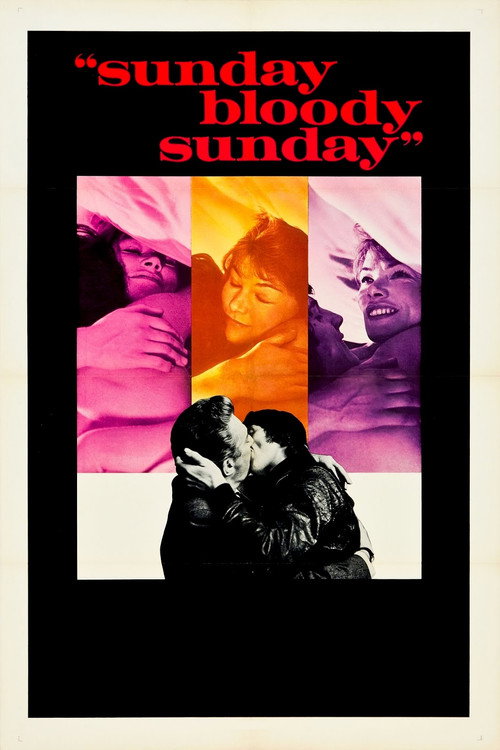
Sunday Bloody Sunday1971
John Schlesinger's film about two people in love with the same man, and what gets sacrificed for dignity. It has Betrayal's unflinching view of desire and its costs, with more warmth.
But It's a portrait of a doomed situation without resolution. If you need someone to be happy by the end, look elsewhere.
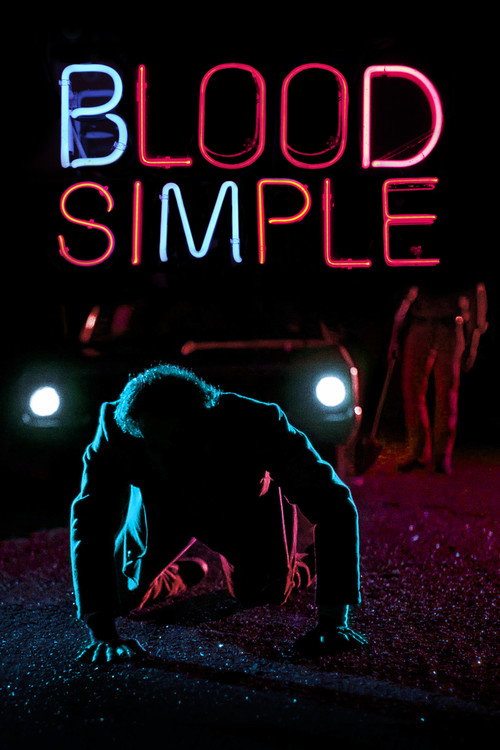
Blood Simple1985
The Coen Brothers' debut noir, where an affair sets off a chain of miscommunication and death. A distant cousin to Betrayal—the same thematic DNA, but filtered through crime and American darkness.
But It's a genre exercise disguised as character study. The violence and cynicism may feel at odds with the intimate moral questions.
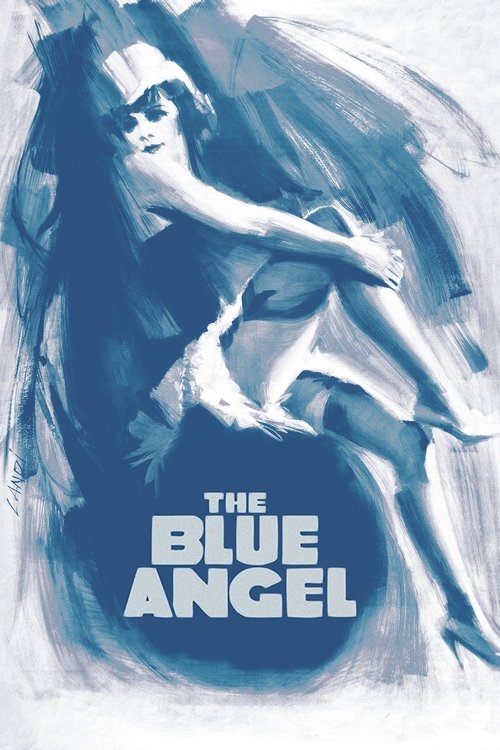
The Blue Angel1930
Both trace the collapse of a man's life through a woman he shouldn't want. Betrayal asks how it happens; Blue Angel shows the humiliation at the end of that path. One is cerebral; one is visceral ruin.
Sternberg's 1930 masterpiece about a professor destroyed by obsession with a cabaret singer. A Weimar-era ghost story about desire and class, with Betrayal's fascination with how much men will destroy for sex—but from the other side of history and morality.
But It's a silent-film-era German talkie with heavy expressionist staging. The misogyny is of its era, unironic and hard to stomach. And Jannings's performance is hammy by modern standards.
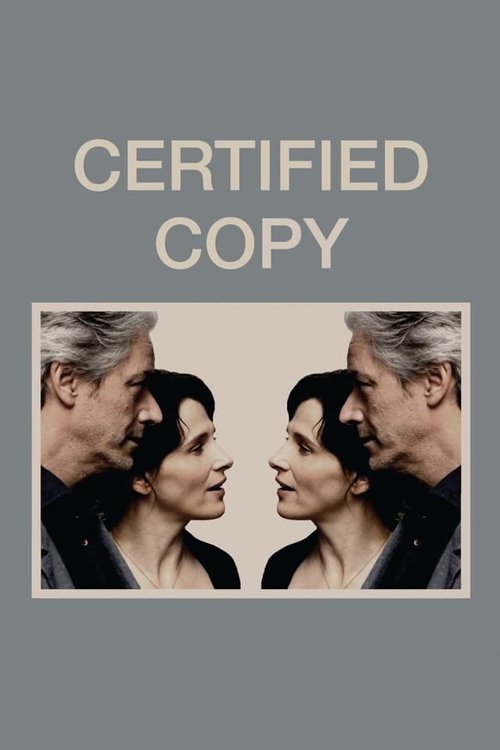
Certified Copy2010
Both are fascinated by how people perform for each other and whether authenticity even exists in intimate relationships. Betrayal reveals performance; Certified Copy asks whether there's anything beneath it. One is Brechtian dissection; the other is Sufi mystery.
Abbas Kiarostami's dialogue-driven film about an art historian and a woman who may or may not be his wife, meeting by accident and roleplaying their relationship. It uses the structure of performance and imitation to ask whether betrayal and love are even different things.
But It's abstract and philosophical, more interested in ideas than plot. If you want clear narrative momentum, you'll find it frustrating and airless.
People
Cast
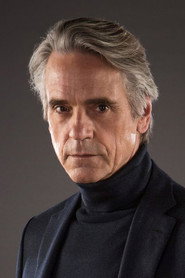 Jeremy IronsJerry
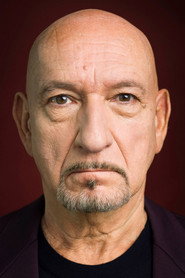 Ben KingsleyRobert
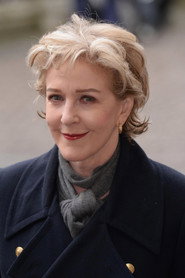 Patricia HodgeEmma
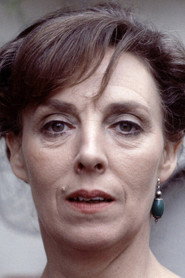 Avril ElgarMrs. Banks
- Ray MarioniWaiter
- Chloe BillingtonCharlotte Age 5
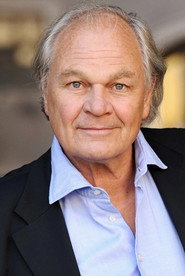 Michael KönigNed Age 2
 Lucien MorganMan in Party (uncredited)
- Alexander McIntoshNed Age 5
Directing
- Pamela DaviesContinuity
- David Hugh JonesDirector
Writing
- Harold PinterWriter
Production
- Sam SpiegelProducer
Recommended by
Closer, Before I Go to Sleep, Two Girls and a Guy, A Man in Love, Twin Peaks: Fire Walk with Me, The Birthday Party, Plenty, Black Widow, The Honorary Consul, The Seagull, Miss Julie, Nathalie..., The Woman Next Door