
Film
Plenty
Meryl Streep is a former French Resistance fighter trying to build a life in 1950s Britain, only to discover that peacetime brings its own kind of damage. David Hare's adaptation of his own play is austere, psychologically acute, and uninterested in comforting narrative resolution. It's for viewers willing to sit with disillusionment and ambiguity.
If you liked this
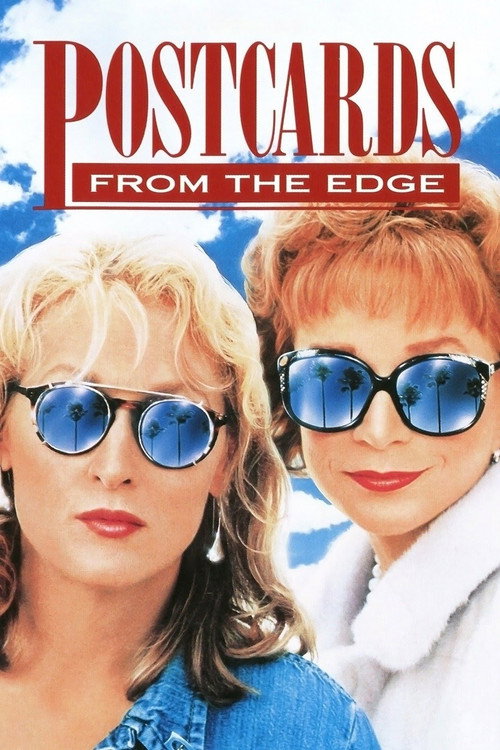
Postcards from the Edge1990
Meryl Streep again, this time lighter but still unflinching about female vulnerability. Mike Nichols directs with the same intelligence Hare brings to character damage, and Shirley MacLaine is magnificent as her mother.
But It pivots toward warmth and recovery, so if you want Streep in pure anguish, this gentles the blow.
The Remains of the Day1993
Another Hare screenplay about a life constructed on suppression and misdirected duty. Anthony Hopkins and Emma Thompson excavate the tragedy of people too trained to feel their own heartbreak until it's too late.
But Glacial pacing. If you need momentum or plot momentum, this moves at the speed of regret.

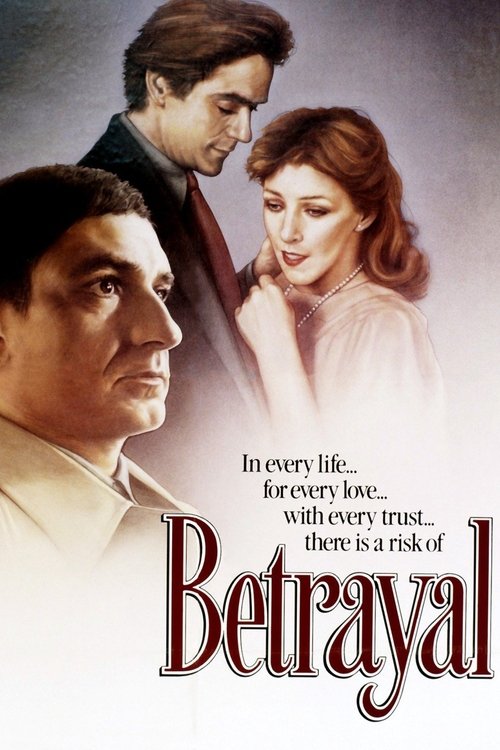
Betrayal1983
Hare's obsession with how relationships corrode is here too, told backwards so you watch trust disintegrate in real time. Ben Kingsley and Patricia Hodge are exquisitely brittle together.
But Very 1980s in texture, and the conceit can feel clever rather than moving if you're not in the right headspace.
Not sure tonight? Get a pick in a minute, starting from Plenty
The wildcard
Something you would not have found on your own.
Stalker1979
Both films treat yearning as a tragedy inherent to consciousness itself, not a problem that solves.
Tarkovsky's three-hour meditation on desire, disappointed hope, and the impossibility of meaningful change. Structurally opposite—Plenty is contemporary and intimate, Stalker is philosophical and vast—but both interrogate whether the life we want can ever exist.
But It moves at the speed of someone thinking very hard about something very sad. Long takes, minimal plot, and the ending offers no resolution or catharsis.

More like this (8)
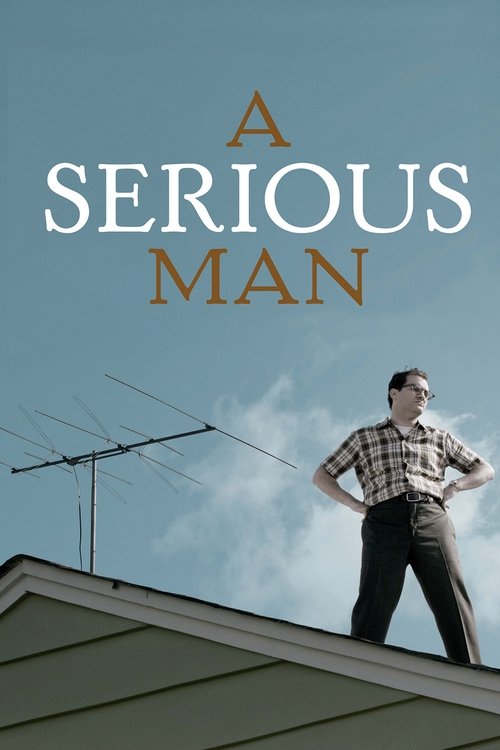
A Serious Man2009
Another portrait of someone trying to live a conventional life while the world refuses to cooperate. The Coens are ice-cold about absurdity and suffering, which shares Hare's refusal to look away.
But Denser and more allegorical. You have to work harder, and there's no emotional payoff waiting for you at the end.
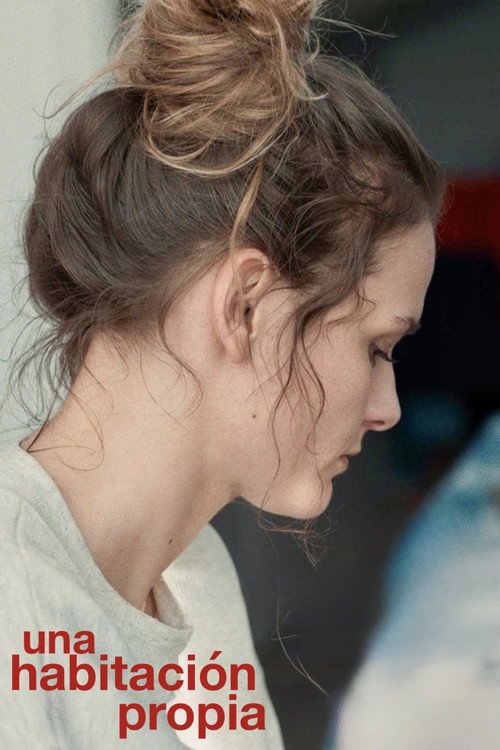
A Room of One's Own2019
Agnès Varda's late essay-film about a woman driving through France processing time, money, and the life you thought you'd have. Quieter than Plenty but the same melancholy archaeology.
But It's more documentary than drama. Footage of real landscapes, not narrative incident. Some find it meditative; others find it slow.
Under the Skin2014
Scarlett Johansson in Nic Refn's study of female alienation and the gulf between surface and interior. Cryptic and hypnotic, it shares Plenty's interest in female interiority as a mystery rather than a puzzle to solve.
But Wilfully opaque. You'll leave with questions the film has no interest in answering, which infuriates many viewers.

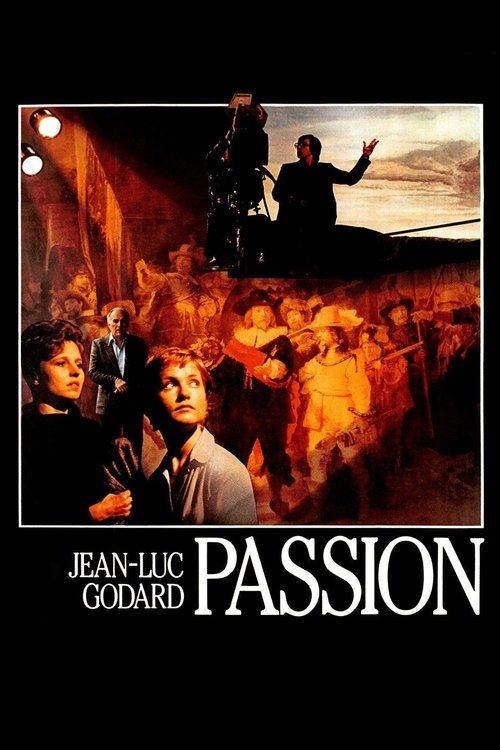
Godard's Passion1982
Godard examining desire, creation, and the gap between what we dream and what we do. Like Hare, he's interested in the violence beneath surfaces and the exhaustion of trying to connect.
But Godard's approach is destructively intellectual. If you want narrative coherence or warmth, this will actively resist you.
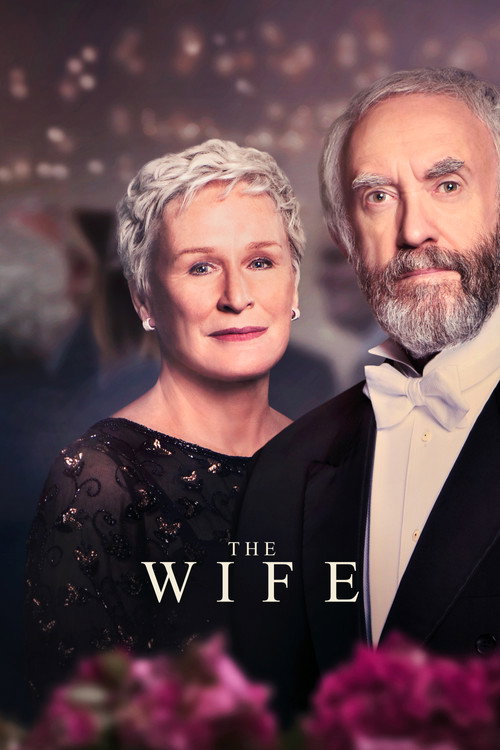
The Wife2017
Glenn Close as a woman who built her life in someone else's shadow. Restrained until it isn't, it captures the specific humiliation of compromised ambition and the price of loyalty.
But Hinges on a late revelation that can feel manipulative if you're already tired of the premise.
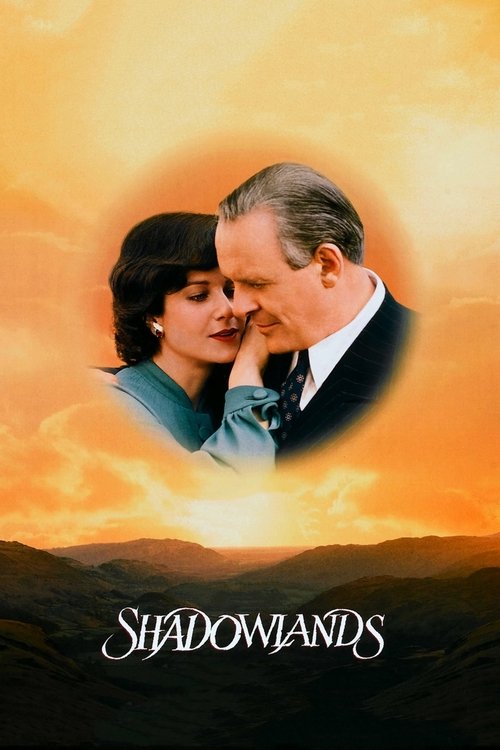
Shadowlands1993
Anthony Hopkins again, now grieving. Richard Attenborough's film about C.S. Lewis and Joy Davidman is about how love and loss rewrite you. It has the same emotional precision as Plenty, just less bleak.
But Softer and more consoling, which is exactly why it might feel like a betrayal if you're after Hare's resistance to comfort.
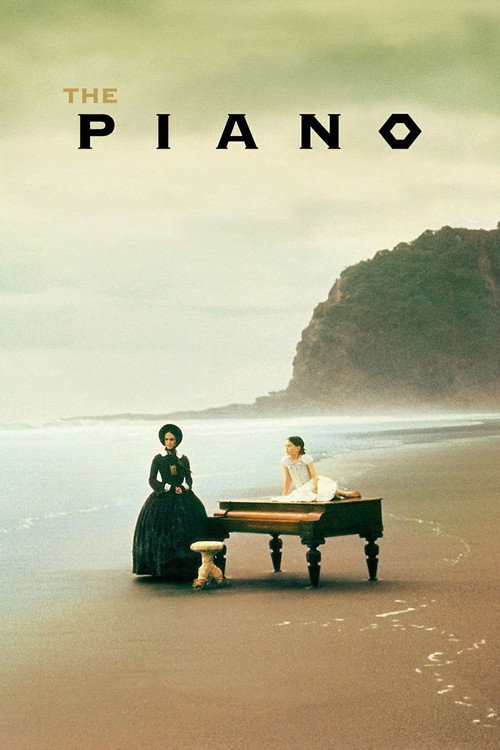
The Piano1993
Both interrogate what it means for a woman to want something badly in a world structured to prevent her having it. Both reserve the interior life as unknowable.
Jane Campion's film about a mute Scottish woman transported to colonial New Zealand, learning desire and negotiation through music. Sensory, strange, and preoccupied with female interiority as something dangerous and incommunicable.
But Gothic and elliptical. The emotional logic is intuitive rather than rational, which some find brilliant and others find pretentious.
In the Mood for Love2000
Both use constraint and formality as the subject itself: what happens when people cannot or will not speak what they feel. Both are tragedies of reticence.
Wong Kar-wai's 1960s Hong Kong love story told almost entirely through what isn't said or touched. Formally exquisite and emotionally precise about the gap between desire and its expression—the same gap that crucifies Streep's character.
But Very slow, very pretty, very mannered. The emotional beats are conveyed through colour and composition, not dialogue, and that abstraction alienates plenty of viewers.

People
Cast
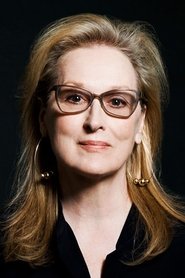 Meryl StreepSusan Traherne
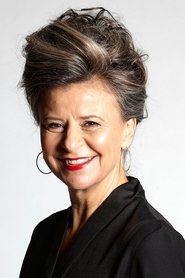 Tracey UllmanAlice Park
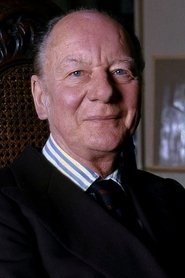 John GielgudSir Leonard Darwin
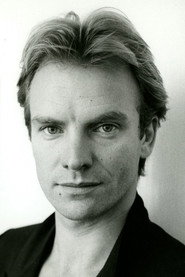 StingMick
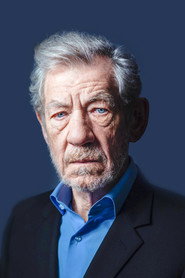 Ian McKellenSir Andrew Charleson
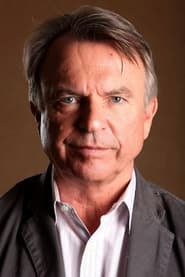 Sam NeillLazar
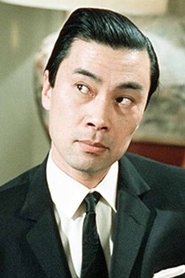 Burt KwoukMr. Aung
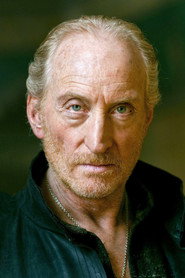 Charles DanceRaymond Brock
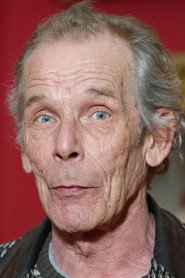 Christopher FairbankSpencer
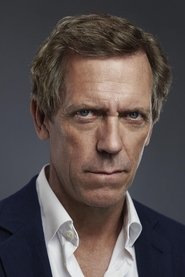 Hugh LaurieMichael
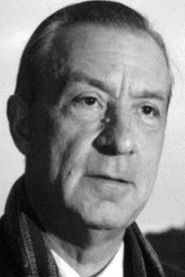 John SerretFrench Farmer
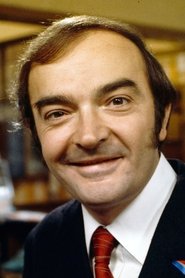 André MaranneVillon
Directing
- David TringhamAssistant Director
- Michael StevensonAssistant Director
- Fred SchepisiDirector
- Ken ShaneThird Assistant Director
Writing
- David HareScreenplay
- David HareTheatre Play
Production
- Edward R. PressmanProducer
- Joseph PappProducer