
Film
Godard's Passion
Godard's 1982 meta-film collapses the boundary between cinema and reality. A director shoots a period drama while obsessing over a fired factory worker's political struggle. It's fractured, digressive, maddening—part essay, part melodrama, part fever dream. For viewers who prize provocation and formal invention over narrative comfort.
Should you watch it?
Watch it if you love films that talk about their own making, where Godard's restless cutting, long tracking shots and fragments of painting and music turn a simple story into an argument about images and labor.
Skip it if you want a story that stays put and builds momentum, because this one drifts between rehearsals, arguments on set and dim factory scenes, and its ideas can feel more insistent than they are engaging.
What it asks of you: It runs about 87 minutes but feels looser than that, asking you to hold several threads at once and to stay patient when the camera lingers on a single gesture for a long while.
Not sure? Find tonight's pick in a minute.
If you liked this
Contempt1963
Godard's masterpiece about filmmaking's soul, with Brigitte Bardot at its luminous centre. If you're curious about Godard, start here: it's visually ravishing and humanly urgent in ways his later work abandons.
But The plot grinds to a halt for philosophical debate. Some find it beautiful; others find it tedious. The ending is devastating in a way that feels almost cruel.

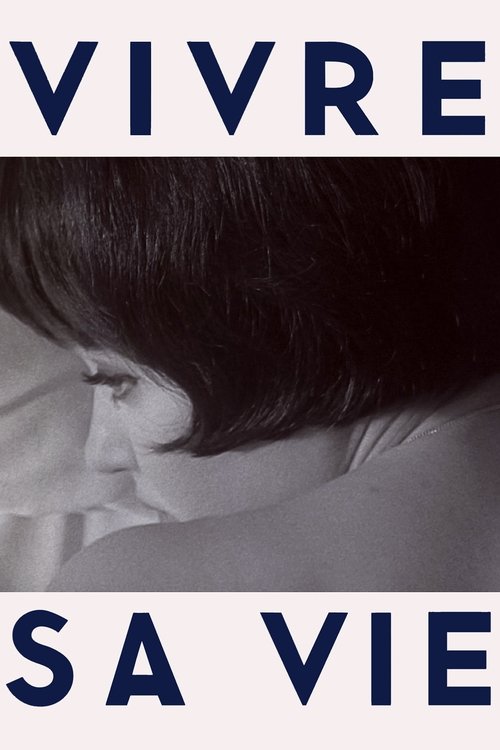
Vivre Sa Vie1962
Anna Karina as a woman adrift in Paris, filmed with Godard's early radical clarity. Each scene a tableau, each cut a thought. Intimate and distant at once—completely hypnotic.
But At 85 minutes it feels longer. There's very little plot, and what there is ends in ways that won't comfort you. The numbering of scenes feels like a provocation.
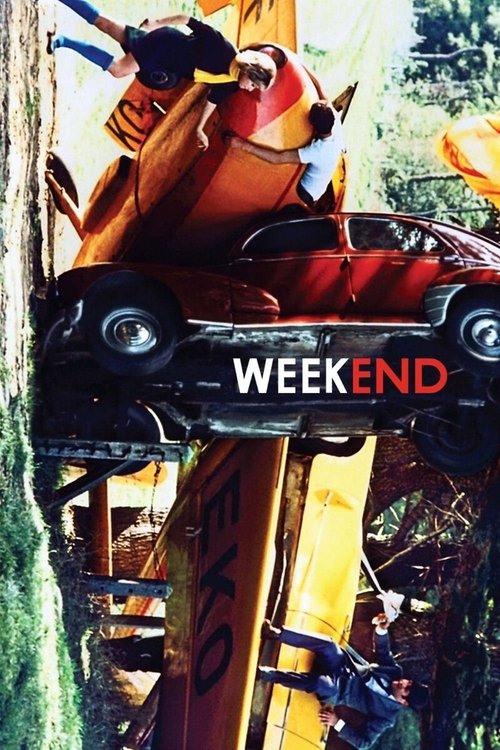
Weekend1967
Godard at his most savage: a weekend trip through a collapsing France becomes apocalypse. Black comedy, car crashes, cannibals, and the famous traffic jam. Gloriously angry and inventive.
But It's visceral and grotesque—not difficult in the way Passion is, but ugly and confrontational. Some scenes are genuinely hard to watch. No one leaves this film happy.
Not sure tonight? Get a pick in a minute, starting from Godard's Passion
The wildcard
Something you would not have found on your own.
La Haine1995
Both films collapse the line between formal experiment and political urgency. Both use cinema to ask what responsibility filmmakers have to the world beyond the frame.
Mathieu Kassovitz's black-and-white fury about three young men in the Paris banlieue. Like Godard, it's a film about cinema and politics that refuses false comfort. Visually and morally uncompromising.
But It's brutal and angry without irony or distance. The ending is a gut-punch. Some find it preachy; others find it righteous. Your reading of that ambiguity will determine everything.

More like this (7)
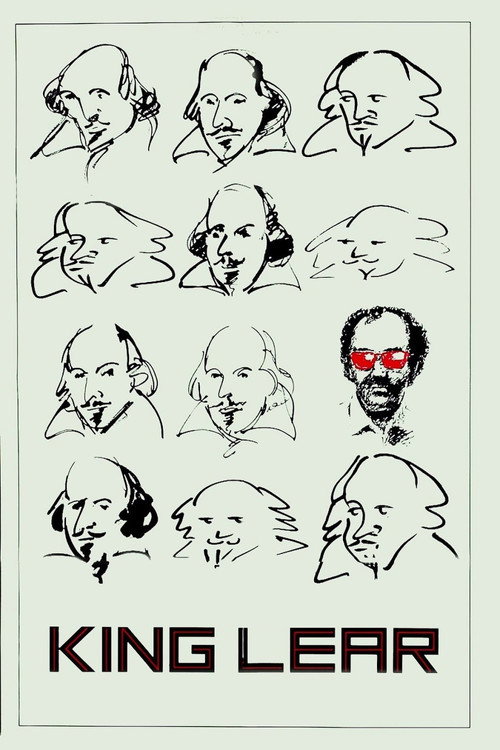
King Lear1988
Godard remakes Shakespeare as fractured video collage. Incomprehensible on first viewing, yes—but it's a radical experiment in what cinema can do when it stops pretending to cohere.
But This is forbidding even by Godard standards. It will feel like punishment to most viewers, and you shouldn't feel ashamed if you abandon it.
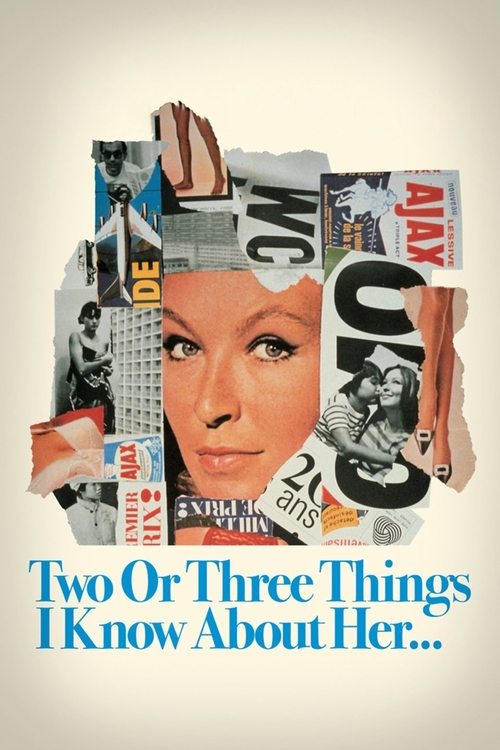
2 or 3 Things I Know About Her1967
Paris as text, housewife as cipher, cinema as thought. Godard films the city like he's reading it, with Paris-match cuts and Brechtian interruptions. Formally audacious and strangely moving.
But The 'plot' is negligible. The essay-film form feels dated now in ways it didn't then. Patience is non-negotiable.
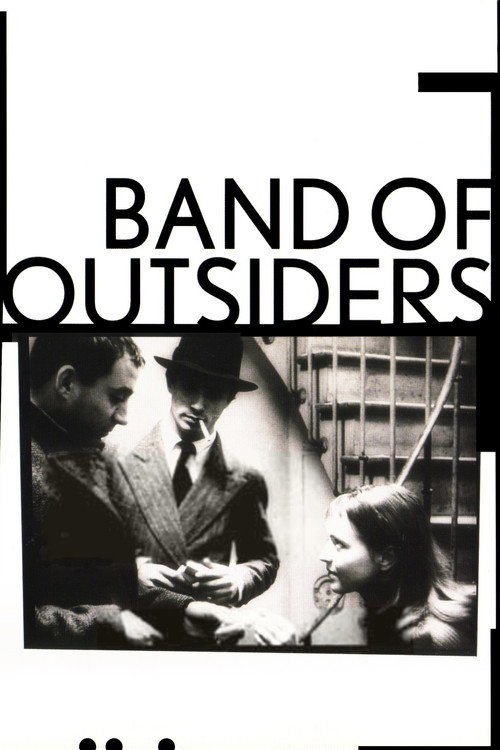
Band of Outsiders1964
Godard's most accessible work: a heist film with three beautiful, doomed young people. The café dance sequence alone justifies the watch. It's playful, tragic, and genuinely romantic.
But It's Godard-lite, which means it's still formally restless. If you want a straight heist movie, this will frustrate you. Some viewers find it slight.
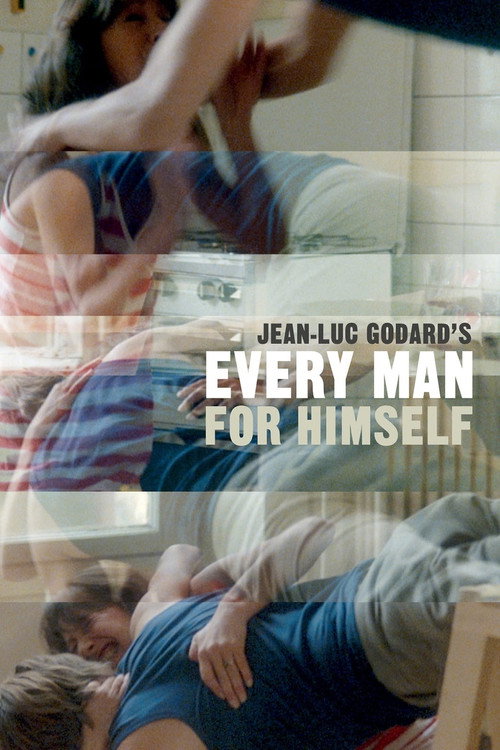
Every Man for Himself1980
Godard returns after years away with a portrait of three Parisians drifting through late capitalism. Fragmented, sensual, formally inventive without the essay-film grandstanding of his 60s work.
But Even shorter at 87 minutes, it manages to feel shapeless. The narrative—what there is—won't satisfy conventional expectations. It's almost aggressively disconnected.
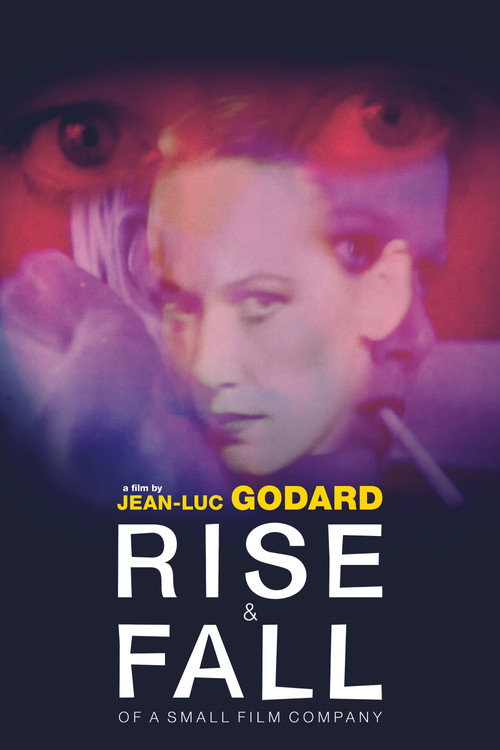
Rise and Fall of a Small Film Company1986
An hour-long TV essay about cinema's death, disguised as a mystery. Godard at his most philosophical and least patient. If late Godard calls to you, this is essential.
But It's a TV essay—dry, circling, deliberately unseductive. The 'mystery' is a pretext for argument. You'll need to be in the mood for Godard's most austere register.
Sans Soleil1983
Both Godard and Marker use cinema as an instrument of thought rather than narrative. Both believe the political work of cinema happens in its form, not its story.
Chris Marker's essay-film documentary, made the year after Passion, is a meditation on memory, image, and what cinema can actually say about politics and time. Visually intoxicating, philosophically rich.
But It's a 100-minute voiceover over footage from around the world. No conventional narrative. Some sequences repeat. It requires the kind of active watching most films don't demand.

A Prophet2009
Like Passion, it's interested in how individuals navigate systems of power that precede and exceed them. Both films trust cinema to think through politics rather than illustrate it.
Jacques Audiard's visceral prison drama follows a young man's rise through brutality and political necessity. It's formally alive—edited with kinetic precision—and politically serious in a way that feels earned.
But At 155 minutes, it's long and relentless. The violence is not stylized; it's matter-of-fact and exhausting. It offers no catharsis, and some viewers will feel punished by that refusal.

People
Cast
 Isabelle HuppertIsabelle
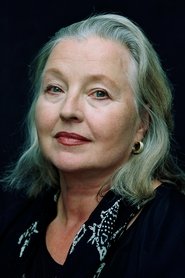 Hanna SchygullaHanna
 Michel PiccoliMichel Boulard
 Jerzy RadziwiłowiczJerzy
 Szabó LászlóLaszlo
 Jean-François StéveninLe machino
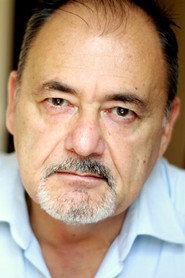 Patrick BonnelBonnel
- Sophie LucachevskiScript-girl

 Myriem RousselMyriem
- Magali CamposMagali
Directing
- Lee Collver-RichardsAssistant Director
- Jean-Luc GodardDirector
- Alain TasmaFirst Assistant Director
- Lydie MahiasScript Supervisor
- Gérard RueySecond Assistant Director
- Bertrand TheubetThird Assistant Director
Writing
- Jean-Claude CarrièreWriter
- Jean-Luc GodardWriter
Production
- Michelle CretelAdministration
- Alain SardeProducer
- Daniel R. SuhartProduction Assistant
- Armand BarbaultProduction Manager
- Catherine LapoujadeProduction Manager
- Martine MarignacProduction Manager
- Danielle TholoméProduction Secretary
- Mickey CottrellPublicist
- Daniel ChevalierUnit Manager
- Ruth WaldburgerUnit Manager
Recommended by
The Stunt Man, The Draughtsman's Contract, Shadow of the Vampire, A Chef's Life, 9 Songs, Tomorrow, Blank City, Plenty, Thriller, Lucía, Irma Vep, The Immortal Story, Wandering Stars, For Ever Mozart, The Man in Grey, Not Reconciled, The Lickerish Quartet, The State of Things, Sweet Liberty, Dance with a Stranger