
Film
Shadow of the Vampire
A darkly witty fantasy about the making of Nosferatu, imagining that F.W. Murnau's 1922 masterpiece starred an actual vampire. John Malkovich and Willem Dafoe embody obsession and monstrosity as director and actor in a film that's both love letter to cinema and Gothic horror. It's for anyone who loves the meta-theatrical spaces where art and dread collide.
Should you watch it?
Watch it if you enjoy stories about obsession and craft, where a film set turns into its own strange, darkly funny little world and the line between performance and reality keeps blurring.
Skip it if you want a straightforward horror chiller, since this is more a slow, talky backstage study that rarely pushes its scares forward.
What it asks of you: Patience mostly, with a deliberate, unhurried rhythm and plenty of quiet set-up; its jokes and unease arrive at a measured pace across about ninety-five minutes.
Not sure? Find tonight's pick in a minute.
If you liked this
Nosferatu1922
The original silent vampire film that Shadow playfully deconstructs. Haunting, visually revolutionary, and the source of everything this film loves. Essential context that deepens every frame of Murnau's story.
But Silent films move at a glacial pace, and the print quality can feel fragmented. It demands patience and won't hold you the way a modern thriller does.

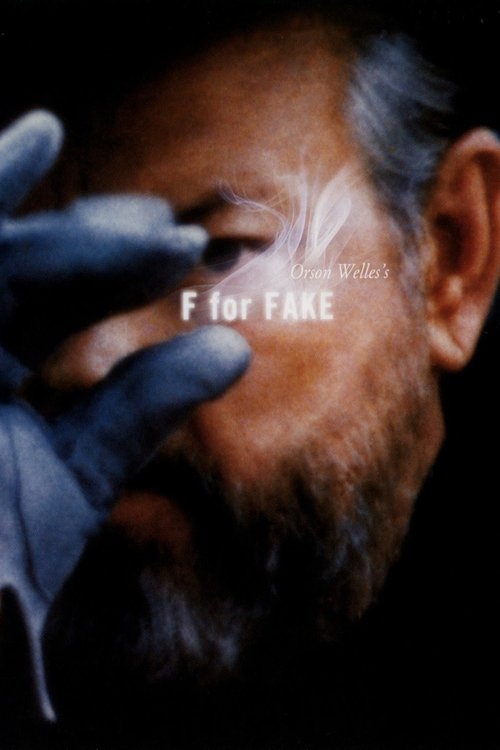
F for Fake1973
Orson Welles' documentary essay about fraud, authorship, and the blurred line between truth and spectacle. Like Shadow, it's obsessed with how we're seduced by the artifice of cinema itself.
But It's deliberately fragmented and slippery—the narrative refuses to sit still. Some find it clever; others find it exhausting.
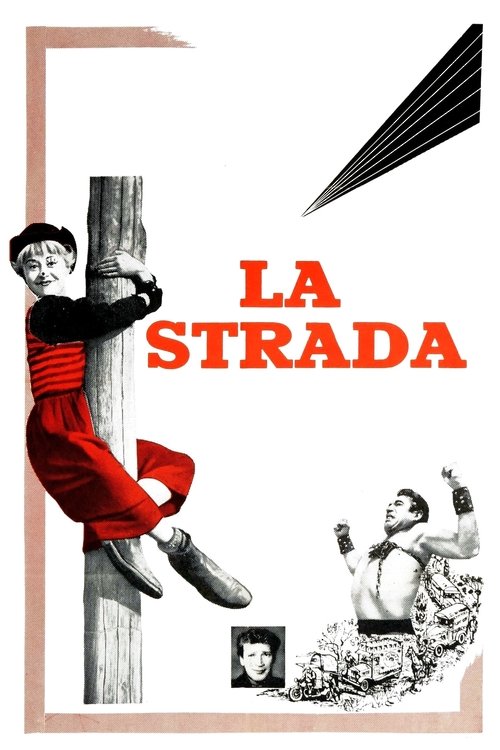
La Strada1954
Fellini's poetic exploration of art, exploitation, and a performer's parasitic relationship with his muse. Dafoe's vampire mirrors the central predatory dynamic here, but with baroque melancholy instead of Gothic dread.
But It's deeply sad and moves at its own meditative pace. The Italian neorealism aesthetic feels remote to contemporary viewers.
Not sure tonight? Get a pick in a minute, starting from Shadow of the Vampire
The wildcard
Something you would not have found on your own.
The Act of Killing2012
Both examine cinema as a place where evil and art become indistinguishable, where performance can be a form of damnation rather than transcendence.
A documentary where accused Indonesian war criminals stage and perform recreations of their own atrocities. Like Shadow, it explores how cinema can blur the line between imagination and monstrosity, performance and complicity. Deeply unsettling meditation on how we perform ourselves into being.
But Graphically violent and morally vertiginous. Watching monsters perform their cruelty as entertainment is difficult in ways that stick with you.

More like this (8)
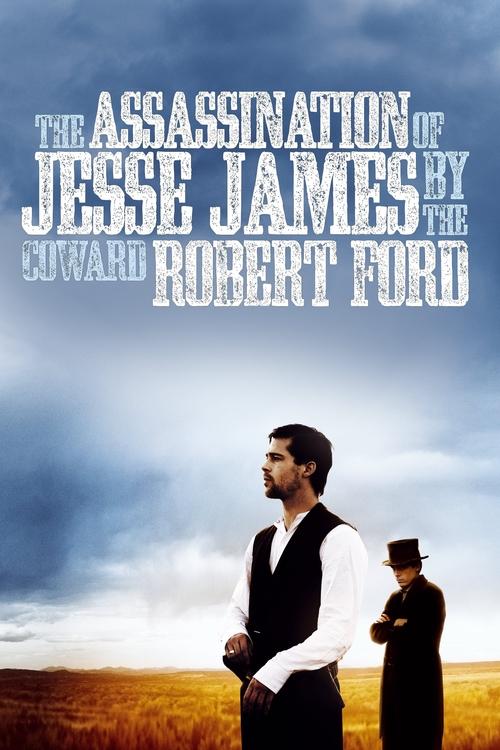
The Assassination of Jesse James by the Coward Robert Ford2007
An obsessive chamber piece about a man captivated by a legend. Roger Deakins' cinematography and the psychological suffocation recall Shadow's claustrophobic intensity and its fascination with performance.
But Deliberately paced, nearly three and a half hours, and more interested in mood than plot. Some will find it glacial.
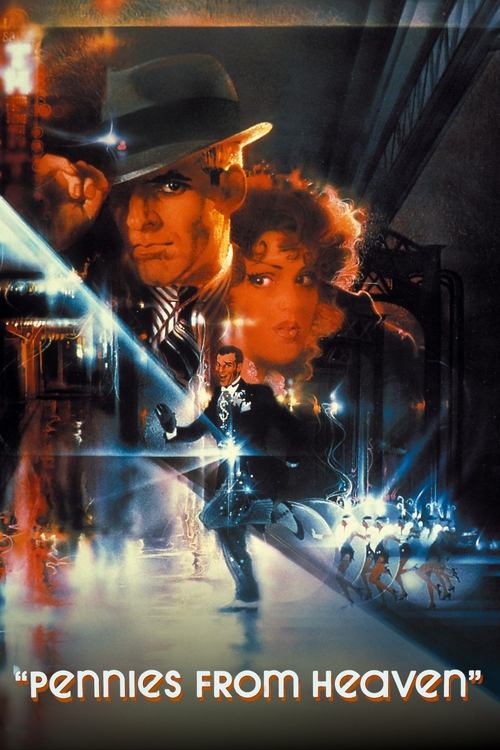
Pennies from Heaven1981
A desperately dark drama where fantasy and reality collide, with Hollywood-golden imagery masking cruelty. It shares Shadow's interest in cinema as a place where desire and damnation meet.
But Bleak in ways that can feel emotionally punishing. The tonal shifts between fantasy and brutality are unsettling by design.
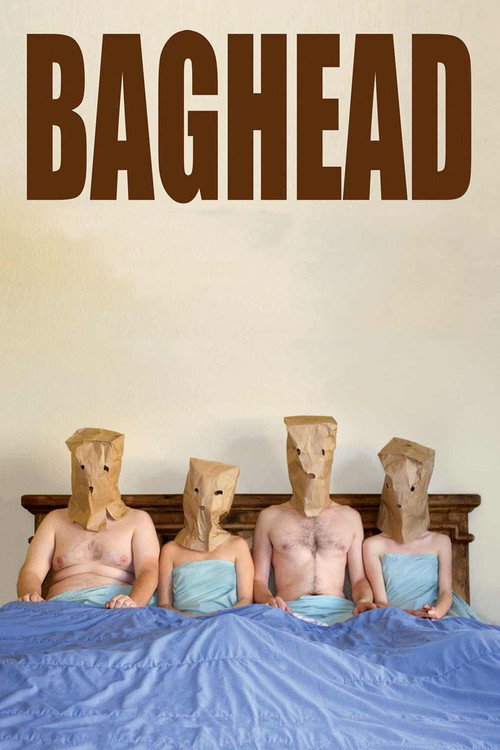
Baghead2008
Four actors trapped in a cabin with the terrifying possibility that the monster hunting them is real. It's a film about performance anxiety and the horror of trying to sustain a role, much like Shadow's central conceit.
But Low-budget and deliberately claustrophobic. The found-footage elements feel amateurish, which is intentional but not everyone's cup of tea.
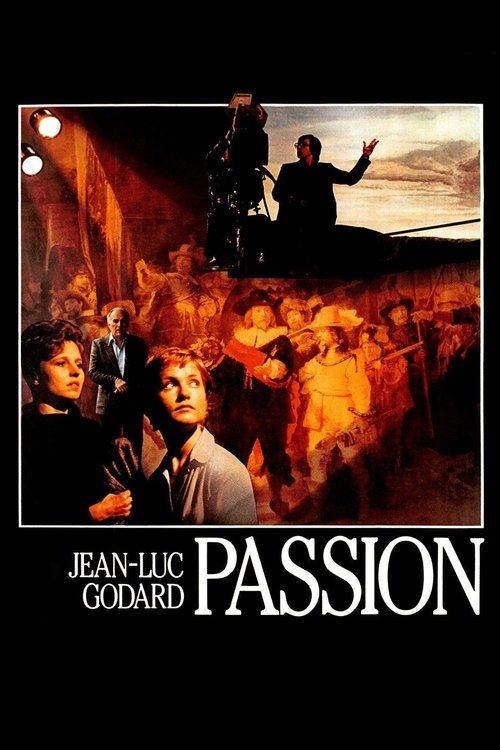
Godard's Passion1982
A filmmaker obsessed with capturing the perfect image, willing to sacrifice everything—including his marriage—for his vision. It shares Shadow's fascination with the Faustian bargain at cinema's heart.
But Godard's work can feel impenetrable. This one is fragmented, essayistic, and makes no attempt to please conventional narrative expectations.
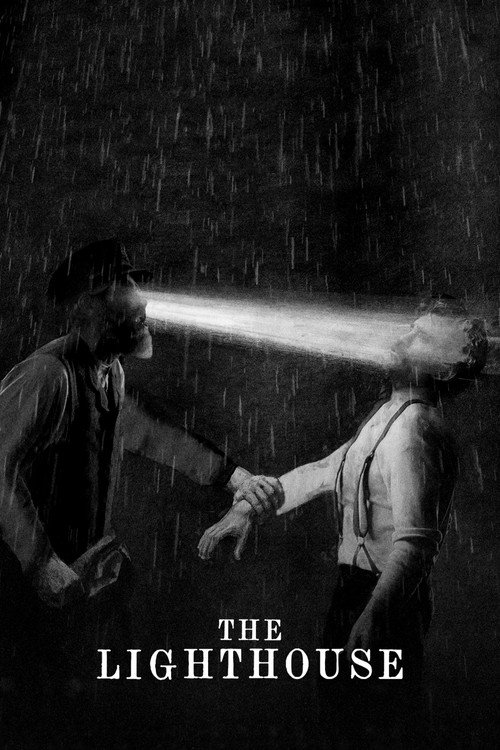
The Lighthouse2019
Two men in close quarters spiral into obsession and madness. The black-and-white cinematography, claustrophobic intensity, and exploration of performance echo Shadow's psychological horror and its interest in fractured reality.
But Oppressive and deliberately inaccessible. Dafoe's accent is difficult, and the film offers no catharsis or warmth.
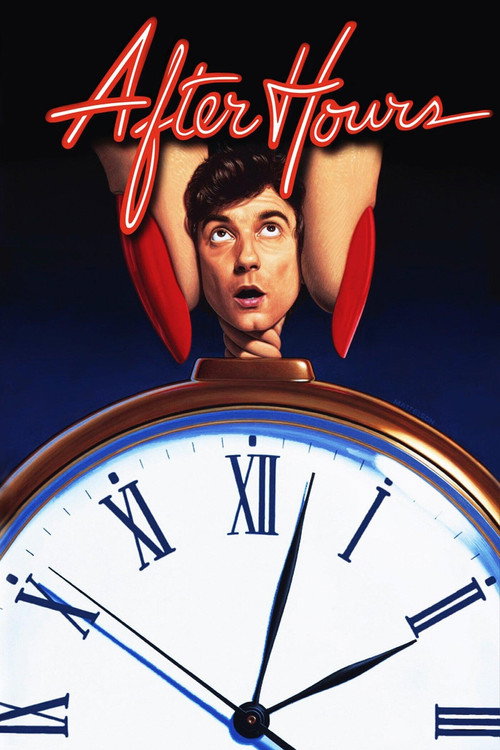
After Hours1985
Scorsese's surreal nightmare about a man trapped in a fever dream version of New York. Like Shadow, it's a descent into Gothic horror through meticulously constructed artifice, darkly comic and nightmarish.
But Deliberately disorienting and cruel to its protagonist. The humor is queasy, and it doesn't resolve so much as evaporate.
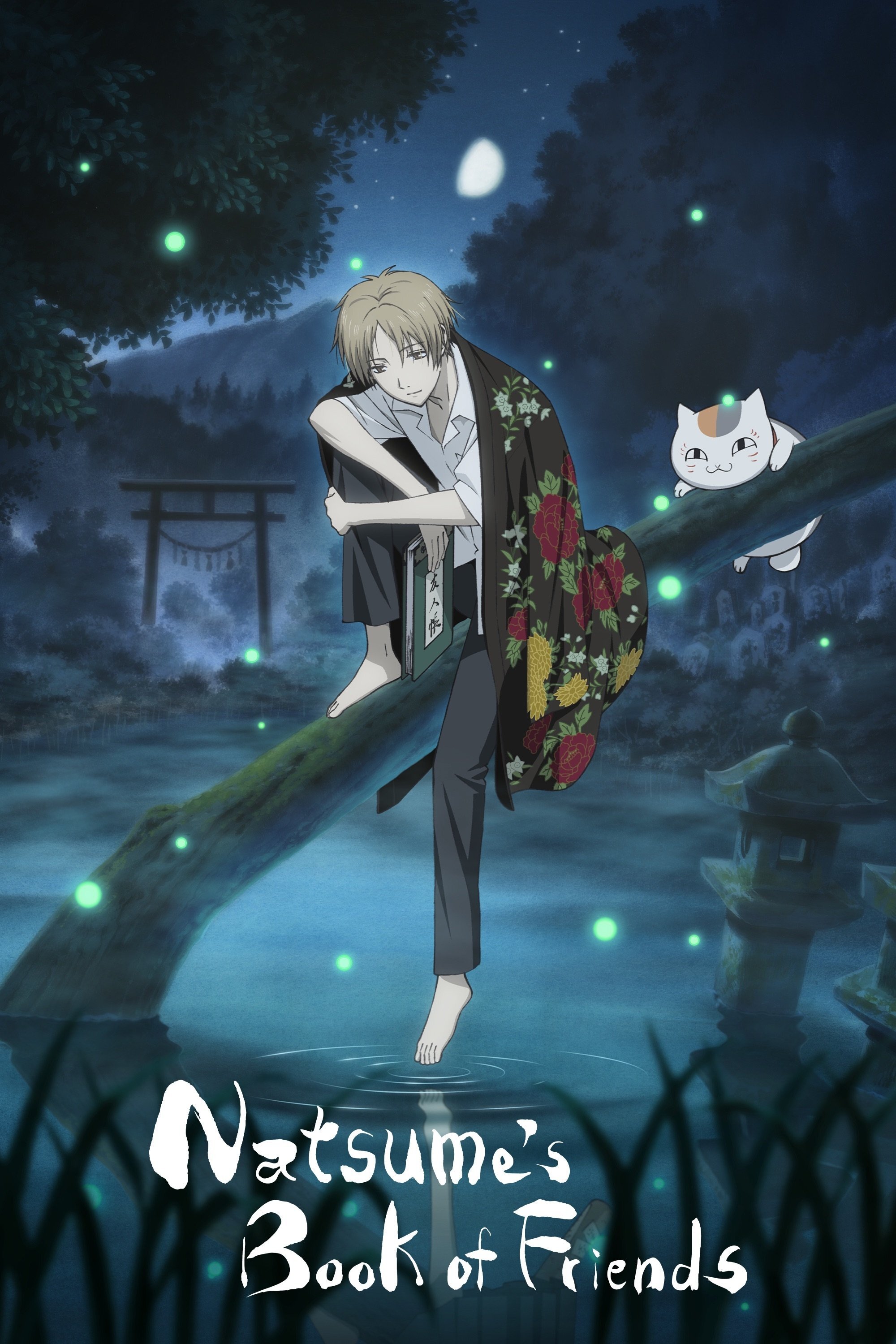
Natsume's Book of Friends2008
Both explore what you lose when you make a deal with something inhuman and beautiful. Both find pathos in the monster.
A Japanese anime about a young man who can see yokai (spirits) and broker agreements between the human and supernatural worlds. It shares Shadow's fascination with Faustian bargains, beauty coexisting with terror, and the cost of trying to control forces beyond understanding.
But It's anime, and many Western viewers have preconceptions about the medium. Episodes are episodic, so it requires patience to unlock its emotional depth.
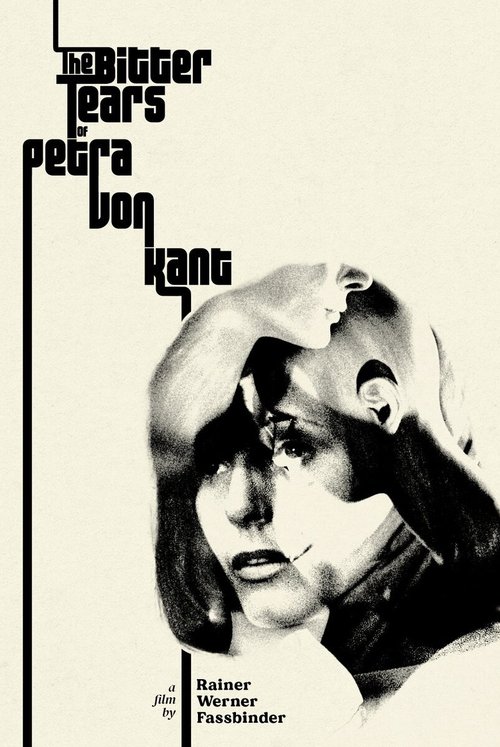
The Bitter Tears of Petra von Kant1972
Both are intimate power struggles dressed in beauty and performance. The vampire's seduction mirrors the slow, elegant way one person can consume another.
Fassbinder's chamber melodrama about a woman's obsessive, predatory love for another woman, told almost entirely in one room with mannequins standing witness. It's theatrical artifice and human predation entwined—a two-person game where power shifts like a vampire's hypnotic gaze.
But Relentlessly static, with a limited color palette and almost no conventional plot. Some will experience it as brilliant; others as interminable.
People
Cast
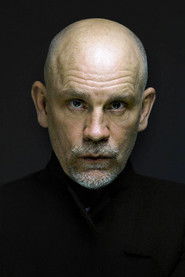 John MalkovichF. W. Murnau
 Willem DafoeMax Schreck
 Udo KierAlbin Grau
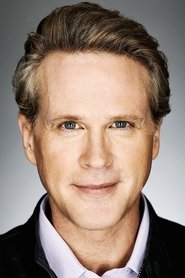 Cary ElwesFritz Arno Wagner
 Catherine McCormackGreta Schröder
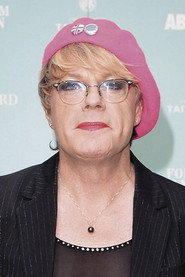 Suzy Eddie IzzardGustav von Wangenhein
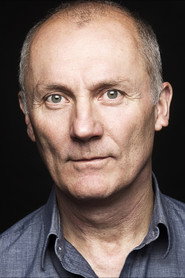 Aden GillettHenrik Galeen
- Nicholas ElliottPaul
 Ronan VibertWolfgang Müller
- Sophie LangevinElke
- Myriam MullerMaria
- Miloš HlaváčInnkeeper
Directing
- E. Elias MerhigeDirector
- Edward BrettFirst Assistant Director
- Lee ClearyFirst Assistant Director
- Danuta SkarszewskaScript Supervisor
- Jamie ChristopherSecond Assistant Director
- Laurence Rexter-BakerThird Assistant Director
Writing
- Steven KatzScreenplay
Production
- Elizabeth HurleyAssistant Accountant
- Norman GolightlyAssociate Producer
- Orian WilliamsAssociate Producer
- Carl ProctorCasting
- Carrie O'BrienCasting
- Radica VujicinCasting Assistant
- Jimmy de BrabantCo-Producer
- Richard JohnsCo-Producer
- Alan HowdenExecutive Producer
- Paul BrooksExecutive Producer
- Valérie SchielExtras Casting
- Jean-Claude SchlimLine Producer
- Beatrice PettovichLocation Assistant
- Fredo RoeserLocation Assistant
- Claude LudovicyLocation Manager
- Jeff LevineProducer
- Nicolas CageProducer
- Tony CoroonProduction Accountant
- Lydia GonzalezProduction Coordinator
- Jean-Claude SchlimProduction Manager
- Sophie Van NesteProduction Secretary
Recommended by
Nosferatu, Nosferatu the Vampyre, Nosferatu, Maniac, Cirque du Freak: The Vampire's Assistant