
Film
The Draughtsman's Contract
Peter Greenaway's baroque puzzle-box about a draftsman hired to sketch a country estate, where sexual intrigue and murder intertwine. Visually dazzling, theatrically mannered, and deeply concerned with seeing and being seen. It's a mystery that rewards close attention and multiple viewings—for those who relish artifice, geometry, and moral ambiguity.
Should you watch it?
Watch it if you love puzzles built like clockwork, where the dialogue is as precise and mannered as the costumes and every frame looks like a painting you're meant to read.
Skip it if you need a plot that moves, since the mystery here is handled with a stiff, deliberate formality that can feel like being made to wait in a drawing room.
What it asks of you: Expect a patient, talky film of about an hour and three-quarters that rewards close attention to who says what and where people stand, with little to tell you how to feel.
Not sure? Find tonight's pick in a minute.
If you liked this
Chinatown1974
A detective hired for a straightforward job stumbles into a web of corruption, desire, and violence. Like Greenaway, Polanski layers every frame with clues and implications, trusting your eye.
But Slower and more deliberate than most modern noir. The payoff is bleak, not cathartic.
Blade Runner1982
Released the same year. A visually obsessive film about perception, identity, and what separates hunter from hunted. Both demand you notice everything in the frame.
But Glacial pacing and philosophical murk. If you want quick answers, you'll be frustrated.
Man with a Movie Camera1929
A silent Soviet documentary that's actually a profound meditation on seeing itself. Montage as architecture. It shares Greenaway's belief that cinema is first a visual language.
But No plot, no dialogue, no characters. It's a puzzle that never quite solves—which is rather the point.
Not sure tonight? Get a pick in a minute, starting from The Draughtsman's Contract
The wildcard
Something you would not have found on your own.
L'Avventura1960
Both films are fundamentally about looking: the camera's gaze, the characters' entanglement with being observed. Both suggest that mystery deepens the longer you stare at it.
Antonioni's glacial mystery about a woman who vanishes, after which the film stops looking for her. It's about surfaces, bodies in space, and the inadequacy of answers. Like Greenaway, it's more interested in what you see than what happens.
But A woman disappears halfway through and the film moves on. If you expect resolution or forward momentum, you'll be baffled and bored.
More like this (8)
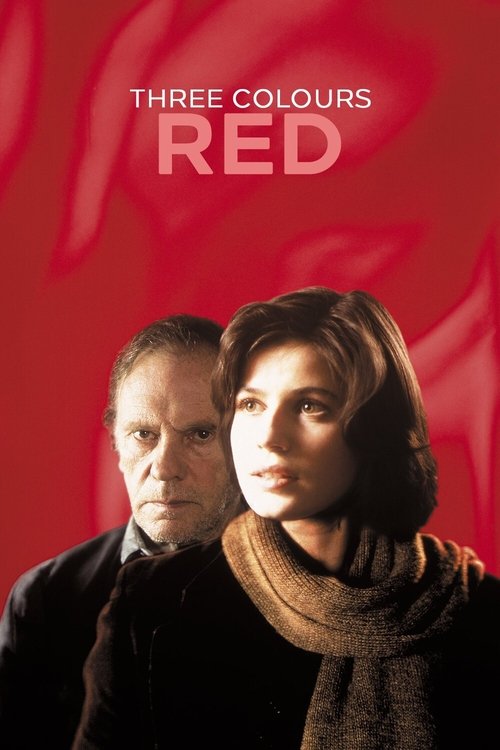
Three Colors: Red1994
Kieslowski's final act of a trilogy that uses mise-en-scène like a crossword. Stranger-than-necessary connections, fate hidden in backgrounds, watching as moral act.
But Demands you accept coincidence as meaningful. The ending will either move you or feel contrived.
Mulholland Drive2001
Lynch's LA fever dream where surfaces crack to reveal other surfaces. Like Greenaway, it suggests that narrative itself might be an elaborate hoax we're complicit in.
But Deliberately withholding. If you hate ambiguity or need closure, this will infuriate you.

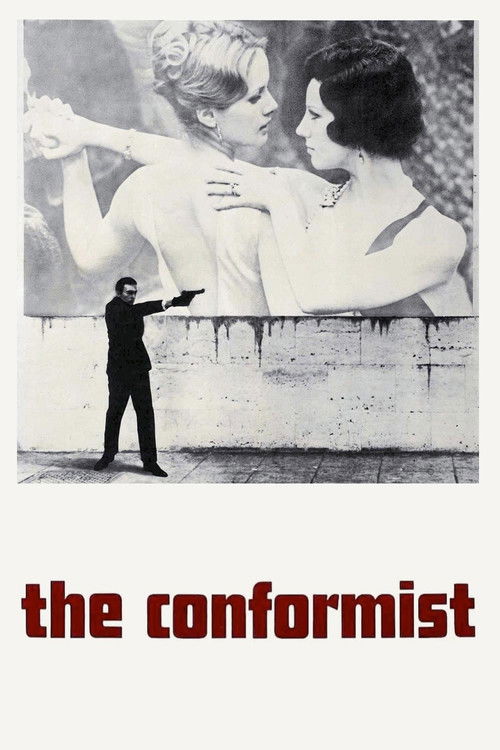
The Conformist1971
Bertolucci's fascist psychodrama where every composition reveals character and corruption. Visual storytelling at its most sophisticated, every shadow and angle weighted with meaning.
But Morally dark, structurally complex, and demands sustained attention. Not a comfort watch.
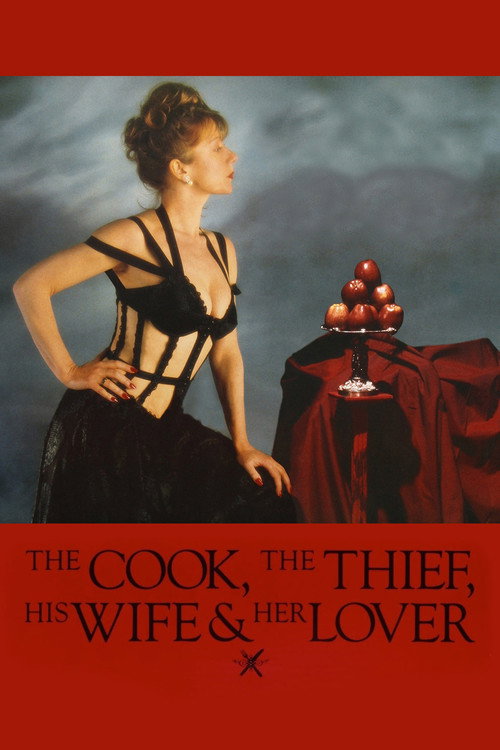
The Cook, the Thief, His Wife & Her Lover1989
Greenaway himself, perfected. A baroque grotesque about power, appetite, and humiliation. Even more visually audacious and theatrically vicious than The Draughtsman's Contract.
But Explicit sexuality and graphic violence in service of a coldly elegant allegory. Not for all tastes, and the moral vision is deliberately alienating.
Under the Skin2014
Jonathan Glazel's hypnotic, wordless meditation on observation and otherness. Like Greenaway's work, it trusts the image more than explanation, making you work to understand.
But Sparse dialogue, slow, cryptic. Entire sequences exist to create mood rather than advance plot.

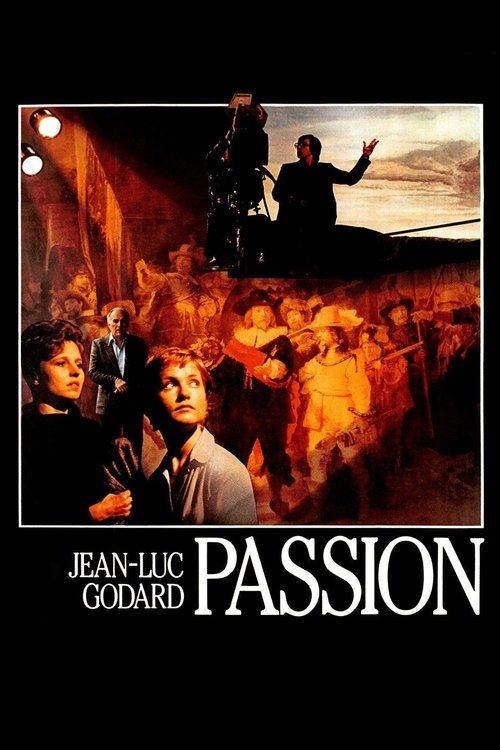
Godard's Passion1982
Godard's fractured masterpiece about cinema, desire, and the impossibility of capturing truth. Chaotic where Greenaway is orderly, but equally convinced that seeing is everything.
But Formally difficult, fragmentary, sometimes seemingly incoherent. Godard's late period is an acquired taste.
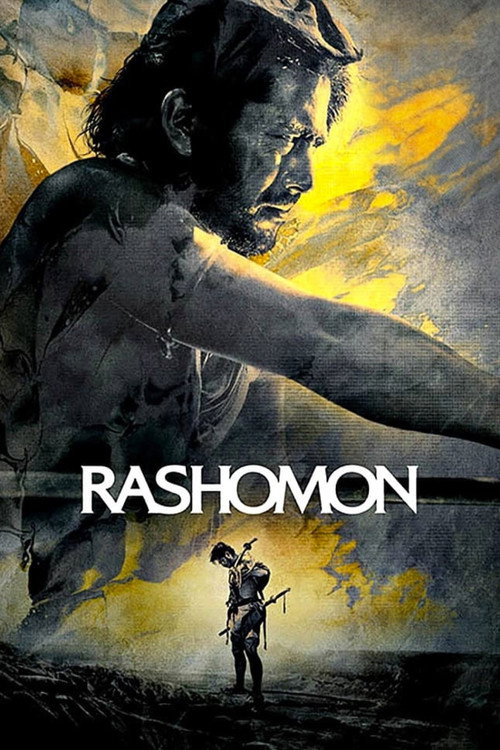
Rashomon1950
Both use visual detail and narrative structure to suggest that what you *see* and what *happened* are not the same thing. Both imply that the observer is always complicit.
Kurosawa's argument that truth is a matter of perspective, told four ways. A murder witnessed by four people yields four irreconcilable accounts. Formally dazzling and morally devastating.
But Repetitive by design. If you need a single authoritative version of events, the film's entire point will feel frustrating.
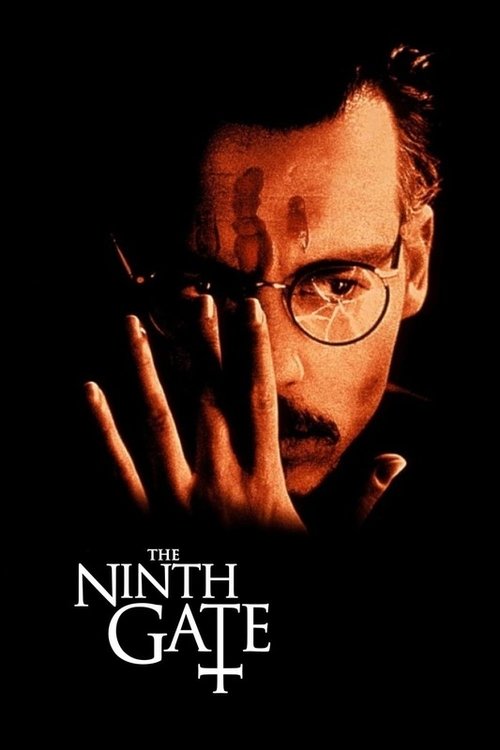
The Ninth Gate1999
Both films treat mystery as aesthetics: the pleasure is in the intricate surface, the labyrinth of visual clues and sexual intrigue, rather than in arrival at truth. Both make artifice the point.
Polanski's sumptuous, ridiculous pursuit of a rare book through European decadence. It's pulp made visual poetry—deliberately artificial, rich with hidden details, sexy in a mannered way. More fun than Greenaway, less pretentious about it.
But The plot is absurd and doesn't hold together. The occult machinery is window-dressing. If you need coherence or stakes you care about, it's empty calories.
People
Cast
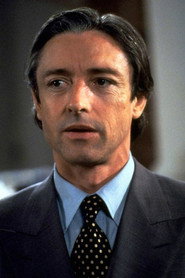 Anthony HigginsMr. Neville
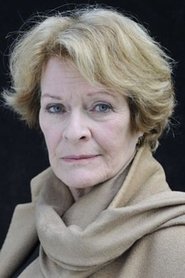 Janet SuzmanVirginia Herbert
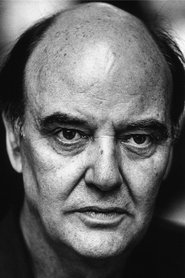 Dave HillHerbert
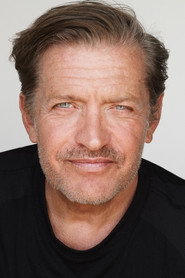 Alastair G. CummingPhilip - Mr. Neville's assistant (as Alastair Cummings)
 Anne-Louise LambertSarah Talmann
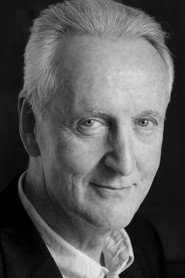 Hugh FraserMr. Talmann
- Neil CunninghamThomas Noyes
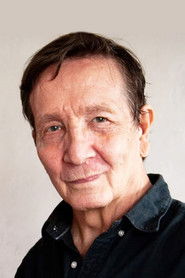 David MeyerPoulenc Brother
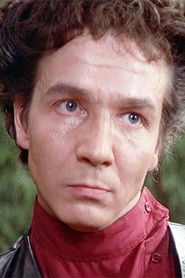 Tony MeyerPoulenc Brother
- Nicholas AmerMr Parkes
 Suzan CrowleyMrs Pierpont
 Lynda La PlanteMrs Clement
Directing
- Andy PowellAssistant Director
- Peter GreenawayDirector
Writing
- Peter GreenawayScreenplay
Production
- Lucy BoultingCasting
- Peter SainsburyHead of Production
- David PayneProducer
- Marie MeyrickProduction Assistant
- Fiona LattoProduction Secretary
Recommended by
The Rules of the Game, Barry Lyndon, The Skeleton Key, Lady Macbeth, Farinelli, Stealing Beauty, The Belly of an Architect, Assault