
Film
Thriller
Other titles called Thriller: the 1960 series (NBC), the 1973 series (ITV1), the 2018 film.
A 34-minute experimental film that reimagines Puccini's La bohème as a murder mystery. Mimi, who dies in the opera, awakens to investigate her own death alongside Musetta. It's a conceptual remix that treats operatic tragedy as a noir puzzle, blending high art with genre conventions in ways that feel genuinely strange and formally audacious.
If you liked this
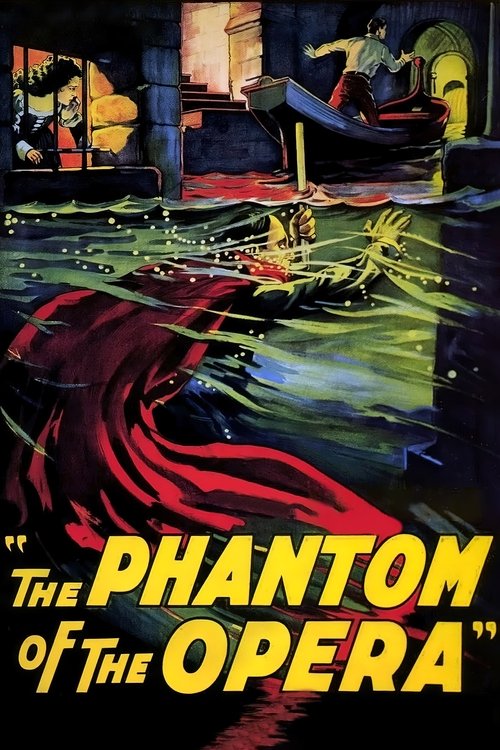
The Phantom of the Opera1925
F.W. Murnau's silent masterpiece transforms operatic grandeur into pure cinema—shadows, architecture, and psychological torment. A foundational work on how to film the artform itself.
But Silent film grammar requires patience; the theatrical staging can feel static to modern eyes.
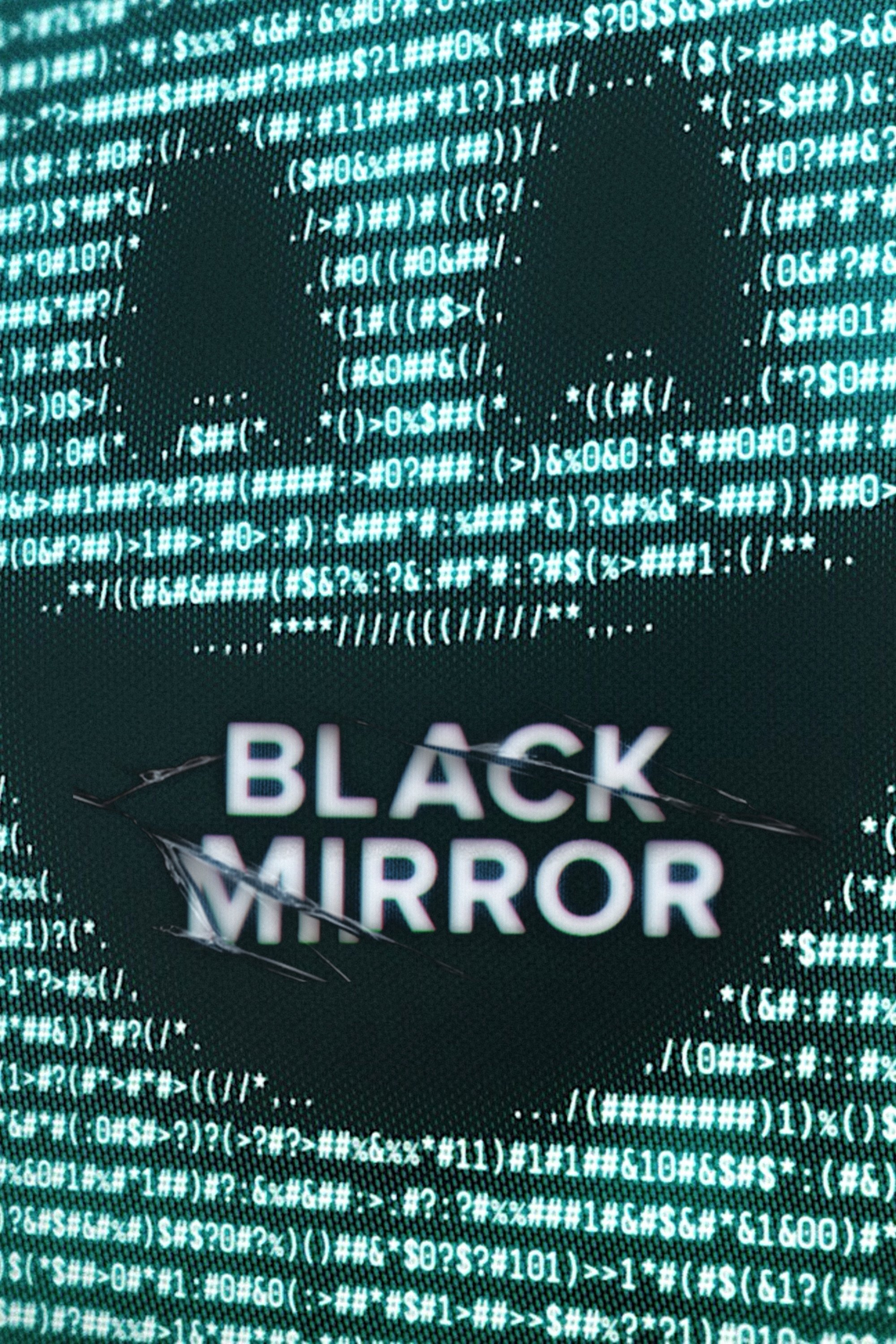
Black Mirror2011
Concept-driven anthology that remixes familiar stories and genres into unsettling new shapes. Shares that same delight in genre subversion and dark intellectual play.
But Wildly uneven quality across episodes; the cynicism can feel more performative than earned.
Mulholland Drive2001
Lynch's fractured Los Angeles narrative plays similar games with genre, identity, and narrative collapse. A woman's death reframed as a mystery within a mystery.
But Deliberately obscure in structure; patience required and complete comprehension may not come.

Not sure tonight? Get a pick in a minute, starting from Thriller
The wildcard
Something you would not have found on your own.
Chungking Express1994
Both treat classical/operatic emotional registers as the proper language for contemporary cinema, rather than vehicles for stories.
Wong Kar-wai's film uses operatic emotion and visual density to explore love and loss, creating a world that feels both heightened and intimate. A formal cousin to Thriller's sensibility—treating emotion as something you see, not just feel.
But The narrative is deliberately fragmented; some find the style overwhelming and the plot gossamer-thin.

More like this (8)
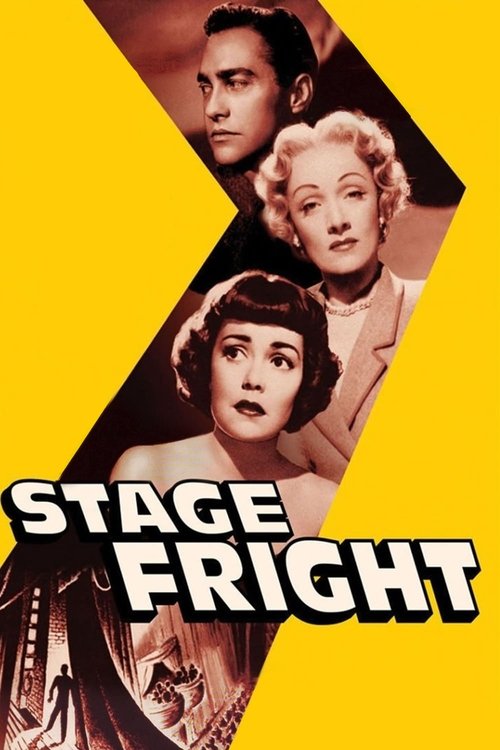
Stage Fright1950
Hitchcock sets a thriller entirely within a theatrical world, using the opera house and backstage as maze. Genre expertise applied to a rarefied setting.
But The theatrical artifice can feel dated; pacing occasionally flags in the middle sections.
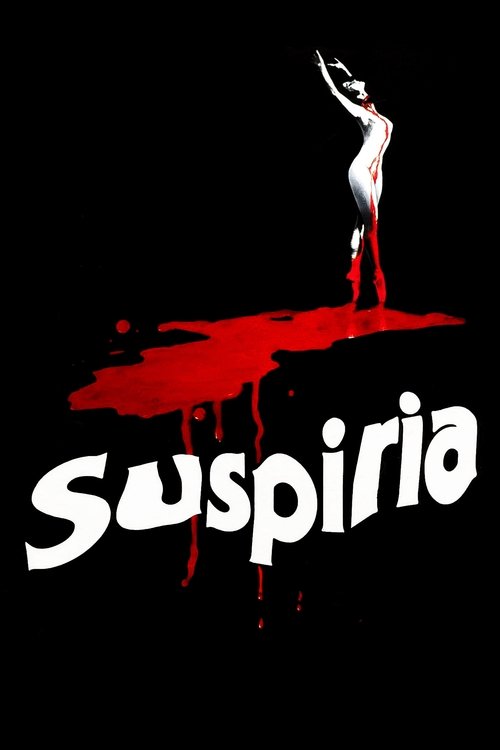
Suspiria1977
Another '70s experimental work that uses a classical world (a ballet academy) as the setting for stylized horror. Lurid, dreamlike, formally inventive.
But Heavy on atmosphere and style, light on plot; the narrative often feels secondary to the visual language.
Rope1948
Hitchcock's real-time chamber thriller set in a single apartment, treating confined space like a stage. Mystery solved through constraint rather than sprawl.
But Claustrophobic setting and minimal action will bore anyone seeking conventional thriller momentum.

Synecdoche, New York2008
Kaufman's labyrinthine work about art, death, and performance that collapses realities and genres. Shares that post-modern remix sensibility.
But Deliberately incomprehensible in places; frustration with opacity is an entirely valid response.

The Red Shoes1948
Powell and Pressburger's operatic melodrama about art, obsession, and mortality. High formal ambition married to genre storytelling.
But The romantic plot is conventional; some find the ballet sequences self-indulgent rather than revelatory.

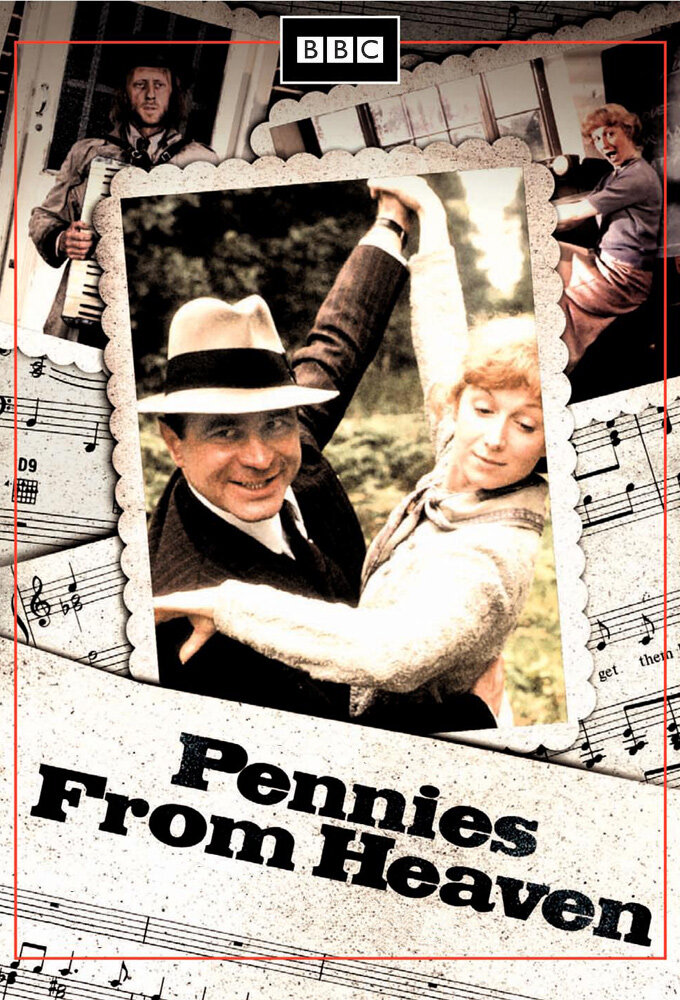
Pennies from Heaven1978
Pinter's miniseries that frames depression-era hardship through musical numbers and genre pastiche. Literary in approach, formally inventive, genuinely haunting.
But Bleak without much relief; the tonal shifts between realism and artifice won't appeal to everyone.
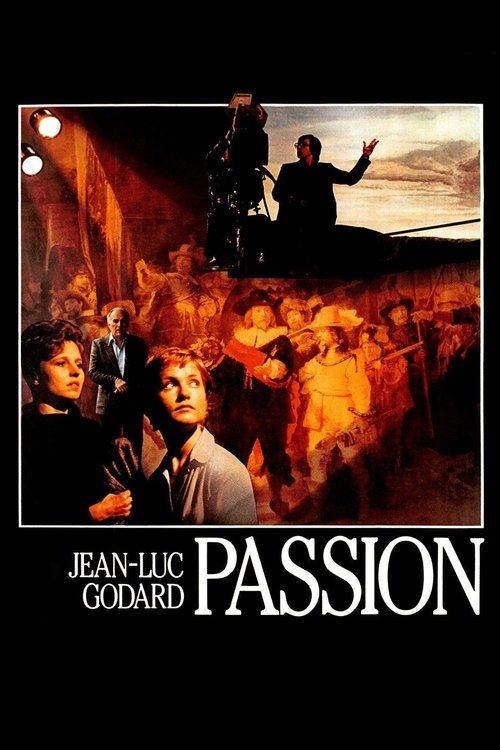
Godard's Passion1982
Both use classical sources (opera, paintings) as the frame through which to ask: what happens when you strip away the plot and interrogate the form?
Godard's film-within-a-film about an actor rehearsing scenes from classical art and opera, investigating meaning through endless formal play. A meditation on how to film art itself.
But Genuinely difficult; dense, essayistic, and sometimes feels like homework rather than cinema.
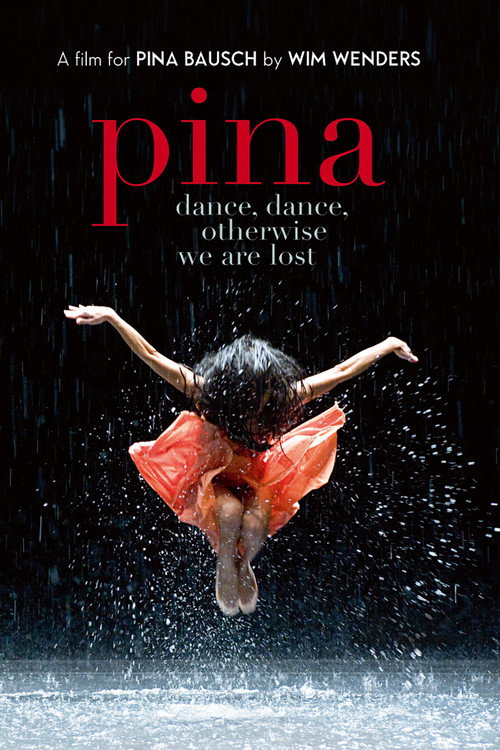
Pina2011
Like Thriller, it asks how to translate one art form (dance, opera) into film without translation—using the camera to live inside another medium's logic.
Wim Wenders' 3D documentary about the choreographer Pina Bausch, filmed in the language of her own art. Movement, music, and death coalesce as pure cinema.
But Requires comfort with dance as narrative; those expecting biographical exposition will be disappointed.
People
Cast
- Colette LaffontMimi
- Rose EnglishMusetta / Mimi
- Tony GaconThe Artist
- Vincent MeehanThe Artist
Directing
- Sally PotterDirector
Writing
- Sally PotterWriter