
Film
King Lear
Other titles called King Lear: the 1970 film, the 1983 film.
- Drama
- Post-apocalyptic
- Strange
Jean-Luc Godard's sprawling, fractured adaptation plays Shakespeare as absurdist collage: a filmmaker's grandson stages King Lear in a post-apocalyptic landscape while the director himself appears as a bewildered professor. It's deliberately unfinished, more provocation than story, starring Sellars, Ringwald, and Godard himself. Demands patience but rewards it.
Should you watch it?
Watch it if you enjoy films that treat a classic as raw material, happily tangling high art with pratfalls, deadpan philosophy and collage-like jump cuts.
Skip it if you want a tidy, faithful retelling of the play, since this is fragmentary, talky and often deliberately baffling, with little effort to make itself easy.
What it asks of you: Its shape is brief and loose, around ninety minutes of stitched-together scraps where patience pays off more than following a plot.
Not sure? Find tonight's pick in a minute.
If you liked this
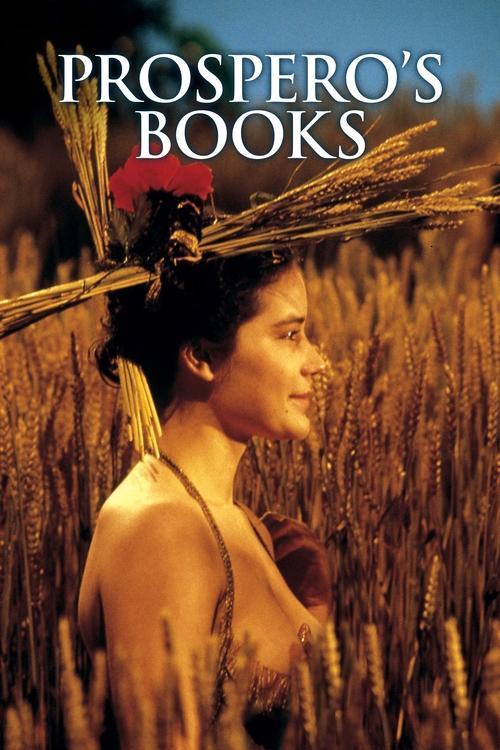
Prospero's Books1991
Peter Greenaway's equally baroque, image-heavy rethink of The Tempest. Erotic, excessive, operatic—shares Godard's refusal to bow to the text or viewers' comfort.
But Nearly three hours of densely layered visuals that can feel impenetrable. Requires genuine appetite for difficulty.
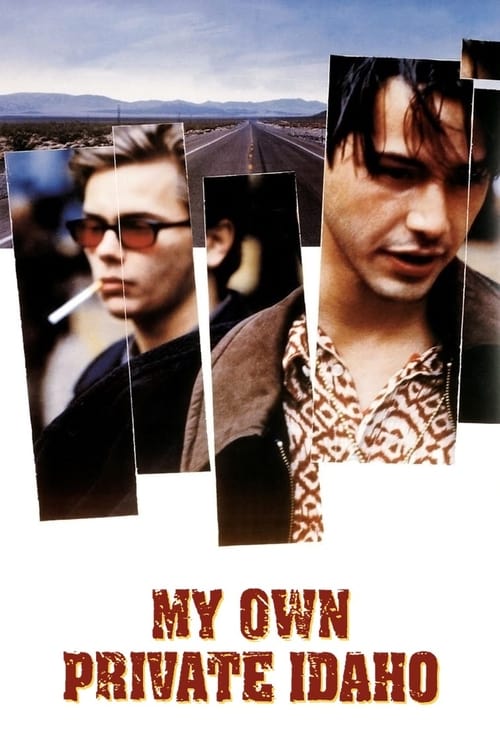
My Own Private Idaho1991
Gus Van Sant uses Henry IV as skeleton for a story of street hustlers in Seattle. Raw, poetic, anarchic. Captures that same sense of Shakespeare as raw material to raid.
But Gritty subject matter, very 90s, and the Shakespearean connections are oblique enough to frustrate literature-class expectations.
Chungking Express1994
Wong Kar-wai's romantic, digressive, formally daring Hong Kong film. Every frame is beautiful; the narrative is deliberately slight. Godard's spirit in every refusal to play it straight.
But The plot is gossamer-thin and unapologetically sentimental. If you need dramatic momentum, you'll find none.

Not sure tonight? Get a pick in a minute, starting from King Lear
The wildcard
Something you would not have found on your own.
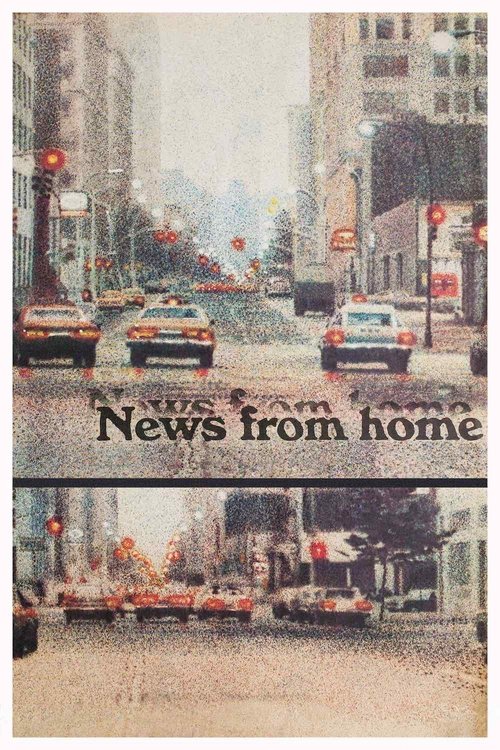
News from Home1976
Both treat the human voice reading text against indifferent urban/natural landscapes; both prioritize formal innovation over narrative; both make the audience work to find meaning.
Chantal Akerman reading her mother's letters over static shots of New York streets. Twelve minutes of pure cinema-as-form. Post-apocalyptic in its own way—civilization as backdrop to private grief and disconnection.
But Experimental to the point of austere. One location, one voice, minimal plot. Feels less like a film and more like an endurance test in how you watch.
More like this (7)
Synecdoche, New York2008
Charlie Kaufman's baroque meditation on creation, ambition, and reality dissolving. A artist builds a replica of New York inside a warehouse. Same DNA of self-consciousness and formal recklessness.
But Nearly two and a half hours of increasingly abstract psychological complexity. Easy to feel lost and resent it for the effort.

Contempt1963
Godard's own masterpiece about a filmmaker adapting Homer's Odyssey, cinema swallowing literature whole. It's the template Godard returns to—art eating its ancestors, ego versus material.
But Slow-moving, deliberately cool, emotionally distant. If you're new to Godard, it might feel like a lecture delivered in real time.

The Holy Mountain1973
Jodorowsky's maximalist surrealist epic that respects neither logic nor comfort. Wildly ambitious, visually unforgettable, utterly indifferent to what audiences expect. Shares that ballsy refusal to simplify.
But Graphic religious imagery, surrealist nonsense, and three-hour runtime. Feels less like a film and more like an assault on meaning itself.

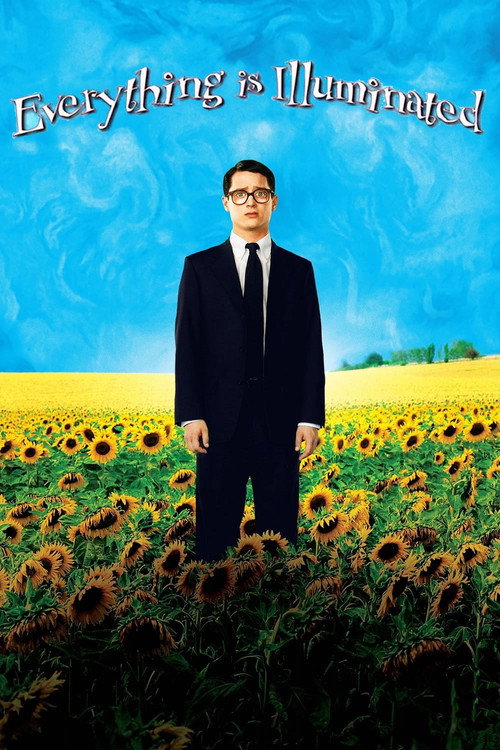
Everything Is Illuminated2005
Liev Schreiber's debut adapted from Jonathan Safran Foer—fragmented narrative, magical realism, heartbreak, and formal experimentation working in service of real emotion. Proves ambition needn't be cold.
But Tonal shifts are jarring; the magic-realism elements sit uneasily next to Holocaust material. Feels sometimes like it wants to be too many films.
Stalker1979
Tarkovsky's meditative sci-fi about a guide leading people through a mysterious zone to a wish-granting room. Deliberately slow, philosophically dense, about desire and meaning rather than plot.
But Nearly three hours of philosophical dialogue and long takes. The payoff is interior, not dramatic. Patience is not optional.

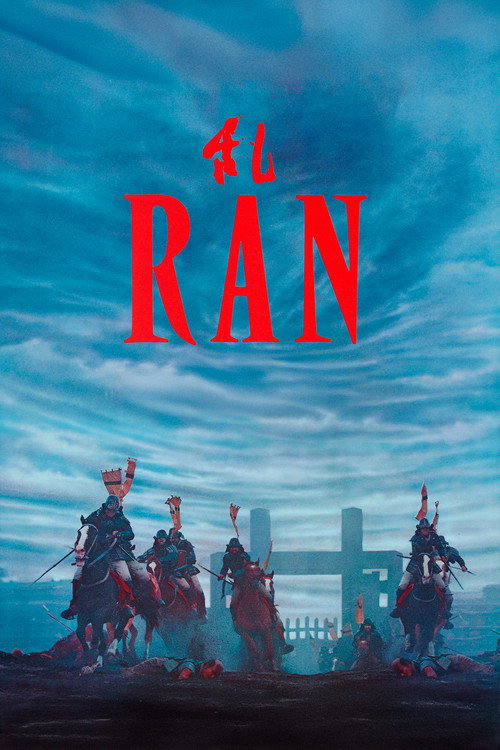
Ran1985
Both adapt King Lear for a fragmented post-war world; both use the play's structure but utterly reimagine its context; Godard's fragmentation is Kurosawa's opposite approach—same play, opposite aesthetics.
Kurosawa's King Lear adaptation, set in feudal Japan, monumental in every way. Battle sequences of staggering beauty, color, and clarity. Treats the source material as tragedy, not provocation, and builds something genuinely epic.
But Three-and-a-half hours, in Japanese, and demands you accept a non-Western reading of Shakespeare's text. The emotional weight can feel overwhelming.
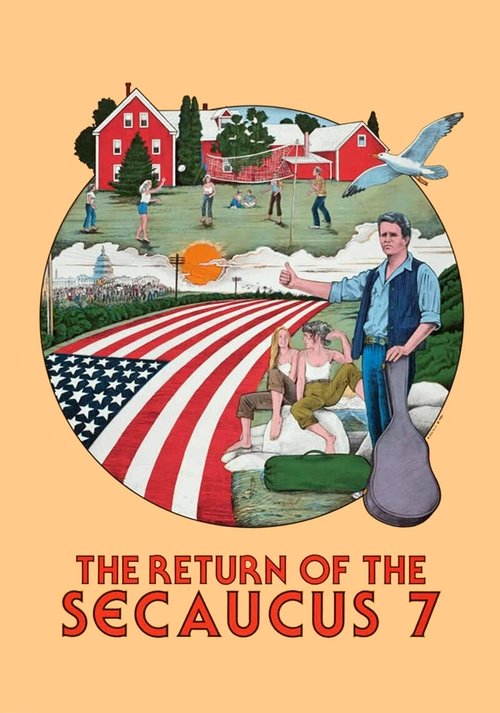
Return of the Secaucus Seven1980
Both films gather casts to stage something that matters; both resist linear narrative for something more like *ritual or memory*; both ask whether meaning survives translation into contemporary chaos.
John Sayles' debut about a group of 60s activists reuniting after years apart, fractured and changed. Low-budget, naturalistic, ensemble-focused. Shows how to make something genuinely human without abandoning formal ambition.
But Barely-there plot, long dialogue scenes that meander, no dramatic resolution. Feels more like watching people than watching a story unfold.
People
Cast
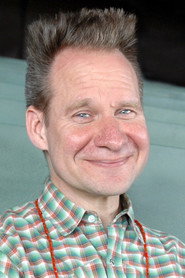 Peter SellarsWilliam Shakespeare Junior the Fifth
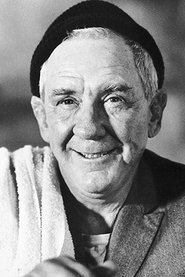 Burgess MeredithDon Learo
 Julie DelpyVirginia
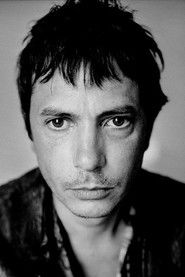 Leos CaraxEdgar
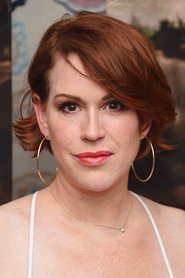 Molly RingwaldCordelia
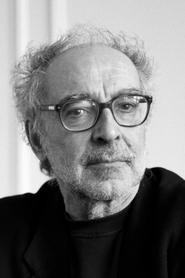 Jean-Luc GodardProfessor Pluggy
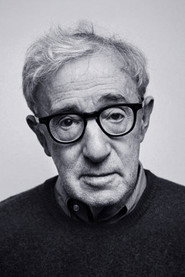 Woody AllenMr. Alien (uncredited)
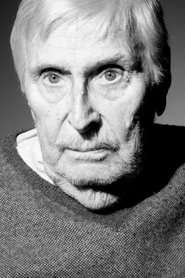 Freddy BuacheProfessor Quentin Kozintsev (uncredited)
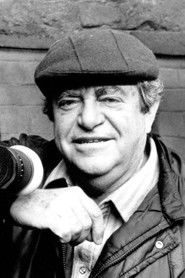 Menahem GolanSelf (voice) (uncredited)
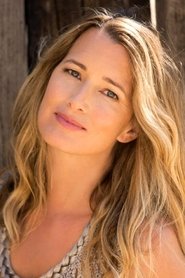 Suzanne LanzaGoblin (uncredited)
- Kate MailerSelf (uncredited)
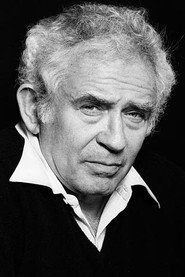 Norman MailerSelf (uncredited)
Directing
- Hervé DuhamelAssistant Director
- Jean-Luc GodardDirector
Writing
- Jean-Luc GodardScreenplay
- William ShakespeareTheatre Play
Production
- Tom LuddyAssociate Producer
- Jon TurtleFinance
- Omneya 'Nini' MazenPost Production Coordinator
- Menahem GolanProducer
- Yoram GlobusProducer