
Film
The Birthday Party
- Drama
- Mystery
- Psychological horror
- Very dark
- Strange
Pinter's masterpiece of menace arrives fully formed on screen. Two strangers invade a seaside boarding house and systematically unravel a lodger through nonsensical questions, arbitrary cruelty, and the facade of celebration. Comedy and dread intertwine as the trivial becomes terrifying. Essential viewing for anyone curious about how language itself can become a weapon.
Should you watch it?
Watch it if you love menace that hides inside small talk, where every awkward pause and ridiculous question tightens the screw until a dull breakfast feels like an interrogation, and you enjoy Pinter's knack for language that dodges and stalls.
Skip it if you want plot momentum or clear answers, since the film circles its central questions, repeats its rhythms, and lets confusion stand in for explanation for most of its two hours.
What it asks of you: It asks patience for slow, stagey exchanges that loop back on themselves, and it rewards close listening more than it rewards being carried along by events.
Not sure? Find tonight's pick in a minute.
If you liked this
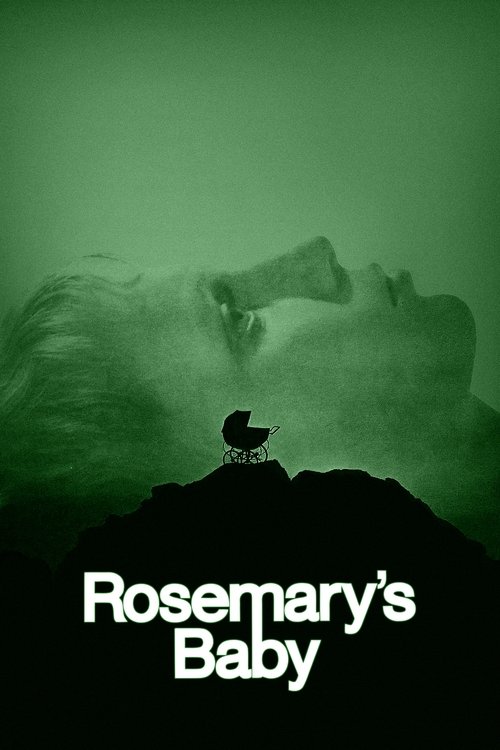
Rosemary's Baby1968
Paranoia seeps through every frame as a woman suspects those closest to her. Like Pinter, Polanski trusts the audience to feel dread in ordinary moments and ambiguous glances. Masterful.
But The pacing is deliberately slow, and some find the ending frustratingly open. Not a conventional thriller.
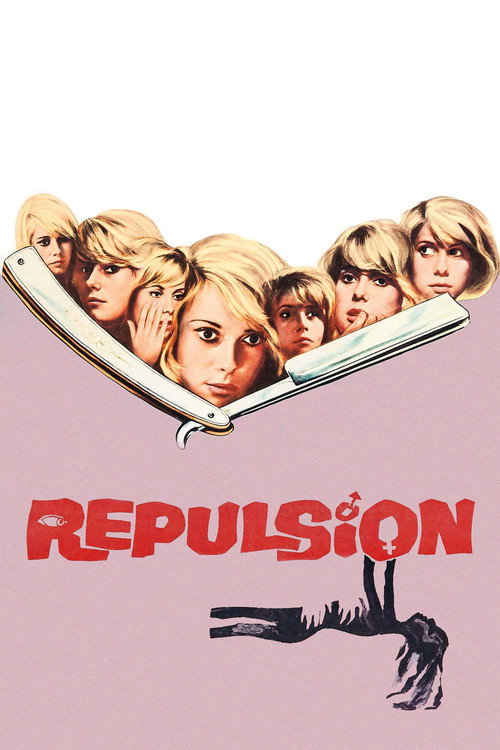
Repulsion1965
Catherine Deneuve's slow psychological collapse in a London flat is Pinter-adjacent: interior horror, sexual anxiety, the home becoming a trap. Surreal and deeply unsettling without relying on jump scares.
But Graphic sexual violence and body horror. The incoherence of her breakdown is intentional, which some find maddening rather than brilliant.
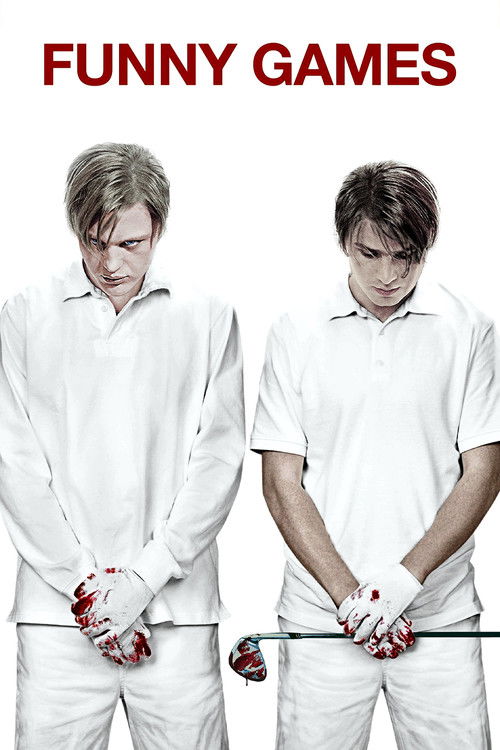
Funny Games2008
Two young men torment a family in their home. Like Pinter, it's about power games, the arbitrariness of violence, and our complicity as viewers. Haneke forces you to think about what you're watching.
But It's deliberately frustrating and bleak. The violence is casual and sustained. You may feel manipulated, which is exactly the point—and you might hate that.
Not sure tonight? Get a pick in a minute, starting from The Birthday Party
The wildcard
Something you would not have found on your own.
Come and See1985
Both use everyday situations and dialogue to expose how fragile the self is. Pinter's torment is psychological and linguistic; Elem Klimov's is literal and physical. Same architecture, different register.
A Soviet boy is conscripted into WWII and systematically destroyed by what he witnesses. Like Pinter, it's about how reality can corrode language and sanity through relentless, banal horror. Unbearably powerful.
But This is perhaps the most graphic depiction of war's impact on children ever filmed. It's not provocative for style's sake—it's devastating. Most people should prepare themselves before watching.

More like this (7)
The Killing1956
Kubrick's maze of small-time criminals and double crosses moves like a Pinter play: each scene a negotiation, dialogue sharp and spare. Everybody wants something. Nobody gets it cleanly.
But The plot is intricate and sometimes confusing. It's also rather dated in pacing and style, which works against it if you're not patient.

In the Mood for Love2000
Wong Kar-wai distills yearning into silences and glances. Like Pinter, meaning lives in what's unsaid. Two people circling each other across a film that's almost all mood and suggestion.
But There's barely a plot. If you need narrative momentum or explicit emotion, this will feel glacially slow and frustratingly oblique.

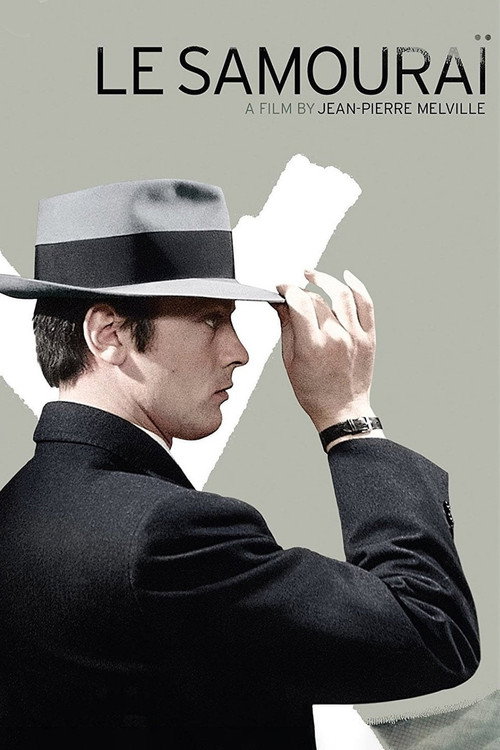
Le Samouraï1967
Melville's hitman moves through Paris like a phantom. Minimal dialogue, maximum atmosphere. The film shares Pinter's fascination with ritual, procedure, and the spaces between words.
But Very little happens. Long stretches of watching someone drive or sit. The ending is ambiguous and offers no catharsis.
Stalker1979
Tarkovsky's science-fiction meditation on desire and power. A guide leads two men into a mysterious zone. The real drama is conversational and philosophical, not plot-driven. Utterly hypnotic.
But It's three hours of slow-motion philosophy. No action, no answers. If you need plot momentum, you will find this agonizing.

Under the Skin2014
Scarlett Johansson hunts in Glasgow, mostly silent. Glazer builds dread through repetition and suggestion. Like Pinter, it trusts the audience to feel menace in routine interactions and incomplete information.
But Deeply strange and oblique. The ending is abstract rather than resolved. Some find it pretentious; others find it brilliant. There's not much middle ground.

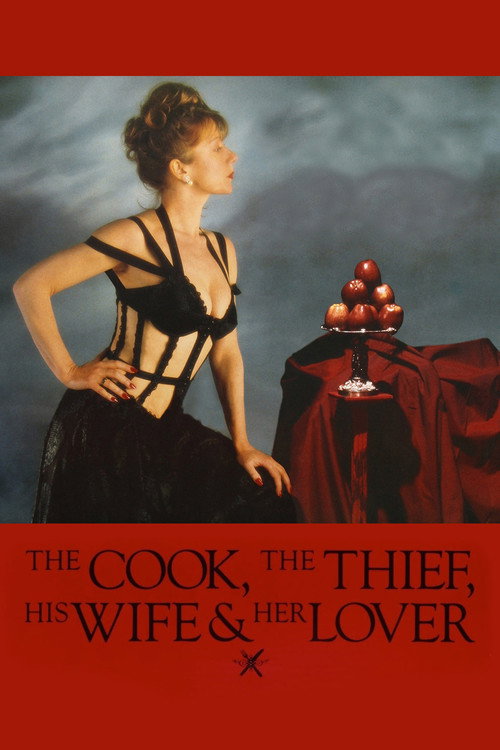
The Cook, the Thief, His Wife & Her Lover1989
Peter Greenaway's baroque nightmare of power games, humiliation, and sex in and around a restaurant. It's as caustic and arbitrary as Pinter, but far more visually ornate and transgressive.
But Graphic sexual violence, excrement, cannibalism. Deliberately offensive and excess in every direction. The style overwhelms substance for many viewers.
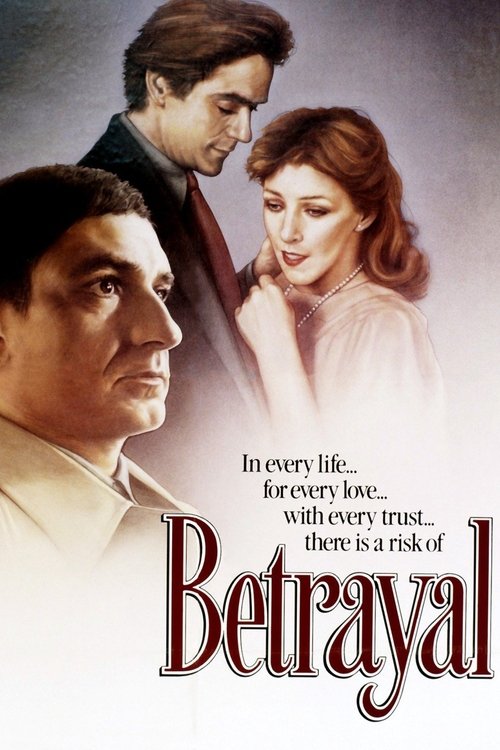
Betrayal1983
Same playwright, different medium—but this is the rare adaptation that understands Pinter isn't about plot, it's about the silence before and after each line. Watch it as a key to understanding the original.
David Jones (Bowie's real name, directing here) adapts another Pinter play—but this time it's about infidelity told backwards in time. The film isolates the Pinter rhythm: the weight of what's withheld, desire cloaked in small talk.
But It's still Pinter: oblique, sparse, chilly. And it's about British upper-middle-class emotional repression, which some find unrelatable. The structure is clever but the emotional stakes are quiet.
People
Cast
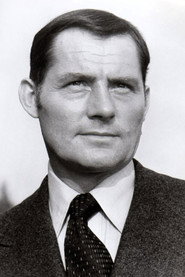 Robert ShawStanley Webber
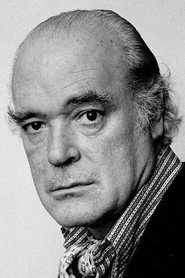 Patrick MageeShamus McCann
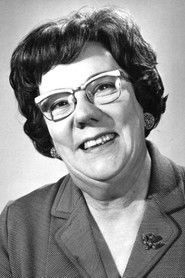 Dandy NicholsMeg Bowles
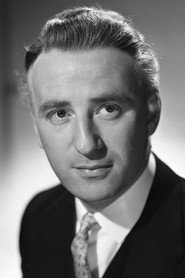 Sydney TaflerNat Goldberg
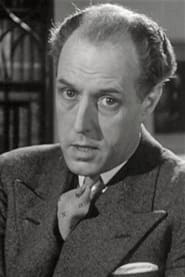 Moultrie KelsallPete Bowles
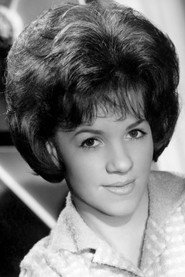 Helen FraserLulu
Directing
- Andrew GrieveAssistant Director
- William FriedkinDirector
Writing
- Harold PinterScreenplay
- Harold PinterTheatre Play
Production
- Edgar J. ScherickExecutive Producer
- Max RosenbergProducer
- Milton SubotskyProducer
- Teresa BollandProduction Manager