
Film
On the Buses
Other titles called On the Buses: the 1969 series (ITV1).
- Comedy
- Light-hearted
A cheerful British sitcom film where a bus driver and his mates panic about women joining the workforce. It's broad, affectionate, and proudly working-class — the kind of comedy where the jokes land quick and nobody's pretending to be clever. Perfect if you love 1970s Britcom energy and aren't looking for anything that challenges you.
Should you watch it?
Watch it if you enjoy sitcoms built on small-minded, scheming characters and gentle, old-fashioned British slapstick, where the comedy comes from people trying to get one over on each other at work and at home.
Skip it if you want a fast, sharp modern comedy; the jokes are broad, the pacing is leisurely, and the bickering between family and workmates can feel repetitive over an hour and a half.
What it asks of you: Settle in for a plain, episodic film of about an hour and a half that unfolds at an easy pace, asking you to enjoy its cheerful, unpretentious sense of mischief rather than hunt for subtle layers.
Not sure? Find tonight's pick in a minute.
If you liked this
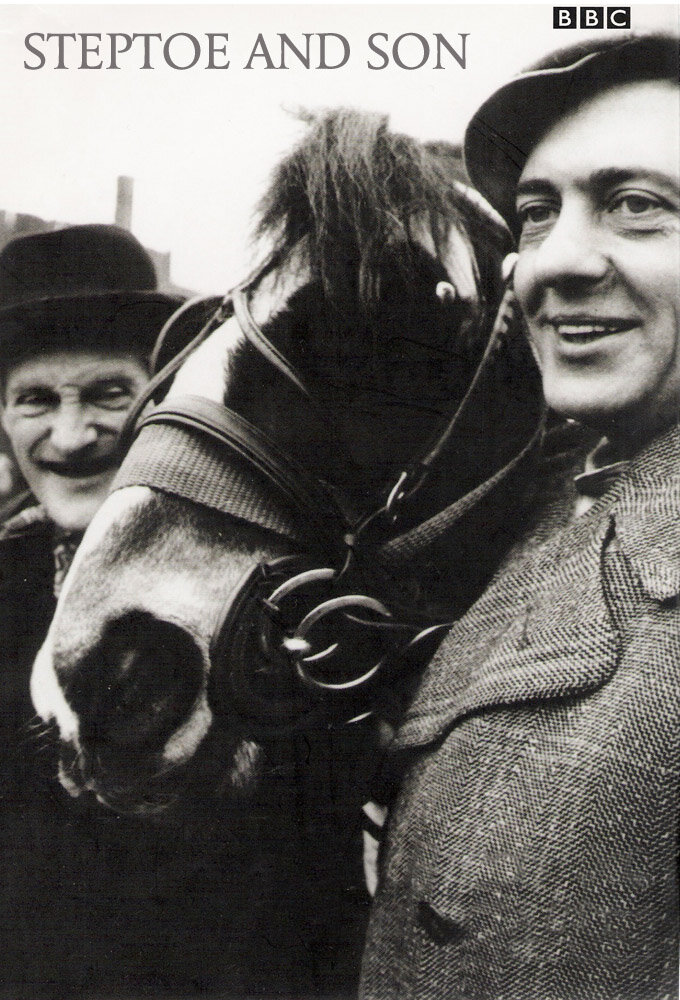
Steptoe and Son1962
Two generations haggling in a junk shop with genuine affection underneath. The writing is sharp, the performances are perfect, and it's funny in that deadpan British way that makes you actually think while you're laughing.
But It's very much a two-hander in one location. If you need visual variety or a big cast, the repetition can feel thin.
Dad's Army1968
A ragtag Home Guard platoon stumbling through wartime with charm and warmth. Every character gets real moments, the ensemble work is brilliant, and it manages to be both silly and genuinely touching.
But The humour is gentler and more tied to British cultural references. Some episodes feel slight, and the pacing can drag if you're used to faster American sitcoms.

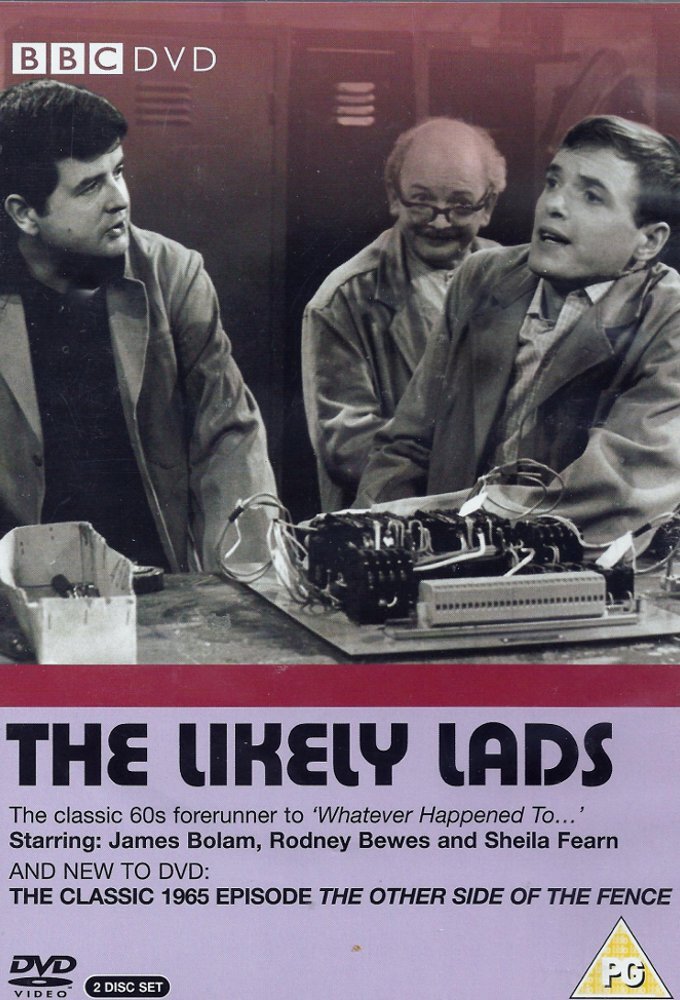
The Likely Lads1964
Two working-class lads in Newcastle trying to live the good life while life keeps getting in the way. It's warmer and sharper than it has any right to be, with real chemistry between the leads and surprisingly thoughtful moments buried in the gags.
But The regional setting and accents take a scene or two to lock into, and some of the plot mechanics feel very 1970s. It's a gentler comedy than you might expect.
Not sure tonight? Get a pick in a minute, starting from On the Buses
The wildcard
Something you would not have found on your own.
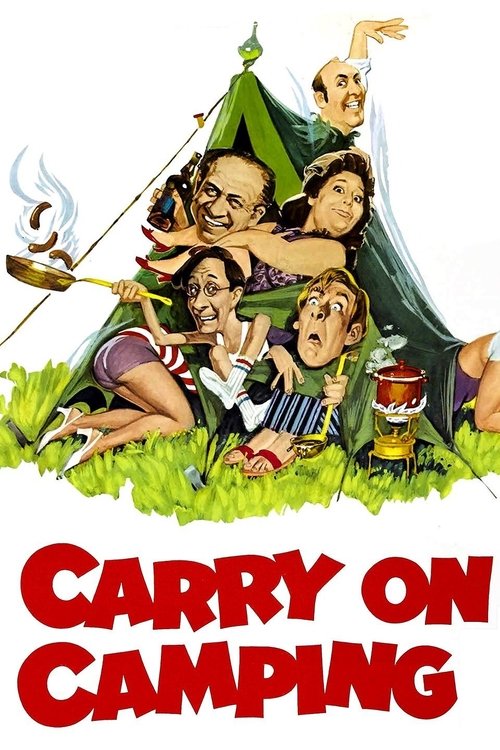
Carry On Camping1969
Both are 1970s British comedies built on ensemble charm and working-class characters, but Carry On is faster, bawdier, and refuses to be sentimental about anything.
The Carry On films were the scrappy, anarchic cousin of British sitcoms — faster, filthier, less interested in sentiment. This one is the best: a ramshackle holiday full of innuendo, slapstick, and a cast that seems to be having genuine fun being ridiculous together.
But The humour is sexual and sometimes mean-spirited in ways that will feel dated to some. It doesn't have the warmth of *On the Buses* — it's meaner and more cynical.
More like this (5)
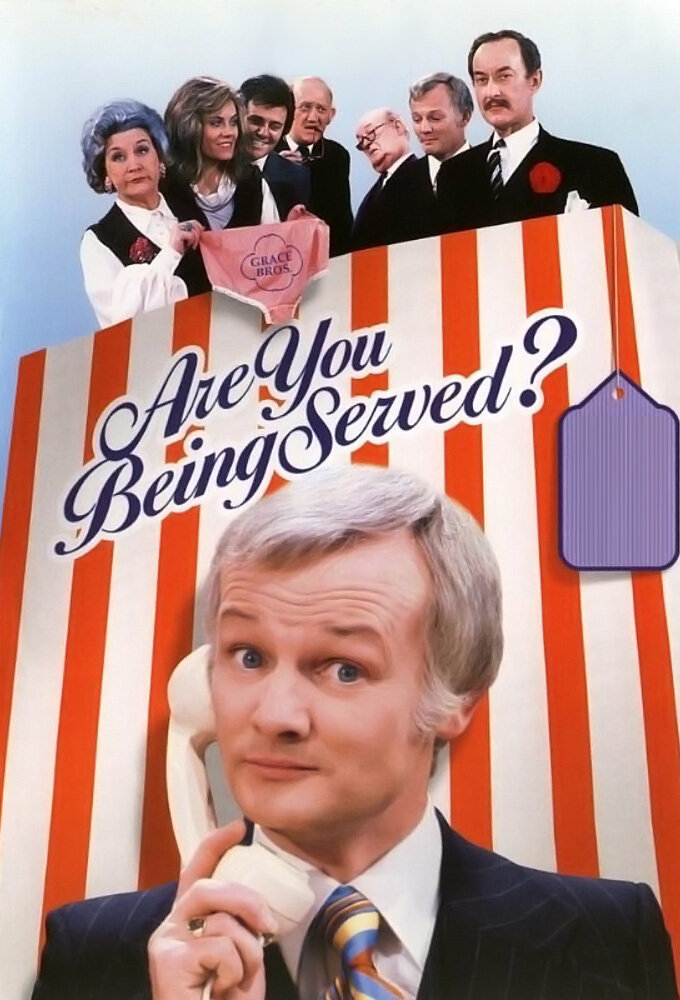
Are You Being Served?1972
A department store where the staff spend all day flirting, scheming, and delivering double entendres. It's silly and energetic, the cast is genuinely lovely together, and it never tries to be anything but pure entertainment.
But The humour relies heavily on innuendo, and the characterizations are cartoonish. Some find it too broad; others think that's the entire point.
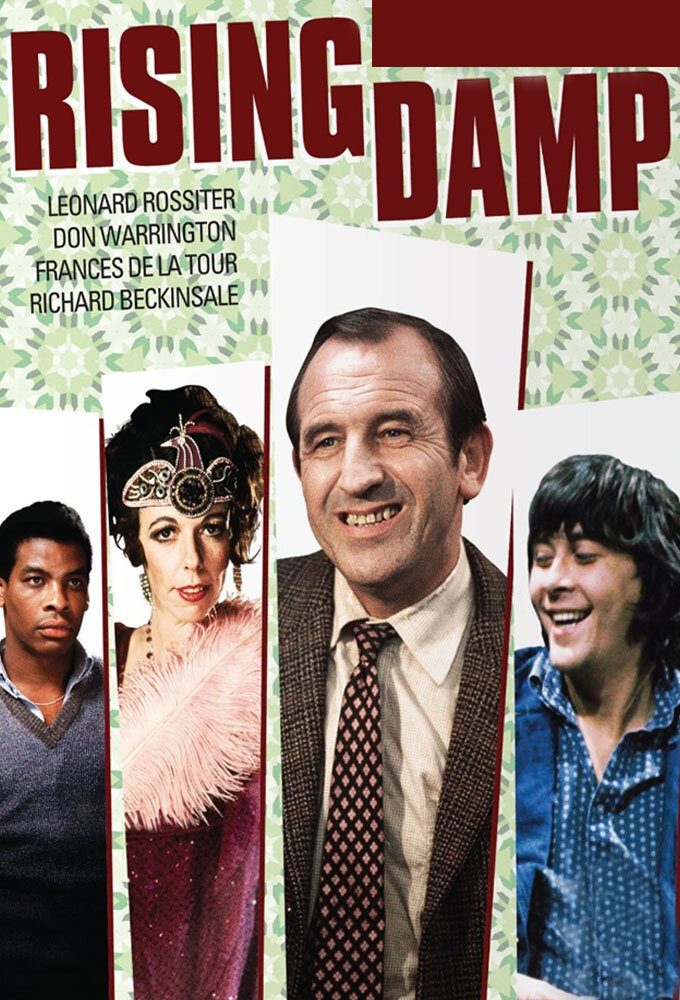
Rising Damp1974
A miserly landlord and his doomed tenants in a crumbling Victorian house. Frankie Howerd is magnetic, the writing is clever, and it finds real pathos in the characters without ever losing the comedy.
But The landlord's lechery gets old fast, and the show's sympathies can feel unclear. Some of the sexual humour hasn't aged brilliantly.
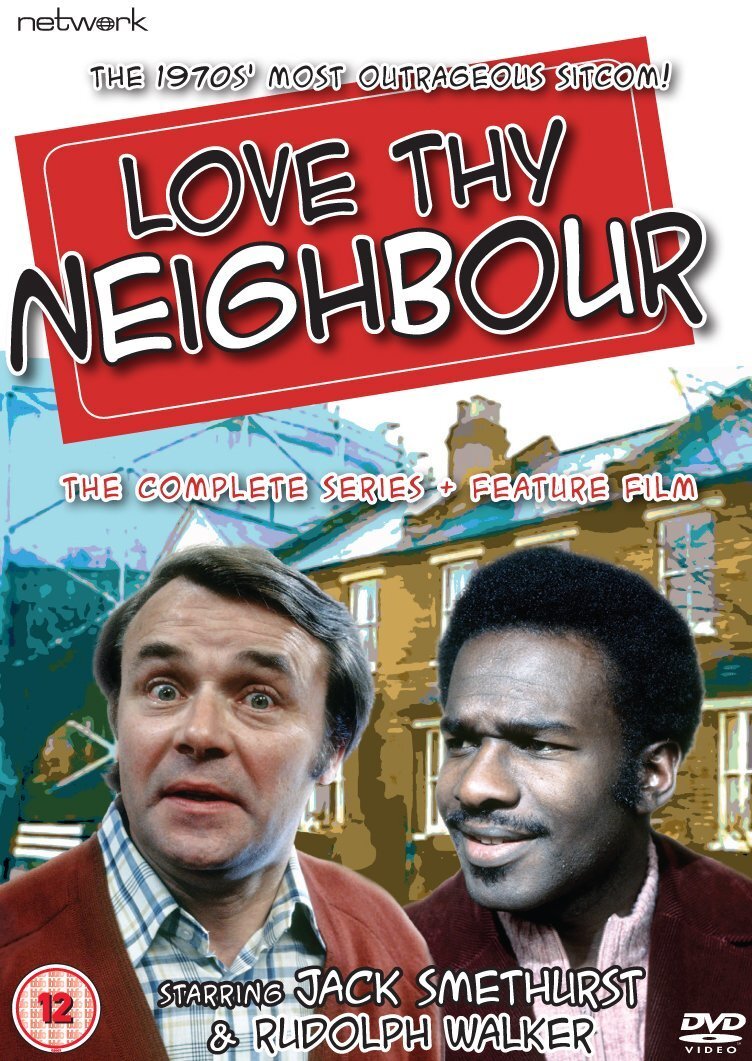
Love Thy Neighbour1972
Two families, one working-class and white, one working-class and Black, living next to each other and bickering endlessly. It's warmer than the premise sounds, and the cast genuinely seems to like each other.
But The racial banter is the entire hook, and it's a constant. Whether you find that funny or exhausting is going to determine everything.
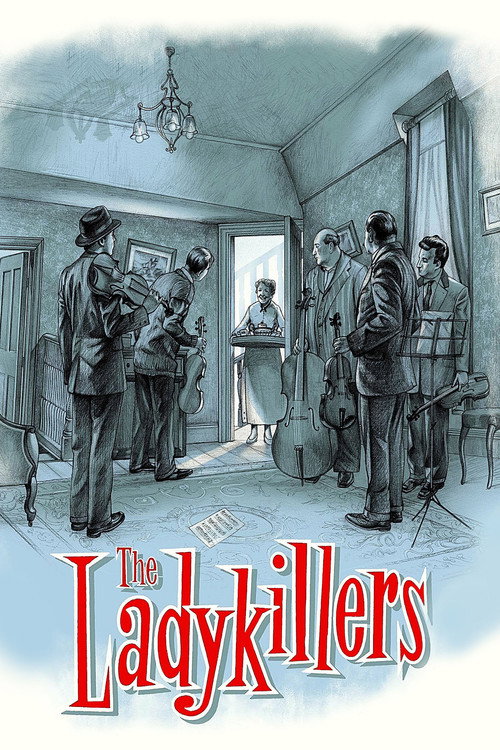
The Ladykillers1955
Both centre working-class characters as the heart of the story, but this one uses them as the moral centre of the film rather than as targets for mockery.
A gang of criminals pose as musicians to rob a bank, but their landlady — a sweet, ordinary working-class woman — keeps undoing them with sheer decency. Alec Guinness is brilliant, and the film is funny, touching, and actually smart about class and kindness in a way that sneaks up on you.
But The pacing is slow by modern standards, and the humour is very genteel. You're not laughing at pratfalls; you're laughing at irony and character. That takes patience.
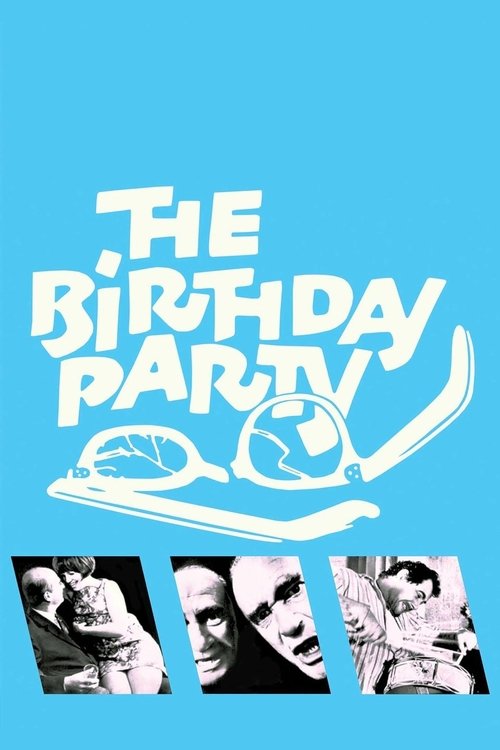
The Birthday Party1968
Both are built on British domestic life and landlady-lodger relationships, but where *On the Buses* finds comfort in working-class community, Pinter finds menace in it.
Harold Pinter's play adapted brutally: a seaside landlady, a mysterious lodger, and two strange visitors arrive to destroy his life. It's darkly funny in a way that has nothing to do with gags — the humour comes from dread and awkwardness and watching someone's world implode.
But It's bleak, confusing, and the comedy is so dark you might mistake it for drama. It has no plot to speak of, just mounting unease. Not for anyone who wants warmth from their British comedies.
People
Cast
 Reg VarneyStan Butler
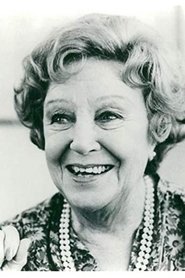 Doris HareMrs. Butler
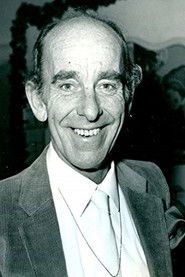 Michael RobbinsArthur Rudge
 Anna KarenOlive Rudge
 Stephen LewisInspector Blakey
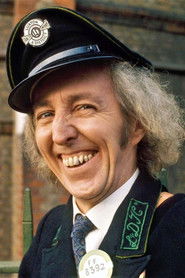 Bob GrantJack Harper
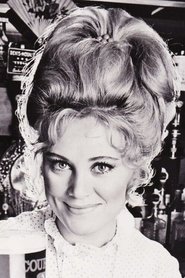 Andria LawrenceBetty
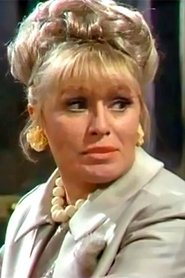 Pat AshtonSally
 Brian OultonManager
 Pamela CundellRuby Wilson
 Pat CoombsVera Hughes
 Wendy RichardHousewife
Directing
- Harry BoothDirector
Writing
- Ronald ChesneyWriter
- Ronald WolfeWriter
Production
- Ronald ChesneyProducer
- Ronald WolfeProducer
- Christopher NeameProduction Manager
- Roy SkeggsProduction Supervisor
Recommended by
The Best Pair of Legs in the Business, Adventures of a Taxi Driver, Holiday on the Buses