
Film
The Best Pair of Legs in the Business
A 1973 comedy-drama about a struggling holiday-camp entertainer chasing stardom while his personal life collapses. Reg Varney plays against type as a delusional drag-artist compère, all forced charm and desperation. It's funny and sad simultaneously—a portrait of provincial ambition and self-delusion that sneaks in real pathos beneath the variety-show setup. For anyone curious about British cinema's braver side.
Should you watch it?
Watch it if you enjoy bittersweet comedy about a small-time performer whose cheerfulness outruns his talent, where the laughs sit right beside an uncomfortable sense of what he is losing.
Skip it if you want fast gags and polished production, since this is a modest, sometimes creaky seventies film that lingers on second-rate club acts and rooms where nobody is quite happy.
What it asks of you: A slow, shabby, lightly melancholy rhythm across ninety-three minutes, with the mood shifting between sitcom cheer and quieter unease as a man's hopes outrun his circumstances.
Not sure? Find tonight's pick in a minute.
If you liked this
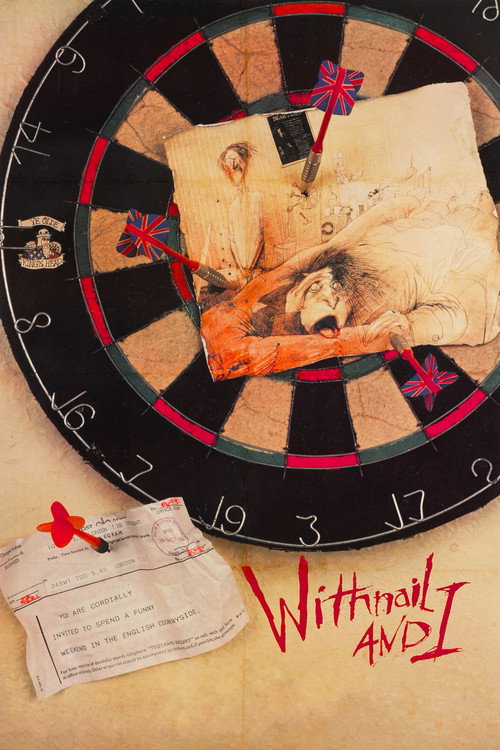
Withnail & I1987
Two men adrift, nursing grand delusions and talking brilliantly about nothing much. Like Legs, it finds comedy in failure and dreams that will never land, but with sharper dialogue and a more forgiving universe.
But The pacing is glacial and the humour is entirely in the writing—if the script doesn't grab you in the first ten minutes, it won't suddenly start moving.
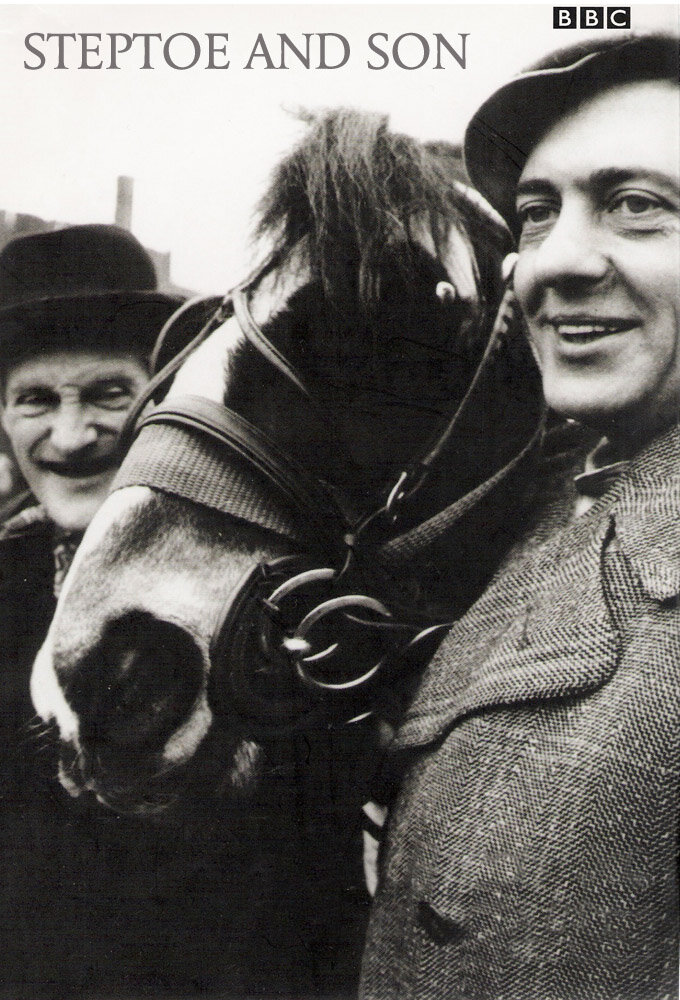
Steptoe and Son1962
Two men trapped in a grotty life, bickering brilliantly about escape routes that never materialise. Both are comedies about men too flawed and too old to change, anchored by superb performances and real melancholy.
But It's bleaker than it first appears—if you want laughs without the sting of recognition, this will make you uncomfortable in ways you didn't expect.
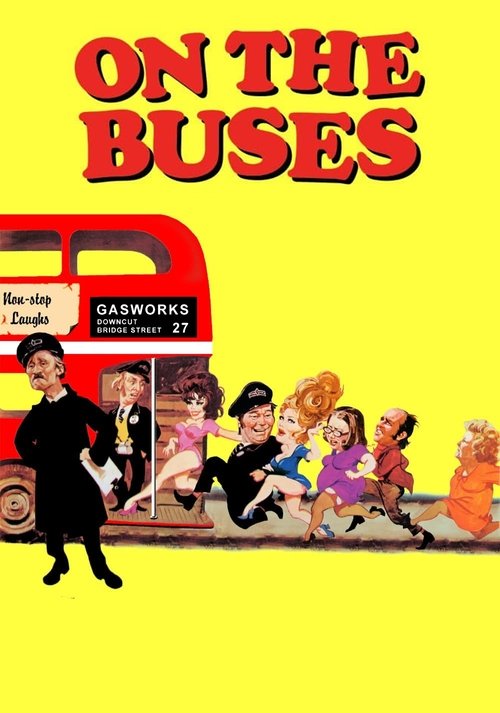
On the Buses1971
Varney's sitcom predecessor, expanded to feature length. Same performer, same era, same working-class comedy sensibility—a natural pair to see how the same actor tackled a completely different register.
But The sitcom works on tiny laughs and repetition; the film pads it out and the stretches between jokes become obvious. It's broader and less confident than the TV version.
Not sure tonight? Get a pick in a minute, starting from The Best Pair of Legs in the Business
The wildcard
Something you would not have found on your own.
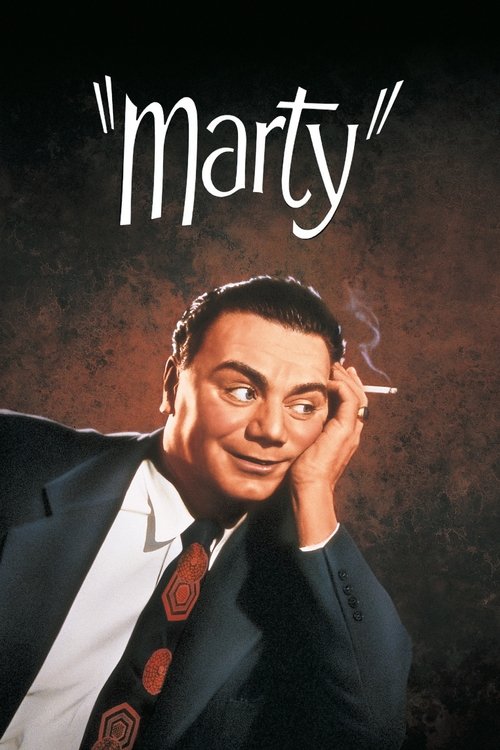
Marty1955
Both are portraits of ordinary male longing and the small humiliations of being overlooked; one believes in redemption, the other doesn't.
A man nobody notices dreams of connection while everyone tells him his ambitions are ridiculous. Reesser's struggle is exactly Sherry's, but Marty finds tenderness in that desperation—it's the optimistic, American spiritual ancestor of Legs' sad British cousin.
But It's a black-and-white live-TV adapted drama from the 1950s, which means it moves slowly and asks you to find drama in conversation rather than incident.
More like this (7)
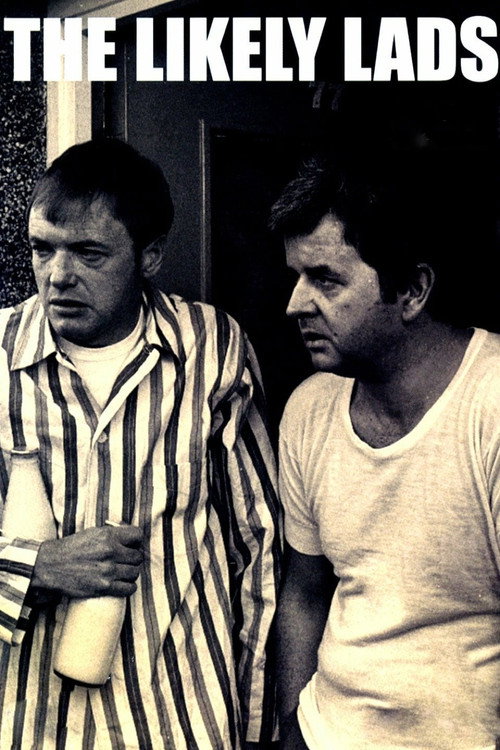
The Likely Lads1976
Two men trying to recapture their youth and finding it's already gone. Made at exactly the same moment, with the same melancholic eye for aging British male aspiration and the gap between dreams and reality.
But The nostalgia can feel smug and the resolution is tidy—it doesn't have Legs' willingness to leave its protagonist in genuine trouble.
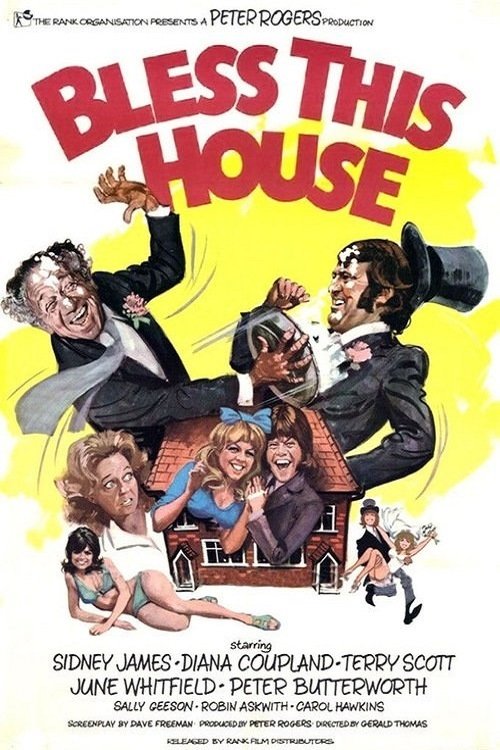
Bless This House1972
Sid James in another sitcom-to-film conversion, playing a man perpetually frustrated by circumstances beyond his control. Same era, same DNA—a comedy built on male anxiety and the absurdity of domestic life.
But It's considerably gentler and more conventional than Legs, and Sid's charm can smooth over tensions rather than heighten them.
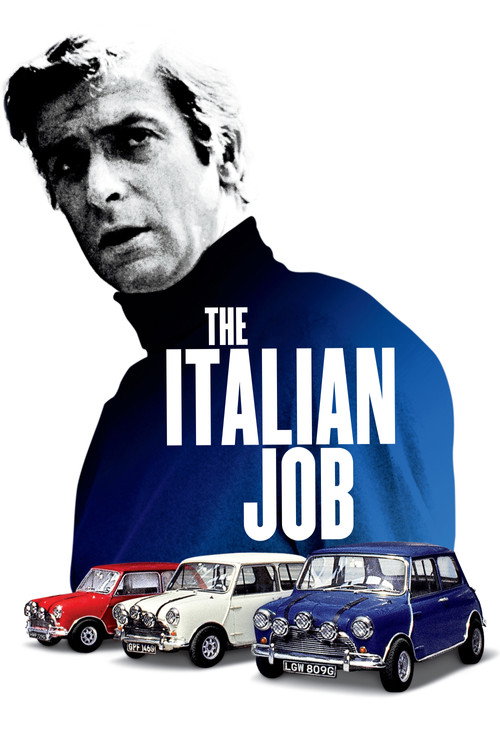
The Italian Job1969
A British comedy heist with working-class characters and scrappy ambition, made just years before Legs. Same energy, same optimism that life might suddenly turn around if only you're clever enough.
But It's plot-driven and cheerful in a way Legs refuses to be—this is comfort food, whereas Legs makes you squirm.
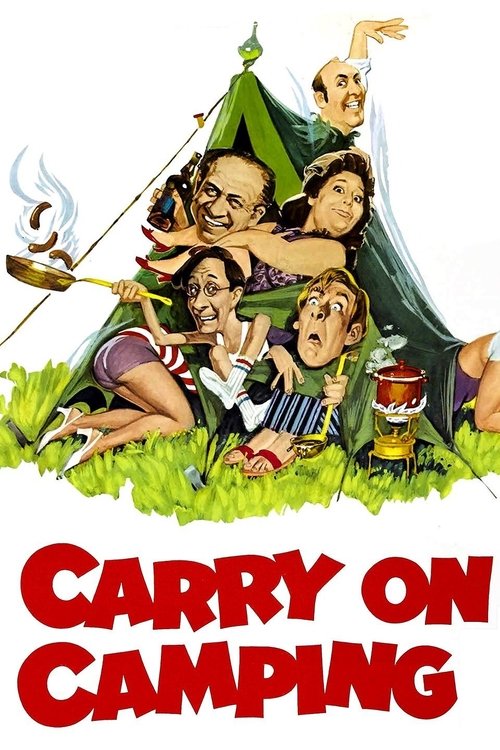
Carry On Camping1969
British ensemble comedy about ordinary people in extraordinary situations, built on the same music-hall traditions and variety-show sensibilities that underpin Legs. Similar DNA, broader execution.
But The Carry On films are essentially the same joke repeated across 31 movies—if you've seen one, you've seen the template, and this one doesn't add much.
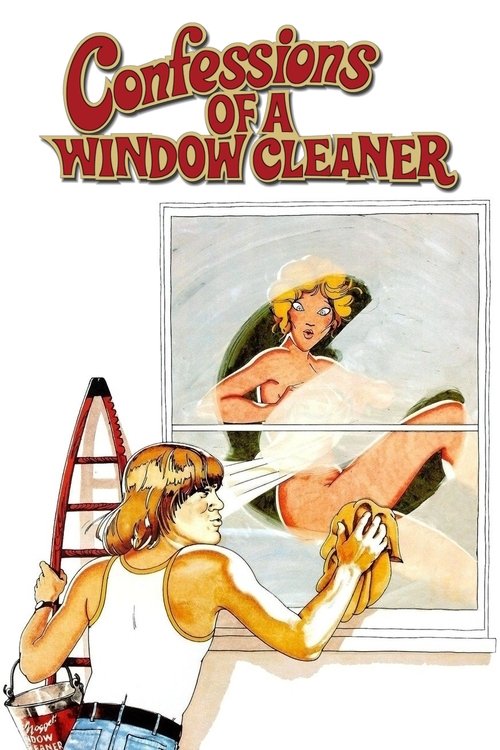
Confessions of a Window Cleaner1974
Seventies British comedy about a man's life circling the drain while he dreams of something better. Same era, same working-class perspective, same resigned acceptance that things won't improve.
But It's primarily interested in being raunchy rather than sad, which means it lacks the humanity that makes Legs sting.
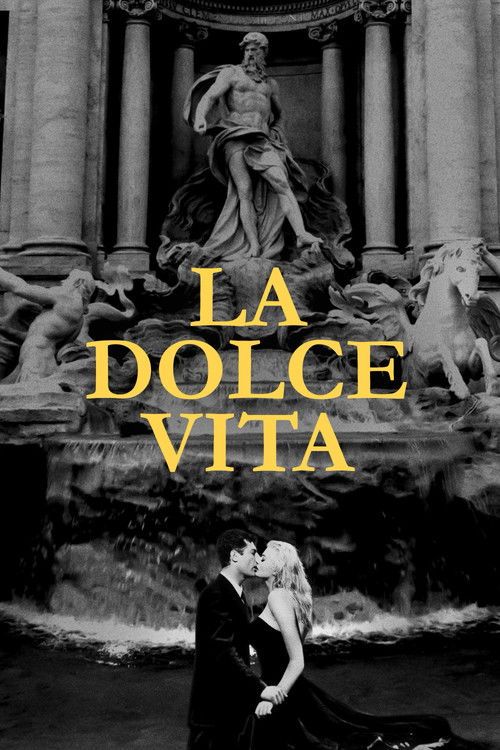
La Dolce Vita1960
Both track a performer whose life is splitting apart as he pursues a version of success that will never satisfy him; one finds it tragic and grand, the other finds it painfully comic and small.
Fellini's three-hour immersion in a performer who chases glamour and lives in moral chaos, shot with the fascination usually reserved for gods not middle-aged men. The dream of stardom as spiritual emptiness, rendered in black and white grandeur.
But It's Italian neorealism from sixty years ago, which means it's long, episodic, and deliberately unsentimental—watching it requires patience and willingness to sit with ambiguity.
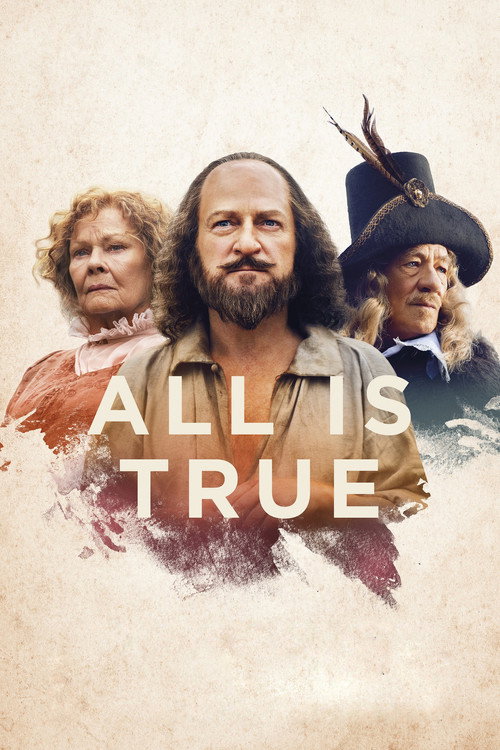
All Is True2018
Both examine a performer's need to perform even when there's no audience left—the compulsion to entertain as a substitute for actually living, and the cost it extracts.
Kenneth Branagh as Shakespeare in his final years, contemplating a career of invention and the wreckage of the man underneath—a performer facing the gap between his public self and private ruins. Quieter than Legs, but the same anatomy of male delusion.
But It's a prestige drama with literary ambitions and a pace designed for reflection rather than entertainment—if you want story and incident, this will feel slow and introspective.
People
Cast
 Reg VarneySherry Sheridan
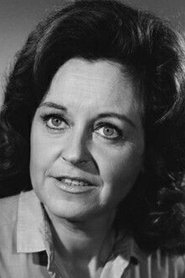 Diana CouplandMary Sheridan
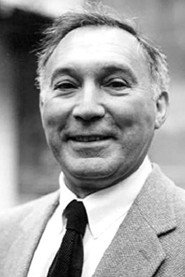 Lee MontagueCharlie Green
 Johnny BriggsMillet
- Jean HarveyEmma

 Clare SutcliffeGlad
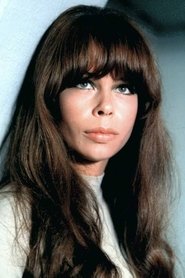 Penny SpencerEunice
 Michael HadleyAlan Sheridan
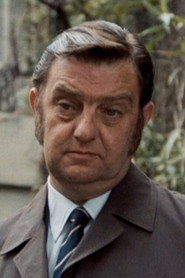 Bill DeanBert
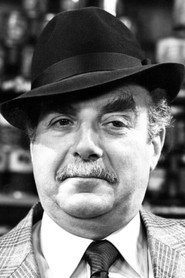 Reginald MarshFred
Directing
- Arnold RossAssistant Director
- Gladys GoldsmithContinuity
- Christopher HodsonDirector
Writing
- Kevin LaffanWriter
Production
- Robert LennardCasting
- Arnold RossLocation Manager
- Andrew MitchellProducer
- Johnny GoodmanProducer
- Malcolm J. ChristopherProduction Manager