
Film
Agora
Agora is Alejandro Amenábar's visually stunning historical drama about the mathematician and philosopher Hypatia of Alexandria, caught between an impossible love and a collapsing pagan world as Christianity rises. Weisz anchors the film with intellectual intensity and loneliness, watching her life's work and city burn. It's a film for those who love ambitious period pieces that aren't afraid of grandeur—or ambiguity.
Should you watch it?
Watch it if you want a handsome, unhurried period picture where the fight is over ideas as much as swords, and where astronomy and argument carry as much weight as the crowd scenes.
Skip it if you need brisk plotting or easy warmth, since the story is talky, sprawls across city politics, and keeps its distance from its heroine.
What it asks of you: A long, measured run of two hours and seven minutes, with dense dialogue and few easy hooks; its pleasures sit in staging and argument more than momentum.
Not sure? Find tonight's pick in a minute.
If you liked this
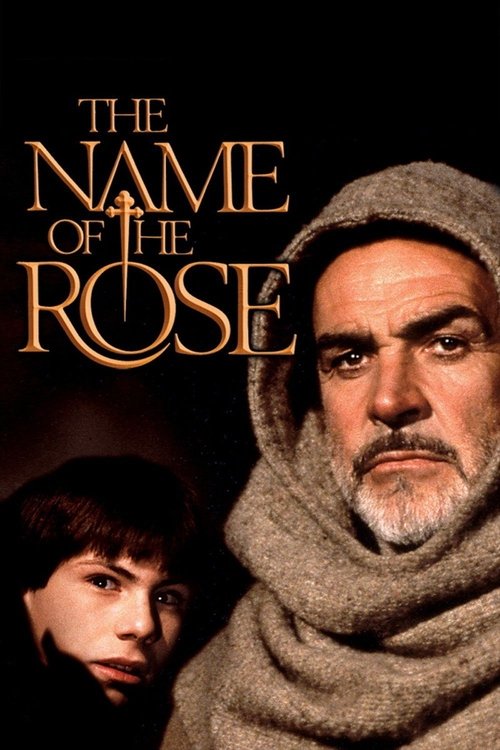
The Name of the Rose1986
A labyrinthine medieval mystery where faith, reason, and knowledge collide. Sean Connery investigates murders in a monastery library, asking the same questions about belief and truth that Agora poses, but through a different era and genre.
But It's deliberately slow and dense, full of theological debate that can feel airless if you're not in the mood for it.
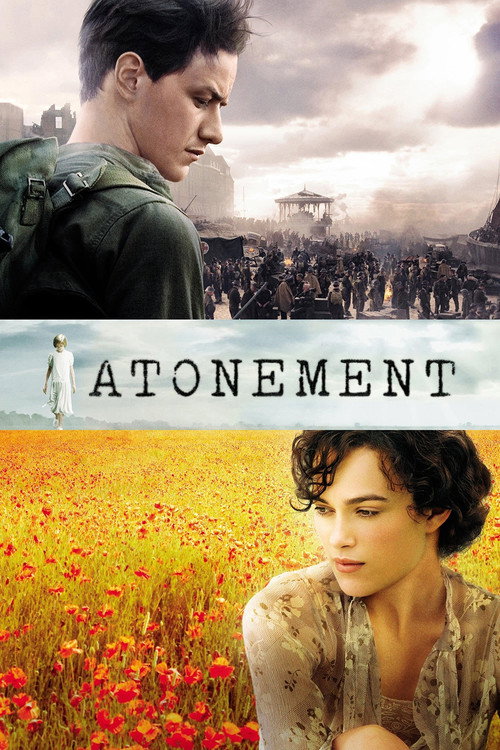
Atonement2007
A sweeping historical romance with similar visual ambition and tragic inevitability. Like Agora, it centers on an intelligent woman caught in circumstances beyond her control, with stunning cinematography and a refusal to offer easy comfort.
But The emotional core depends on accepting that goodness doesn't shield you from ruin. That can feel punishing rather than cathartic.
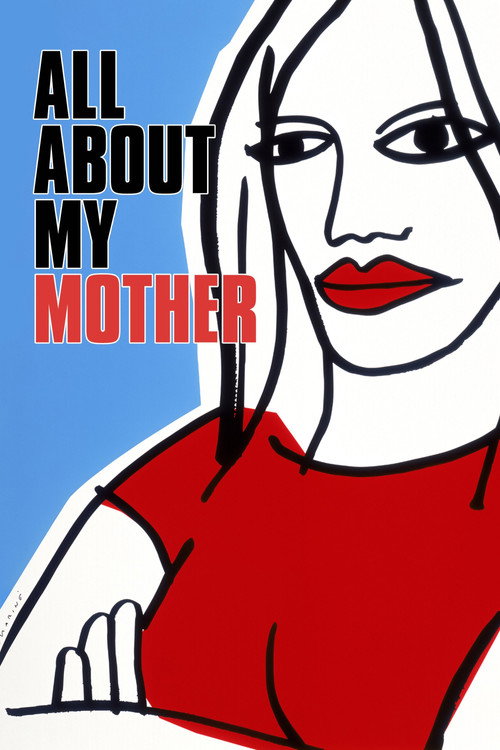
All About My Mother1999
Almodovar's masterpiece about women surviving in hostile cities, with theatrical flair and genuine tenderness. Like Hypatia, the characters navigate impossible situations with dignity and find strange grace in chaos.
But It's operatic and occasionally camp in a way that some find indulgent. The tone can feel contradictory if you're expecting naturalism.
Not sure tonight? Get a pick in a minute, starting from Agora
The wildcard
Something you would not have found on your own.
Synecdoche, New York2008
Both center on intellectuals whose vision and clarity cannot save them; both are ultimately about the futility of human will against forces larger than ourselves.
Charlie Kaufman's labyrinthine film about an artist creating a scale model of his city inside a warehouse, watching it decay as he obsesses. Like Hypatia, the protagonist is brilliant, isolated, and ultimately unable to prevent the collapse of everything they've built. Both are about the gap between understanding the world and changing it.
But It's deliberately confusing and structurally slippery. The style can overwhelm the substance, and it requires patience with ambiguity.

More like this (8)
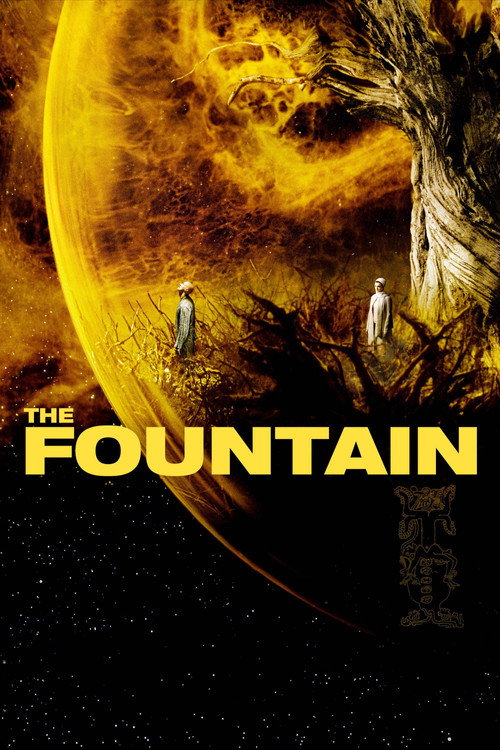
The Fountain2006
Amenábar's own visionary epic about love across centuries and the futility of human ambition against time itself. If you loved Agora's scope and melancholy, this captures similar grandeur and heartbreak through entirely different eras.
But It's genuinely divisive—the ambition sometimes outpaces execution, and the narrative structure frustrates people who want clarity.
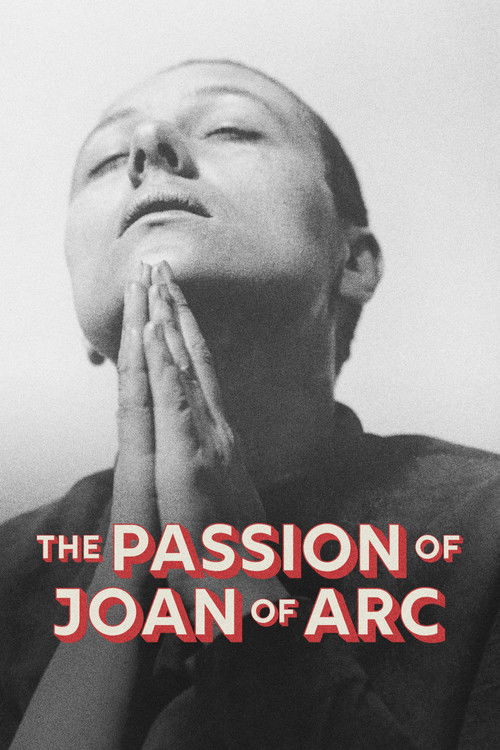
The Passion of Joan of Arc1928
Carl Theodor Dreyer's silent masterpiece about another woman of faith facing institutional power and martyrdom. Renée Jeanne Falconetti's performance is almost unbearably intense; the themes of conviction and suffering mirror Agora's concerns.
But It's a silent film from nearly a century ago. The pacing and acting style can feel alien if you're unused to pre-sound cinema.
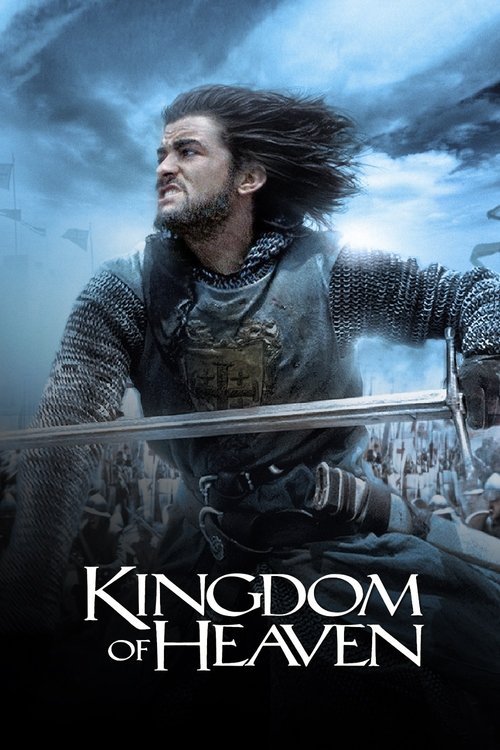
Kingdom of Heaven2005
Ridley Scott's ambitious historical epic about faith, power, and compromise during the Crusades. Like Agora, it takes historical conflict seriously and refuses to simplify the moral stakes, with Oscar Isaac's Balian as another idealist crushed by events.
But The theatrical cut is somewhat muddled; the director's cut is long. Even at its best, it's occasionally overwrought without quite earning the emotion.
The Last Temptation of Christ1988
Scorsese's provocative portrait of Christ as a conflicted man wrestling with faith and doubt. Like Agora, it's a serious film about religion and human will that refuses reverence as a substitute for thinking.
But It's deliberately blasphemous to many faiths and can feel self-consciously transgressive. Some find the theology muddled rather than profound.
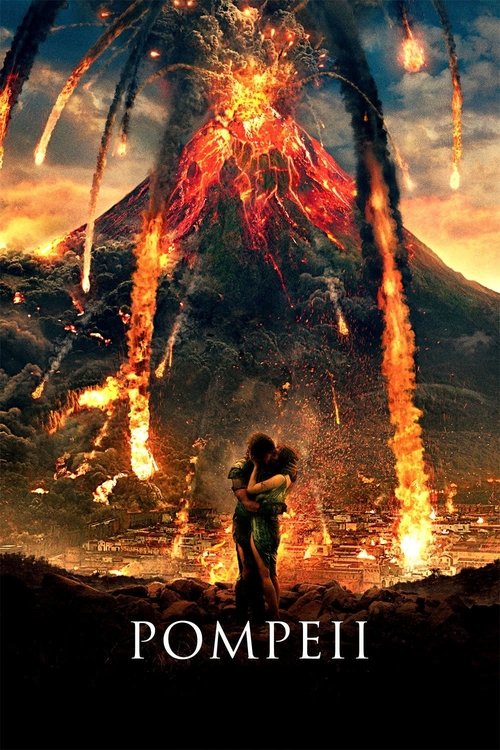
Pompeii2014
A Roman historical drama with genuine emotional stakes beneath the spectacle. Like Agora, it's about watching a civilization crumble while personal bonds are tested, with impressive production design that captures a world in its final hours.
But The script is occasionally clunky and the romance more conventional. It prioritizes action and spectacle over intellectual depth.
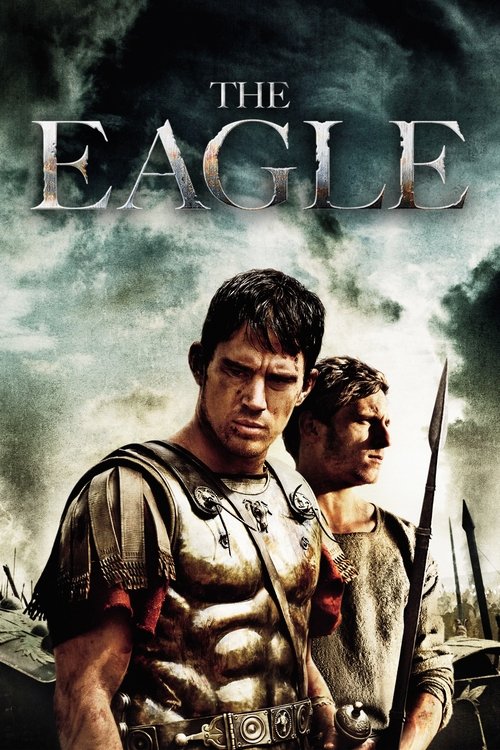
The Eagle2011
A lean Roman adventure film about duty, loss, and the machinery of empire. Channing Tatum and Jamie Bell are unexpectedly effective as men caught between loyalty and survival in a crumbling system.
But It's small-scale compared to Agora and less interested in the philosophical dimensions of its setting. Some find it a straightforward action film without deeper resonance.
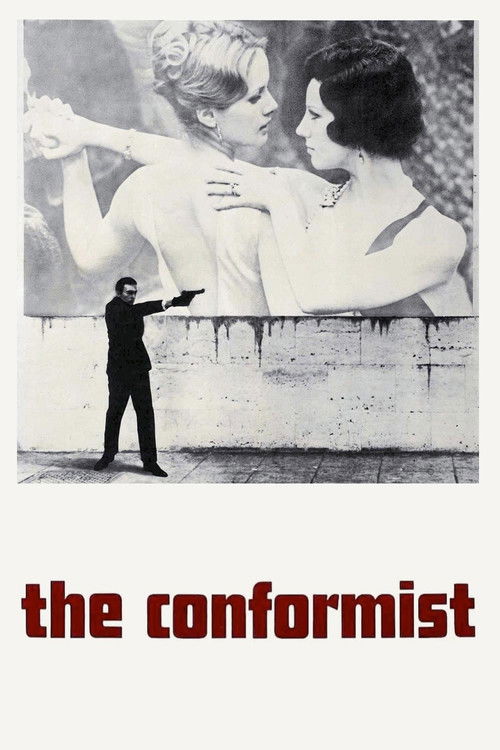
The Conformist1971
Both explore how personal desire and survival instincts collide with historical forces; both suggest that intelligence and good intentions offer no immunity to tragedy.
Bernardo Bertolucci's visually ravishing Italian film about a man who joins fascism to achieve normalcy, leading to moral and personal corruption. Like Agora, it's about individuals swept into historical currents they didn't create, with cinematography that's almost unbearably beautiful even as it depicts moral compromise.
But It's a 1970 European arthouse film—long, formally experimental, with attitudes toward sexuality that date it. The pacing is deliberate to the point of hypnotic.
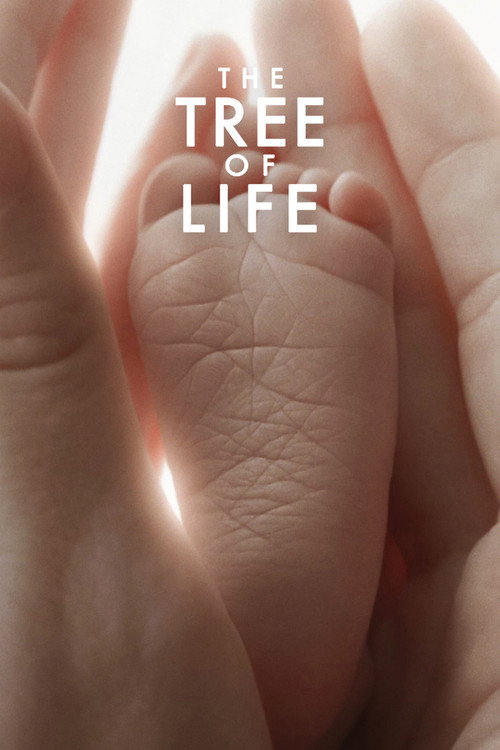
The Tree of Life2011
Both place human endeavor—scientific, spiritual, personal—against the vast indifference of time and cosmos; both use visual beauty to express philosophical resignation.
Terrence Malick's cosmic meditation on existence, faith, and cosmic indifference. Entirely without plot in the conventional sense, it's a visual and philosophical poem about humanity's place in time. If Agora moves you with its grandeur and its insistence that the universe doesn't care about our struggles, this pushes that idea to its absolute limit.
But It's genuinely challenging and demands surrender rather than engagement. Some find it pretentious or boring; others find it transcendent. There's little middle ground.
People
Cast
 Rachel WeiszHypatia
 Max MinghellaDavus
 Oscar IsaacOrestes
 Ashraf BarhomAmmonius
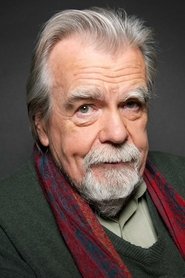 Michael LonsdaleTheon
 Rupert EvansSynesius
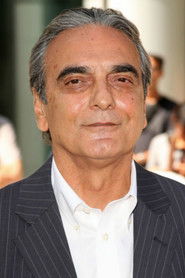 Homayoun ErshadiAspasius
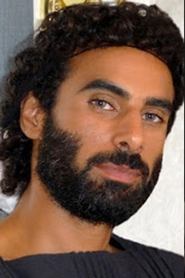 Sami SamirCyril
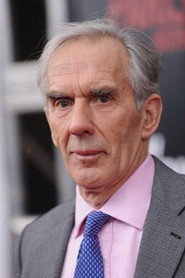 Richard DurdenOlympius
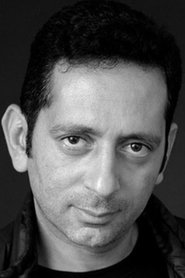 Omar MostafaIsidorus
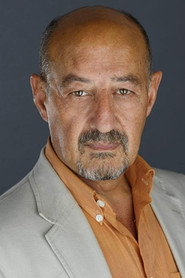 Manuel CauchiTheophilus
 Oshri CohenMedorus
Directing
- Alejandro AmenábarDirector
- Carmen SorianoScript Supervisor
Writing
- Alejandro AmenábarWriter
- Mateo GilWriter
Production
- Terri TaylorCasting Consultant
- Jina JayCasting Director
- Jaime Ortiz de ArtiñanoExecutive Producer
- Simón de SantiagoExecutive Producer
- Mark SansoneLocation Manager
- Álvaro AugustínProducer
- Fernando BovairaProducer
- José Luis EscolarProduction Director