
Film
Hail Mary
Godard's provocative 1985 retelling of the Nativity myth relocates sacred story to modern Switzerland, centering Mary as a uncertain college student navigating miraculous pregnancy. Visually austere and thematically dense, it's meditative rather than narrative-driven, wrestling with faith, bodily autonomy, and cinema itself. For those willing to sit with ambiguity.
Should you watch it?
Watch it if you like films that treat faith as a live argument, built from long silences, bare interiors and images that refuse to explain themselves, and you don't mind being unsettled rather than told what to feel.
Skip it if the narrative is deliberately elliptical and the mood cool, so if you need a story to carry you or find religious provocation tiresome, it will feel like a locked room.
What it asks of you: Seventy-two minutes, but many of them are held frames and quiet domestic business, so patience with stillness matters more than attention to plot.
Not sure? Find tonight's pick in a minute.
If you liked this
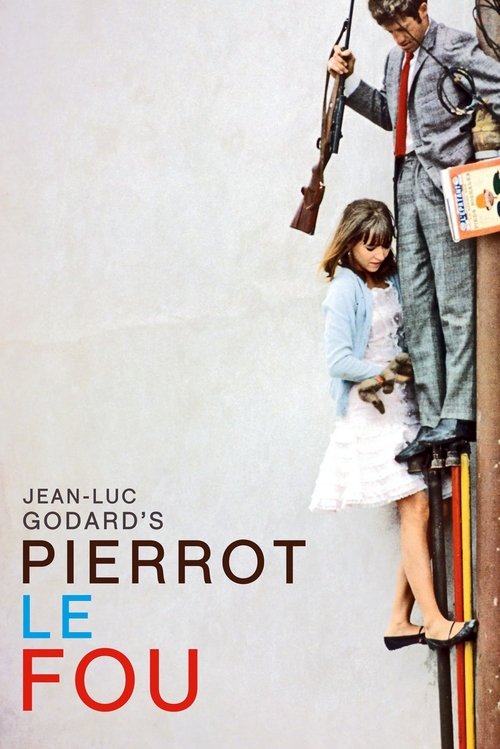
Pierrot le Fou1965
Godard's wildly inventive love story—equally philosophical and playful, mixing genres and tones to examine desire, identity, and art itself. If you want Godard beyond the reverence.
But The narrative dissolves deliberately; there's no plot to grip you, just ideas and images. Exhausting for some, liberation for others.
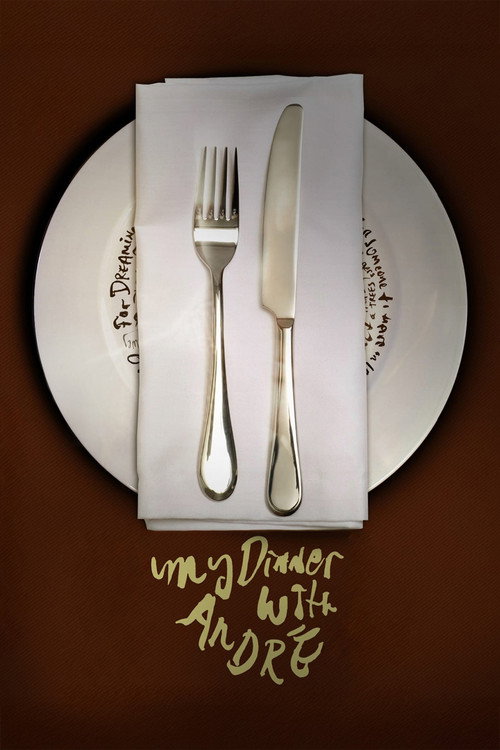
My Dinner with Andre1981
Two hours of conversation in a restaurant, yet utterly magnetic. Two men debate meaning, art, and how to live. Proves cinema needs no spectacle to grip you, only genuine thought.
But It is literally two men talking. If you need action or plot momentum, you'll feel the minutes.
A Ghost Story2017
A ghost in a white sheet observes time, loss, and meaning from beyond death. Achingly beautiful and existentially strange. Modern, but has Godard's willingness to frustrate and transcend.
But Deliberately paced, almost glacial. The famous scene involves a woman eating a pie for five minutes. Not for the restless.

Not sure tonight? Get a pick in a minute, starting from Hail Mary
The wildcard
Something you would not have found on your own.
The Red Shoes1948
Both use the body—especially a woman's body—as the site where the sacred and the ordinary collide. Both trust visual language over dialogue to explore transcendence and bodily destiny.
Powell and Pressburger's visual symphony about obsession, art, and faith—a dancer caught between love and creation, told through ravishing Technicolor ballet sequences. Sacred cinema through pure cinema.
But Operatic and formally theatrical; if you need realism or restraint, the melodrama will seem overwrought.

More like this (8)
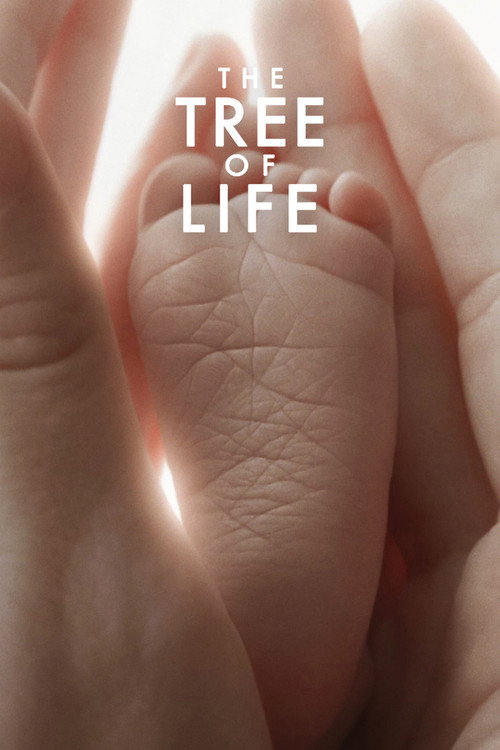
The Tree of Life2011
Malick's cosmological meditation on faith, family, and grace. Shattered narrative, whispered voice-over, overwhelming visual poetry. Sacred cinema that avoids sermon.
But Three hours, no conventional plot, and deliberately oblique about meaning. Some find it transcendent; others find it self-important.
Sunrise: A Song of Two Humans1927
Silent film about temptation, redemption, and love renewed. Formally audacious and emotionally direct. Shows cinema can be both experimental and profoundly moving.
But Silent film from 1927. If you struggle with older cinema or need dialogue to anchor you, this demands patience and attention.

Stalker1979
Tarkovsky's hypnotic science fiction about desire and faith, structured like a pilgrimage. Slow, meditative, gorgeous. Cinema as spiritual experience rather than entertainment.
But 163 minutes. It moves at its own pace entirely. Contemplative to the point that some experience it as boring rather than profound.

La Haine1995
Twenty-four hours in Paris suburbs, following three young men through rage and grace. Stylish and urgent, examining violence, class, and belonging without preaching.
But Handheld, energetic style; some find it dated in its aesthetics. The violence and tension aren't for everyone.

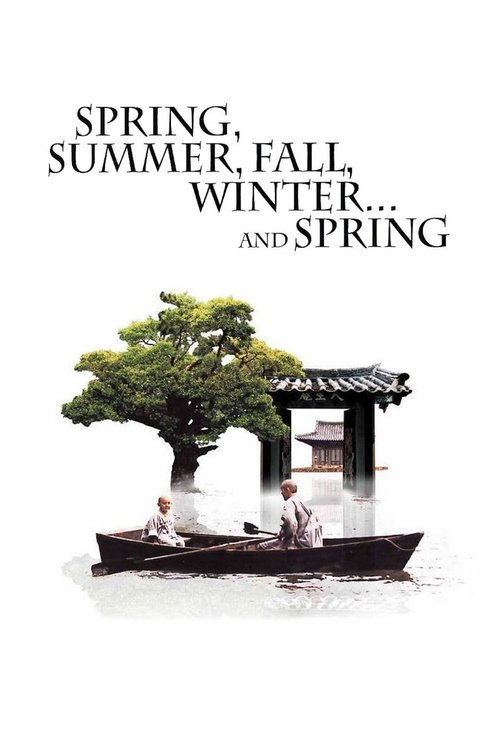
Spring, Summer, Fall, Winter... and Spring2003
A Buddhist monk and his pupil live in isolation on a lake temple. Wordless, cyclical, achingly beautiful. Spiritual cinema that earns its reverence.
But Very slow, minimal dialogue, and asks you to find meaning in repetition and atmosphere rather than character or plot.
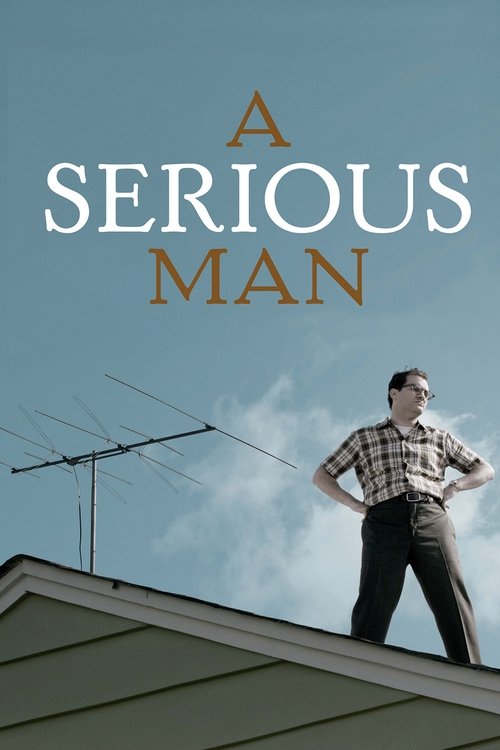
A Serious Man2009
Coen Brothers' darkly comic meditation on suffering, faith, and random chaos. Jewish mysticism meets American anxiety. Funny, frustrated, and deeply philosophical.
But Deliberately unsatisfying ending; the whole film refuses easy answers. Some see it as brilliant; others as a shrug.
Synecdoche, New York2008
Both make the viewer complicit in uncertainty. Godard and Kaufman refuse to resolve or explain; both ask you to live in the space between meaning and confusion, between watching and being watched.
Kaufman's baroque one-man-show about a theater director whose art and life collapse into each other. Bewildering, painful, hilarious. Art-about-art that somehow breaks your heart.
But Deliberately constructed as a maze with no exit. Many find it impenetrable or self-indulgent; it demands surrender rather than understanding.

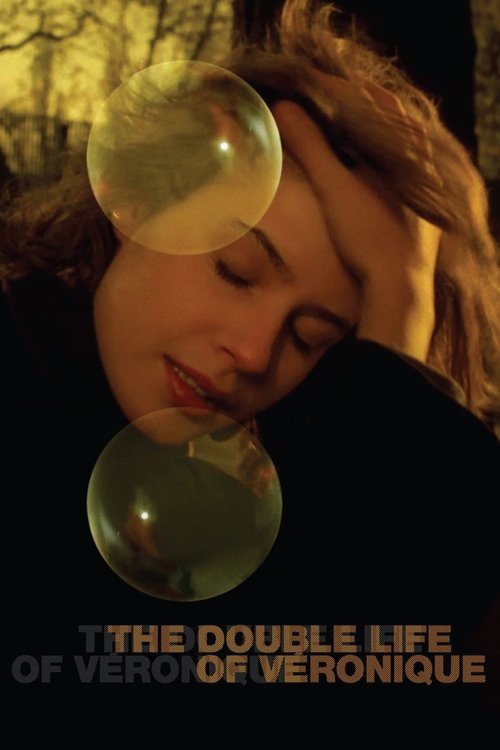
The Double Life of Véronique1991
Both films center a young woman whose body becomes the question—is she singular or split, her own or claimed by something larger? Both use visual beauty to suggest the numinous without explaining it.
Kieślowski's mysterious film about two women who might be the same soul, separated by geography and fate. Gorgeously shot in warm amber tones, asking whether identity is fixed or fluid. Spiritual without being religious.
But The plot is deliberately ambiguous and fragmented; you'll leave with more questions than answers. Demands active interpretation rather than passive reception.
People
Cast
 Myriem RousselMarie
 Thierry RodeJoseph
- Philippe LacosteArchangel Gabriel
- Manon AndersenLittle Girl
- Malachi Jara KohanJésus
 Juliette BinocheJuliette
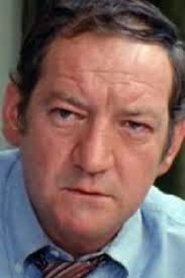 Georges Staquet(uncredited)
 Anne GautierEva (uncredited)
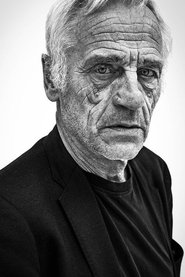 Johan LeysenProfessor (uncredited)
- Gisele MusyMom in the Waiting Room (uncredited)
- Serge MusyLittle Boy in the Waiting Room (uncredited)
Directing
- Jean-Luc GodardDirector
Writing
- Jean-Luc GodardWriter
Production
- Alain SardeProducer
- Yves PeyrotProducer
- François PellissierUnit Manager
- Philippe MalignonUnit Manager