
Film
Naan Kadavul
- Fantasy
- Strange
- Slow-burning
Naan Kadavul is a visionary Tamil film about a mystic who believes he controls life and death, told through ritualistic imagery and surreal narrative. Director Bala creates something deliberately disorienting and hypnotic—not a conventional story so much as an immersion in altered consciousness. It's for viewers willing to surrender to cinema as pure sensory experience rather than plot.
If you liked this
Requiem for a Dream2000
Aronofsky's descent into addiction uses fractured editing and soundscapes to put you inside a mind falling apart. Like Naan Kadavul, it transforms cinema into a hallucinatory experience where technique is the story itself.
But Grueling and repetitive by design. If you need conventional narrative momentum or emotional comfort, this will wear you down.

The Holy Mountain1973
Jodorowsky's surrealist odyssey matches Bala's commitment to ritual, symbolism, and the grotesque. Spiritual transcendence expressed through images that make no rational sense but feel deeply true.
But Deliberately obscure, often offensive, indulgent. Three hours of avant-garde provocation. Patience required; comprehension optional.

A Ghost Story2017
Lowery's meditation on loss and time uses repetition and stillness the way Bala uses ritual—creating transcendence through refusal to move. Both films ask what cinema can do that other art forms cannot.
But Slow to the point of stasis. A thirty-minute scene of someone eating pie. Demands you sit with grief rather than process it.

Not sure tonight? Get a pick in a minute, starting from Naan Kadavul
The wildcard
Something you would not have found on your own.
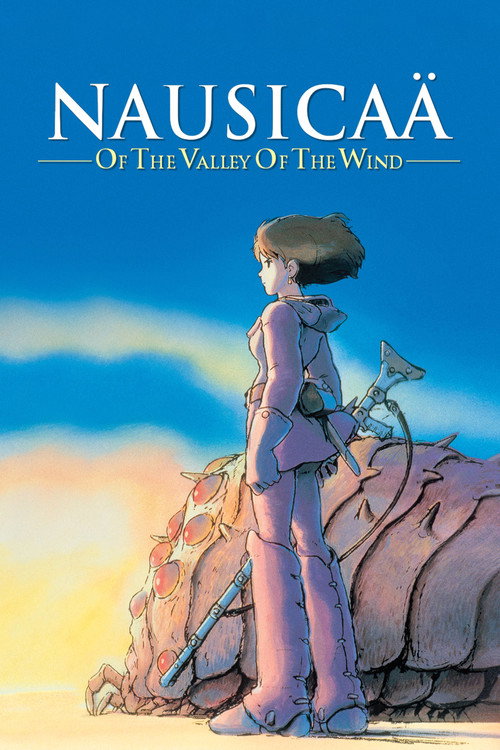
Warriors of the Wind1984
Both films centre a spiritual warrior figure with genuine power over life and death, using ritualism as visual language. Miyazaki makes the incomprehensible gorgeous; Bala makes it disturbing. Same engine, different effect.
Miyazaki's animated epic uses mystical warriors and ritualistic spirituality, but renders them in colour and movement that makes the otherworldly intimate. Naan Kadavul's surrealism translated into a form that feels almost accessible—strange, but beautiful.
But Fantasy adventure on the surface. If you want realism or cynicism, anime aesthetics will feel lightweight no matter the depth underneath.
More like this (8)
Under the Skin2014
Glazer strips narrative away entirely, leaving mood and image. Scarlett Johansson's silent alien absorbs the world the way Rudran tries to absorb life itself. Pure cinema as abstraction.
But Nearly dialogue-free, opaque in meaning. Many viewers find it glacial and pointless. The ending offers no catharsis.

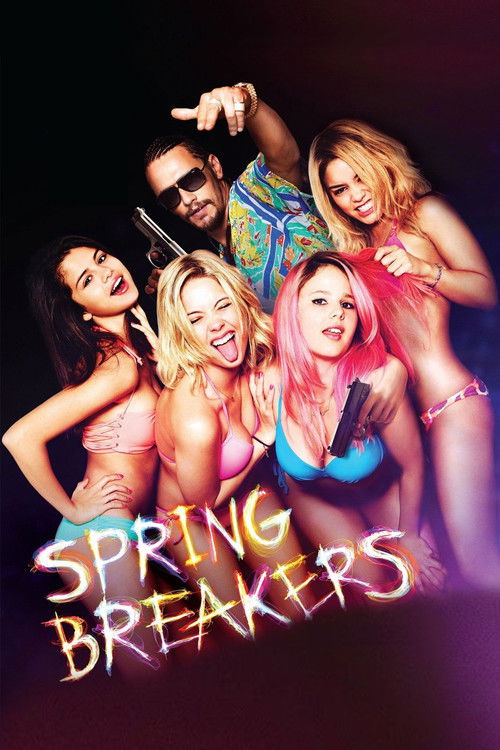
Spring Breakers2013
Korine's neon delirium uses repetition and altered colour as meditation. It's trashy and spiritual at once, finding the sacred in the profane the way Naan Kadavul finds divinity in madness.
But Deliberately shallow and provocative. Repetitive to the edge of annoyance. If you're morally rigid about its subjects, the irony won't save you.
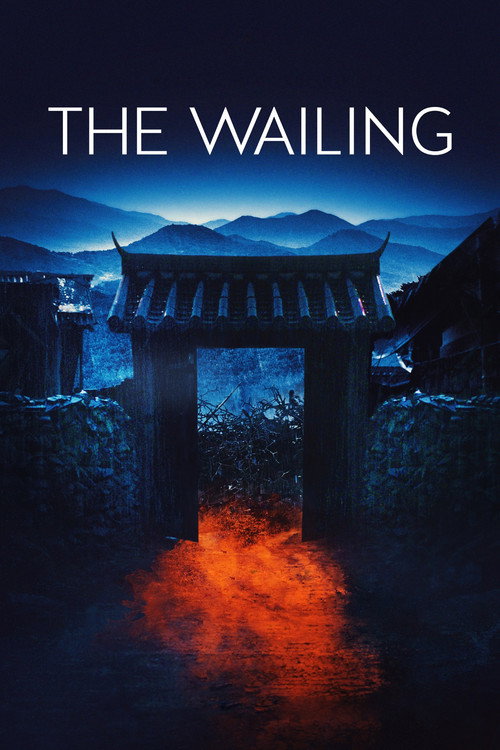
The Wailing2016
Na Hong-jin's Korean mystery spirals into ritualistic uncertainty about faith, corruption and reality. Like Bala's film, it refuses simple answers and trusts viewers to sit in ambiguity.
But Nearly two hours of mounting dread with no resolution. The symbolism is intentionally impenetrable. Some will feel manipulated rather than moved.
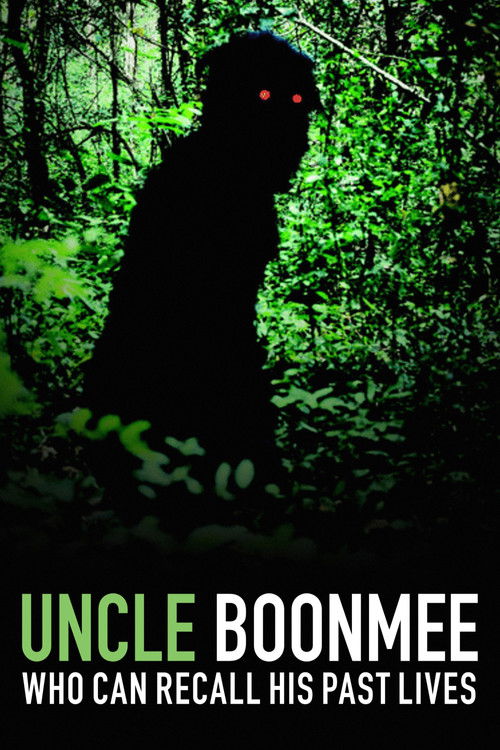
Uncle Boonmee Who Can Recall His Past Lives2010
Apichatpong's meditative ghost story moves at the pace of memory and ritual. Death and rebirth aren't drama here but gentle inevitability—the same spiritual register as Naan Kadavul.
But Almost nothing happens. Dialogue is sparse; shots hold forever. For many viewers, 'quietly contemplative' reads as 'boring.'
In the Mood for Love2000
Wong Kar-wai's sumptuous colour and fragmented narrative create yearning through repetition. Like Naan Kadavul, meaning lives in the spaces between scenes, not in plot.
But Style overwhelms substance. Minimal plot, dense symbolism. If you watch for what happens next, you'll be frustrated constantly.

The Tree of Life2011
Malick's cosmic meditation on existence uses ritual and image over narrative. Spirituality expressed through cinema itself—birth, death, cosmos, grace rendered as pure visual rhythm.
But Devoutly pretentious. Dinosaurs appear without explanation. Forty minutes of nature photography. Many find it self-important rather than transcendent.
Come and See1985
Both films use shocking imagery and refusal of conventional narrative not for shock value but as spiritual language. Ritual and repetition become ways of expressing the inexpressible.
Elem Klimov's Soviet war film uses surreal imagery and ritual violence to depict atrocity as spiritual corruption. Like Naan Kadavul, it trusts horrifying images to express transcendent truth. Utterly different subject, identical register.
But One of cinema's most brutal and traumatizing experiences. Not for any appetite I can recommend.

The Ascent1994
Both films are interested in solitary spiritual seeking expressed through pure visual commitment. A figure alone, pursuing enlightenment or death, rendered through image as prayer.
Russian animator Aleksandr Petrov hand-paints each frame, creating an otherworldly documentary about a climber seeking transcendence on a mountain. The spiritual yearning of Naan Kadavul expressed through oil paint and silence.
But Experimental animation with no dialogue. Forty-five minutes of one man climbing. Patience and appetite for abstraction required.
People
Cast
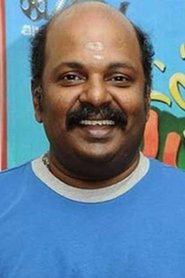
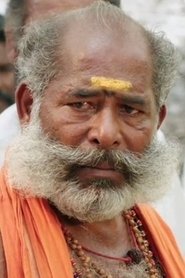
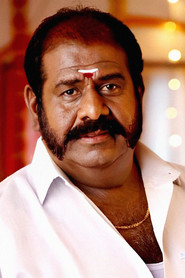
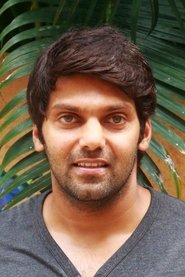 AryaRudran
 Pooja UmashankarHamsavalli
 RajendranThandavan
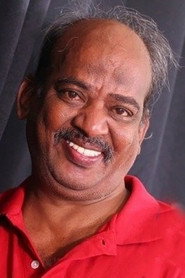 KrishnamoorthyMurugan
- Azhagan TamizhmaniRudran's father
Directing
- BalaDirector
Production
- K. S. SreenivasanProducer