
Film
Alexander
Oliver Stone's audacious retelling of Alexander the Great's conquest of the Persian Empire and beyond. A sprawling, visually ambitious epic that swings wildly between intimate character study and massive battle sequences. It's messy and divisive, but never boring—for viewers drawn to big historical swings and willing to embrace Stone's particular fever dream of ancient ambition.
Should you watch it?
Watch it if you love sprawling, operatic historical epics where grand ambition, fractured family loyalty and a restless, tormented hero matter more than tidy storytelling, and you don't mind a film that feels like it was made to be felt in a cinema.
Skip it if you want brisk pacing and a lean runtime, since at nearly three hours it moves in long, heavy stretches and its voiceover and flashbacks can feel repetitive rather than illuminating.
What it asks of you: Settle in for a long, deliberate sit, with the mood swinging between battlefield spectacle and intimate, brooding scenes of court intrigue and private anguish, and give it your patience.
Not sure? Find tonight's pick in a minute.
If you liked this
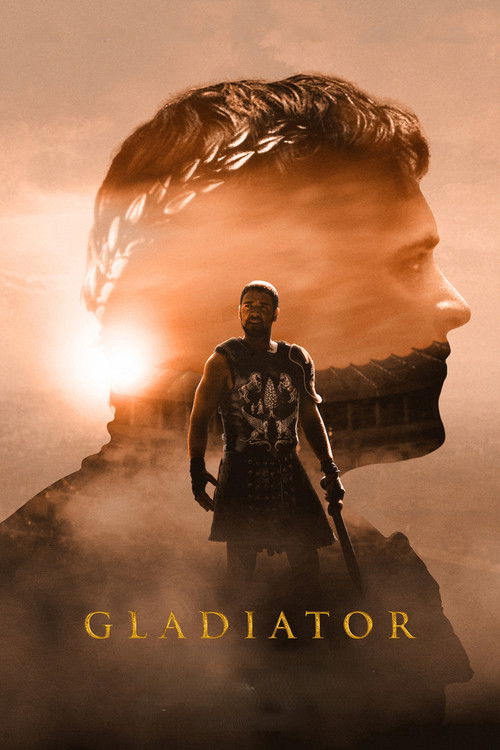
Gladiator2000
A more streamlined historical epic with similar visual grandeur and a gripping revenge narrative. Ridley Scott's tighter focus makes for a more satisfying dramatic arc than Stone's sprawl.
But If you want the same ambition and scope without the tighter plotting, Alexander actually offers more of what Stone was attempting.
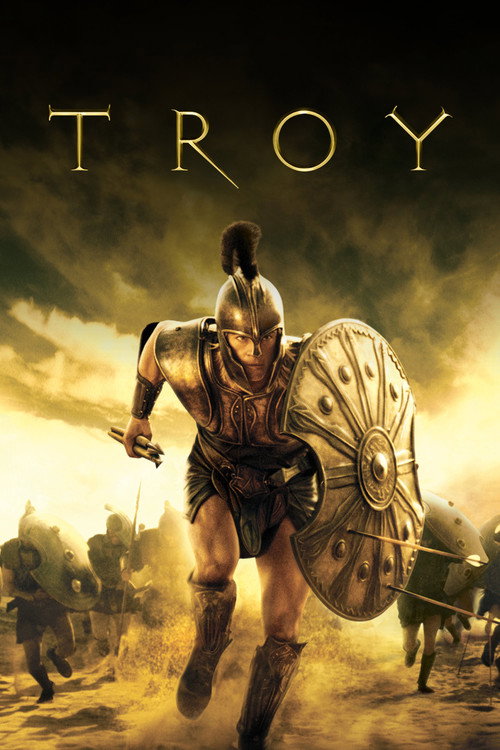
Troy2004
Released the same year, with comparable scale and similar problems—but it focuses on a single war rather than a continent-spanning conquest, which some find clearer and more compelling.
But Both films divide audiences; if you found Alexander exhausting, Troy's length and pacing may frustrate you further.
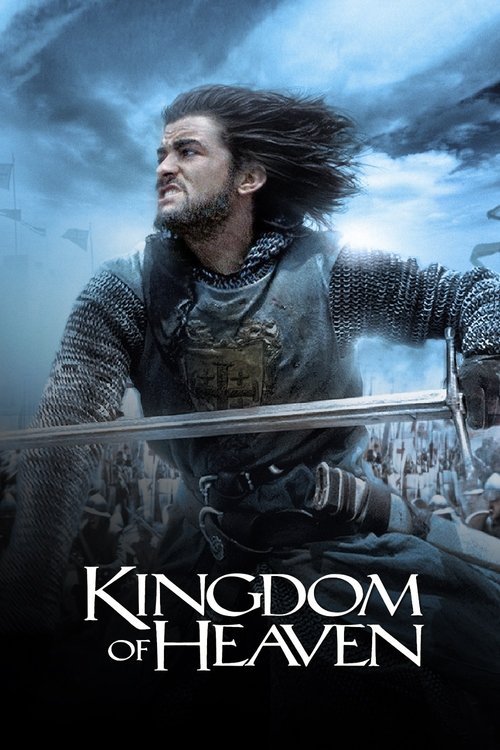
Kingdom of Heaven2005
Ridley Scott tackling another historical conflict with similar visual poetry and ambition. The Director's Cut restores much of the thematic richness that theatrical release lost.
But Another three-hour historical epic. If you're fatigued by Stone's approach, this may feel like more of the same challenge.
Not sure tonight? Get a pick in a minute, starting from Alexander
The wildcard
Something you would not have found on your own.
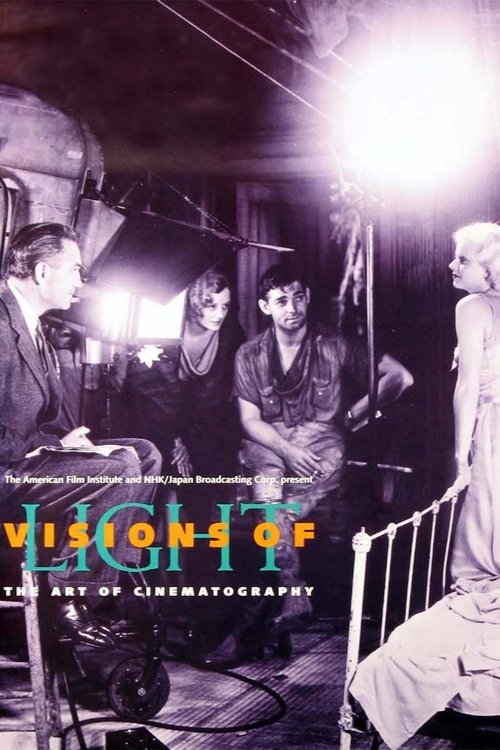
Visions of Light1992
Alexander is visually baroque to the point of distraction for some—this film explains why that choice might be deliberate, and what it means to paint history rather than report it. A companion that contextualizes Stone's ambition.
A documentary essay on how cinematographers have visualized historical epics and grand narratives. It explains the visual language Stone is speaking and why those choices matter.
But A technical essay rather than a story; pure cinema criticism without plot, character, or emotional narrative to carry you through.
More like this (7)
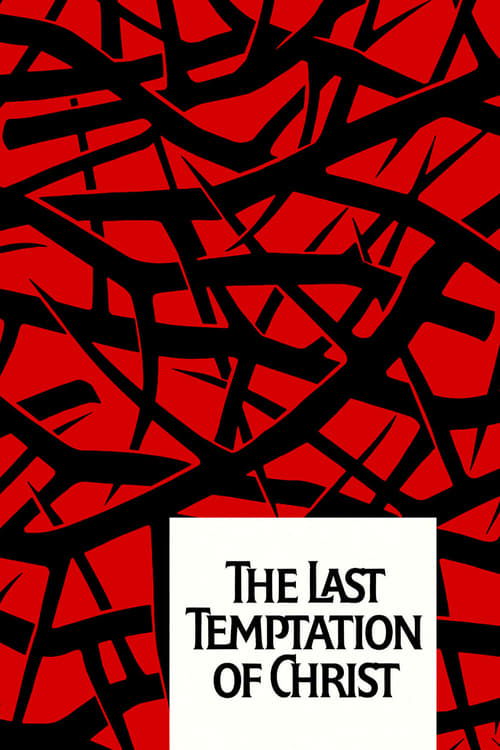
The Last Temptation of Christ1988
Stone at his most provocative, wrestling with questions of power, destiny, and divinity. A spiritual predecessor that shows where his interest in ambitious, contradictory protagonists comes from.
But Scorsese's film is deliberately blasphemous and contentious in ways that may overshadow its dramatic merit for some viewers.
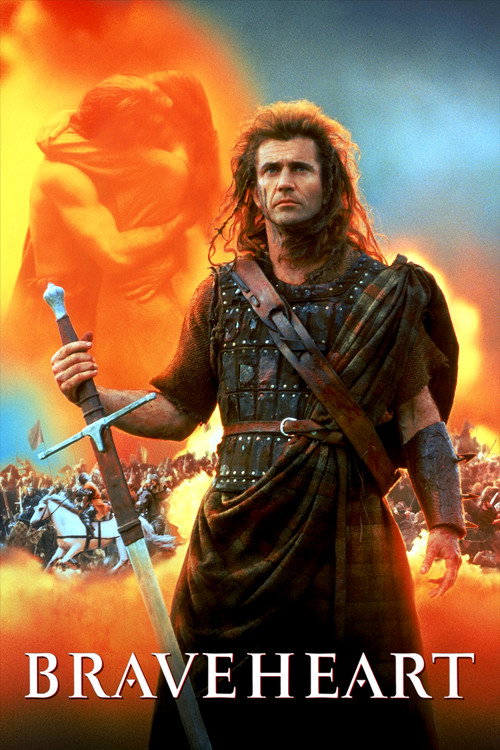
Braveheart1995
Mel Gibson's passionate take on another warrior-king fighting impossible odds. Less concerned with historical accuracy than emotional truth, with rousing battle sequences and genuine heart.
But Tonally and historically questionable in its own ways; if you want fidelity to fact, this sacrifices it even more freely than Alexander.
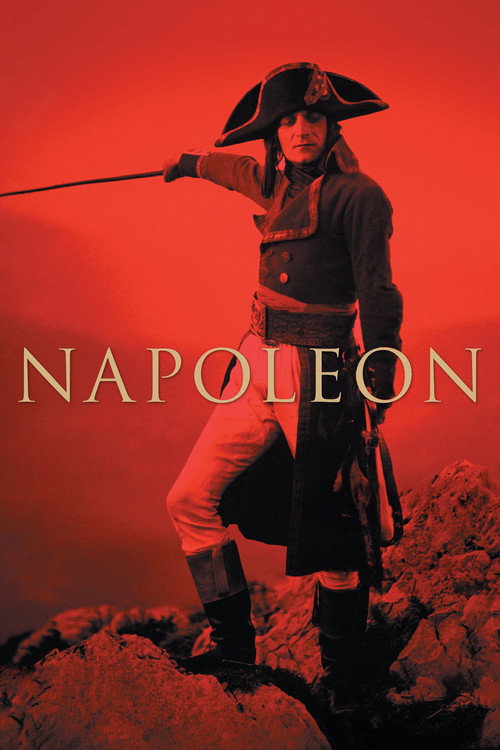
Napoleon1927
Abel Gance's silent epic spans a similar ambition—tracking another military genius reshaping the world. A technical and artistic marvel that influenced how we film history.
But Silent film with intertitles and a nearly five-hour runtime; it requires patience and adjustment to a completely different cinematic language.
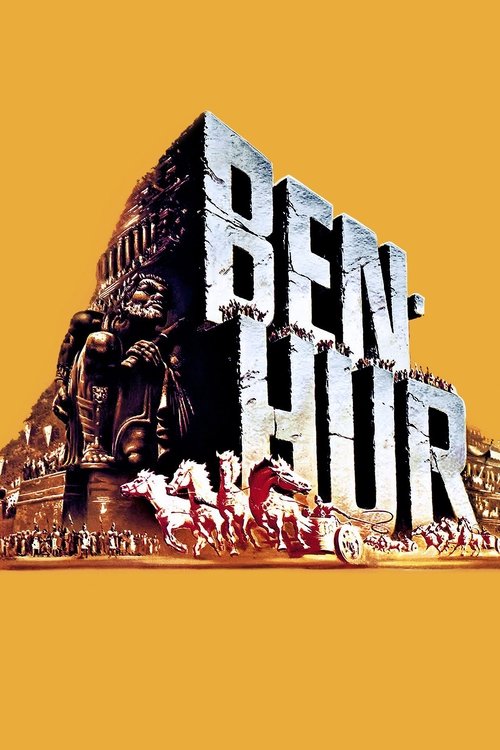
Ben-Hur1959
William Wyler's epic with genuine emotional stakes beneath its spectacle. The chariot race remains unforgettable, and the film balances action with intimate character work.
But Its pacing and sensibility feel utterly of the 1950s; some modern viewers find it overwrought and sluggish.
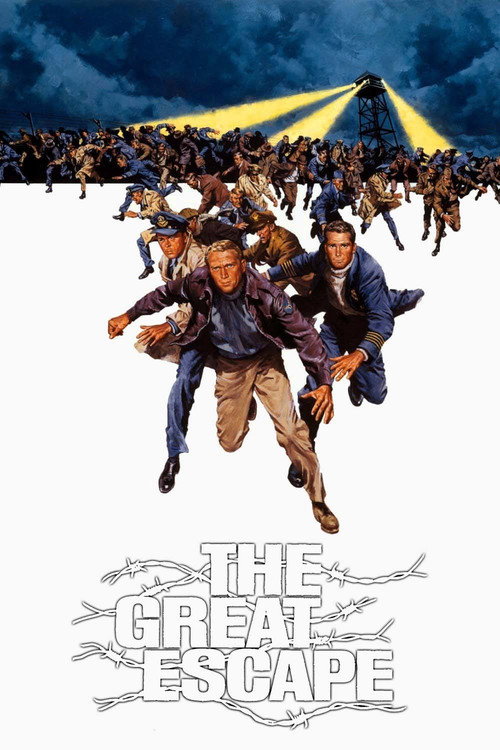
The Great Escape1963
Taut, intelligent ensemble war film that prioritizes character and tension over spectacle. Steve Reeves and John Sturges prove you don't need three hours to tell a gripping story about men against impossible odds.
But It's completely different in scale and ambition—if you want grandeur, this is deliberately, cleverly modest.
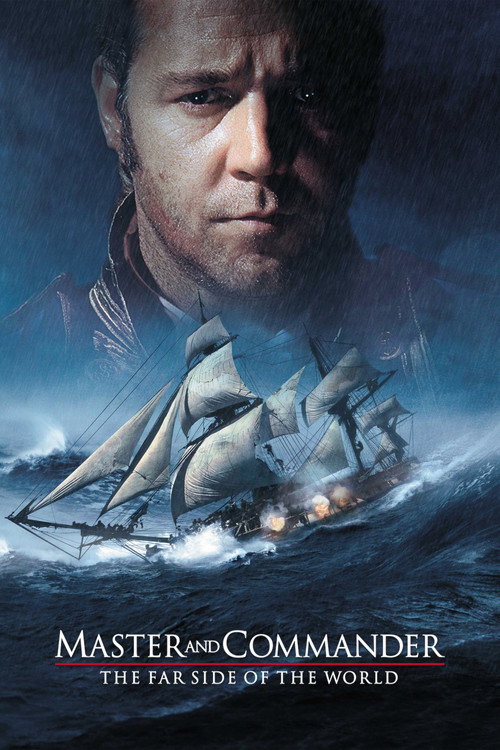
Master and Commander: The Far Side of the World2003
Russell Crowe in a historical adventure that captures masculine ambition, loyalty, and the cost of command. Thoughtful filmmaking that trusts the audience to follow complex politics and human dynamics.
But Intimate in a way Alexander is not; if you crave the sheer spectacle and scale, this film deliberately scales back.
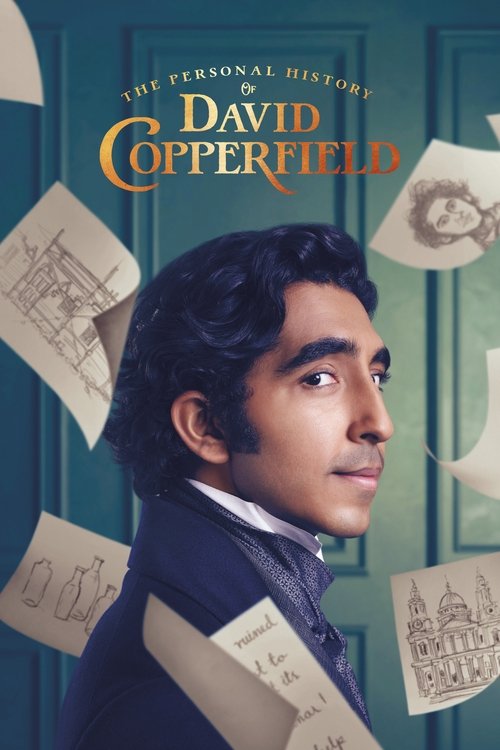
The Personal History of David Copperfield2019
Both films reject the notion that history must be solemn. They're unafraid to throw anachronism, visual excess, and tonal whiplash at their material. Iannucci succeeds where Stone perhaps overreaches, but they're reaching in the same direction—toward a cinema that feels alive rather than preserved.
Armando Iannucci's joyful, anarchic adaptation of Dickens with an astoundingly diverse cast. It proves that historical narrative can be visually wild, tonally unstable, and emotionally alive—remaking the past rather than reverencing it.
But Comedic and irreverent in ways that work against the reverence most historical epics demand; if you want dignity and grandeur, this trades them for something messier and funnier.
People
Cast
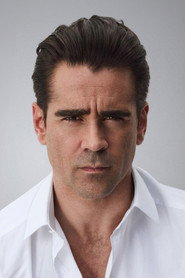 Colin FarrellAlexander
 Angelina JolieOlympias
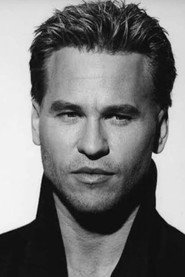 Val KilmerPhilip
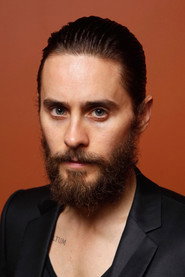 Jared LetoHephaistion
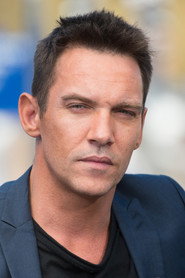 Jonathan Rhys MeyersCassander
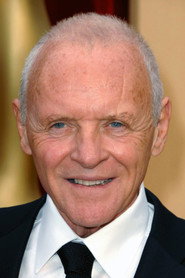 Anthony HopkinsOld Ptolemy
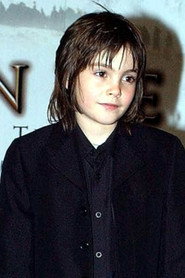 Jessie KammYoung Alexander
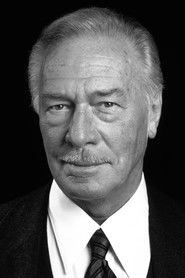 Christopher PlummerAristotle
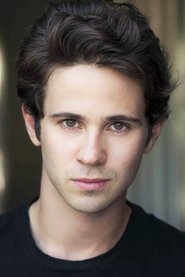 Connor PaoloYoung Alexander
- Patrick CarrollYoung Hephaistion
 Peter WilliamsonYoung Nearchus
 Morgan Christopher FerrisYoung Cassander
Directing
- Simon WarnockAssistant Director
- Oliver StoneDirector
- Sallie HardOther
- Tom BrewsterOther
- Julie BrownScript Supervisor
- Sue FieldScript Supervisor
- Michael StevensonSecond Assistant Director
- Yann Mari FagetSecond Assistant Director
- Iain LawrenceSecond Second Assistant Director
- Dale DyeSecond Unit Director
- Mohamed AchaourThird Assistant Director
Writing
- Enfys DickinsonCreative Producer
- Christopher KyleWriter
- Laeta KalogridisWriter
- Oliver StoneWriter
Production
- Sana El KilaliAccountant
- Louis ElmanADR Voice Casting
- Aziz BousfihaAssistant Accountant
- Adil AbdelwahabAssistant Location Manager
- Phyl AllarieAssistant Production Coordinator
- Majid Aoulad AbdellahAssistant Unit Manager
- Léonard GlowinskiAssociate Producer
- Michael MakerAssociate Producer
- Robert S. WilsonAssociate Producer
- Billy HopkinsCasting
- Kerry BardenCasting
- Lucinda SysonCasting
- Mark BennettCasting
- Suzanne Smith CrowleyCasting
- Piyanit AmphawatCasting Assistant
- Deborah Maxwell DionCasting Associate
- Fernando SulichinCo-Executive Producer
- Gianni NunnariCo-Executive Producer
- Hans de WeersCo-Producer
- Kurt P. GalvaoExecutive In Charge Of Production
- Aslan NaderyExecutive Producer
- Matthias DeyleExecutive Producer
- Paul RassamExecutive Producer
- Pierre GrunsteinExecutive Producer
- Volker SchauzExecutive Producer
- Michael ElsonHead of Production
- Pravesh SahniLine Producer
- Juliette MénagerLocal Casting
- Rebecca RoperLocal Casting
- Said AndamLocation Manager
- Suzanne GilbertPost Production Coordinator
- Iain SmithProducer
- Jon KilikProducer
- Moritz BormanProducer
- Oliver StoneProducer
- Santa PestonjiProducer
- Tabrez NooraniProducer
- Thomas SchühlyProducer
- Sarah TrowseProduction Accountant
- Hassan AridalProduction Assistant
- Mona BenjaminProduction Coordinator
- Dan MaagProduction Executive
- Karim AbouobaydProduction Manager
- Matthew LeeProduction Runner
- Nicolas BonnellProduction Supervisor
- Michael SingerPublicist
- Kathleen LordenResearcher
- Jonathan HookUnit Manager
- Sarah BradshawUnit Production Manager