
Film
Spartacus
Stanley Kubrick's Roman epic, made by Kirk Douglas as a rebuke to the studio system and the blacklist (screenwriter Dalton Trumbo got his name back here). It's three-plus hours of gladiatorial spectacle, mass battle, and genuine political fury about what freedom costs. Slower and more serious than most sword-and-sandal fare — this one actually believes in something.
If you liked this
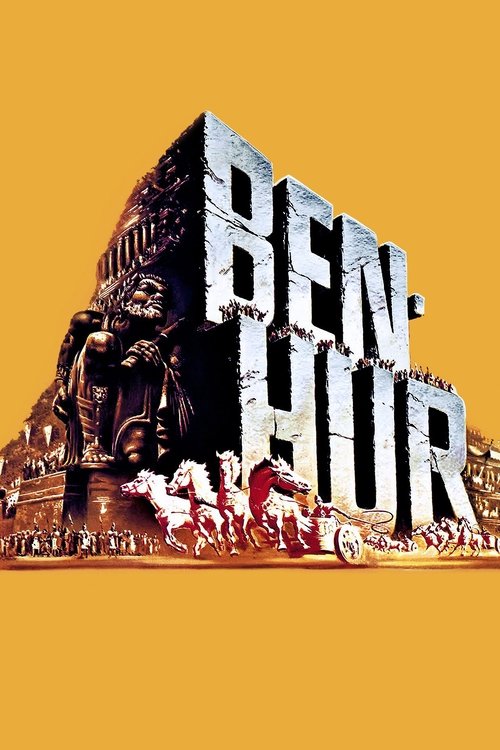
Ben-Hur1959
The other great Roman epic of its year, with a chariot race that still holds up as pure filmmaking craft. Same scale of ambition, same era of Hollywood throwing everything at the screen.
But More personal vengeance story than political rebellion — less interested in the machinery of empire than in one man's grudge.
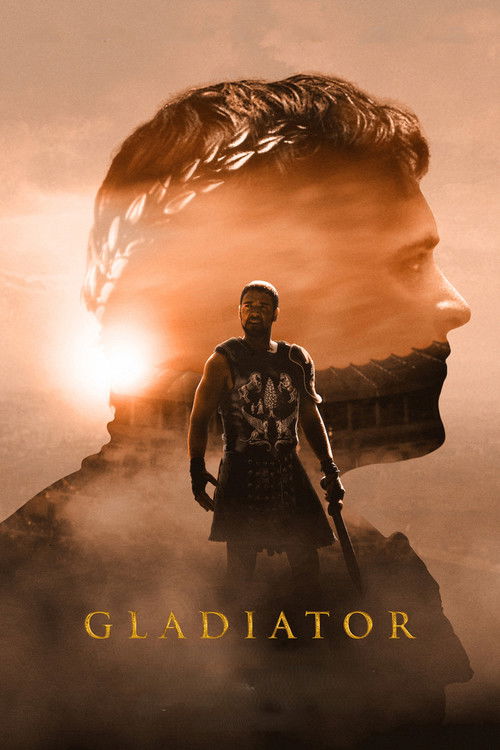
Gladiator2000
Ridley Scott's arena epic revived the whole genre for a new generation, with Russell Crowe as a slave-turned-fighter clawing his way toward Rome. Faster, bloodier, more modern in its rhythms.
But Trades some of the historical weight and political argument for pure revenge-drama momentum.
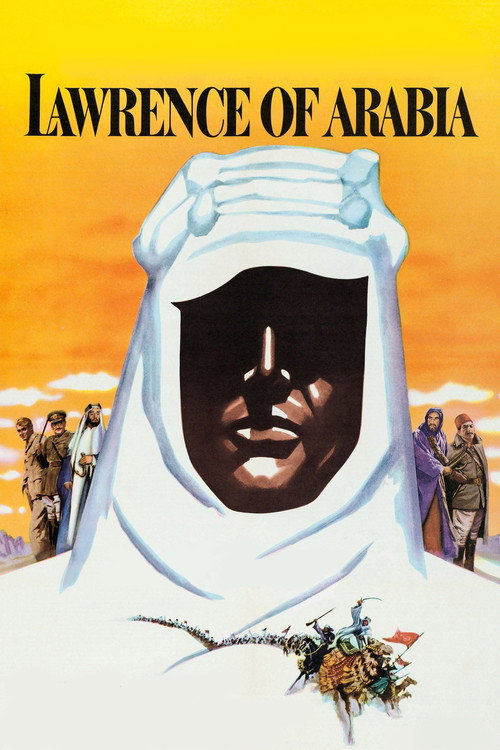
Lawrence of Arabia1962
Another towering epic about a man who becomes a symbol larger than himself, leading an uprising he can't fully control. Same widescreen grandeur, same interest in what leadership costs a person.
But Desert instead of arena, no gladiators — a slower, more introspective kind of epic.
The wildcard
Something you would not have found on your own.
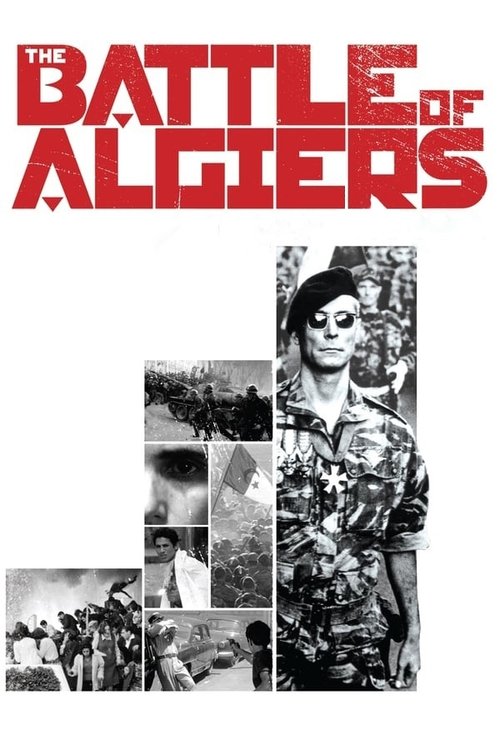
The Battle of Algiers1966
Same core question — what does it cost to fight an empire, and who gets to call it justified — but told with none of the studio gloss, from the ground level of an actual insurgency.
Gillo Pontecorvo's documentary-style account of Algerians rising against French rule strips away every bit of Hollywood romance from the idea of rebellion. Handheld, urgent, and morally unresolved in a way Spartacus never allows itself to be.
But No stars, no score you'll hum, no arena spectacle — it's closer to reportage than epic, and it doesn't want to be watched comfortably.
More like this (8)
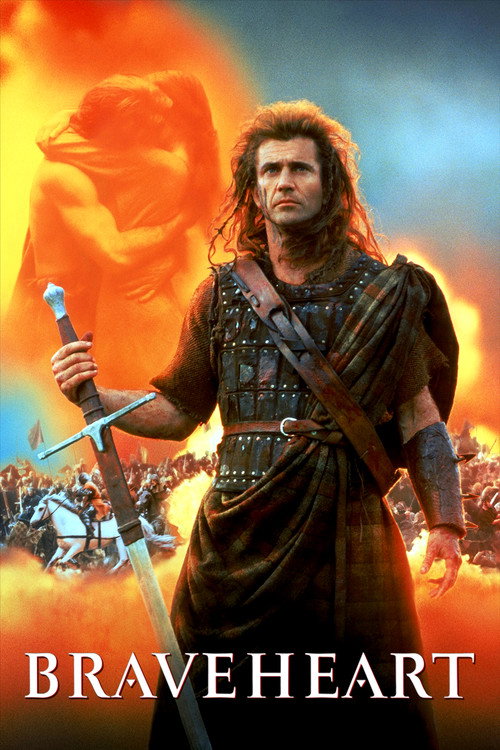
Braveheart1995
A rebellion against an empire, a leader turned into legend, a brutal final act — this hits a lot of the same beats with kilts instead of togas. Mel Gibson at his most operatic.
But Historically loose where Spartacus at least gestures toward accuracy, and considerably more sentimental about its hero.
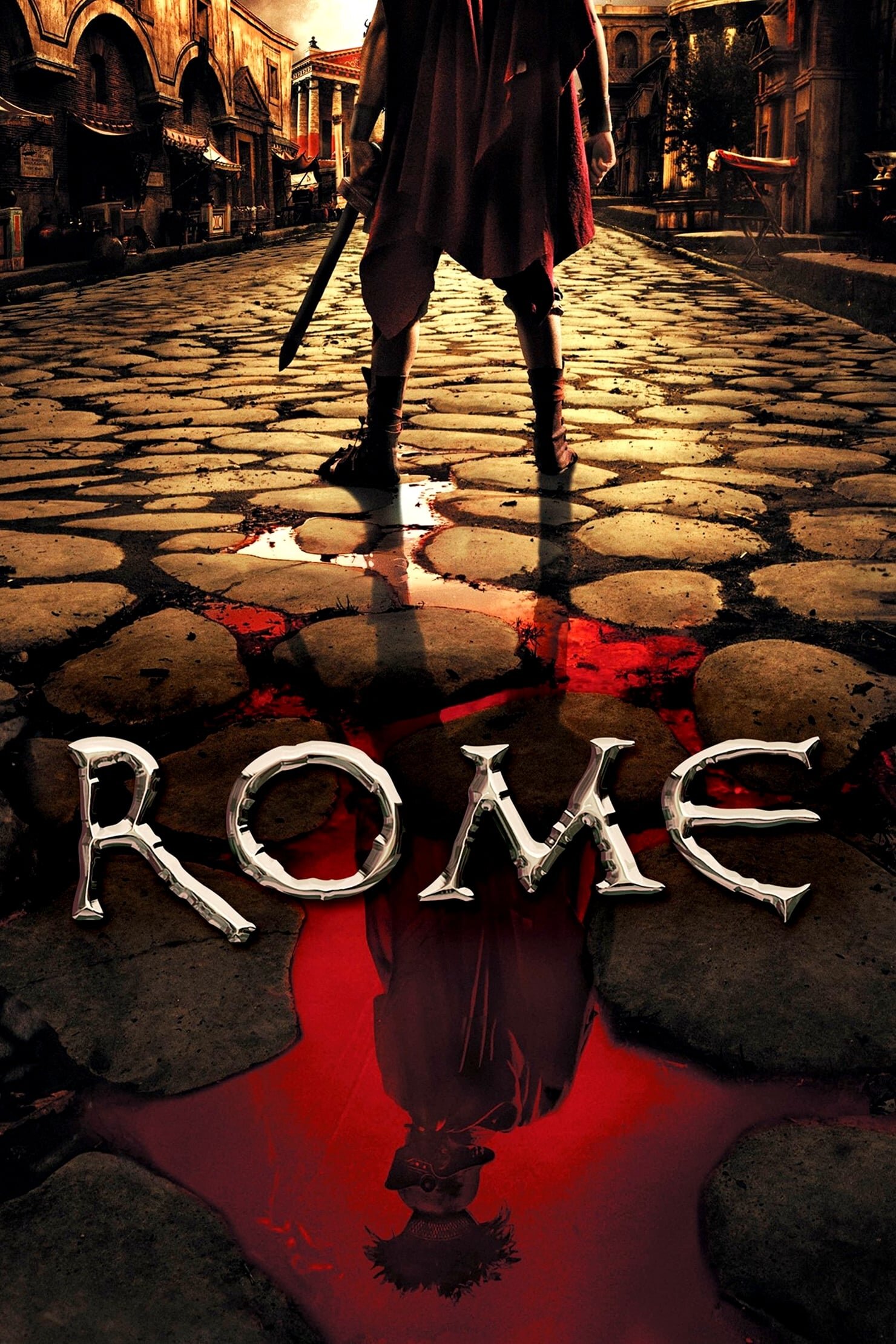
Rome2005
HBO's series drops you into the same late Republic world of slaves, senators, and civil war, with none of the studio-era restraint. Grubbier, funnier, more explicit about how power actually worked.
But Two seasons of soap-opera intrigue rather than one clean narrative arc — a bigger time commitment for a different kind of payoff.
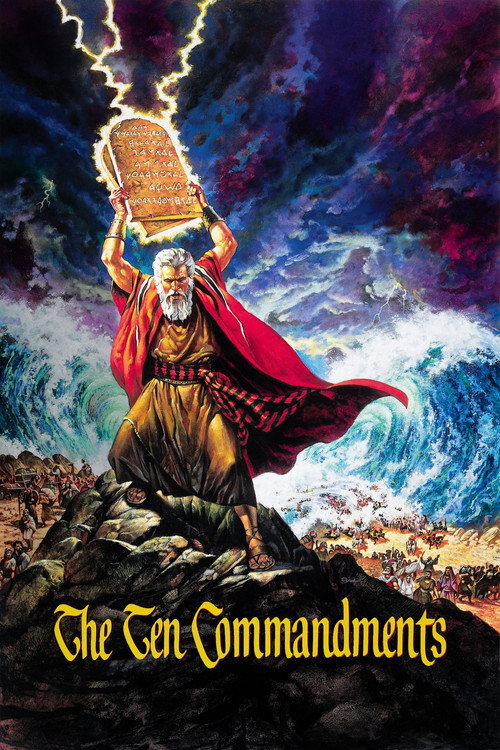
The Ten Commandments1956
Cecil B. DeMille's other giant slave-and-empire epic, with Charlton Heston leading his people out of bondage instead of into it. Same era's appetite for spectacle and moral certainty.
But More reverent and biblical in tone, with none of Spartacus's cynicism about power.
El Cid1961no page yet
Charlton Heston again, this time as a Spanish hero fighting an empire from the outside rather than within it. Similar scale of battle and similar interest in one man becoming a cause.
But Medieval Spain rather than ancient Rome, and a more straightforwardly heroic, less politically pointed film.
Quo Vadis1951no page yet
An earlier MGM Roman epic, set slightly later under Nero, with the same taste for enormous sets and moral spectacle. A good sense of what the genre looked like before Kubrick got hold of it.
But Stagier and more melodramatic — a reminder of how much Kubrick's version actually improved on the formula.
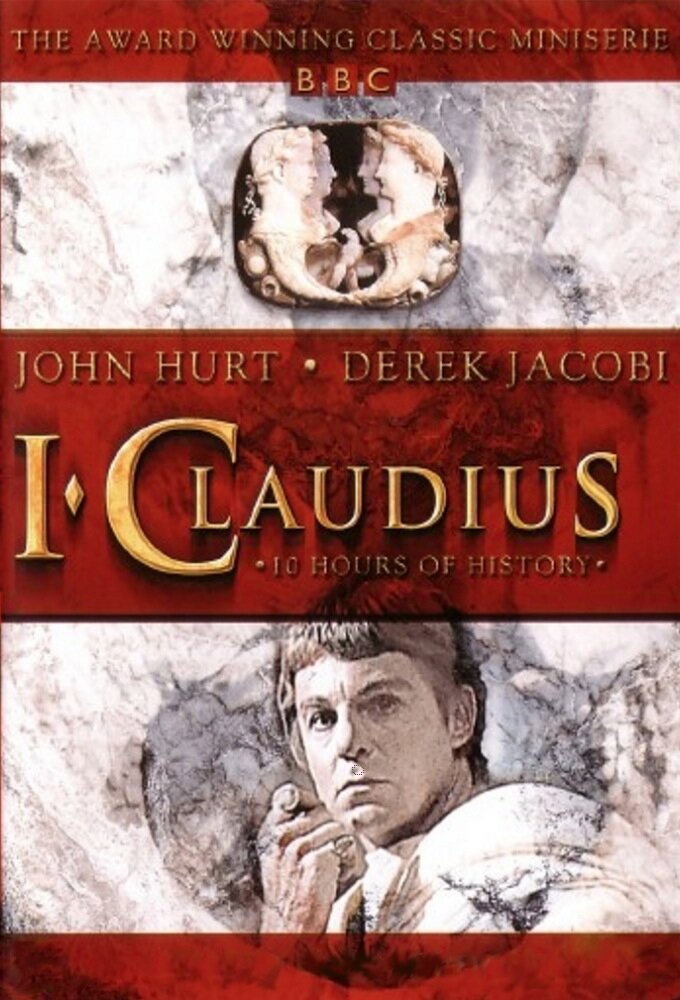
I, Claudius1976
The BBC miniseries that proved Roman politics could be pure theatre — poison, incest, betrayal, Derek Jacobi twitching magnificently through decades of imperial rot. Talky where Spartacus is muscular, but just as ruthless.
But Studio-bound and cheaply staged by comparison — all dialogue and daggers, no armies or arenas.
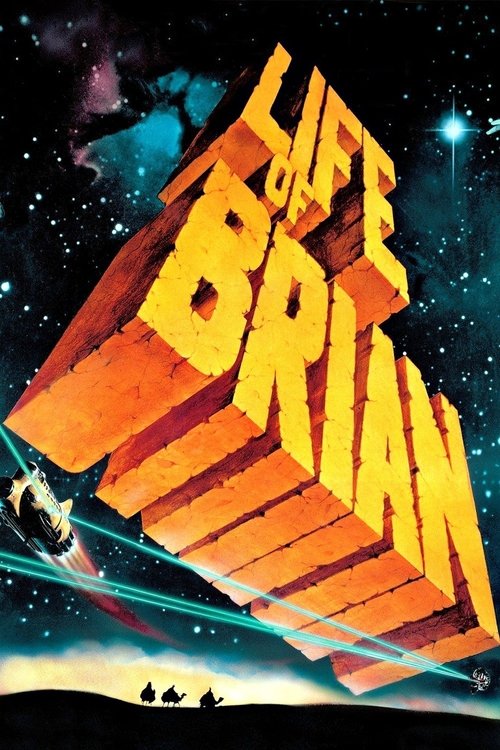
Life of Brian1979
Same Roman occupation, same crucified rebel figure, same crowd of the oppressed looking for a leader to follow — Python just refuses to take any of it seriously, which is its own kind of argument.
Monty Python's takedown of the exact genre Spartacus belongs to, right down to a crucifixion played for laughs and Roman soldiers who can't get their orders straight. It's the sword-and-sandal epic turned inside out.
But If Spartacus moved you, watching its furniture get gleefully dismantled might feel like sacrilege rather than fun.
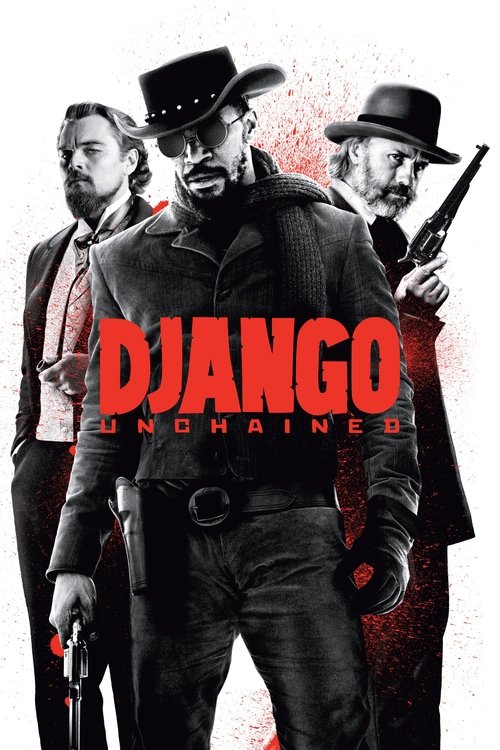
Django Unchained2012
A direct genre swap of the same engine — slavery, rebellion, one man's body as the site of the fight — filtered through spaghetti-western trash instead of Roman marble, with Tarantino nodding to Kubrick's film explicitly in its imagery.
Tarantino's slave-revenge western is pure pulp where Spartacus is stately, but it's chasing the same fury — an enslaved man turned weapon against the people who own him — and even borrows the crucifixion imagery outright.
But Gleefully violent and cartoonish in ways that will feel like a tonal slap after Kubrick's gravity — this one's out for catharsis, not tragedy.
People
Cast
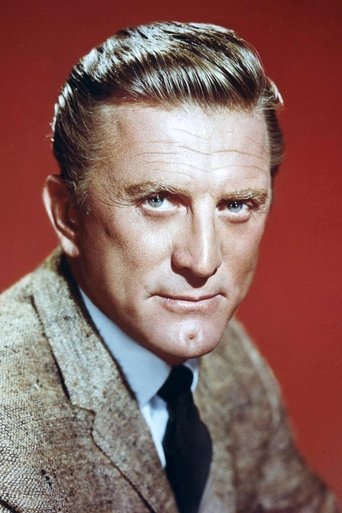 Kirk DouglasSpartacus
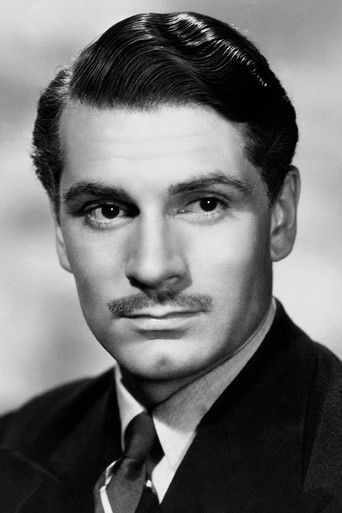 Laurence OlivierMarcus Licinius Crassus
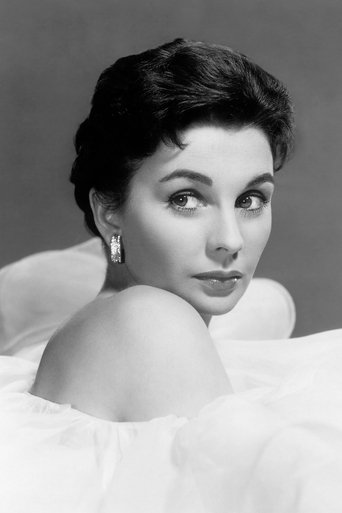 Jean SimmonsVarinia
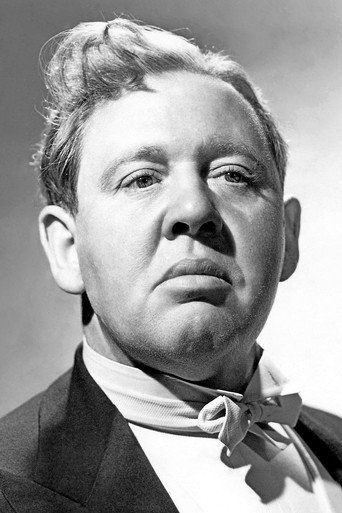 Charles LaughtonSempronius Gracchus
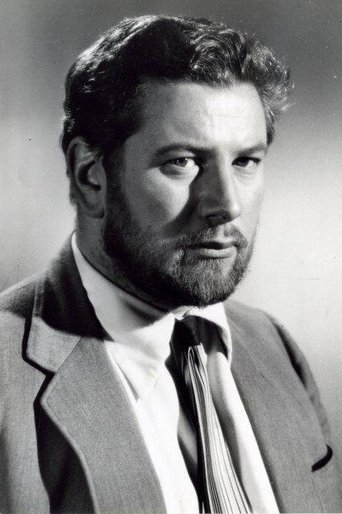 Peter UstinovLentulus Batiatus
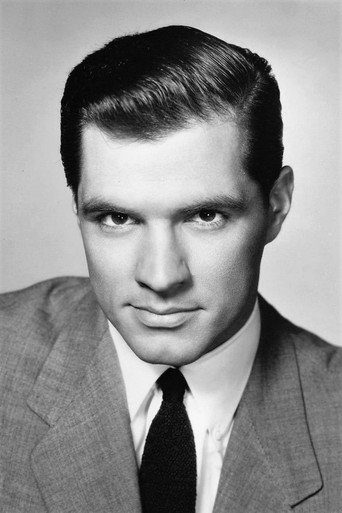 John GavinJulius Caesar
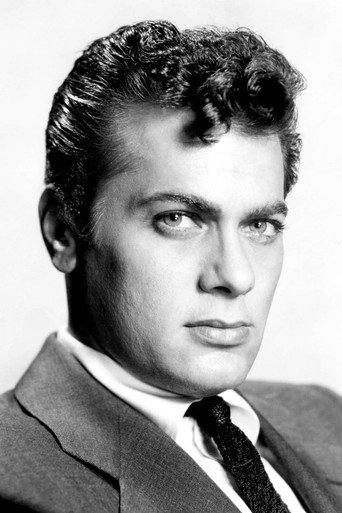 Tony CurtisAntoninus
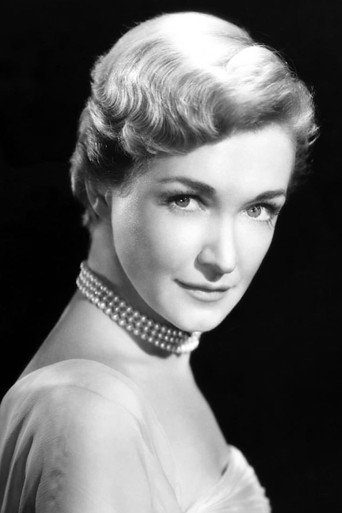 Nina FochHelena Glabrus
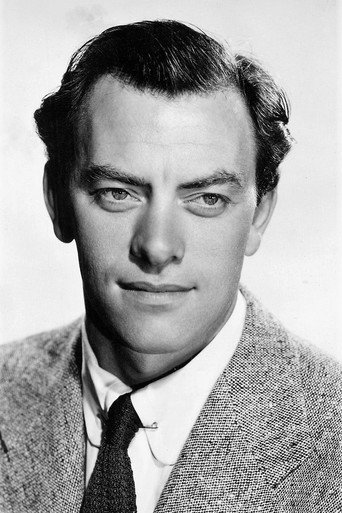 John IrelandCrixus
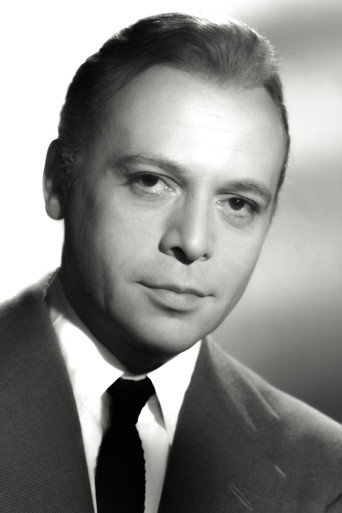 Herbert LomTigranes Levantus
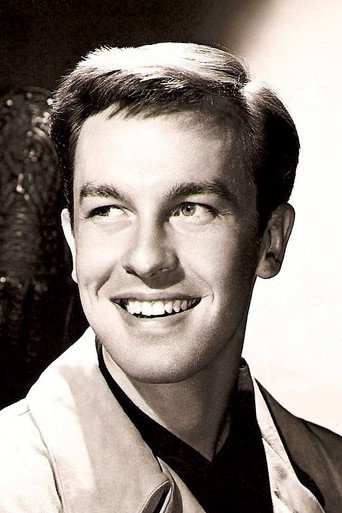 John DallMarcus Publius Glabrus
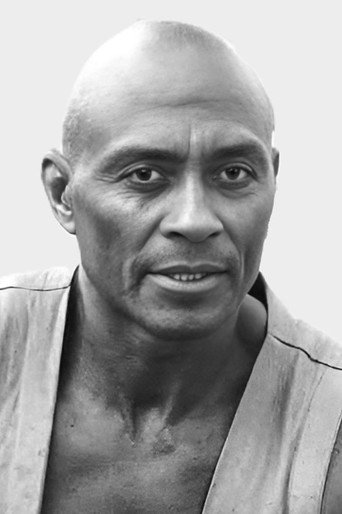 Woody StrodeDraba
Directing
- Marshall GreenAssistant Director
- Stanley KubrickDirector
Writing
- Howard FastNovel
- Calder WillinghamScenario Writer
- Dalton TrumboScreenplay
- Peter UstinovScreenplay
Production
- Edward MuhlExecutive Producer
- Kirk DouglasExecutive Producer
- Edward LewisProducer
- Tadeo VillalbaUnit Manager
- Eduardo García MarotoUnit Production Manager
- Norman DemingUnit Production Manager
Recommended by
Gladiator, Ben-Hur, Braveheart, Spartacus, The Ten Commandments, Joan of Arc