
Film
Chi-Raq
Spike Lee's audacious adaptation of Aristophanes' *Lysistrata* transplants ancient Greek sex-strike politics into contemporary Chicago's South Side gang warfare. It's a stylized, theatrical provocation that swings wildly between absurdist comedy, genuine rage at gun violence, and moral seriousness. For viewers willing to meet Lee's formal ambition and political passion on their own terms.
Should you watch it?
Watch it if you like satire that is also furious, with rhymed verse, chanting choruses and direct-to-camera address that treat a Greek comedy as a weapon against Chicago's gun violence.
Skip it if you want gritty realism or a conventional crime story, since the film keeps breaking into stylised song, speeches and theatrical framing that many viewers find mannered and hard to settle into.
What it asks of you: Two hours of stylised, heightened performance that switches between raucous comedy and hard anger, so you need to go with its bold, unruly shape rather than expect a steady, naturalistic rhythm.
Not sure? Find tonight's pick in a minute.
If you liked this
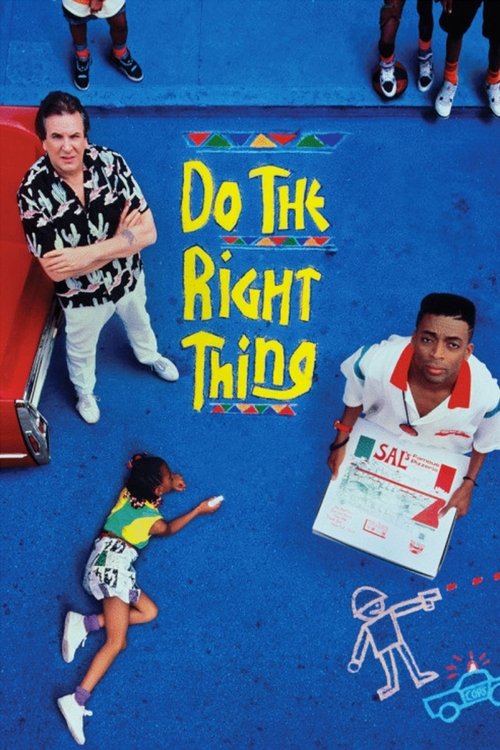
Do the Right Thing1989
Lee's masterpiece about racial tension, community, and sudden violence in a Brooklyn neighborhood. Formally inventive, morally urgent, and unexpectedly funny—the DNA of *Chi-Raq* runs directly through it.
But Deliberately structured to provoke rather than comfort. It builds heat instead of resolving it, which some find frustrating rather than brilliant.
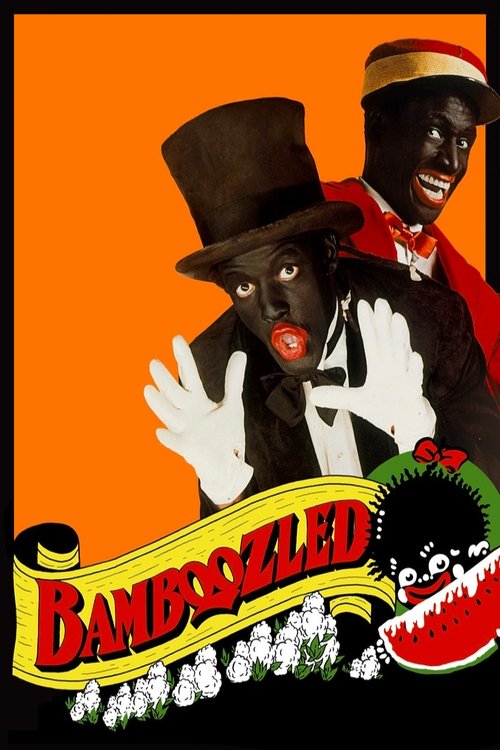
Bamboozled2000
Lee's savage satire of media exploitation and minstrelsy uses theatrical artifice, fourth-wall breaks, and tonal whiplash to make you feel complicit. It's the closest spiritual cousin to *Chi-Raq*'s approach.
But Deliberately ugly and exhausting. The aggression in the filmmaking can feel punishing, and the satire doesn't always land cleanly.
The Corner2000
HBO's David Simon miniseries about Baltimore's drug trade and the families crushed by it. Unflinching documentary-style storytelling about the systemic violence Lee addresses through Greek tragedy and funk music.
But Relentlessly bleak. No stylization to soften the despair, no jokes to let you breathe. Some find it draining rather than cathartic.

Not sure tonight? Get a pick in a minute, starting from Chi-Raq
The wildcard
Something you would not have found on your own.
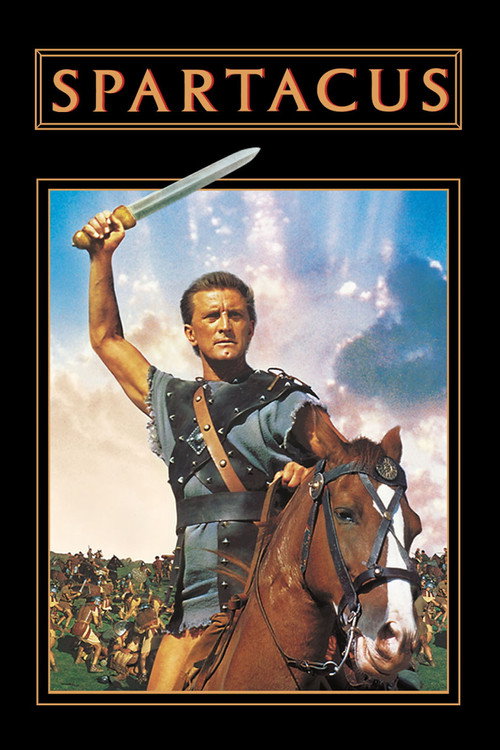
Spartacus1960
Both transpose ancient rebellion narratives into their own era's political urgency; both use formal excess to argue that suffering demands stylized witness, not naturalistic documentation.
Kirk Douglas in Kubrick's ancient-Rome rebellion epic. Like *Chi-Raq*, it channels a classical text through contemporary political rage about freedom, dignity, and systematic oppression. The connection between ancient rebellion and modern uprising is explicit and earned.
But Three hours of 1960s Technicolor spectacle. The pacing is stately, the dialogue sometimes overwrought. You have to be willing to sit with an old film's different rhythm.
More like this (6)
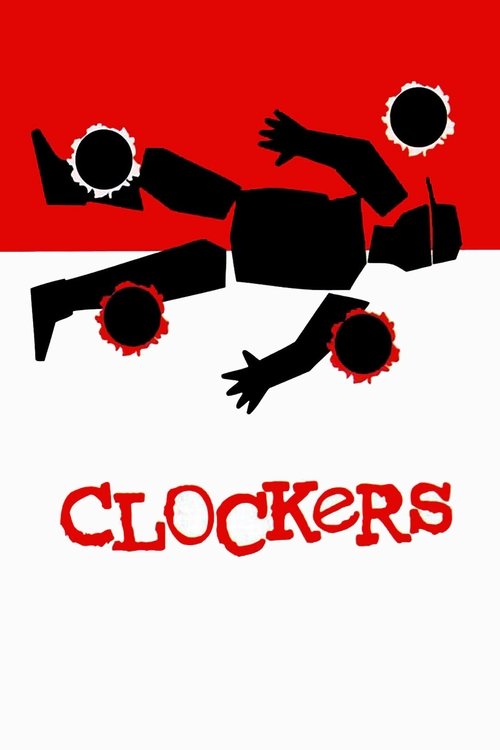
Clockers1995
Spike Lee's examination of drug dealing, police brutality, and moral compromise in urban America. Uses color, music, and visual poetry to make the systemic personal and the personal political.
But Spans tones unpredictably—part thriller, part character study, part sermon. The tonal shifts that work thematically can feel indulgent structurally.
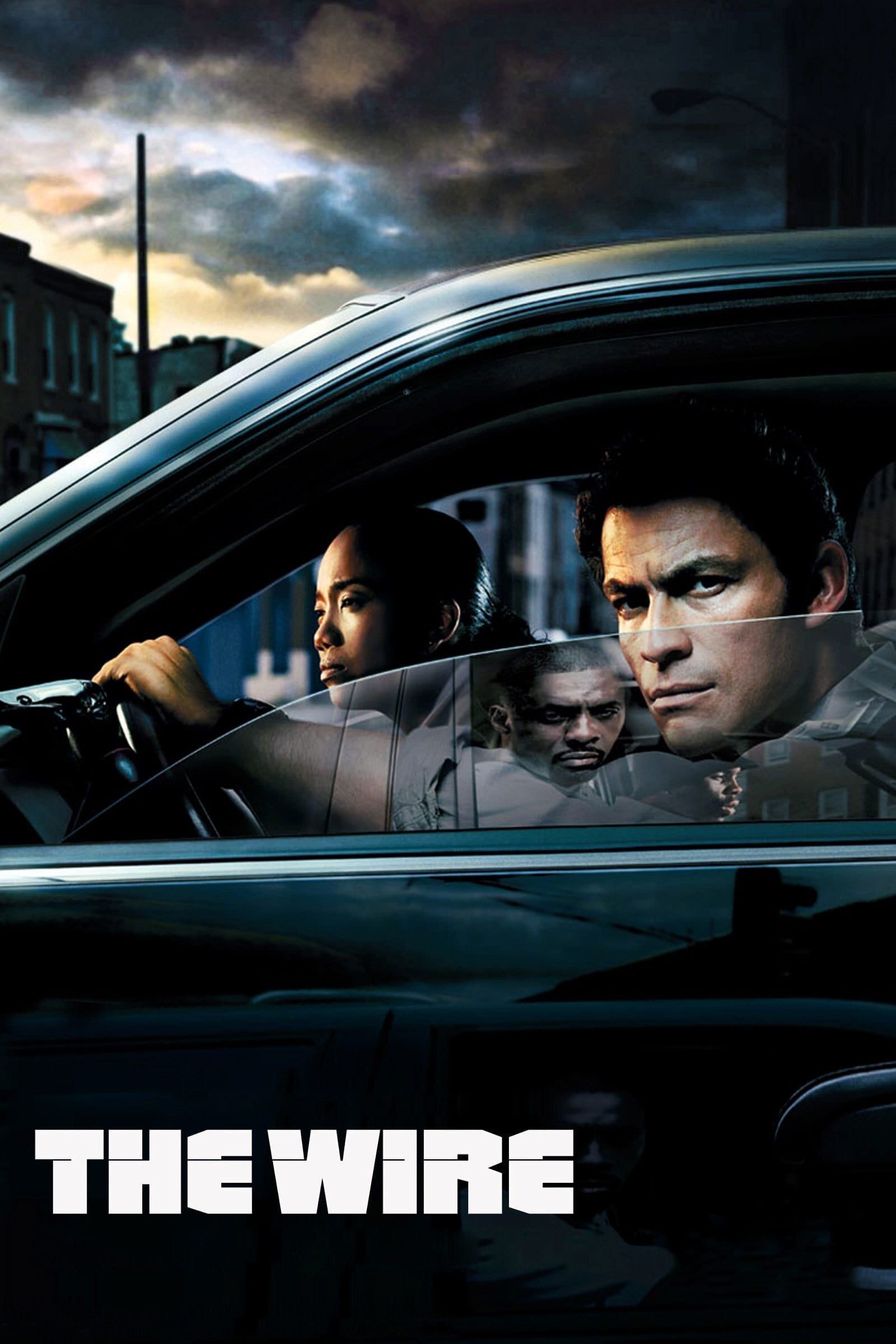
The Wire2002
David Simon's five-season epic dissects how systems grind people down—crime, schools, politics, media. *Chi-Raq*'s anger at institutional failure runs parallel, just expressed through formalism rather than realism.
But Requires serious commitment. Episodes feel slow until the architecture reveals itself. Some patience required before payoff.
Gangs of New York2002
Scorsese's operatic take on sectarian violence and urban warfare uses theatrical excess and anachronistic music to argue that America's present grows from its violent past. Similar formal ambition, different historical register.
But Bloated and sometimes self-regarding. The spectacle doesn't always serve the substance, and it runs long even for what it is.

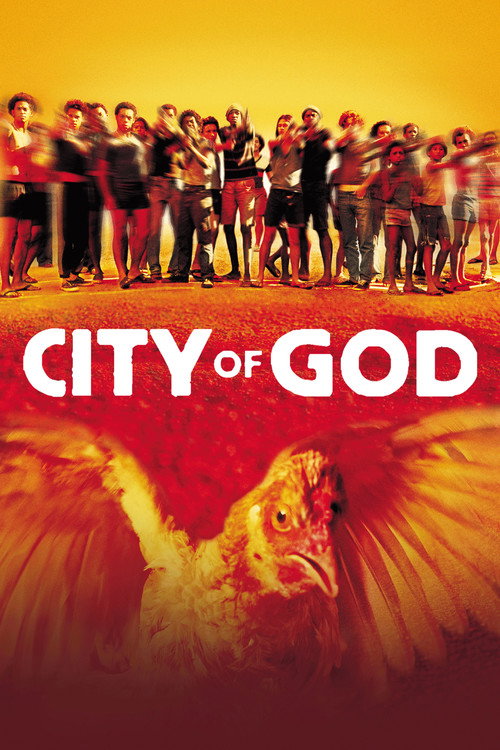
City of God2002
Brazilian favela violence seen through kinetic, almost playful filmmaking. Shows how stylization and humor can coexist with devastating social analysis. Formally inventive in service of urgent truth.
But The visual hyperactivity can feel exploitative if you're not aligned with its perspective. Danger of mistaking energy for depth.
Mulholland Drive2001
Lynch's Los Angeles dreamscape uses artifice, performance, and formal disruption to expose something true about desire and power. Like *Chi-Raq*, it refuses naturalism in service of emotional and political revelation.
But Deliberately cryptic and structurally fragmented. If you want clarity or a coherent plot, you will hate this. Some find it pretentious rather than profound.

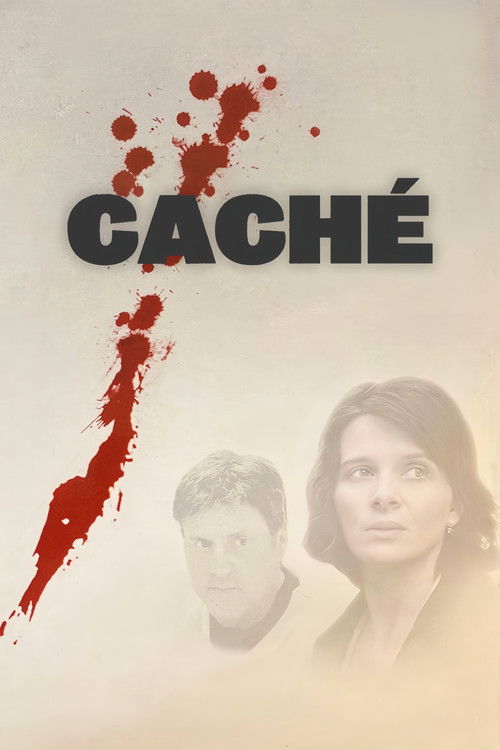
Caché2005
Both demand that viewers confront their own position within systems of violence—*Chi-Raq* through provocation and theatricality, *Caché* through surveillance and withholding.
Haneke's French thriller about complicity, historical guilt, and the violence hidden beneath comfortable bourgeois life. Uses formal constraint and moral pressure to implicate the viewer. Like *Chi-Raq*, it refuses to let you remain innocent of the systems you inhabit.
But Punishingly slow and deliberately frustrating. Haneke makes watching uncomfortable as a moral principle. If you want catharsis or answers, you won't find them.
People
Cast
 Teyonah ParrisLysistrata
 Nick CannonDemetrius 'Chi-Raq' Dupree
 Wesley SnipesSean 'Cyclops' Andrews
 Angela BassettMiss Helen Worthy
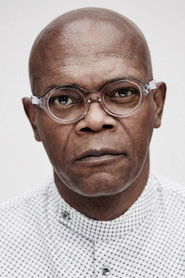 Samuel L. JacksonDolmedes
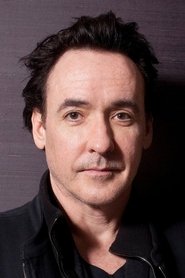 John CusackFr. Mike Corridan
 Jennifer HudsonIrene
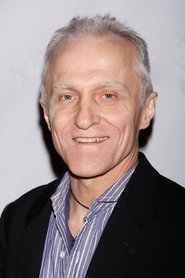 David Patrick KellyGeneral King Kong
 D. B. SweeneyMayor McCloud
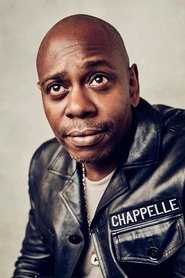 Dave ChappelleMorris
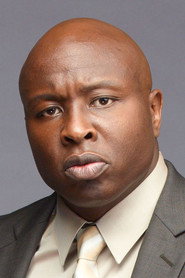 Steve HarrisOle Duke
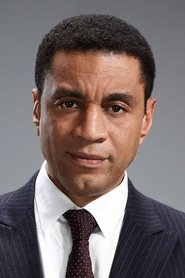 Harry LennixCommissioner Blades
Directing
- Spike LeeDirector
- Mary TallmanScript Supervisor
Writing
- AristophanesTheatre Play
- Kevin WillmottWriter
- Spike LeeWriter
Production
- Genona BlueCasting
- Kim Taylor-ColemanCasting
- Michelle AdamsCasting Associate
- Jon KilikExecutive Producer
- Kevin WillmottExecutive Producer
- Spike LeeProducer