
Film
Last Exit to Brooklyn
- Social drama
- Very dark
A brutal portrait of 1950s Brooklyn where lives collide at the margins. Uli Edel's adaptation of Hubert Selby Jr.'s novel is unflinching about desire, desperation, and the violence—small and large—that grinds people down. It's difficult, sometimes ugly, and entirely uncompromising. For viewers willing to sit with discomfort.
If you liked this
In the Mood for Love2000
Wong Kar-wai's luminous opposite: a love story told through restraint and visual poetry rather than dialogue. Shares Last Exit's fascination with how people express feeling in cramped circumstances, but finds beauty instead of damage.
But Deliberately paced and abstract. If you want plot momentum, this will feel glacial.

Requiem for a Dream2000
Darren Aronofsky's descent into addiction and compulsion hits the same nerve: characters trapped by their own wants. Visually punishing in ways that match the emotional brutality. A spiritual successor in every way.
But Exhausting by design. The editing and sound design are meant to wear you down—some find it manipulative rather than moving.

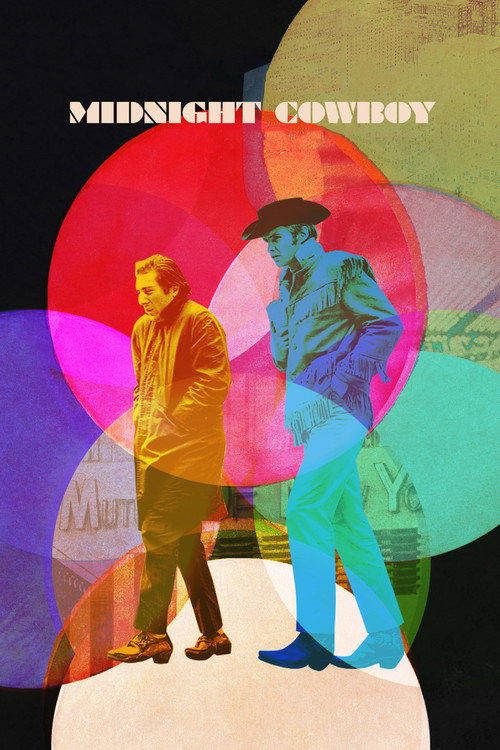
Midnight Cowboy1969
John Schlesinger's X-rated New York tragedy about survival and exploitation. Same era of unflinching American cinema, same refusal to look away from sex and degradation as a fact of life, not a plot device.
But The sex work is explicit and unsexy. The film's morality can feel distant from its characters—it observes without quite compassion.
Not sure tonight? Get a pick in a minute, starting from Last Exit to Brooklyn
The wildcard
Something you would not have found on your own.
Synecdoche, New York2008
Both are adaptations of experimental, fragmented novels about shame in urban America; both treat formal difficulty as an expression of emotional truth rather than obstruction.
Charlie Kaufman's film is a fractal of Last Exit: a man drowning in accumulated details, each one real and crushing. Unflinching about humiliation, loneliness, and the gap between what we want and what we can have. Same register—brutality wrapped in intimate observation.
But The narrative logic collapses deliberately. Philip Seymour Hoffman can feel remote rather than sympathetic. Some viewers report feeling lost or attacked.

More like this (8)
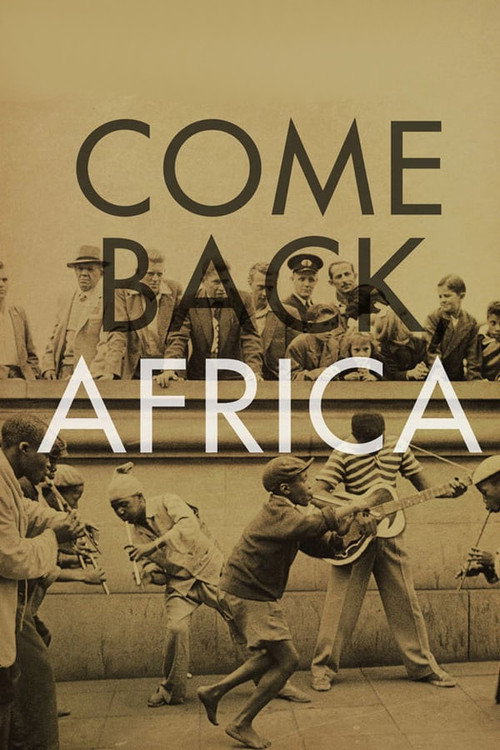
Come Back, Africa1959
Abel Ferrara's portrait of addiction in New York is rawer and stranger. Like Edel, he trusts his actors to find truth in desperate circumstances without script prettification. Carole Laure and Christopher Walken navigate moral collapse.
But Genuinely difficult to watch. The narrative structure is fragmented; some scenes feel unresolved by design, which irritates as much as it unsettles.
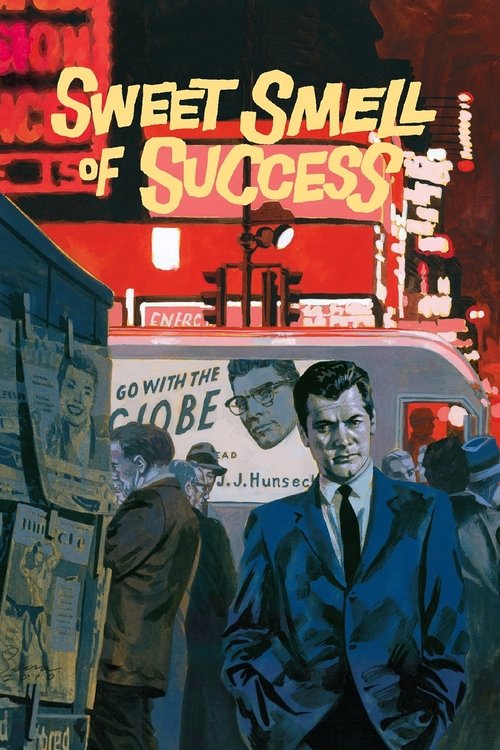
Sweet Smell of Success1957
Another portrait of corruption and complicity in an American city, but written with Shakespearean venom. The desperation is dressed in suits and cynical wit—same moral rot, different aesthetic. Lehman's dialogue is intoxicating.
But The pacing is theatrical, not naturalistic. If you're coming from Last Exit expecting realism, the style shift may feel precious.
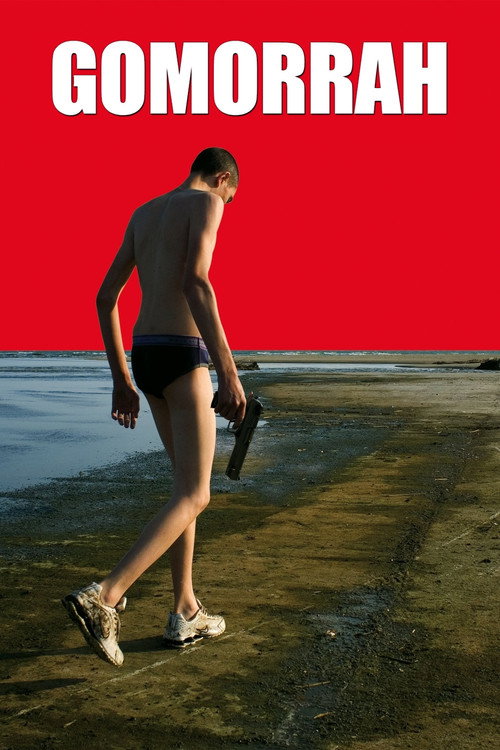
Gomorrah2008
Matteo Garrone's Neapolitan crime saga uses the same sprawling structure: multiple lives crushed by systems larger than themselves. The detail work is encyclopedic; the despair is total. Non-linear narrative that respects the viewer's intelligence.
But Nearly three hours. Subtitled. The geography of the Camorra is specific enough that outsiders can feel adrift.
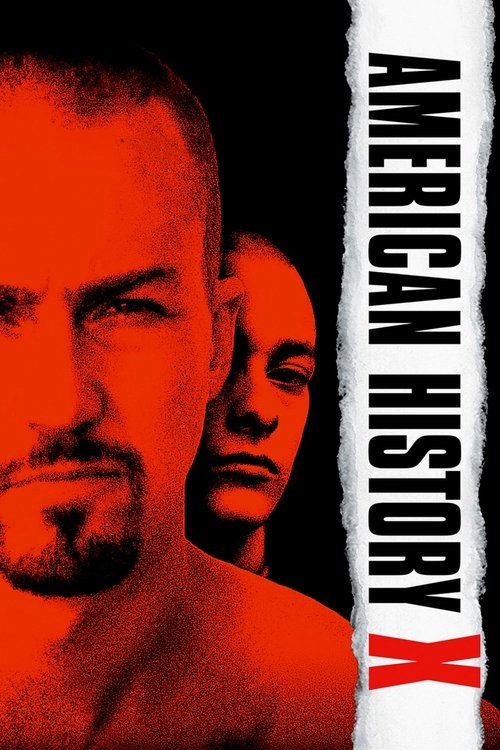
American History X1998
Derek Vinyard's journey from hate to understanding is the mirror image of Harry Black's: a man confronting truths he's buried. The film examines how ideology metastasizes in working-class communities with unflinching precision.
But The violence is graphic and disturbing. Some argue Kaye's direction aestheticizes the very racism it condemns.
The Wrestler2008
Aronofsky again, this time with Rourke as a man clawing for dignity in a life that's already decided against him. Handheld camera, no music—just observation of someone trying not to sink. Brooklyn's spiritual cousin.
But Repetitive by structure; some find the bleakness relentless without enough counterweight. The ending is a choice, not a resolution.

Elephant2003
Gus Van Sant's Columbine film observes its subjects with anthropological distance—no editorializing, no easy answers. Applies Last Exit's refusal to judge to a school shooting. Quietly devastating.
But Slow-motion passages and repeated angles can feel self-indulgent. The non-narrative structure will alienate those wanting clarification.

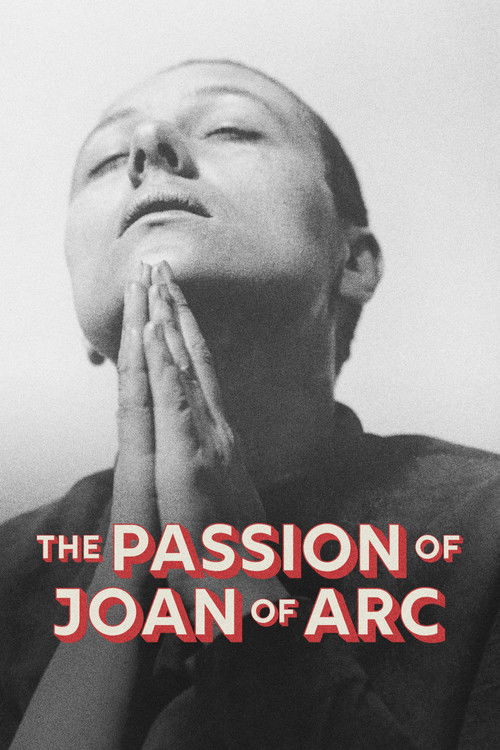
The Passion of Joan of Arc1928
Both trust that accumulated small moments of humiliation have more power than dramatic set pieces. Both understand that victimhood is not tragic—it's physical and specific.
Dreyer's 1928 silent film about a woman interrogated to the point of annihilation. Renée Jeanne's face holds entire universes of suffering. Uses extreme close-up the way Edel uses naturalistic acting—to make watching almost unbearable and therefore real.
But Silent. Fifty-eight minutes of Renée Jeanne's tears and anguish. Religious content; the metaphysics may feel distant to secular viewers. The print quality varies.
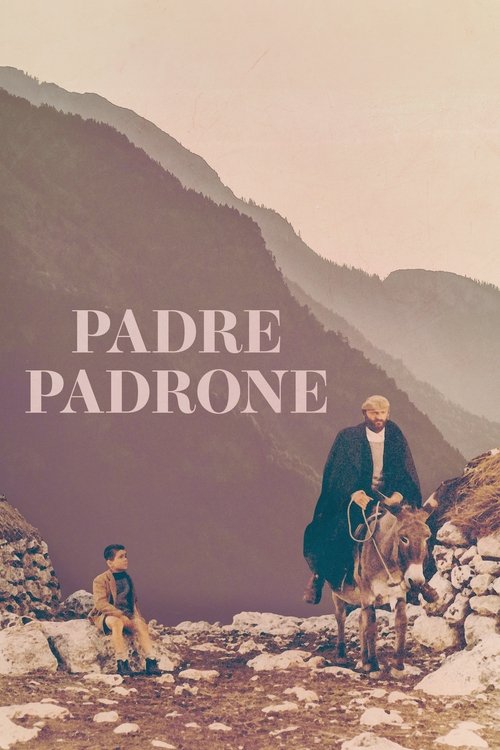
Padre Padrone1977
Both feature protagonists trying to escape systemic entrapment through self-knowledge; both suggest that awareness alone doesn't guarantee freedom, only the possibility of one.
The Taviani brothers' Palme d'Or winner about a Sardinian shepherd boy freed by education. A documentary-inflected narrative about transformation in impossible circumstances. Like Last Exit, it trusts viewers to sit with hardship as a condition, not a plot.
But Slow and regionally specific. The dialect is strong even in translation. Some scenes of violence against children that predate modern content warnings. Recovery feels incomplete, which may frustrate.
People
Cast
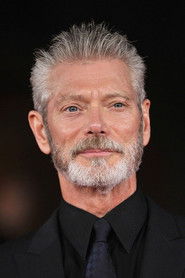 Stephen LangHarry Black
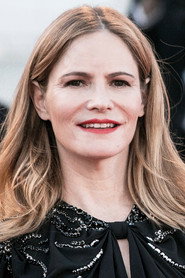 Jennifer Jason LeighTralala
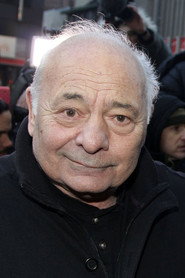 Burt YoungBig Joe
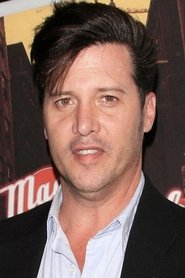 Peter DobsonVinnie
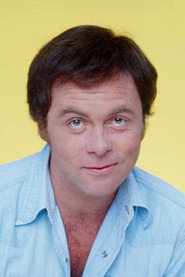 Christopher MurneyPaulie
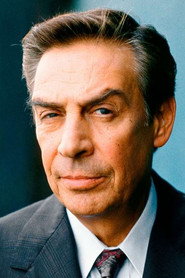 Jerry OrbachBoyce
 Alexis ArquetteGeorgette

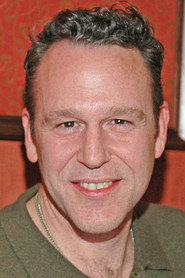 John CostelloeTommy
- Cameron JohannSpook
 Ricki LakeDonna
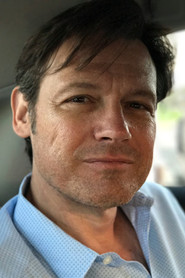 Frank MilitarySteve
Directing
- Nike ZachmanoglouContinuity
- Uli EdelDirector
- Carla CorwinFirst Assistant Director
- Don FrenchFirst Assistant Director
- Carla CorwinSecond Assistant Director
- Glen TrotinerSecond Assistant Director
- Stefan ScholtissekSecond Assistant Director
Writing
- Hubert Selby Jr.Novel
- Desmond NakanoScreenplay
Production
- Anna GrossAssociate Producer
- Jake EbertsAssociate Producer
- Deborah AquilaCasting
- Jeffery PasseroCasting
- Herman WeigelCo-Producer
- Sylvia FayExtras Casting
- Dieter MeyerLine Producer
- G. Mac BrownLine Producer
- Bernd EichingerProducer
- G. Mac BrownUnit Production Manager