
Film
After Stonewall
A documentary chronicle of gay and lesbian activism and culture from Stonewall in 1969 through the late 1990s. Combining archival footage, interviews with key figures, and personal testimony, it tracks both the euphoria of hard-won freedoms and the ongoing cost of visibility. Essential history, told with urgency and intimacy.
Should you watch it?
Watch it if you want the story of a movement told through the people who fought in it, with sharp first-person memories from activists and writers rather than dry chronology.
Skip it if you want deep dives into particular events, since at 88 minutes it covers three decades in broad strokes and some threads stay underdeveloped.
What it asks of you: Eighty-eight minutes of mostly seated interviews, moving at a steady clip and shifting between anger and warmth as the decades roll on.
Not sure? Find tonight's pick in a minute.
If you liked this
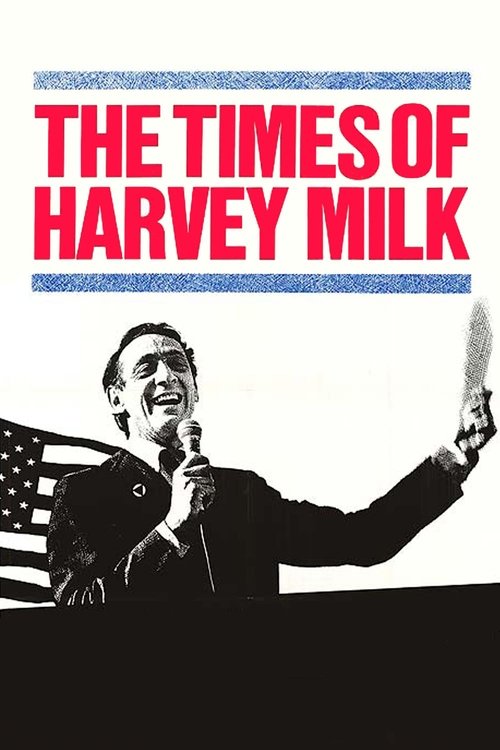
The Times of Harvey Milk1984
Documents the life and assassination of San Francisco's first openly gay supervisor. A portrait of political courage and community leadership that shaped modern LGBTQ+ activism and changed what visibility meant.
But Shot and edited in a restrained 1980s documentary style that occasionally feels dated. Some viewers may find the pacing contemplative rather than propulsive.
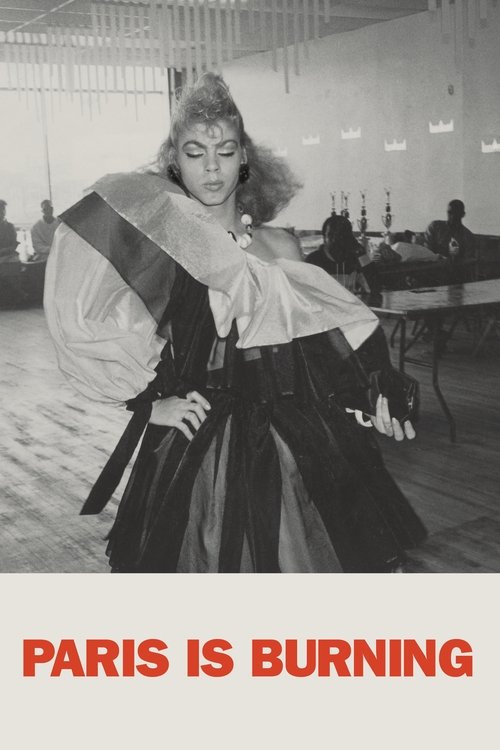
Paris Is Burning1991
Captures the underground ball culture of 1980s New York—a world of Black and Latino LGBTQ+ performers creating art, identity, and family outside straight society. Visually stunning, deeply moving, and utterly alive.
But The subjects face real danger and tragedy; the film doesn't soften that. Some cultural references and slang may require context to fully land.
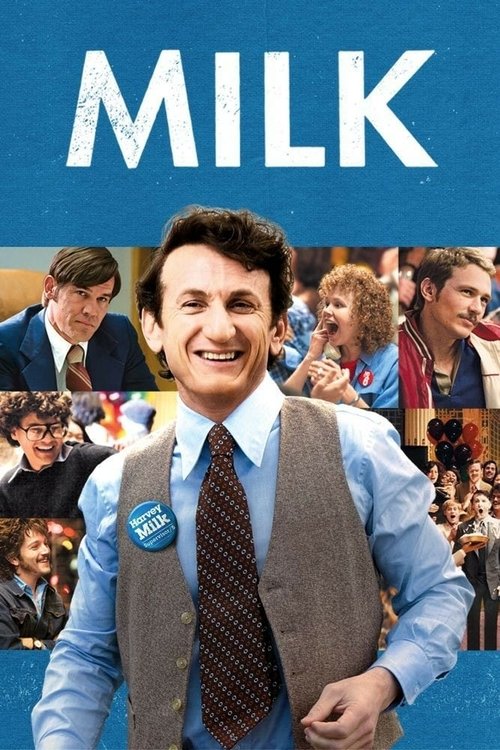
Milk2008
A narrative retelling of Harvey Milk's life and political rise that connects personal courage to systemic change. Sean Penn gives a career-best performance; it's both intimate and galvanizing.
But As a drama, it streamlines history for emotional impact. Viewers seeking documentary precision may find it oversimplified.
Not sure tonight? Get a pick in a minute, starting from After Stonewall
The wildcard
Something you would not have found on your own.
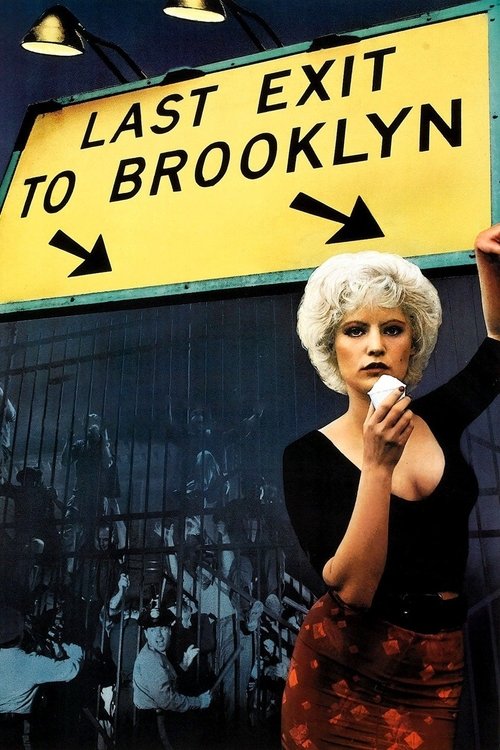
Last Exit to Brooklyn1989
Both document queer life outside mainstream acceptance, but where After Stonewall chronicles activism and progress, Last Exit shows the underworld that activism emerged from—the world before visibility was even possible.
A brutal, unglamorous 1980s film about working-class queer and trans street life in 1950s Brooklyn. It's the darker, grittier ancestor of queer cinema—unflinching about survival, sex, and desperation without moralizing.
But Deeply bleak, sexually explicit, and difficult to watch. Its punk aesthetic and refusal to sentimentalize alienate many viewers. Also widely unavailable.
More like this (7)
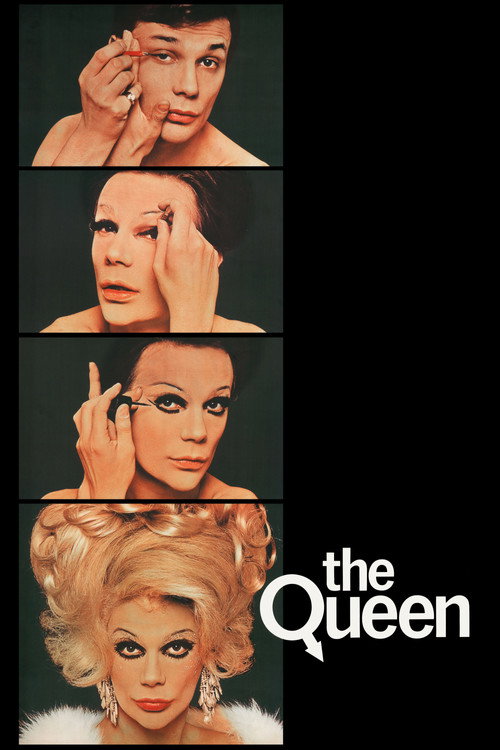
The Queen1968
Documents a 1967 drag pageant in New York with frank, playful interviews with contestants. A rare snapshot of trans and gender-nonconforming life before Stonewall, made with genuine affection and no condescension.
But It's brief (68 minutes) and has minimal narrative structure. The archival video quality is rough, and some viewers may find it slow.
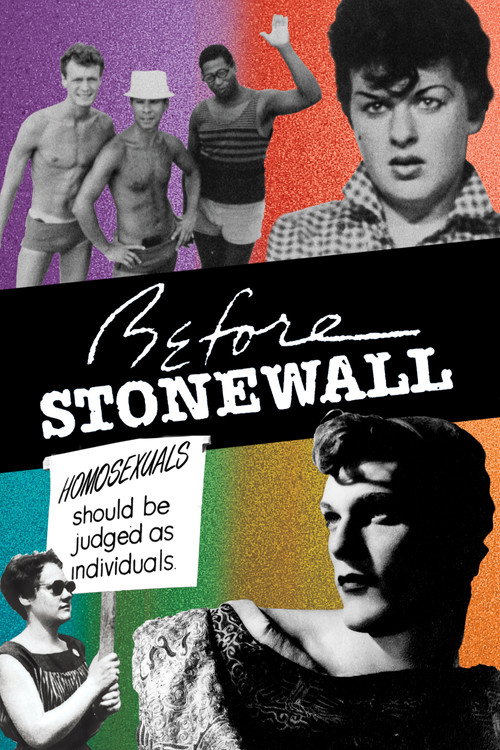
Before Stonewall1984
The predecessor to After Stonewall; chronicles LGBTQ+ life from the 1920s through 1969. Essential context for understanding what Stonewall interrupted and what it made possible.
But Necessarily focuses on survival and repression rather than celebration. The 1984 production values feel dated.
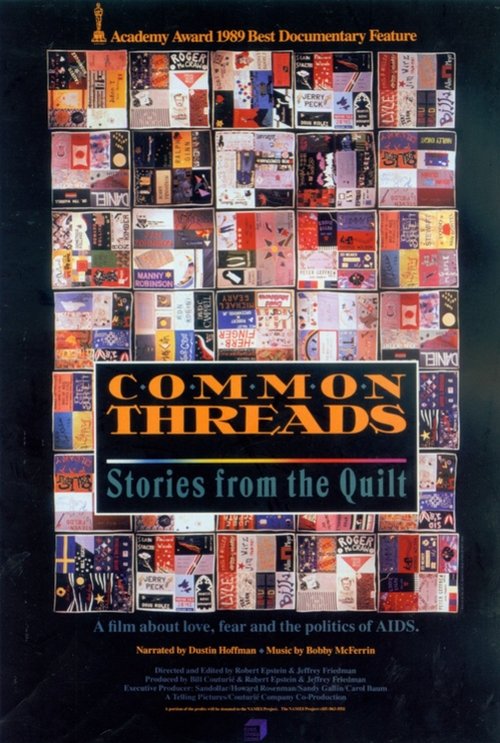
Common Threads: Stories from the Quilt1989
Weaves together stories of people lost to AIDS through panels of the NAMES Project Quilt. Heartbreaking, honest, and a crucial document of a community in crisis and in grief.
But Emotionally devastating. The film doesn't offer comfort or closure; it asks you to sit with loss and witness it.
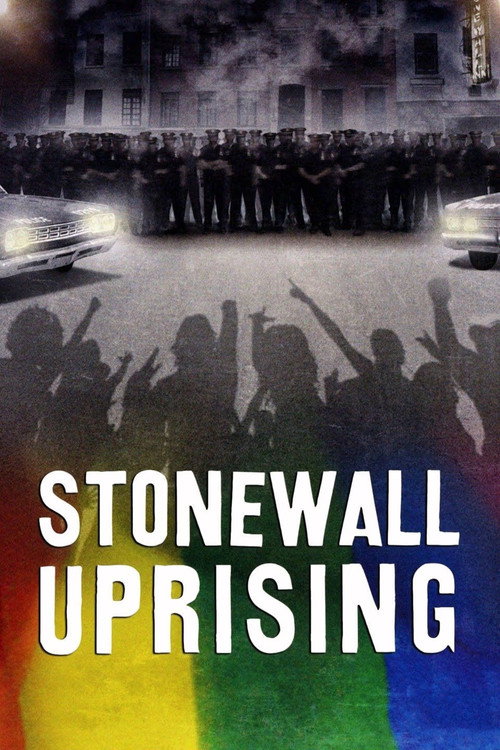
Stonewall Uprising2010
American Experience documentary that meticulously reconstructs the 1969 riots night-by-night using archival footage, photographs, and direct testimony from those who were there. Clarifies what actually happened beneath the mythology.
But Focuses narrowly on a few days rather than decades of movement. Viewers expecting broader cultural history may find it overly specific.
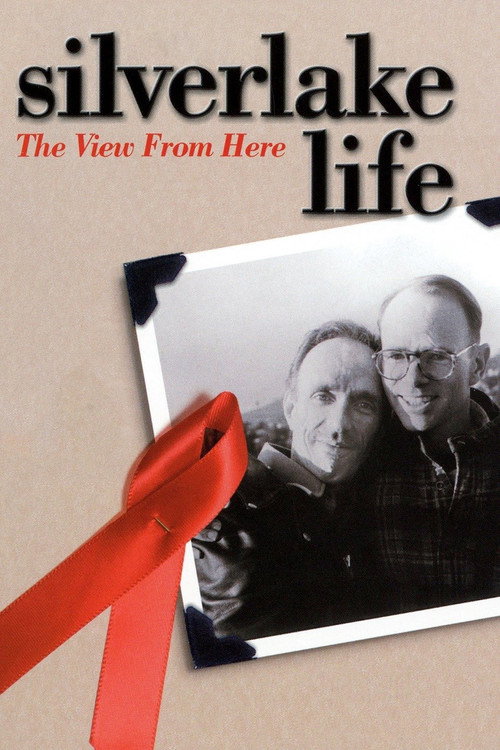
Silverlake Life: The View from Here1993
Two filmmakers document their own lives and relationship as AIDS progresses, creating an unbearably intimate record of love and dying. Formally inventive and spiritually generous even in extremis.
But Extremely graphic about illness and mortality. Not a film that offers catharsis—it asks you to witness something most people turn away from.
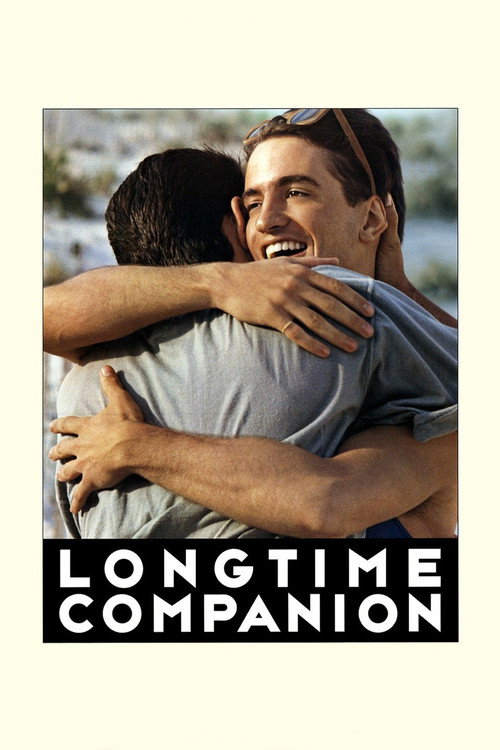
Longtime Companion1989
While After Stonewall surveys the movement's history, Longtime Companion shows the personal cost of the particular moment it covers—the AIDS crisis that redefined queer activism and solidarity in the 1980s and '90s.
A narrative drama following a group of gay men in New York from 1981 through 1989, tracking how AIDS devastates friendships, love, and community. Restrained, human-scaled, and genuinely moving without sentimentality.
But As a drama, it prioritizes emotional arc over historical scope. Some may find its measured tone insufficiently angry or urgent.
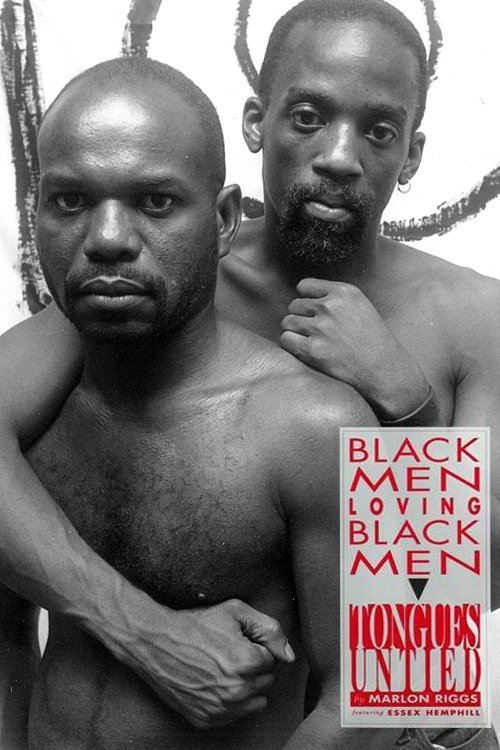
Tongues Untied1990
Both document queer history after Stonewall, but After Stonewall centers white male activism and achievement. Tongues Untied centers Black queer voices and the intersections that mainstream gay history often erases.
Marlon Riggs's poetic, avant-garde documentary about Black gay men, sexuality, racism, and identity. Shot like a series of lyrical essays rather than conventional documentary. Visually gorgeous and formally radical.
But Deliberately difficult and abstract; it refuses traditional narrative or explanatory structure. Some find it emotionally obscure. Explicit imagery sparked real censorship battles.
People
Cast
 Melissa EtheridgeNarrator (voice)
 Larry KramerSelf
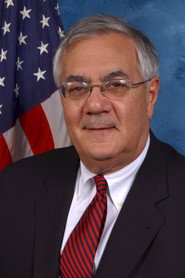 Barney FrankSelf
 Pratibha ParmarSelf
- Rita Mae BrownSelf
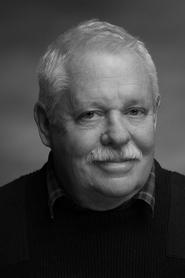 Armistead MaupinSelf
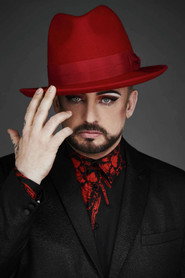 Boy GeorgeSelf
- Jeff MaySelf
- Renae OgletreeSelf
- Dorothy AllisonSelf
- Barbara GittingsSelf
- Michael BronskiSelf
Directing
- John ScagliottiDirector
Writing
- Andrew PodellWriter
- John ScagliottiWriter
Production
- Dan HuntProducer
- Janet BausProducer
- John ScagliottiProducer