
Film
The Tree of Wooden Clogs
- Drama
- Slow-burning
A three-hour immersion in the rhythms of peasant life on a northern Italian farm around 1900. Shot in naturalistic long takes with non-professional actors, it moves unhurried through seasons and small crises—a broken clog, a child's education, the weight of survival. Visually luminous and deeply human. For those patient with slowness and alive to quiet dignity.
Should you watch it?
Watch it if you want a slow, patient look at peasant life where the texture of daily work, seasons and small rituals carries the emotion rather than plot.
Skip it if the three-hour runtime is unhurried and lightly plotted, and if you need story drive to keep you in your seat, its patience may feel like an endurance test.
What it asks of you: Around three hours with long, unhurried scenes, shot in a quiet naturalistic style where nothing is underlined, and you must settle into its rhythm.
Not sure? Find tonight's pick in a minute.
If you liked this
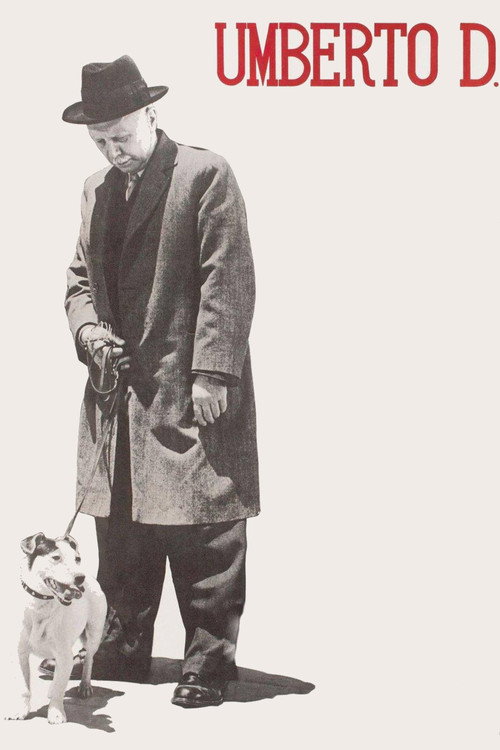
Umberto D.1952
De Sica's portrait of an elderly pensioner navigating poverty in postwar Rome with a dog as his only companion. Like Tree, it finds profound humanity in economic precarity without sentimentality or easy answers.
But The pacing is glacial and nothing 'happens'—it's a film about small indignities accumulating, which some find closer to watching paint dry than cinema.
The Leopard1963
Visconti's epic of the Sicilian aristocracy in decline during the 1860s. Shares Tree's patience with landscape, light, and the texture of lived experience; both are about historical forces grinding through individual lives.
But Three hours and twenty minutes of deliberate, ceremonial pacing. Requires you to surrender to its rhythm entirely or resent every minute.

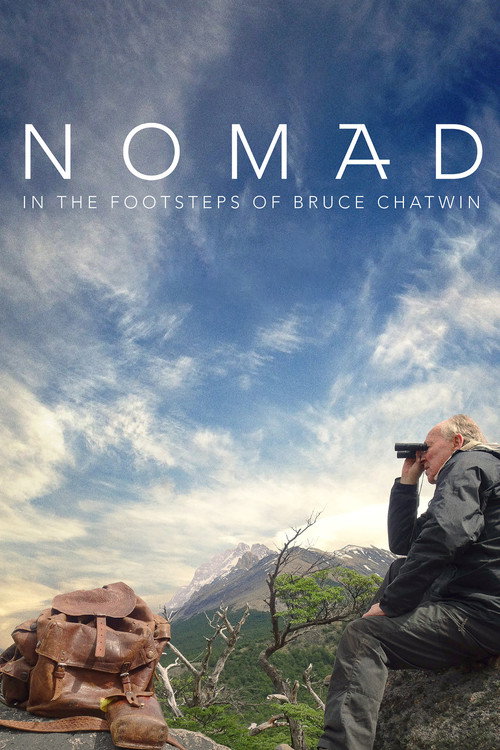
Nomad: In the Footsteps of Bruce Chatwin2019
A documentary following Chatwin's journeys across continents. Like Tree, it privileges observation of landscape and people over conventional narrative; both ask you to sit with a place rather than move through it.
But Unstructured and associative—for viewers accustomed to clear dramatic arcs, it can feel like watching someone else's travel journal rather than a story.
Not sure tonight? Get a pick in a minute, starting from The Tree of Wooden Clogs
The wildcard
Something you would not have found on your own.
La Haine1995
Both films insist on the dignity of people the world treats as disposable, and both use long takes and careful framing to enforce your attention.
Kassovitz's black-and-white film about three young men in suburban Paris over 24 hours. Like Tree, it refuses sentimentality about poverty, shows survival as the daily texture of life, and argues that the camera's job is to see clearly without judging. Both distrust easy answers.
But Visceral and angry rather than contemplative; set in 1990s Paris rather than 1900 Italy. Formally it's closer to Godard than Olmi. Requires patience but in a more volatile register.

More like this (6)
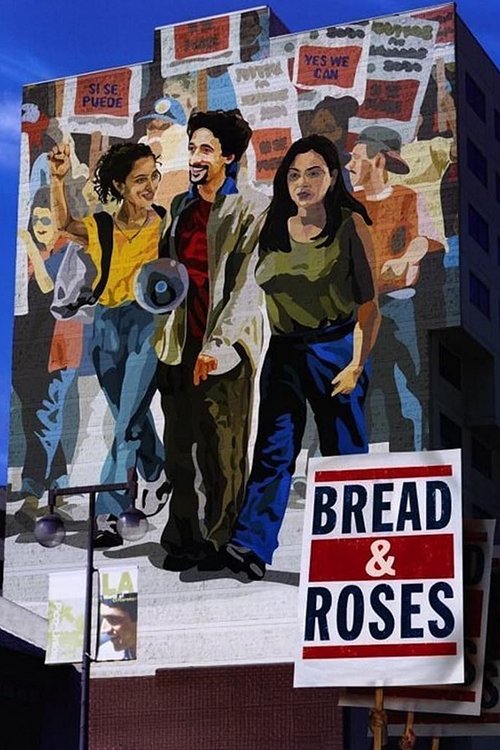
Bread and Roses2000
Ken Loach's drama of undocumented workers fighting for dignity in Los Angeles. Shares Tree's commitment to showing labor as the texture of life, and how small victories matter when survival is the baseline.
But Overtly political where Tree is quieter about its themes. Some find Loach's earnestness heavy-handed compared to Olmi's restraint.
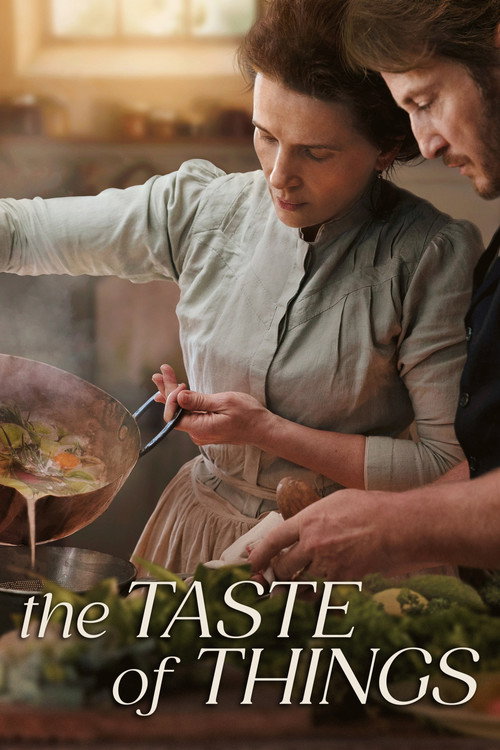
The Taste of Things2023
A French film about a chef and his housekeeper at the turn of the 20th century. Sensory, intimate, built from domestic rituals rather than plot. Both films suggest that lives lived well consist of small acts performed with care.
But Nearly three hours of watching people work and eat together. The entire dramatic engine depends on your willingness to find beauty in routine.
Stalker1979
Tarkovsky's meditative sci-fi asks you to move through space and time at its own pace, trusting the image to carry meaning. Like Tree, it's about presence rather than action—what you absorb while watching matters more than what happens.
But At 163 minutes, it's a commitment to stasis and philosophical drift. Viewers seeking conventional narrative satisfaction will find it exhausting rather than transcendent.

Jeanne Dielman, 23, quai du Commerce, 1080 Bruxelles1976
Chantal Akerman's three-hour observation of a woman doing domestic tasks—cooking, cleaning, accounting. Like Tree, it makes labor visible as a form of life. Both argue that how we spend our time is the substance of existence.
But It is literally three hours of watching someone cook and fold laundry. The deliberate monotony is the point, which means it's not for anyone looking for anything resembling dramatic momentum.

Cinema Paradiso1988
Tornatore's love letter to cinema and the past, structured around memory and the people who shaped a boy in a small Sicilian town. Shares Tree's warmth toward community and its belief in the significance of ordinary lives.
But Openly sentimental in a way Tree is not. If you find nostalgia as a film tool corrosive rather than moving, this will feel manipulative.

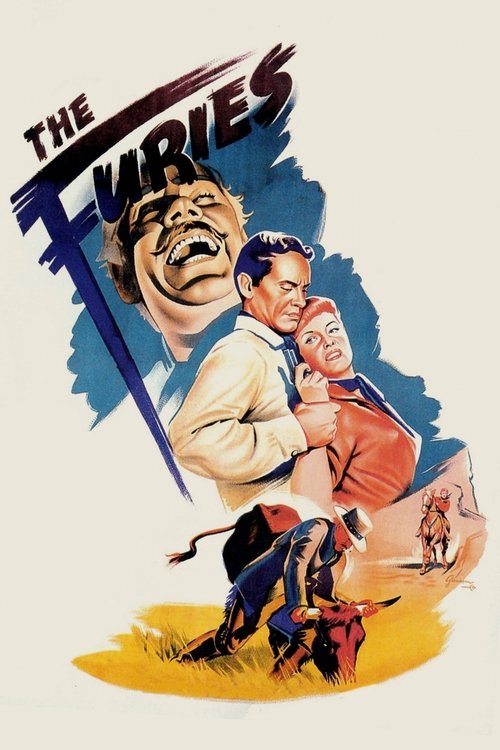
The Furies1950
An Australian horror-drama about a family in crisis. It shares Tree's interest in period setting and the weight of economic survival, and suggests how quickly security collapses when one thing goes wrong.
But Violent and bleak in ways Tree is not. Stylistically jagged where Olmi is smooth. For those seeking another pastoral meditation, this is actively the wrong film.
People
Cast
- Luigi OrnaghiBatistì
- Francesca MoriggiBatistina
- Omar BrignoliMinec
- Antonio FerrariTuni
- Teresa BrescianiniWidow Runk
- Giuseppe BrignoliAnselmo
- Carlo RotaPeppino
- Pasqualina BrolisTeresina
- Massimo FratusPierino
- Francesca VillaAnnetta
- Maria Grazia CaroliBettina
- Battista TrevainiIl Finard
Directing
- Ermanno OlmiDirector
- Fiorella LugliScript Supervisor
Writing
- Ermanno OlmiWriter
Production
- Archimede OrlandoAdministration
- Alessandro CalosciGeneral Manager
- Attilio TorricelliProduction Manager
- Enrico LeoniProduction Secretary
- Domenico Di ParigiProduction Supervisor