
Film
White Dog
- Social drama
- Very dark
Samuel Fuller's 1982 provocation weaponizes the thriller format to interrogate American racism directly. A young woman adopts a dog trained to attack Black people; an animal trainer attempts a cure. It's pulpy, visceral, and refuses to soften its central horror into metaphor. Blunt where it counts, gruelling to watch, essential.
Should you watch it?
Watch it if you want a lean, angry piece of pulp that uses a genre chill to make a hard point about prejudice, and you don't mind being left unsettled.
Skip it if you need the racial theme handled with subtlety or a tidy resolution; this is blunt, grim and sometimes rough-edged in its staging, and it leaves little room to breathe.
What it asks of you: Ninety minutes, mostly lean and forward-driving, with the dread built through incidents rather than talk; you have to sit with ugly material without the film softening it for you.
Not sure? Find tonight's pick in a minute.
If you liked this
The Killing1956
Kubrick's debut shares Fuller's unflinching eye for human corruption and moral compromise. Tight, propulsive crime noir where every character is complicit in their own downfall.
But Deliberately paced for 1956; the plotting can feel glacial if you're expecting modern momentum.

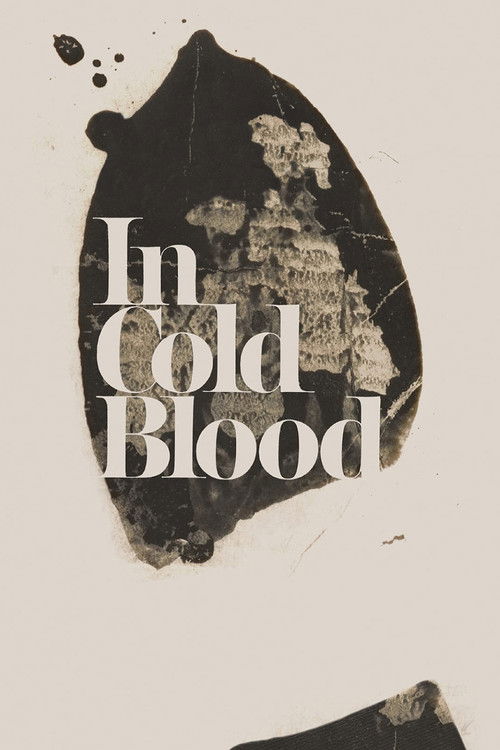
In Cold Blood1967
Capote's adaptation captures a similar refusal to look away from evil—methodical, clinical, haunting. A true crime procedural that trusts viewers to sit with discomfort.
But Slow-burn detective work means long stretches without obvious narrative momentum. Black-and-white austerity demands patience.
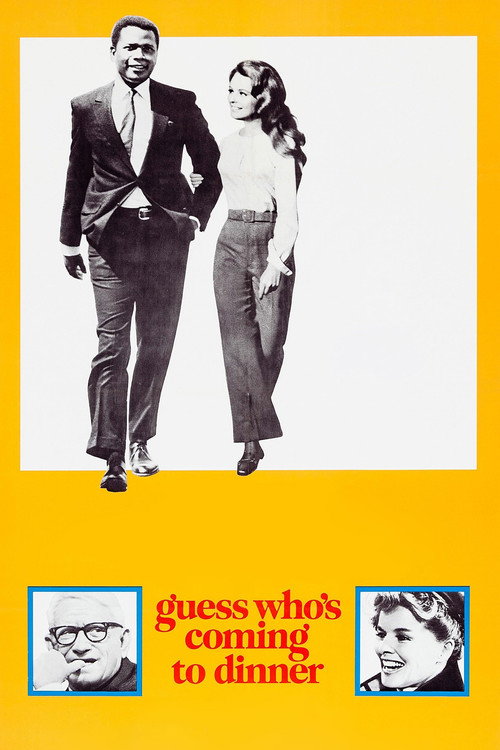
Guess Who's Coming to Dinner1967
The obvious mainstream counterpoint: race drama as Hollywood commodity. Watching it now, the gentility is almost shocking—safe where Fuller refused to be. Worth the contrast.
But So earnest and well-meaning it can feel almost quaint. The problems it addresses are real; the solutions proposed are not.
Not sure tonight? Get a pick in a minute, starting from White Dog
The wildcard
Something you would not have found on your own.
Come and See1985
Both use genre and animals/the young as vessels for examining how evil enters systems. Both refuse metaphor when brutal clarity is available.
Elem Klimov's Belarusian masterpiece is perhaps cinema's most unsparing portrait of human evil in a historical context. If you can sit with Fuller's moral rage, this will shatter you in the same register. The corruption here is not trained into a creature—it's the default setting of fascism.
But Genuinely one of the most difficult films ever made. The violence is not cartoonish; the child protagonist's degradation is systematic. It demands more from a viewer than most cinema.

More like this (7)
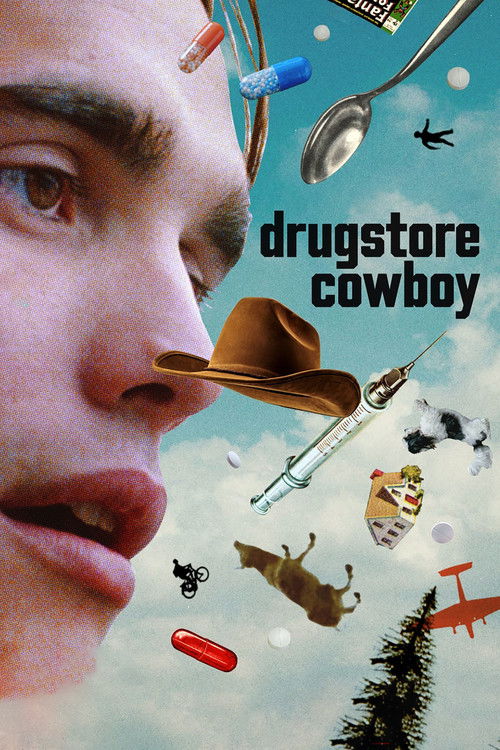
Drugstore Cowboy1989
Gus Van Sant's portrait of addiction and moral drift shares Fuller's refusal to grant characters redemption arcs. Bleak, kinetic, and crackling with dark energy.
But Structurally messy in ways that frustrate some viewers. Drug use is portrayed without moralising—some find that difficult.
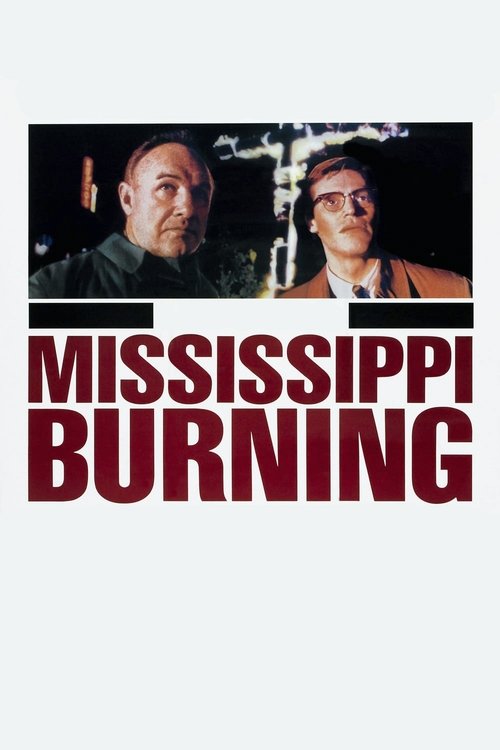
Mississippi Burning1988
Another 1960s racial violence story, but told as a procedural. Useful comparison: different era, different approach, much larger budget, and ultimately more comforting lies.
But The film itself has aged poorly in terms of whose story it centred. Worth seeing for the wrong reasons, occasionally.
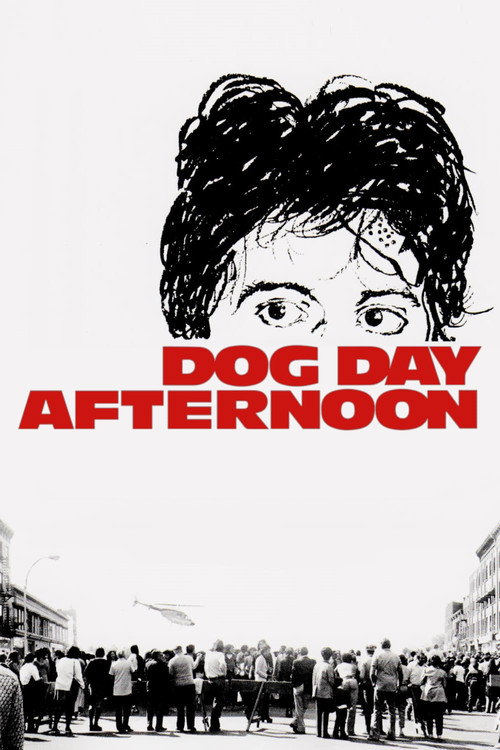
Dog Day Afternoon1975
Sidney Lumet's real-time pressure cooker about desperation and exposure. Character-driven where Fuller is idea-driven, but equally committed to showing people at their worst and truest.
But Claustrophobic and emotionally exhausting. A hostage drama that offers no catharsis, only exhaustion.
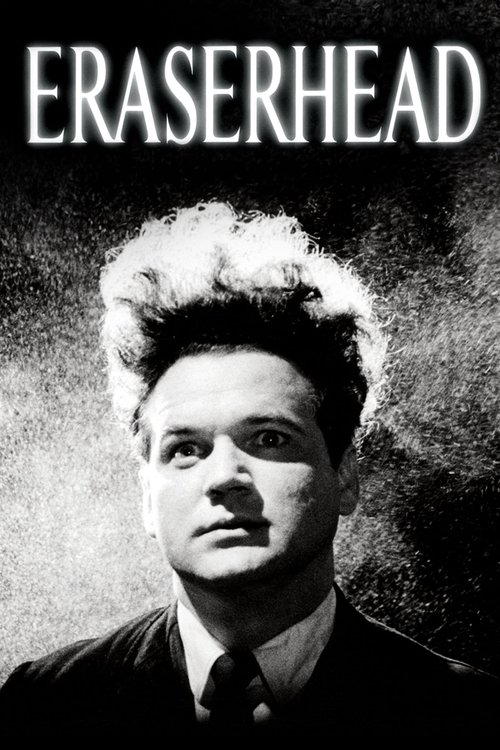
Eraserhead1977
Lynch's nightmare-logic horror operates at the same fever pitch as Fuller's. Grotesque, metaphorically blunt, designed to unsettle rather than comfort.
But Deliberately opaque and surreal. If you need plot clarity, this will infuriate you. The sound design is intentionally abrasive.
Requiem for a Dream2000
Aronofsky's descent-into-addiction uses formal technique to make moral rot visible. Another film that refuses to sentimentalise its characters or offer false hope.
But Visually relentless and emotionally harrowing. Its repetitive intensity is the point, but it's exhausting by design.

Under the Skin2014
Glazer's alien-predator film uses genre framework for social commentary, as Fuller did. Hypnotic and strange, more interested in questions than answers.
But Deliberately slow and elliptical. Long stretches without dialogue; meaning is implied rather than stated. Patience essential.

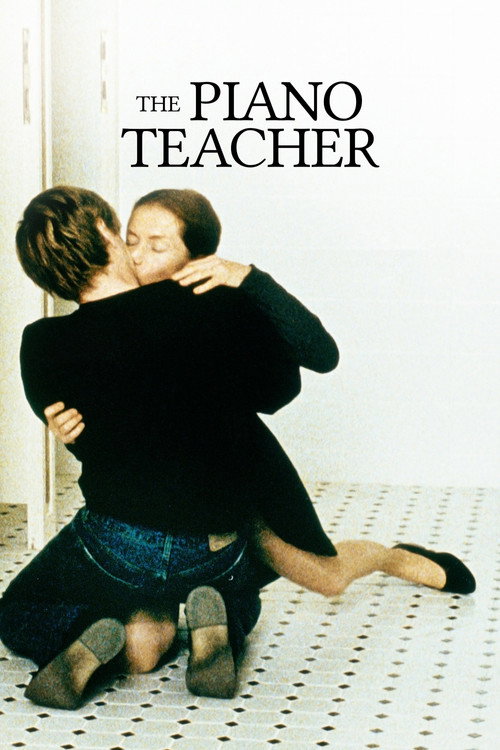
The Piano Teacher2001
Both insist on showing damage without sentimentalising the damaged. Both locate evil not in aberration but in systems and inheritance.
Haneke's Austrian chamber piece about sadomasochism, class resentment, and repressed sexuality. Grotesque where Fuller is pulpy, but equally interested in how cruelty is transmitted and normalised. Isabelle Huppert's performance is a masterclass in containing horror.
But Contains graphic sexual violence. Extremely bleak, with no warmth anywhere. The sex scenes are deliberately unsexy and bruising. Not entertainment.
People
Cast
 Kristy McNicholJulie Sawyer
 Paul WinfieldKeys
 Burl IvesCarruthers
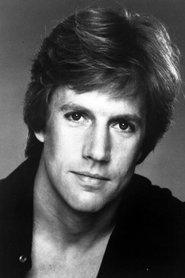 Jameson ParkerRoland Grale
 Christa LangNurse
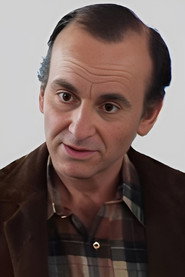
 Karl Lewis MillerAttacker
 Karrie EmersonSun Bather
 Helen SiffPound Operator
- Glen GarnerPound Worker
- Terrence BeasorPound Driver
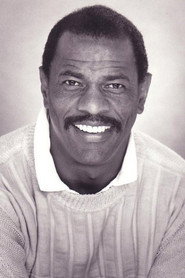 Tony BrubakerSweeper Driver
Directing
- Samuel FullerDirector
Writing
- Curtis HansonScreenplay
- Samuel FullerScreenplay
- Romain GaryStory
Production
- Jane FeinbergCasting
- Mike FentonCasting
- Edgar J. ScherickExecutive Producer
- Nick VanoffExecutive Producer
- Jon DavisonProducer