
Film
Madame Satã
A portrait of João Francisco dos Santos, who rose from Rio's favelas in the 1930s to become Madame Satã, a legendary cabaret performer. Karim Aïnouz's film is sensual and violent by turns, moving between memory and myth, tenderness and rage. For those drawn to queer cinema that doesn't flinch from ugliness or beauty.
Should you watch it?
Watch it if you love a portrait of a defiant outsider whose swagger is armor, where the cabaret glitter, the street violence and the tenderness share the same frame without apology.
Skip it if you want a tidy, fast-moving plot; this one wanders through its character's days, and its rough edges and blunt violence may feel harsh rather than rewarding.
What it asks of you: It runs about an hour and forty-five minutes at a patient, episodic pace, and it wants you to sit with a hard, unruly life rather than follow a neat arc.
Not sure? Find tonight's pick in a minute.
If you liked this
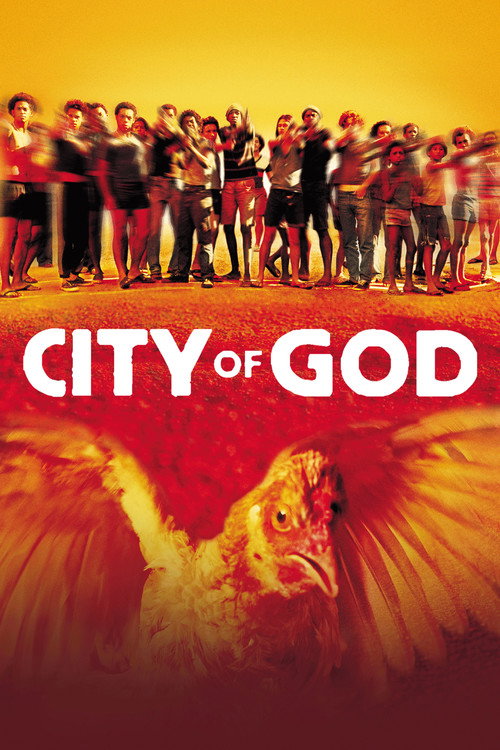
City of God2002
Explosive, formally inventive account of Rio's drug wars across decades. Like Madame Satã, it finds humanity and dark humour in the favelas, with a visual style that refuses to look away.
But The violence is graphic and relentless. Some find the rapid-fire editing and overlapping narratives exhausting rather than exhilarating.
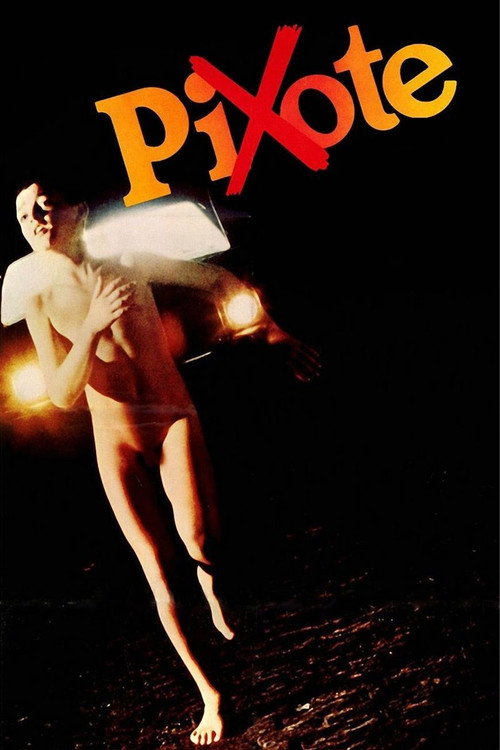
Pixote1980
Hector Babenco's unflinching portrait of abandoned children in São Paulo's underworld. It shares Madame Satã's refusal to sentimentalise poverty or survival, and its raw emotional power.
But Deeply upsetting. The protagonist is a child, and the film doesn't offer comfort or redemption—only the brutal reality of abandoned lives.
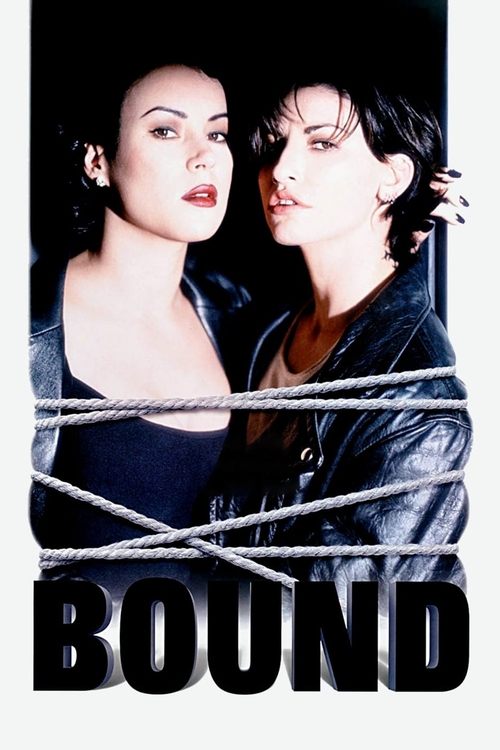
Bound1996
The Wachowskis' debut: a noir thriller centred on a lesbian couple. Stylish, sexy, violent, and genuinely transgressive in its refusal to make queerness secondary to plot.
But The erotic content and graphic violence won't appeal to everyone. Some find the noir setup more interesting than the follow-through.
Not sure tonight? Get a pick in a minute, starting from Madame Satã
The wildcard
Something you would not have found on your own.
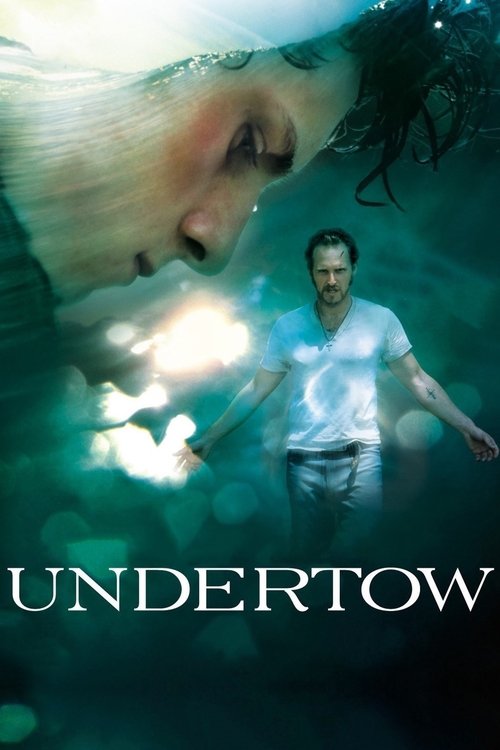
Undertow2004
Same director, same commitment to queerness as a force that transforms landscape and time itself. A chance to see Aïnouz develop the vocabulary he invented with Madame Satã.
Karim Aïnouz's follow-up, even more formally daring than Madame Satã—a love story between two men in the Brazilian countryside that becomes something like a ghost story. Sensory filmmaking that trusts silence and space.
But It's nearly wordless and moves like a dream. Conventional narrative means nothing here; some will find it beautiful, others impenetrable.
More like this (7)
In the Mood for Love2000
Wong Kar-wai's masterpiece about desire and restraint. Like Madame Satã, it's visually intoxicating and finds profound emotion in gesture, touch, and what cannot be said aloud.
But Glacially paced and entirely interior. If you need plot momentum or explicit emotion, this will feel like watching paint dry in a nightclub.

Requiem for a Dream2000
Aronofsky's descent into addiction across four lives. Visceral, formally daring, and deeply compassionate despite its darkness—it finds dignity in wreckage, like Madame Satã does.
But The sensory assault is intentional and relentless. The ending is genuinely devastating, and the film doesn't ease you toward it.

My Own Private Idaho1991
Gus Van Sant's dreamy, melancholic exploration of street youth and queer survival. It treats its characters with tenderness while refusing to romanticise their circumstances.
But Structurally unconventional and deliberately paced. The narrative meanders; plot isn't the point, and that frustrates viewers who need one.

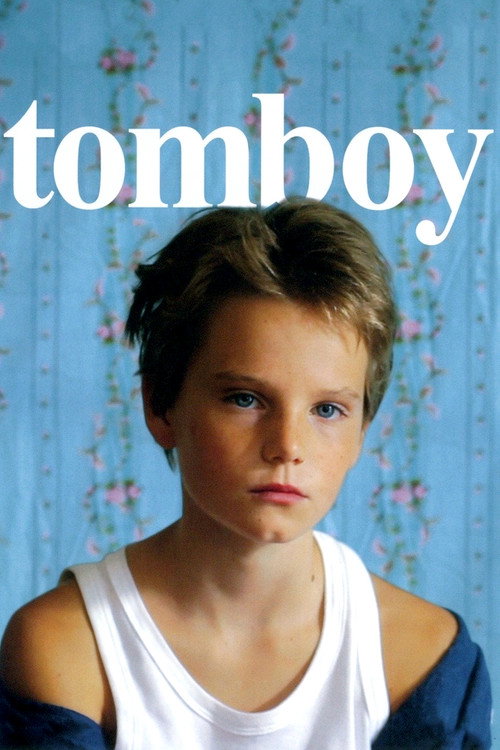
Tomboy2011
Céline Sciamma's precise, tender study of gender and childhood. Like Madame Satã, it refuses easy answers about identity while maintaining genuine warmth toward its characters.
But Extremely subtle. Very little happens in the conventional sense. Those seeking clarity or resolution will feel the film deliberately withholds it.
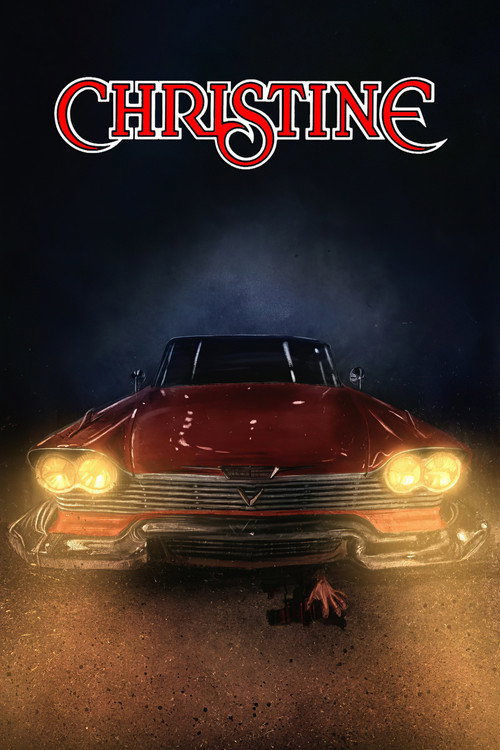
Christine1983
David Cronenberg's possessed-car thriller is formally audacious and genuinely unsettling. A masculine object becomes a character with agency, inverting genre expectations with style.
But The body horror and misogyny are significant. The film works with these elements deliberately, but they remain genuinely difficult to sit with.
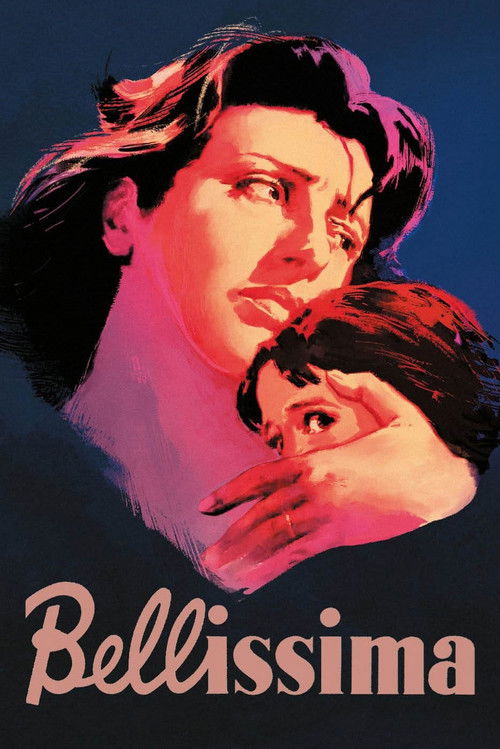
Bellissima1952
Both are about survival through performance, about people marginalised by society creating themselves on stage or screen. Both find beauty and tragedy in aspiration.
Visconti's rarely seen film about a working-class Roman mother pushing her child toward cinema stardom. Luchino Visconti's empathy for those clawing toward visibility and performance mirrors Madame Satã's own hunger to be seen.
But Black and white, post-war Italian melodrama. The pacing is stately, almost documentary in places. It demands patience with a very different era of filmmaking.
A Prophet2009
Both follow a marginalised outsider who becomes legendary through sheer force of personality and reinvention. Both understand that transformation requires hardness and that visibility is survival.
Jacques Audiard's prison epic about a young Arab man who transforms himself through cunning and will. Brutal, precise, thrilling—it charts the making of a persona just as Madame Satã does, but in a radically different context.
But It's a crime film in a French prison. If you're averse to prison brutality or institutional violence, this will be extremely hard to watch, though never gratuitously so.

People
Cast
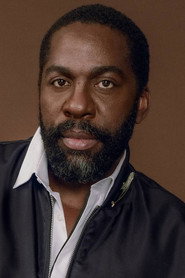 Lázaro RamosJoão Francisco dos Santos / Madame Satã
 Marcélia CartaxoLaurita
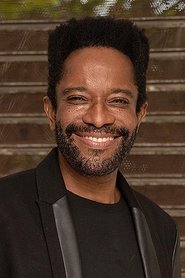 Flávio BauraquiTabu
 Renata SorrahVitória dos Anjos
- Fellipe MarquesRenatinho
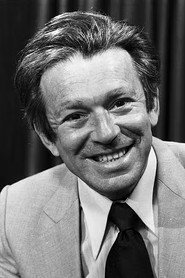 Emiliano QueirozAmador
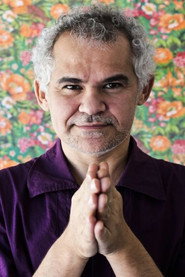 Gero CamiloPreso
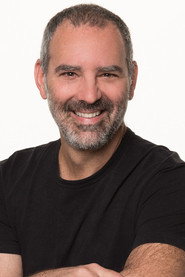 Floriano PeixotoGregório
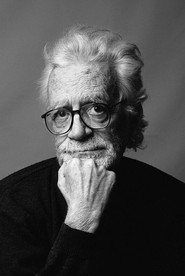 Eduardo CoutinhoJuiz
 Ricardo BlatJosé
 Karine Telesruiva na janela
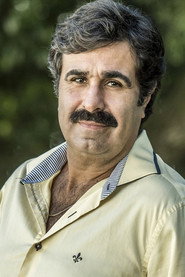 Orã Figueiredopolicial
Directing
- Karim AïnouzDirector
Writing
- Karim AïnouzWriter
- Marcelo GomesWriter
- Mauricio ZachariasWriter
- Sérgio MachadoWriter
Production
- Dominique WelinskiAssociate Producer
- Laurent BocahutAssociate Producer
- Philip BrooksAssociate Producer
- Donald RanvaudProducer
- Isabel DieguesProducer
- Juliette RenaudProducer
- Marc BeauchampsProducer
- Mauricio Andrade RamosProducer
- Vincent MaravalProducer
- Walter SallesProducer