
Film
In a Year with 13 Moons
- Social drama
- Romance
- Very dark
Rainer Werner Fassbinder's bracingly honest film about Elvira, a trans woman navigating identity, rejection, and survival in 1970s Frankfurt. It's blunt, occasionally brutal, and deeply compassionate—a work that refuses easy sentiment while never looking away from its protagonist's humanity. For anyone willing to sit with difficult emotional territory.
Should you watch it?
Watch it if you want a bleak, unhurried character study that treats a body and a life being rebuilt with patient, unsentimental attention, and you can sit with despair without needing it resolved.
Skip it if you need brisk plotting or a clear arc, since it wanders through episodes of memory, cruelty and fraught encounters at nearly two hours and rarely hurries to explain itself.
What it asks of you: Long stretches of stillness and repetition, a heavy mournful mood, and a stark, deliberately slow style set the pace, so expect to give it your full attention across two hours and change.
Not sure? Find tonight's pick in a minute.
If you liked this
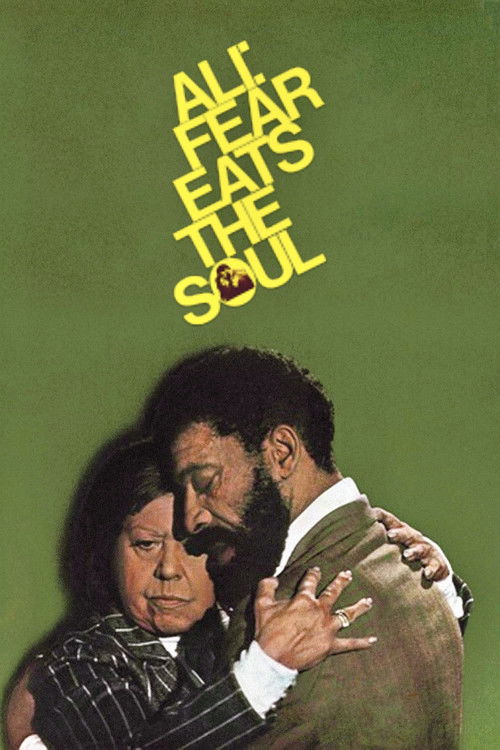
Ali: Fear Eats the Soul1974
Fassbinder's other masterpiece, exploring love and otherness across social boundaries with the same unflinching gaze and formal precision. Essential viewing to understand his emotional vocabulary.
But It moves with deliberate slowness and its melodrama can feel distant rather than cathartic if you're not attuned to Fassbinder's style.
The Bitter Tears of Petra von Kant1972
Another Fassbinder portrait of desire and dependency, this time between two women. Claustrophobic, intimate, gorgeously shot—demonstrates his gift for mining quiet devastation from human connection.
But Confined almost entirely to one apartment, which some find repetitive rather than intensifying.

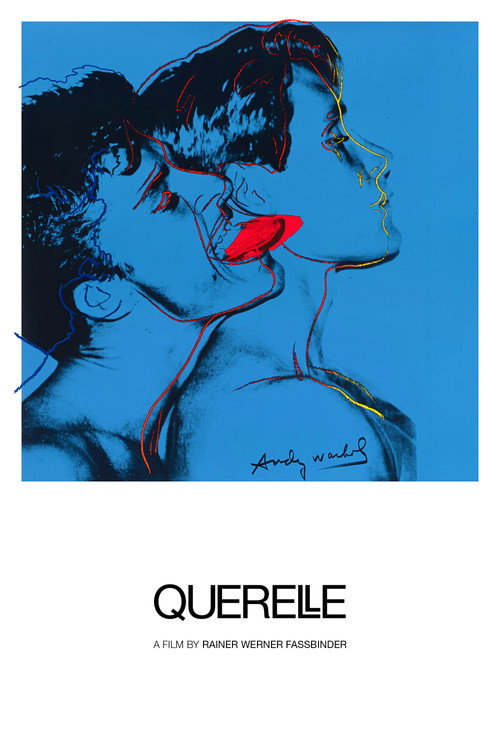
Querelle1982
Fassbinder's final film, a baroque fever dream about desire and betrayal in a port city. Visually audacious and erotically charged in ways that complement 13 Moons' emotional honesty with stylistic abandon.
But Its camp aesthetics and sexual explicitness aren't for everyone, and it lacks the narrative accessibility of his earlier work.
Not sure tonight? Get a pick in a minute, starting from In a Year with 13 Moons
The wildcard
Something you would not have found on your own.
The Leopard1963
Both dramatize the psychic cost of being remade by forces beyond your control, and locate transcendence in accepting your own erasure.
Visconti's masterpiece about class dissolution and the self remaking itself—a Sicilian prince watches his world vanish and must become someone new to survive. It's Elvira's story told with aristocratic beauty rather than working-class rawness, but the skeleton is identical: transformation forced by history, dignity amid collapse.
But Three hours, in Italian, of a man in gorgeous clothes walking through rooms. The pacing requires patience; the aesthetic distance from Fassbinder's viscerality may feel evasive.

More like this (8)
Christiane F.1981
A harrowing Berlin-set portrait of a young person's struggle with identity and survival, grounded in documentary truth. Captures similar terrain—marginalization, gender, addiction—with devastating authenticity.
But Grueling subject matter (heroin addiction) and a teen protagonist in graphic peril will alienate viewers seeking gentler fare.

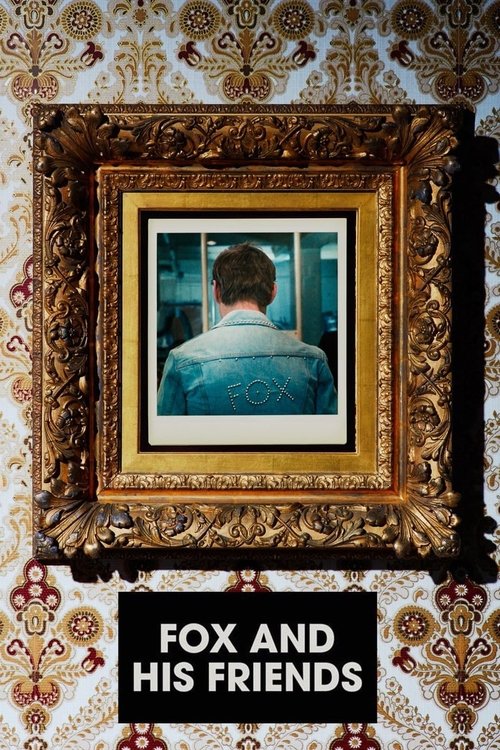
Fox and His Friends1975
Fassbinder examines class and exploitation through a gay romance that decays into parasitism. A scalding critique of desire weaponized against vulnerability, more corrosive than tragic.
But Its central relationship is deliberately unpleasant to watch, and the film offers no catharsis or moral redemption.
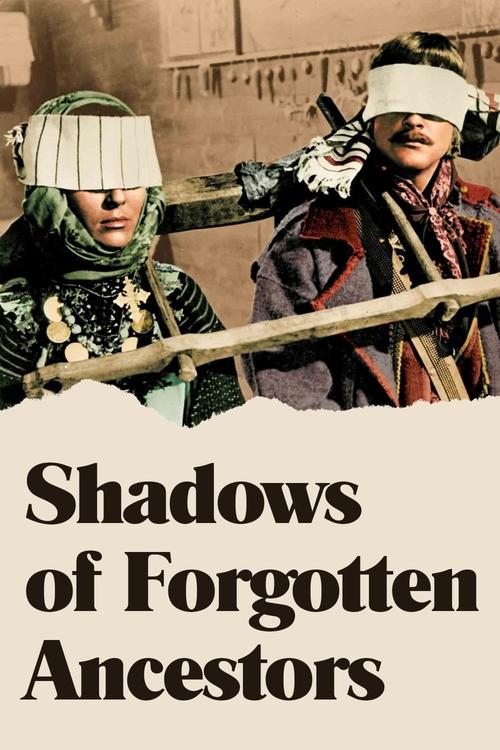
Shadows of Forgotten Ancestors1965
Sergei Parajanov's visually hypnotic meditation on identity, transformation, and the weight of the past. Operating in metaphor and color rather than realism, it reaches similar emotional depths through entirely different means.
But Its dreamlike, non-linear approach and heavily stylized performances may feel abstract or impenetrable on first viewing.
Desert Hearts1985
A tender, direct portrait of two women finding love and selfhood in 1950s Nevada. Shows the flip side of 13 Moons' thesis—what happens when desire is reciprocated and accepted.
But Its optimistic ending and indie-film aesthetics feel lightweight if you're coming from Fassbinder's unflinching density.

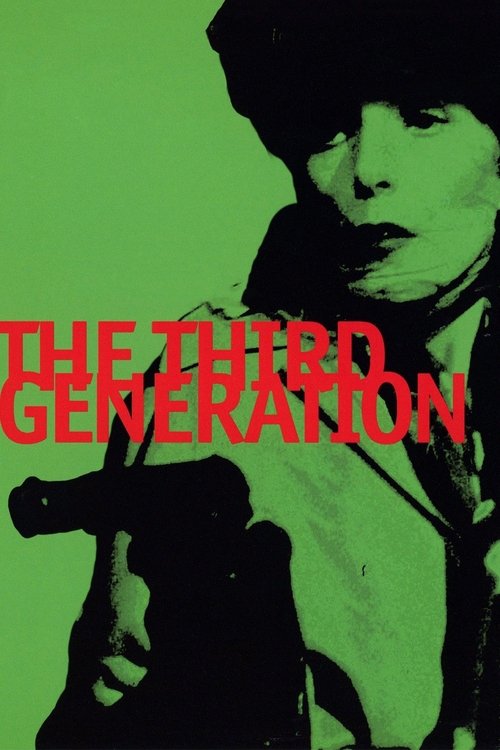
The Third Generation1979
Fassbinder's savage satire of terrorism and radical posturing shot just after 13 Moons. Paranoid, explosive, formally chaotic—proof his range extended far beyond chamber pieces.
But Deliberately abrasive and structurally incoherent in ways that feel antagonistic rather than artful to many viewers.
My Own Private Idaho1991
Gus Van Sant's portrait of street hustlers and wounded male intimacy. Uses Shakespearean language and nonlinear form to explore belonging and abandon in ways that echo Fassbinder's method.
But Its indie sensibility and narrative fragmentation will feel precious to those who prefer classical storytelling.

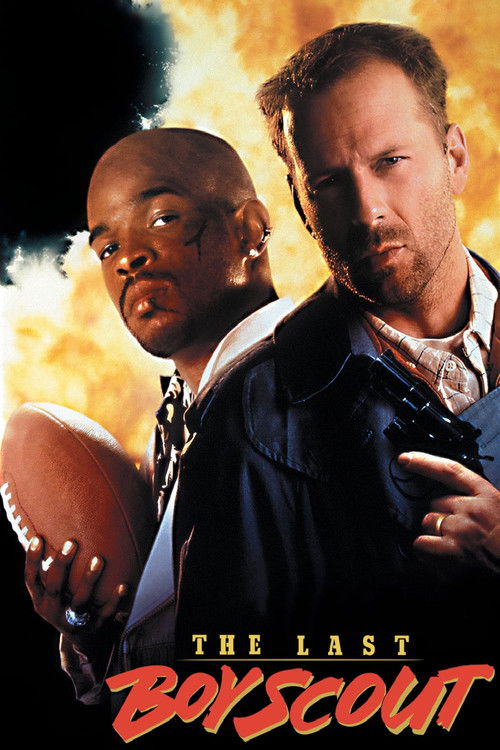
The Last Boy Scout1991
Both trace identity formation through the lens of parental abandonment and necessary reinvention, but Waititi insists such stories can also be funny and healing.
Taika Waititi's semi-autobiographical New Zealand film about a trans boy and his estranged father, told with deadpan humor and genuine tenderness. It's Fassbinder's material filtered through comedy and warmth—transformation and family rejection, but laughing instead of drowning.
But Its tonal lightness may feel trivializing if you're seeking the gravity Fassbinder brings to the same themes.
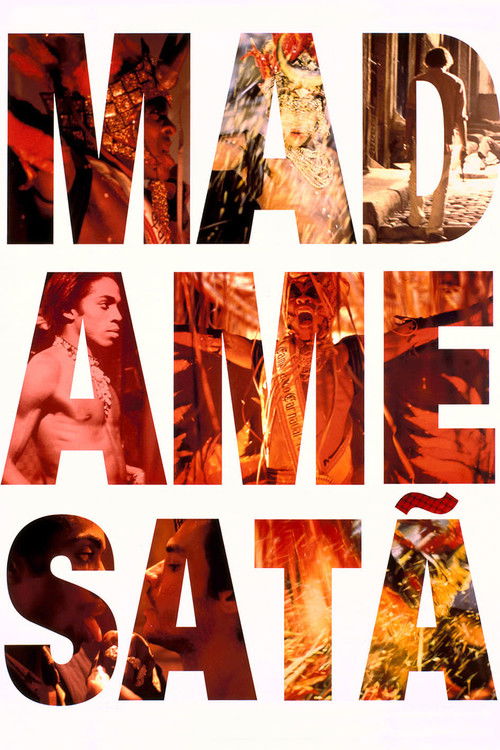
Madame Satã2002
Both celebrate trans existence and criminalized survival, but 13 Moons mourns what was lost while Madame Satã exalts what was claimed.
A Brazilian documentary-fiction hybrid about Madame Satã, a Black trans performer and criminal who lived fully on her own terms in 1930s Rio. Shot in color and shadow-play, it's exultant where 13 Moons is sorrowful—same defiance of gender convention, but celebrating refusal rather than lamenting sacrifice.
But Its experimental form (mixing documentary, theatrical reenactment, and performance art) is deliberately disorienting; the cultural specificity may feel distant.
People
Cast
 Volker SpenglerElvira Weishaupt
 Ingrid CavenZora la rouge
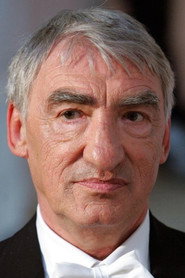 Gottfried JohnAnton Saitz
 Elisabeth TrissenaarIrene Weishaupt
 Eva MattesMarie-Ann
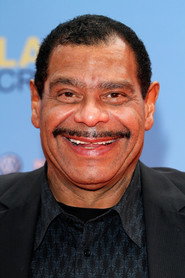 Günther KaufmannChauffeur
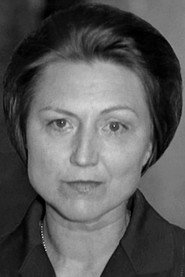 Lilo PempeitSchwester Gudrun
 Isolde BarthSybille
 Karl ScheydtHacker
 Walter BockmayerSeelen-Frieda
- Gerhard ZwerenzBurghard Hauser
- Peter KollekSaeufer
Directing
- Rainer Werner FassbinderDirector
Writing
- Rainer Werner FassbinderWriter
Production
- Rainer Werner FassbinderProducer
- Isolde BarthProduction Manager
Recommended by
The Marriage of Maria Braun, Rainer Werner Fassbinder's World on a Wire: Looking Ahead to Today, Wandering Stars, The Story of Piera