
Film
Querelle
- Drama
- Strange
Rainer Werner Fassbinder's final film, a baroque, sexually charged tragedy about a sailor adrift in desire and violence. Painted in saturated jewel tones, all artifice and compulsion, it moves like a dream that knows exactly how dark it wants to get. For anyone drawn to queer cinema that refuses comfort or easy answers.
Should you watch it?
Watch it if you love films that treat style as the story, with stagey sets, smoke-stained colour and ritual talk, and you are drawn to Genet's sensual, morally slippery world of desire.
Skip it if you need plot momentum or naturalistic performances; the dialogue is sparse and mannered, the pace is hypnotic rather than brisk, and the sexual frankness is constant.
What it asks of you: Patience for long, stylised stretches where mood outweighs plot, across 109 minutes that rarely hurry and keep everything deliberately artificial, like a painted set.
Not sure? Find tonight's pick in a minute.
If you liked this
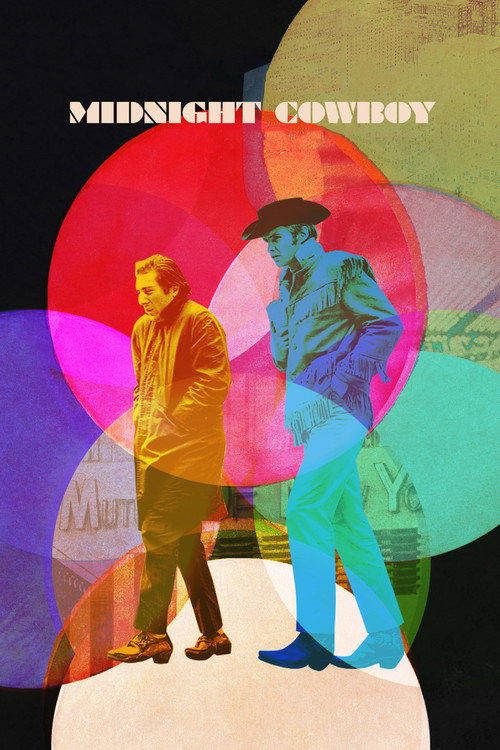
Midnight Cowboy1969
Jon Voight's rent boy moves through urban squalor with the same fatalistic hunger Querelle has for degradation. It's survival sex rendered with unflinching compassion and a blues-soaked eye for American loneliness.
But The sexual violence and male exploitation are graphic and relentless. It's punishing to watch, and meant to be.
In a Lonely Place1950
Humphrey Bogart as a man whose charm masks genuine rot, capable of sudden cruelty. Ray's film has the same claustrophobic intensity and the same refusal to let the protagonist off the moral hook.
But It's a noir that feels static and airless; some find the pacing glacial rather than hypnotic.

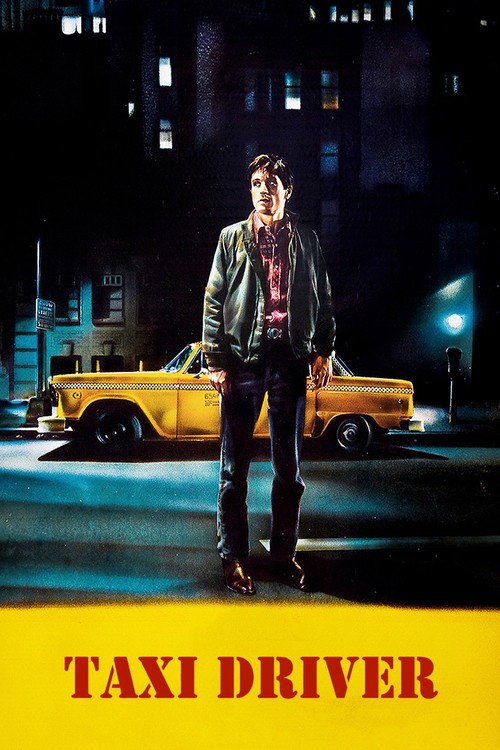
Taxi Driver1976
Travis Bickle's alienation and violent fantasy life mirror Querelle's disconnection from safety. Both men are trapped in their own logic, watching the world they want to destroy.
But De Niro's performance can feel histrionic; the film's misogyny and moral ambiguity remain genuinely disturbing and unresolved.
Not sure tonight? Get a pick in a minute, starting from Querelle
The wildcard
Something you would not have found on your own.
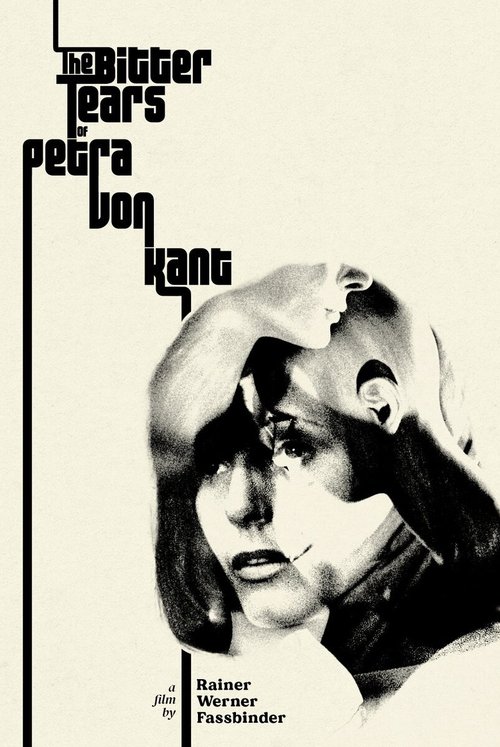
The Bitter Tears of Petra von Kant1972
Made a decade before Querelle, this is the template Fassbinder perfected: desire as sickness, beauty as betrayal, confinement as the only honest way to film love.
Fassbinder's masterpiece: a play-like film about a woman's obsessive desire for another woman, filmed almost entirely in one room with the same theatrical intensity, saturated colors, and moral complexity. It's *his* peak, and it shows exactly what he was trying to do.
But It's intensely interior and static; the action is all emotional and psychological. Some find it claustrophobic; others find the pacing self-indulgent.
More like this (6)
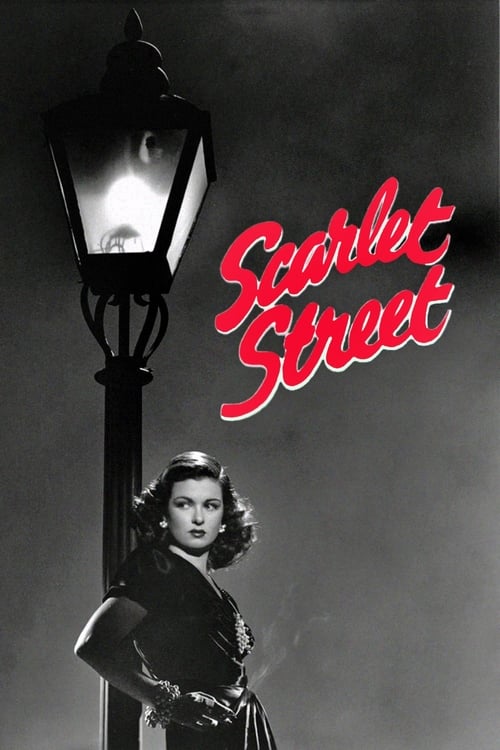
Scarlet Street1945
Fritz Lang's masterpiece of desire destroying a decent man. Edward G. Robinson's professor is seduced into complicity and crime—sexual manipulation treated as the ultimate violence.
But The femme fatale framework feels dated; you have to accept the film's own moralism about female sexuality to stay with it.
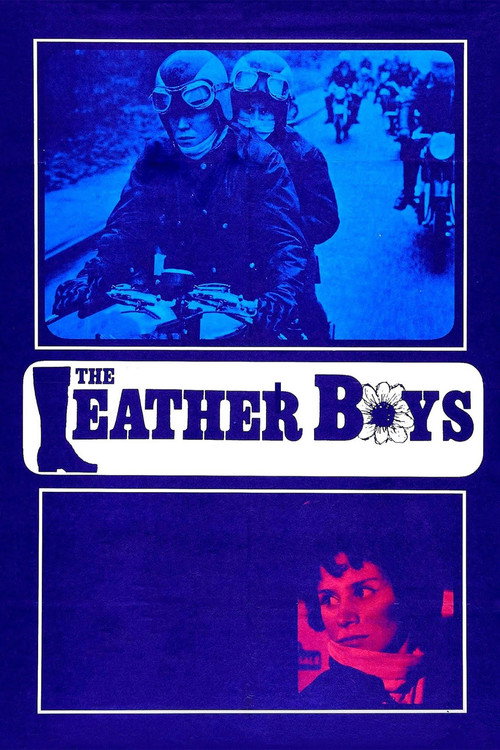
The Leather Boys1964
A British film about desire between working-class boys on motorbikes, tender and explicit, the real precursor to queer cinema's willingness to show same-sex love without apology or tragedy.
But It's a product of the swinging 1960s, and the hipness can feel quaint now. The second half shifts tone awkwardly.
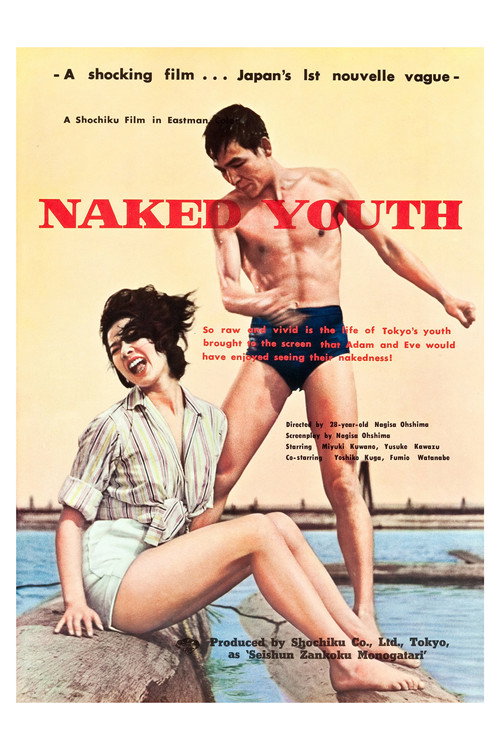
Cruel Story of Youth1960
Nagisa Oshima's incandescent film about young lovers in postwar Tokyo using sex and manipulation to survive. The same fever-dream aesthetics, the same refusal to separate desire from violence.
But It's deliberately provocative about sexuality in ways some will find gratuitous. The morality is ambiguous by design.
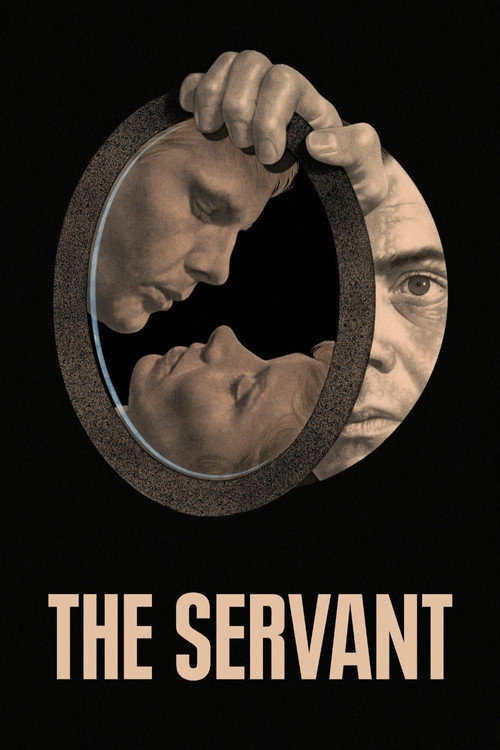
The Servant1963
Joseph Losey's film about power inverted through seduction and servitude. James Fox and Dirk Bogarde in a dance of dominance that corrupts and destroys, all shot in claustrophobic interiors.
But It's slow, stylized, and the eroticism is largely implicit. Patience required; the payoff is intellectual rather than visceral.
La Haine1995
Both films treat marginalized men—sailors, immigrants, the poor—with radical visual beauty rather than pity. Both know that elegance and despair can coexist.
Mathieu Kassovitz's black-and-white poem about three young men in Paris's banlieue, moving through the city with the same dreamlike fatalism and violence Querelle has. It's a film about watching time run out on people the world has written off.
But The political anger and social realism are heavy-handed to some eyes. It wears its message; subtlety is not the goal.

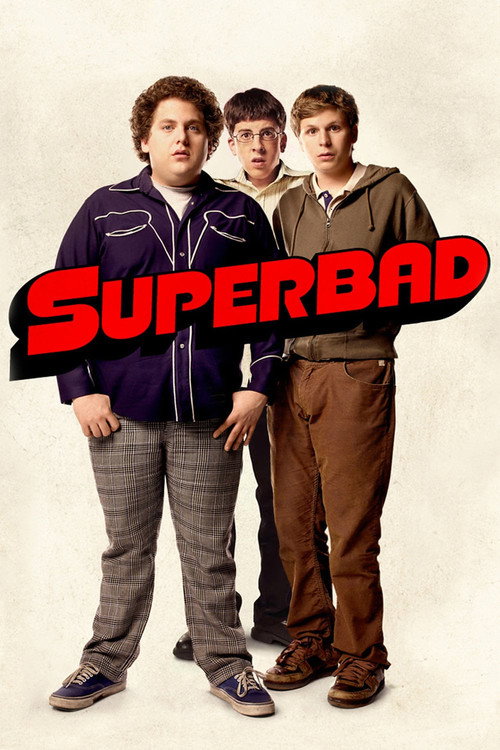
Superbad2007
Both films understand that male desire can be simultaneously comic and tragic, that shame and lust can live in the same body. Both treat their boys with genuine affection and no mercy.
A teen comedy about two boys navigating desire, violence, and friendship in the space of one night. The same theatrical energy as Querelle, the same claustrophobic focus on how wanting things can make you ridiculous and dangerous.
But It's aggressively funny and deliberately silly. If you come expecting Fassbinder's gravity, you'll find a Judd Apatow film instead, and that's the point.
People
Cast
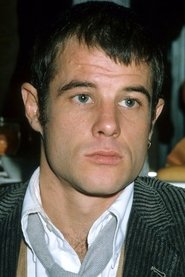 Brad DavisQuerelle
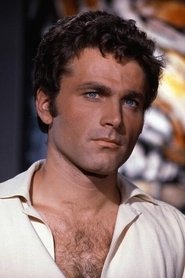 Franco NeroLieutenant Seblon
 Jeanne MoreauLysiane
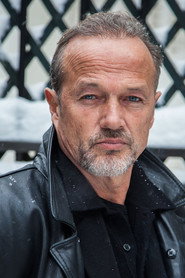 Laurent MaletRoger Bataille
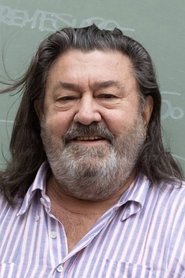 Hanno PöschlRobert / Gil
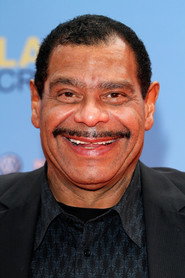 Günther KaufmannNono
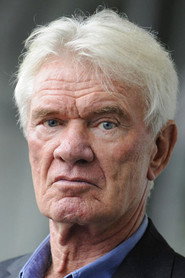 Burkhard DriestMario
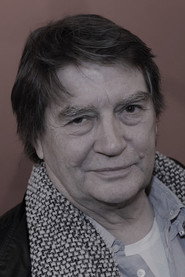 Roger FritzMarcellin
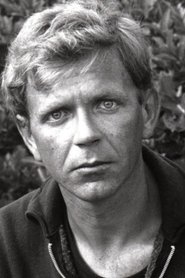 Dieter SchidorVic Rivette
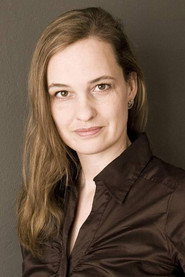 Natja BrunckhorstPaulette
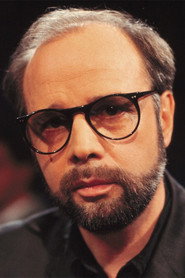 Robert van AckerenDrunk legionnaire
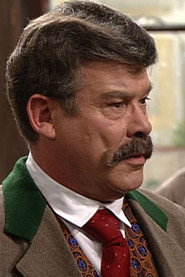 Werner AsamWorker
Directing
- Harry BaerAssistant Director
- Karin VieselAssistant Director
- Rainer Werner FassbinderDirector
Writing
- Jean GenetNovel
- Burkhard DriestScreenplay
- Rainer Werner FassbinderScreenplay
Production
- Burkhard DriestCo-Producer
- Michael McLernonExecutive Producer
- Dieter SchidorProducer
- Sam WaynbergProducer
- Christian ZertzProduction Accountant
- Rolf ZehetbauerProduction Designer
- Rüdiger LangeProduction Manager
- Mickey CottrellPublicist
- Mina KindlPublicist
- Dieter KaiserUnit Manager
- Jürgen von KornatzkiUnit Production Manager
- Michael McLernonUnit Production Manager
Recommended by
Looking for Langston, Pink Narcissus, Speedway Junky, Baal, The Living End, Rainer Werner Fassbinder's World on a Wire: Looking Ahead to Today, In a Year with 13 Moons, Fox and His Friends, Mauvais Sang, Tomboy