
Film
Baal
- Drama
- Slow-burning
Fassbinder's Baal is a provocation dressed as a character study: a shambling, brilliant drifter who seduces, manipulates and destroys everyone around him while claiming artistic purity. It's abrasive and deliberately ugly, a film that makes you uncomfortable on purpose. For those curious about 1970s German cinema or willing to sit with moral ambiguity.
If you liked this
Stalker1979
Tarkovsky's meditation on desire and the spiritual hollowness of ambition shares Baal's fascination with charisma that corrodes from within. Hypnotic and philosophically serious about what we actually want.
But Moves at a glacial pace with long silences. If you need plot momentum or conventional drama, this will feel like punishment.

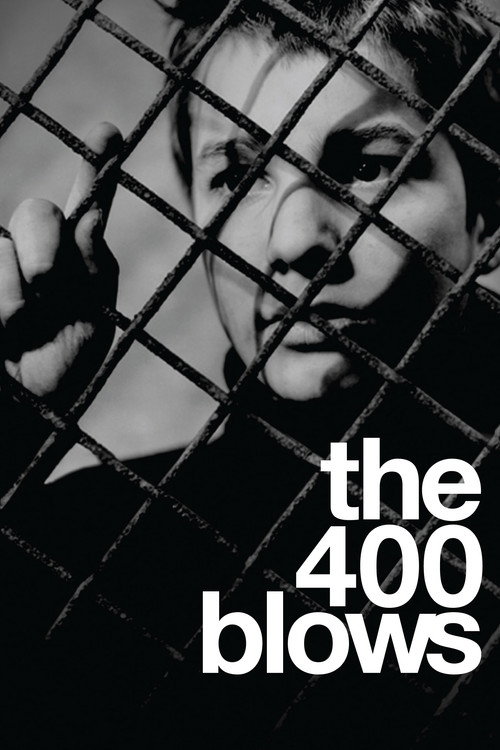
The 400 Blows1959
Truffaut's portrait of a boy adrift in post-war Paris has the same tender-eyed attention to social alienation and refusal. A gentler film, but built on similar bones about characters who don't fit.
But The black-and-white Paris cinema style can feel quaint now. Some may find it sentimental where Fassbinder is ruthless.
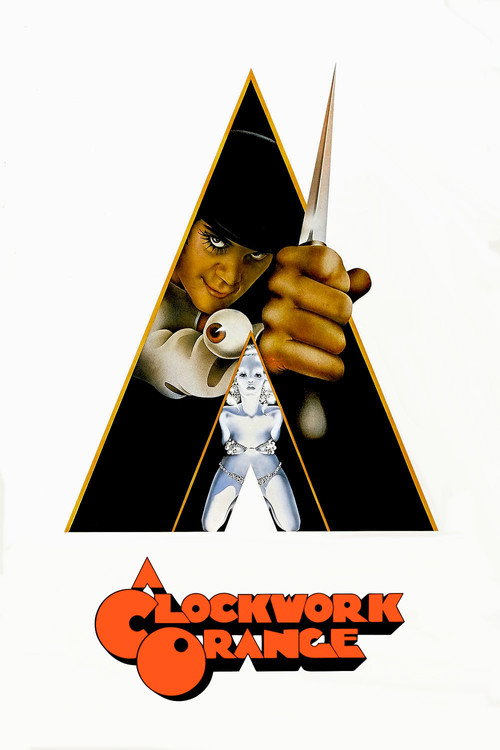
A Clockwork Orange1971
Kubrick's equally provocative study of an amoral, charismatic predator. Both films force you to find something magnetic in someone repellent—that discomfort is the point.
But The violence is stylised but relentless. If you're looking for moral clarity or a hero to root for, you'll be frustrated.
Not sure tonight? Get a pick in a minute, starting from Baal
The wildcard
Something you would not have found on your own.
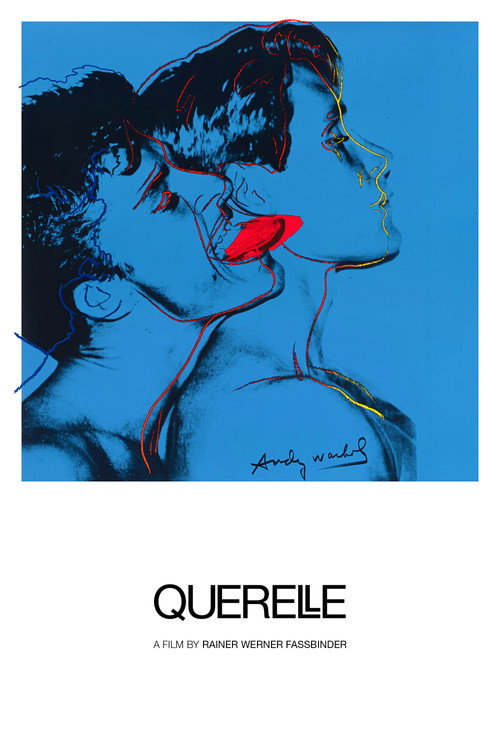
Querelle1982
Same director pushing the same ideas about charisma and corruption to their most extreme and visually baroque conclusion.
Rainer Werner Fassbinder's final film: a hallucinogenic descent into desire, performance and violence based on Genet. It's Baal's spiritual sibling—same director, same contempt for bourgeois morality, but drenched in gay eroticism and theatrical excess.
But Deliberately camp and artificial in a way that feels dated to some. The surface beauty can obscure rather than illuminate the ideas underneath.
More like this (8)
Contempt1963
Godard's portrait of artistic ego and emotional dissolution. Another film about men who use talent as a license to hurt people, shot with Godard's visual brilliance.
But Experimental in structure and pacing. Some find it glacially slow; others think the philosophy overwhelms the human story.

In the Mood for Love2000
Wong Kar-wai's study of repressed desire and social performance. Like Baal, it's fascinated by people concealing their true selves, though it's gorgeous where Baal is harsh.
But Extremely stylised and repetitive by design. The slowness that creates atmosphere will feel like stalling to some viewers.

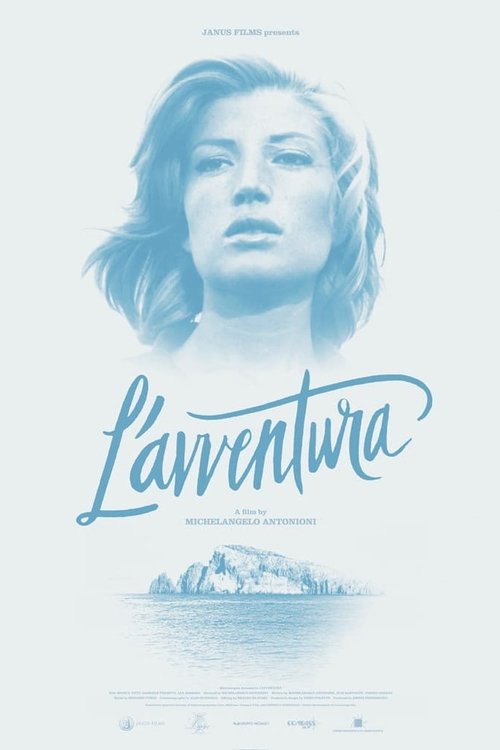
L'Avventura1960
Antonioni's examination of alienation and moral drift in the Italian upper classes. Both films treat their detached protagonists with clinical precision rather than judgment.
But Nearly three hours of people feeling nothing in beautiful locations. The passivity can feel like tedium rather than profundity.
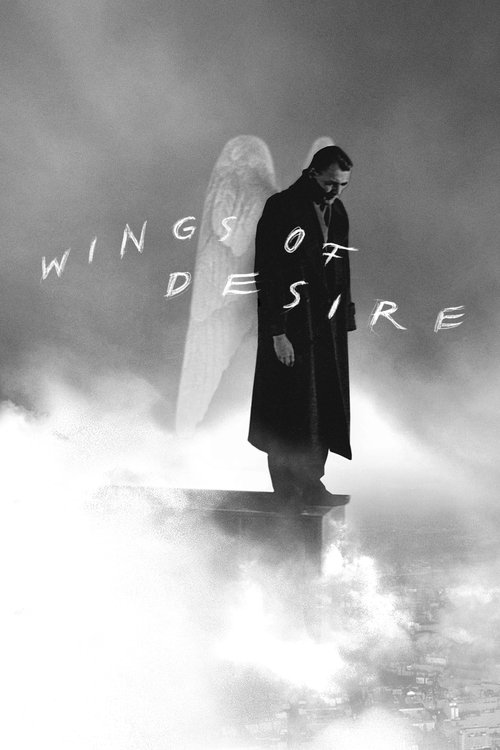
Wings of Desire1987
Wenders' meditation on art, mortality and the human condition. German cinema's answer to 'what makes life worth living'—less abrasive than Fassbinder but asking similar questions.
But Visually dense and metaphorically complex. Easy to admire, harder to feel moved by if the symbolism doesn't click.
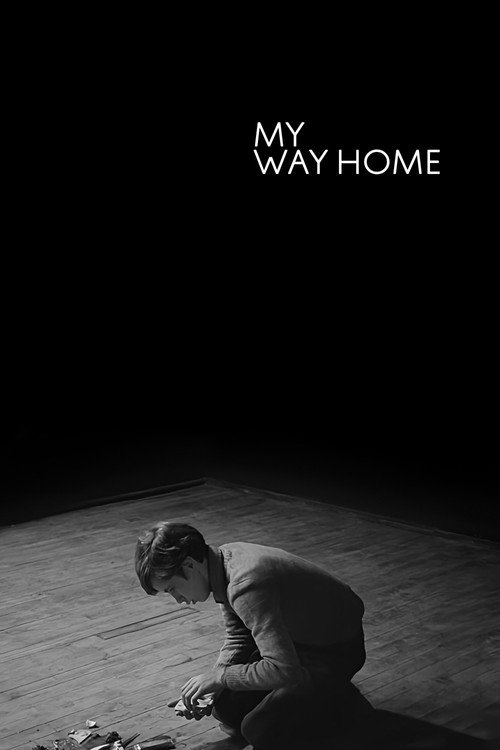
My Way Home1978
Antal Nimród's intimate portrait of youthful alienation and artistic ambition in 1950s Hungary. A gentler, more lyrical take on the outsider struggling with talent and survival.
But Hungarian cinema obscurity means it's genuinely difficult to find. The intimate chamber-piece style may feel slight after Fassbinder's aggression.
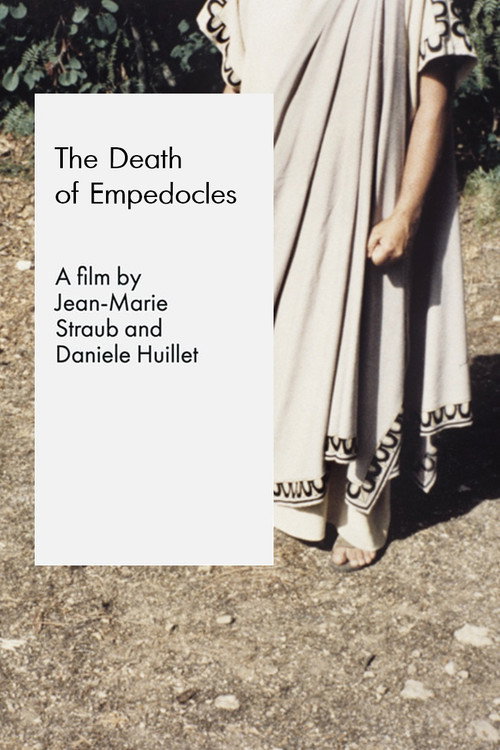
The Death of Empedocles1987
A late Straub-Huillet adaptation of Hölderlin about genius and self-destruction. If you survived Baal and want to go even deeper into German philosophical cinema, this is the provocation.
But Deliberately obscure and text-heavy, experimental in form. This is film theory made flesh. Most viewers should stop here and go get coffee.
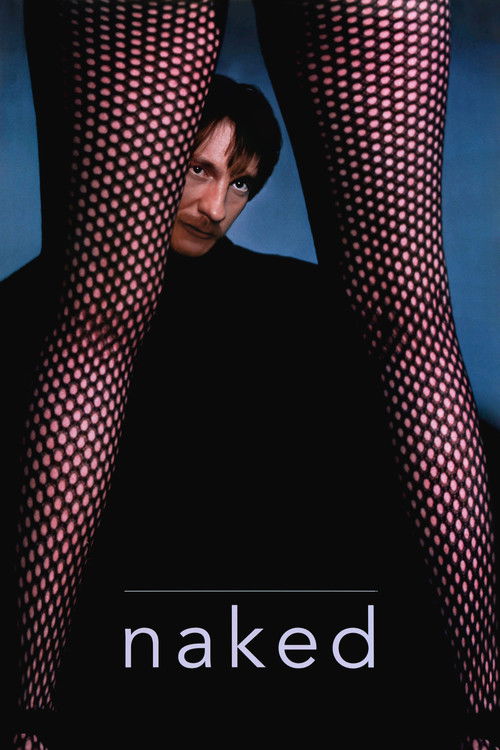
Naked1993
Both films are fascinated by intelligence weaponised against others, and whether charisma can redeem cruelty—spoiler: they say no.
Mike Leigh's portrait of a brilliant, bilious man-child destroying everything he touches. British social realism's answer to Baal: funny, furious, devastating, and absolutely committed to making its protagonist unbearable.
But The misogyny and cruelty are relentless and played for laughs that may not land. If you need characters with redeeming qualities, stay away.
Ignis Fatuus2012
Both interrogate the cult of the artist and whether the gap between public performance and private self is real or just convenient mythology.
A South Korean essay-film about acting, authenticity and the performance of personality. Operates in documentary and fiction simultaneously, asking whether anyone is 'real' or just playing themselves. It shares Baal's skepticism about genius and authenticity.
But Barely available outside festivals and specialty venues. Deliberately fragmentary and essayistic; if you want a story you will be lost.
People
Cast
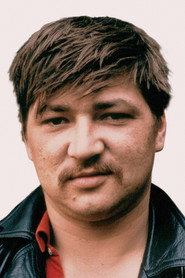
- Sigi GraueEkart
 Margarethe von TrottaSophie
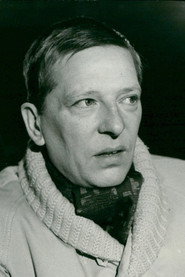 Günther NeutzeNech
 Hanna SchygullaLuise
 Marian SeidowskyJohannes
- Irmgard PaulisJohanna
- Wilmut BorellMjurk
 Christine SchuberthStripperin Sabitka
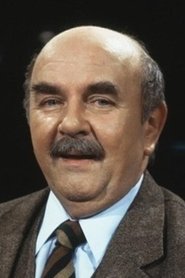 Walter SedlmayrAnwalt Pschierer
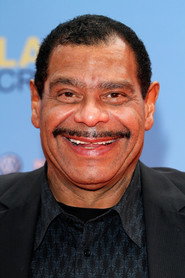 Günther KaufmannKutscher Orgauer
- Miriam SpoerriEmilie Mech
Directing
- Hans-Jörg WeyhmüllerAssistant Director
- Klaus-Oliver KeilAssistant Director
- Volker SchlöndorffDirector
Writing
- Volker SchlöndorffScreenplay
- Bertolt BrechtStory
Production
- Hans PrescherProducer
- Hellmut HaffnerProducer
- Volker SchlöndorffProducer
- Hans FriesProduction Manager