
Film
The Death of Empedocles
- Period drama
- Strange
- Slow-burning
Straub and Huillet's austere adaptation of Hölderlin's 1798 tragedy about the ancient philosopher Empedocles. A work of philosophical cinema: sparse, deliberately paced, visually severe. It demands active attention and offers no consolation. For viewers willing to sit with ambiguity and beauty that refuses to comfort.
If you liked this
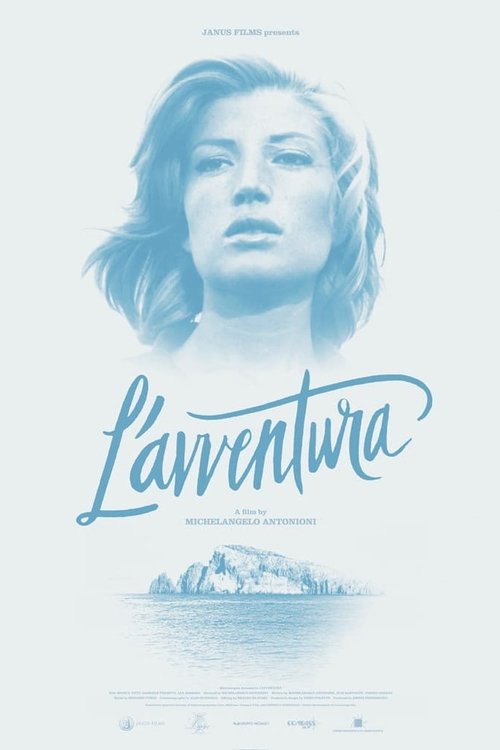
L'Avventura1960
Antonioni's languid masterpiece moves at its own pace, trusting viewers to find meaning in what isn't said. Like Empedocles, it's about absence, disconnection, and the spaces between people.
But Virtually nothing happens. If you need plot propulsion or conventional drama, this will feel glacial and punishing.
Jeanne Dielman, 23, quai du Commerce, 1080 Bruxelles1976
Chantal Akerman's three-hour study of domestic routine as philosophical inquiry. Both films use duration and repetition to transform the mundane into the monumental.
But Three hours of a woman doing housework. The deliberation will exhaust some viewers; patience is non-negotiable.

Stalker1979
Tarkovsky's meditation on desire, meaning, and spiritual longing. Like Empedocles, it's cinema as philosophy—slow, visual, asking questions it doesn't answer.
But Science fiction premise masks what is essentially a long conversation about nothing and everything. Hypnotic for some, inert for others.

Not sure tonight? Get a pick in a minute, starting from The Death of Empedocles
The wildcard
Something you would not have found on your own.
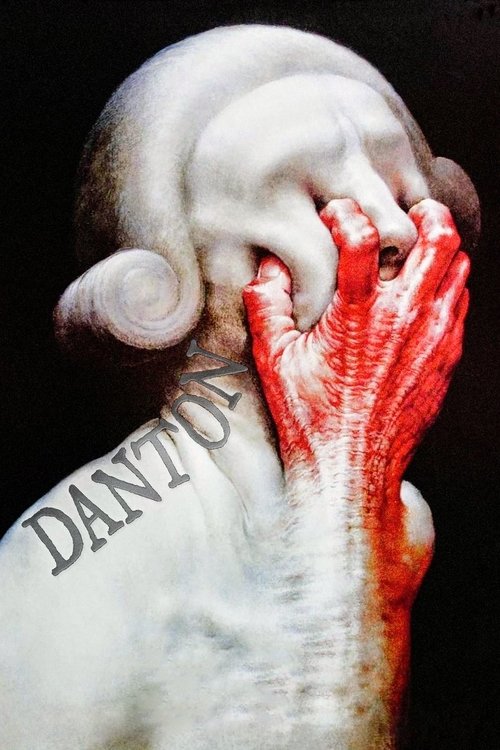
Danton1983
Both are tragedies about the gap between philosophical ideals and political reality, and the cost paid by those who refuse compromise.
Andrzej Wajda's film about the French Revolution's moral collapse: power, rhetoric, and the death of idealism. A political tragedy that speaks directly to Hölderlin's preoccupations with the legislator's impossible burden.
But Filmed partly in Polish with subtitle issues on some prints. Can feel like a history lesson in dramatic dress.
More like this (8)
A Ghost Story2017
Lowery's haunting film about time, memory, and human smallness uses extreme formal constraint to open emotional depth. Both explore philosophy through visual restraint and patience.
But The conceit (a ghost in a sheet) may strike you as whimsical or precious rather than profound.

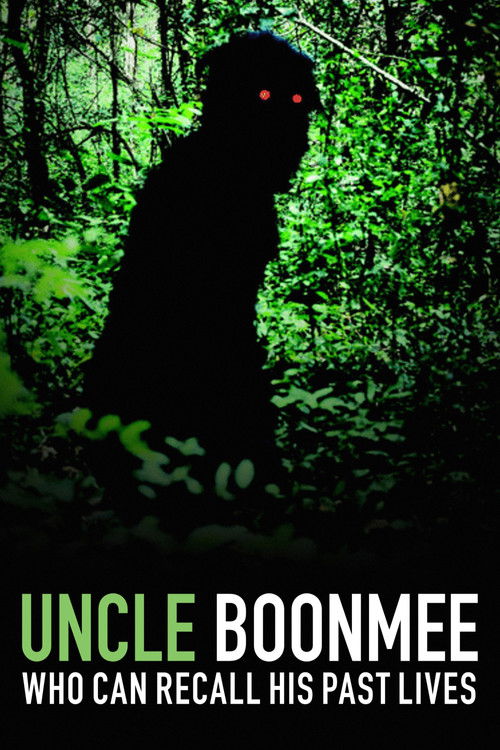
Uncle Boonmee Who Can Recall His Past Lives2010
Weerasethakul's film about an old man and memories, filmed with documentary stillness. Death and reflection emerge naturally from patient observation rather than dramatic insistence.
But Virtually plotless. Long static takes of rural Thailand with minimal dialogue will bore viewers seeking narrative satisfaction.
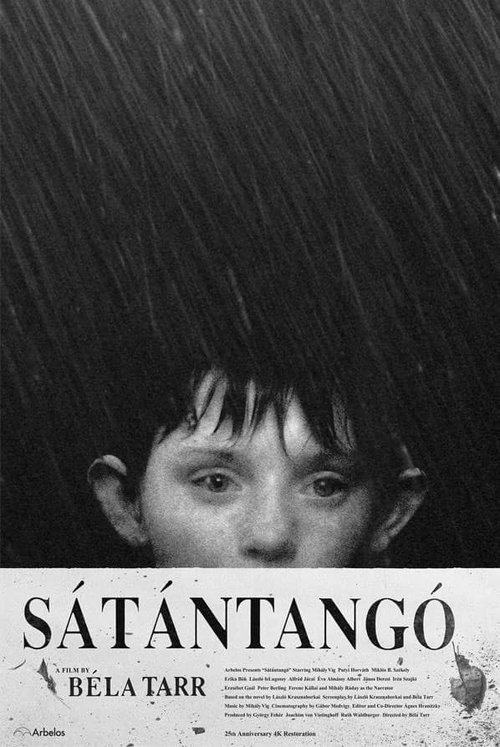
Satantango1994
Béla Tarr's seven-and-a-half-hour epic about moral collapse and historical weight. Shares Empedocles' refusal to make things easy, its faith in duration and form as meaning.
But The length is not metaphorical—it's actual. Grayscale, Hungarian dialogue, minimal plot. A commitment device dressed as a film.
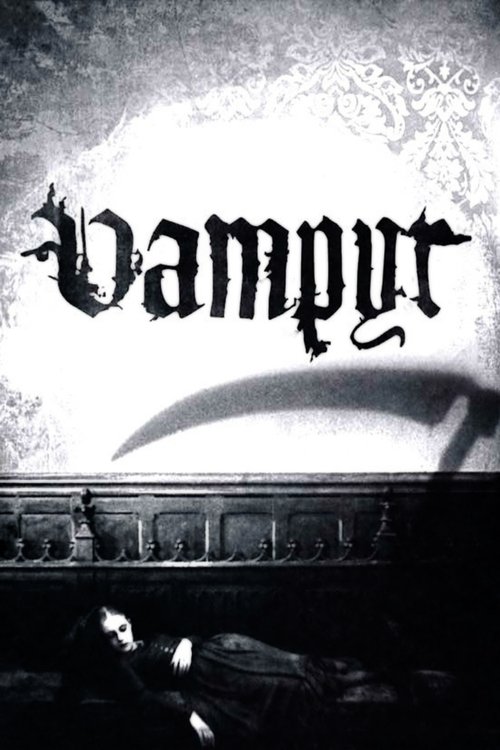
Vampyr1932
Dreyer's haunted, dreamlike horror film uses strangeness and formal beauty instead of narrative clarity. An early cinema of ideas that privileges mood and ambiguity over explanation.
But Dramatically slow even by 1932 standards, with optical tricks that may seem quaint rather than unsettling now.
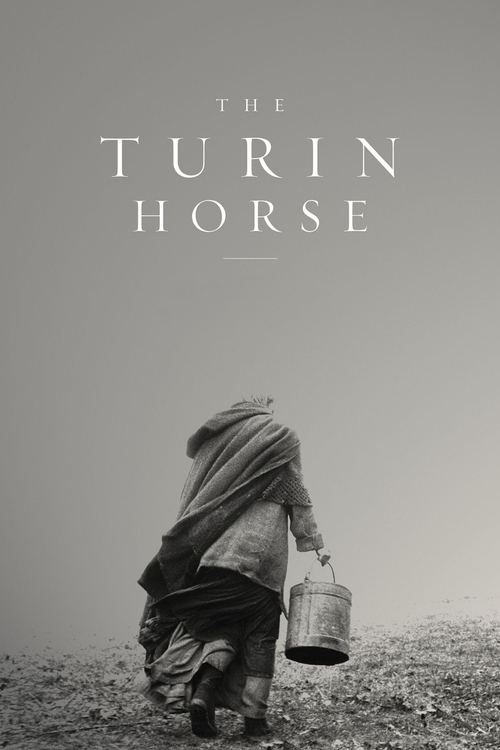
The Turin Horse2011
Béla Tarr's final film: austere, circular, about decline and repetition. Nietzsche haunts it as philosophy haunts Empedocles. Deliberately difficult and deliberately rewarding.
But Bleak without sentimentality. Shot in grayscale on a desolate Hungarian plain. Not a film that cheers you; it instructs you to endure.
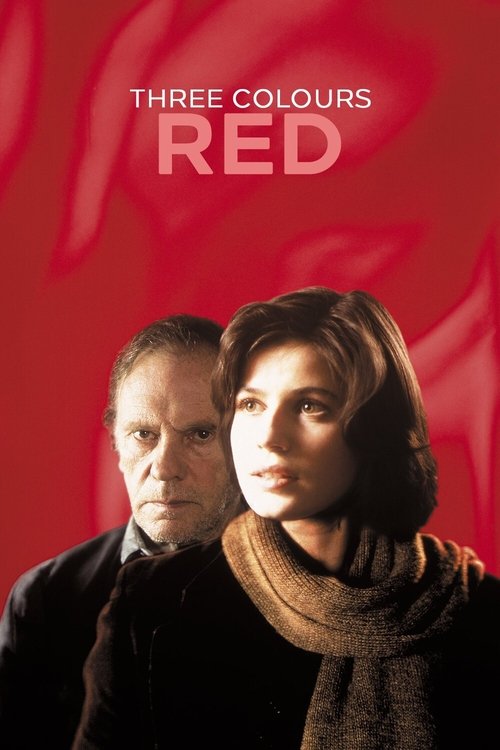
Three Colors: Red1994
Kieślowski's final and most philosophical work explores chance, connection, and moral complicity. Formally audacious in ways that reward attention and rereading.
But Abstract and meditative rather than dramatic. The narrative is secondary to the visual and thematic architecture.
Samson and Delilah2007
Both use formal austerity and refusal of comfort as the form itself becomes the content. Death and displacement rendered not as plot but as a philosophical condition.
Warwick Thornton's Australian film: two Indigenous teenagers in crisis, shot with visual poetry and refusal to explain or judge. Employs silence, stillness, and visual beauty to convey spiritual and cultural devastation.
But Minimal dialogue. Difficult subject matter (addiction, poverty, self-harm) without narrative redemption or easy answers. Demands emotional maturity.
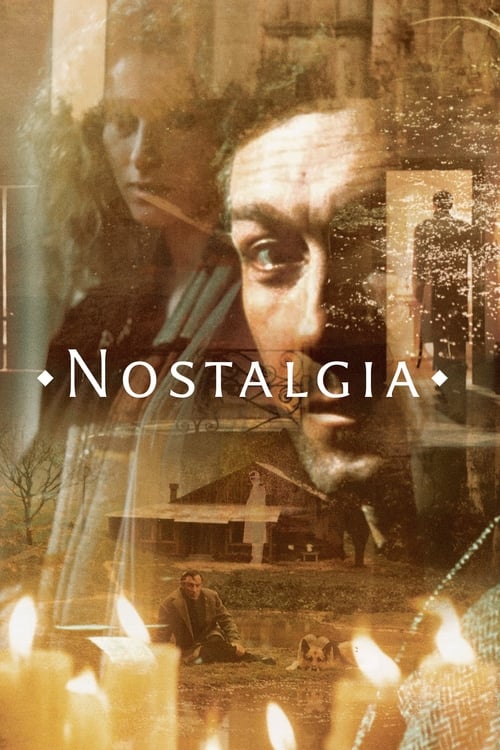
Nostalgia1983
Both are elegies for the death of philosophy and certainty. Both locate grandeur in displacement and spiritual exile rather than tragic action.
Tarkovsky's only Italian film: a Russian poet in Rome, seeking meaning in memory and loss. Shot with the director's characteristic patience. An elegy for obsolescence and spiritual homelessness that rivals Empedocles in its refusal to console.
But Three hours of a man walking and thinking. In Russian and Italian. Shot in Tarkovsky's deliberately 'impure' late style that some find as beautiful as others find tedious.
People
Cast
- Andreas von RauchEmpedokles
- Vladimir BarattaPausanias
- Martina BarattaPanthea
- Ute CremerDella
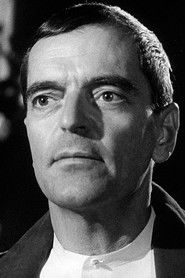 Howard VernonHermokrates
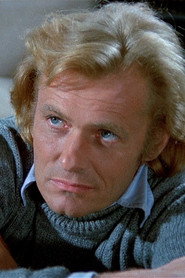 William BergerKritias
- Federico HeckerDie drei bürger
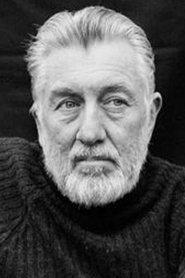 Peter BoomDie drei bürger
- Giorgio BarattaDie drei bürger
- Georg BrintrupDie drei Sklaven
 Achille BrugniniDie drei Sklaven
- Manfred EsserDie drei Sklaven
Directing
- Danièle HuilletDirector
- Jean-Marie StraubDirector
Writing
- Danièle HuilletScreenplay
- Jean-Marie StraubScreenplay
- Friedrich HölderlinTheatre Play