
Film
Danton
- Drama
- Very dark
Andrzej Wajda's visceral 1983 drama captures the collision between two Revolutionary giants: Danton, the charismatic populist who built the Revolution, and Robespierre, the ideologue now wielding absolute power. It's a tense political thriller dressed as history, all shadowed rooms and heated argument, watching friendship curdle into betrayal. For anyone who wants to understand how revolutions eat their own.
If you liked this
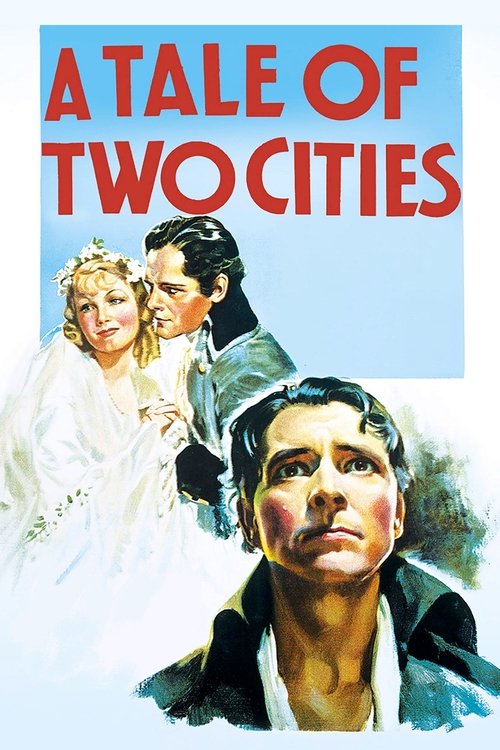
A Tale of Two Cities1935
The definitive screen version of Dickens' Revolution epic, with Ronald Colman as Sydney Carton. It captures the same sense of historical grandeur and personal tragedy, the machinery of Revolution grinding through individual lives.
But Black-and-white 1930s melodrama moves at a different pace than modern film. The emotional register is heightened in ways that can feel arch to contemporary viewers.
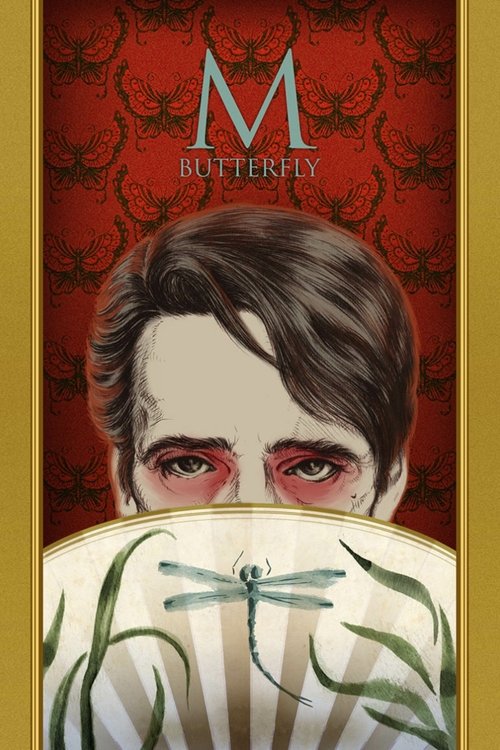
M. Butterfly1993
David Cronenberg's adaptation of Hwang's play, like Danton, is fundamentally about power games and illusion in close relationships. Two men, deception, the slow realization that everything was a performance—the emotional architecture mirrors this film exactly.
But Tonally strange and occasionally lurid. The sexual and political dynamics may feel sensationalized rather than tragic to some viewers.
The Leopard1963
Visconti's masterpiece about historical upheaval and the men who must negotiate between the old order and the new. Like Danton, it's about the personal cost of living through systemic collapse, captured with operatic beauty.
But Nearly three hours of measured, aristocratic introspection. If you want action and momentum, this film's refusal to hurry will frustrate.

Not sure tonight? Get a pick in a minute, starting from Danton
The wildcard
Something you would not have found on your own.
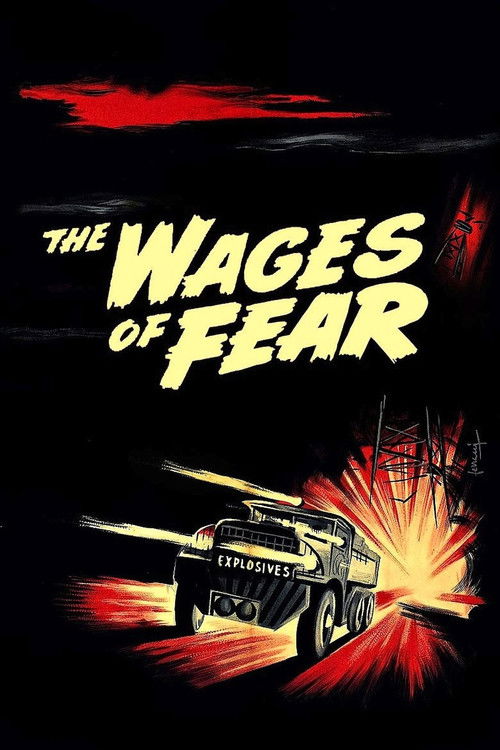
The Wages of Fear1953
Both films use historical or systemic pressure as a crucible to examine what happens to integrity when the system demands compliance. Both are deeply pessimistic about human nature under duress.
Clouzot's masterwork of men trapped by circumstance and ideology, watching the system squeeze them toward self-destruction. Like Danton, it's fundamentally about how power (in this case, economic desperation) corrodes solidarity and forces impossible choices.
But A grim, morally ambiguous thriller with little redemption and no heroes. The hopelessness can feel suffocating rather than cathartic, and pacing slows in the middle.
More like this (2)
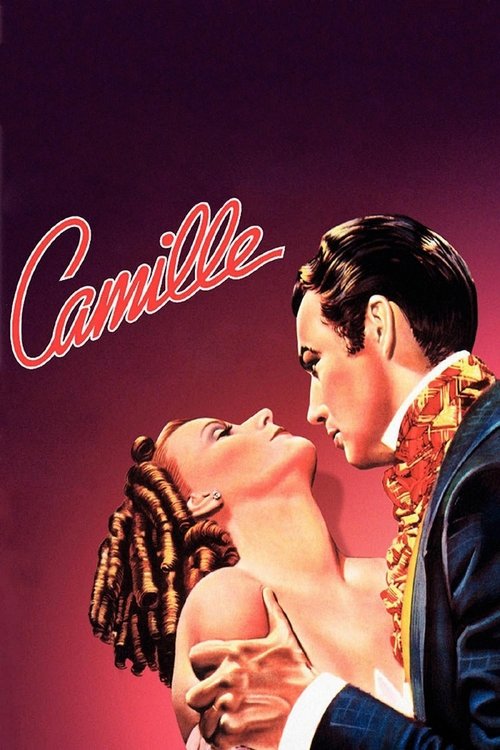
Camille1936
Greta Garbo's tragic final film, set during the Terror. Like Danton, it weaves romance through politics, showing how personal attachment fractures under ideological pressure. Garbo's performance is heartbreaking.
But A 1930s tearjerker whose melodrama may feel dated. The acting style belongs firmly to another era, and some will find it overwrought.
The Battle of Algiers1966
Both films take the stance of observing power struggles with cold intelligence rather than emotional identification. Both suggest that revolution inevitably corrupts its architects, whether through the Terror or through counter-terror. Both are formal masterworks of political cinema that refuse to moralize.
Pontecorvo's radical film about colonial revolution and counter-insurgency, shot as tense political thriller. It asks Danton's central question—whether violent revolutionary justice can coexist with moral restraint—with devastating clarity and formal brilliance.
But Explicitly about revolutionary violence and terrorism, which some find morally agitating rather than dramatically engaging. Shot in stark black-and-white, deliberately didactic tone, minimalist score—little sentimentality offered.

People
Cast
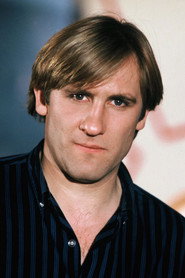 Gérard DepardieuGeorges Danton
 Wojciech PszoniakMaximilien Robespierre
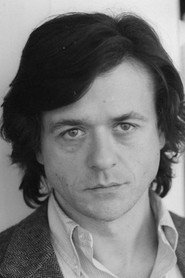 Patrice ChéreauCamille Desmoulins
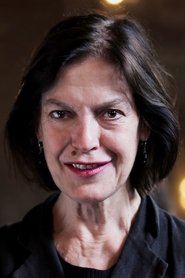 Angela WinklerLucile Desmoulins
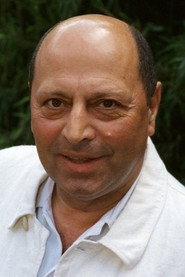 Roland BlancheLacroix of Eure-et-Loir
- Alain MacéFrançois Héron
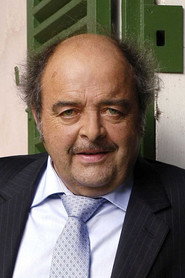 Jacques VilleretFrançois-Joseph Westermann
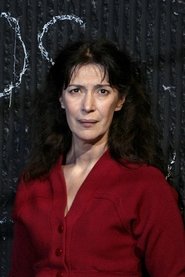 Anne AlvaroEléonore Duplay
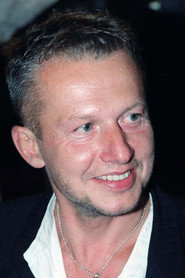 Bogusław LindaAntoine de Saint-Just
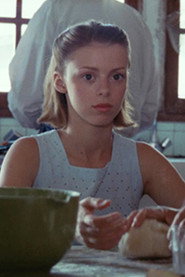 Emmanuelle DebeverLouison Danton
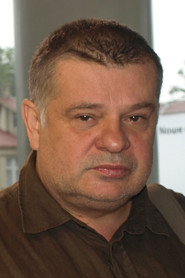 Krzysztof GlobiszAndré Amar
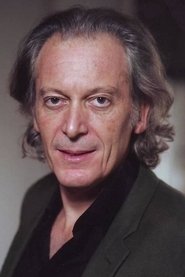 Ronald GuttmanMartial Herman
Directing
- Krystyna GrochowiczAssistant Director
- Andrzej WajdaDirector
Writing
- Agnieszka HollandScreenplay
- Andrzej WajdaScreenplay
- Bolesław MichałekScreenplay
- Jacek GąsiorowskiScreenplay
- Jean-Claude CarrièreScreenplay
- Stanisława PrzybyszewskaTheatre Play
Production
- Henri LaurentCasting
- Marie-Christine LafosseCasting
- Barbara Pec-ŚlesickaProducer
- Emmanuel SchlumbergerProducer
- Margaret MénégozProducer
Recommended by
The Confrontation, The Death of Empedocles, La Marseillaise, Loulou