
Film
La Marseillaise
Renoir's 1938 epic sprawls across the French Revolution's outbreak, cutting between Marseille's fervent revolutionaries and the befuddled royal court. It's simultaneously intimate and panoramic, treating both aristocrats and commoners as human rather than historical cartoons. A film about how ordinary people become extraordinary when history demands it—messy, funny, tragic, and oddly moving.
If you liked this
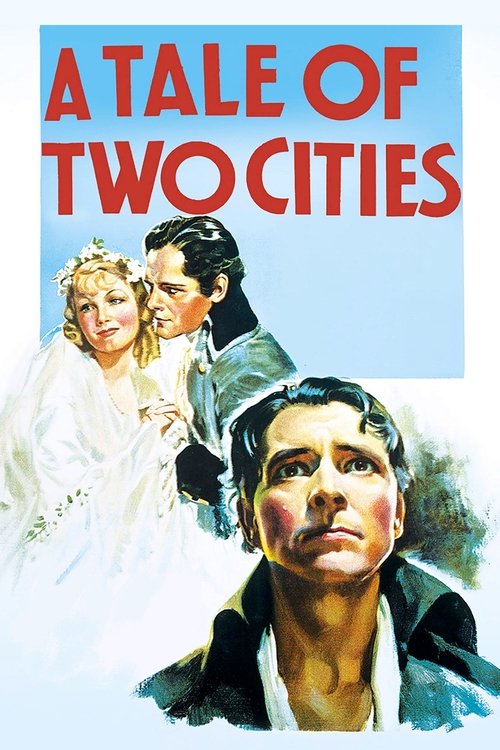
A Tale of Two Cities1935
British epic of the French Revolution with Ronald Colman's duality and genuine emotional stakes. Grand spectacle that never loses sight of individual lives caught in historical upheaval.
But Melodramatic at moments, and the pacing occasionally drags when trying to service multiple storylines and a sprawling cast.
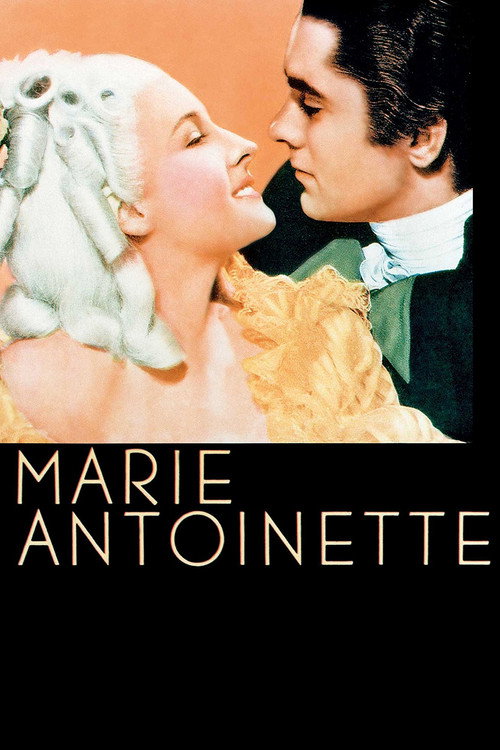
Marie Antoinette1938
Released the same year, this MGM version offers a vivid, if sanitized, portrait of the queen. Norma Shearer commands the screen, and it's a masterclass in Hollywood's approach to history.
But Heavily romanticized and considerably softer on the aristocracy than Renoir's version; some find it more costume drama than genuine reckoning.
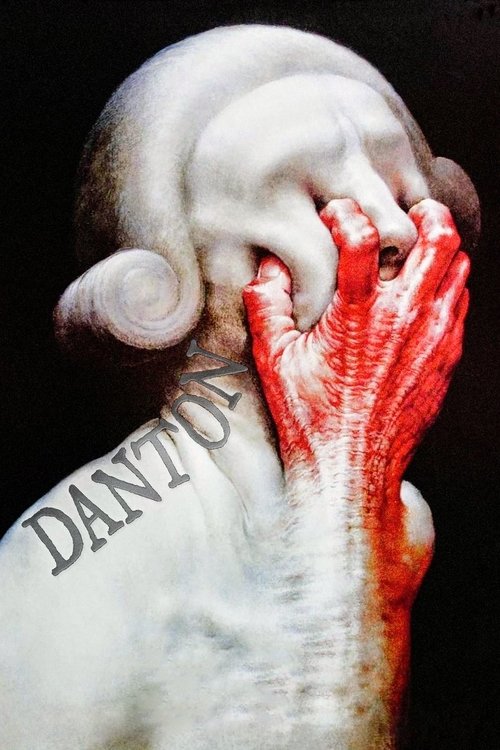
Danton1983
Andrzej Wajda's visceral take on the Revolution's terror phase. Gerard Depardieu is hypnotic, and the film captures idealism curdling into violence with shattering clarity.
But Bleak and philosophically dense. It's a film about the cost of revolution, not its romance—relentless in tone.
Not sure tonight? Get a pick in a minute, starting from La Marseillaise
The wildcard
Something you would not have found on your own.
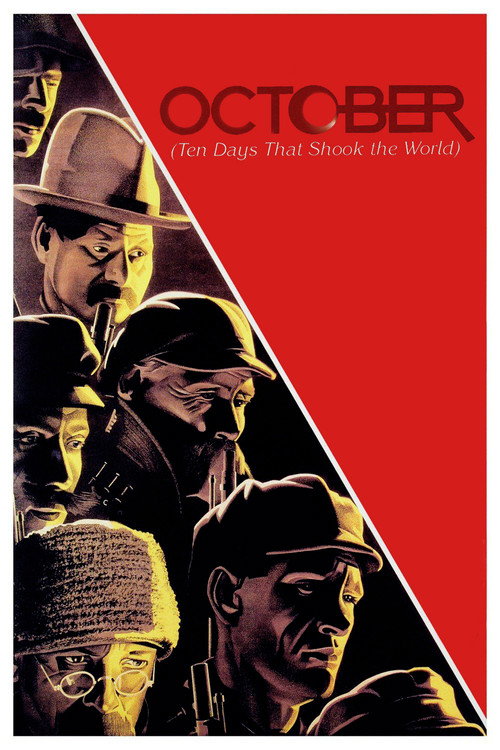
October (Ten Days that Shook the World)1928
Both films reject the great-man theory of history in favour of showing how ordinary citizens become historical actors. Renoir uses ensemble dramaturgy; Eisenstein uses montage—different languages, identical conviction.
Eisenstein's 1928 Soviet epic about the Bolshevik Revolution uses montage and visual poetry to show revolution not as individual drama but as collective force. Sheer cinematic innovation.
But Silent, experimental, and formally demanding. The editing is dizzying; if you want narrative clarity, this is the opposite approach.
More like this (7)
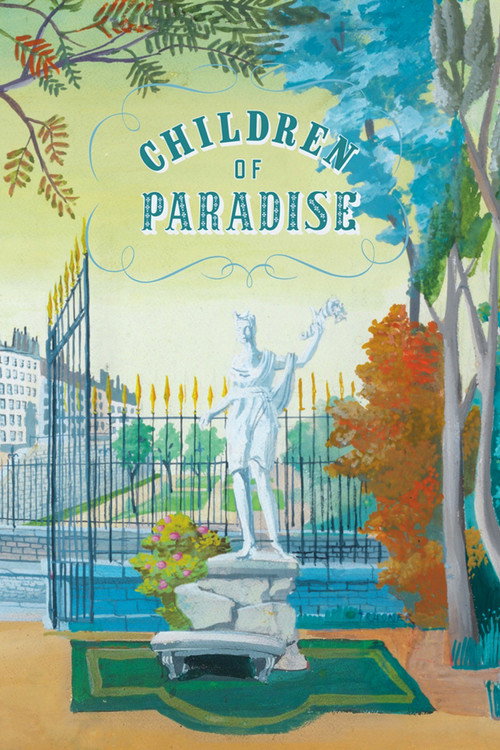
Children of Paradise1945
Carné and Prévert's masterpiece set during the 1830s, capturing bohemian Paris with equal passion for high art and street-level humanity. Ravishing and deeply human.
But Over three hours, in French, and the multiple intertwined storylines require patience and attention to fully appreciate.
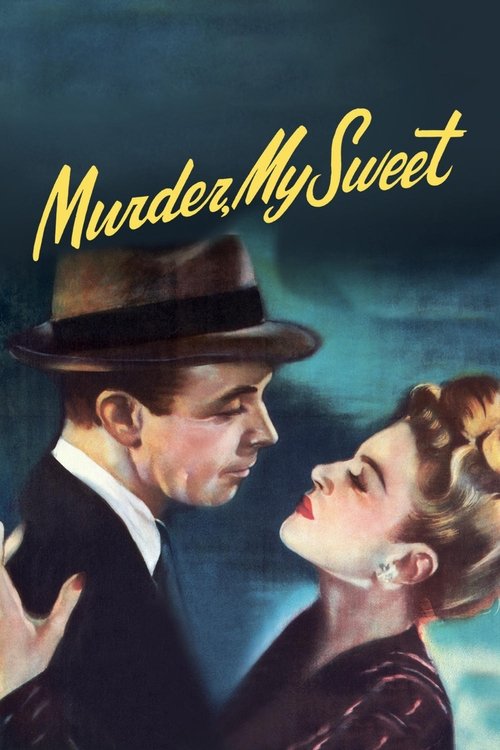
Murder, My Sweet1944
Powell and Pressburger's 1944 film about espionage and personal honour during wartime. A meditation on idealism versus pragmatism wrapped in noir atmosphere.
But Tonal shifts between melodrama and realism feel jarring to modern audiences; the pacing is distinctly of its era.
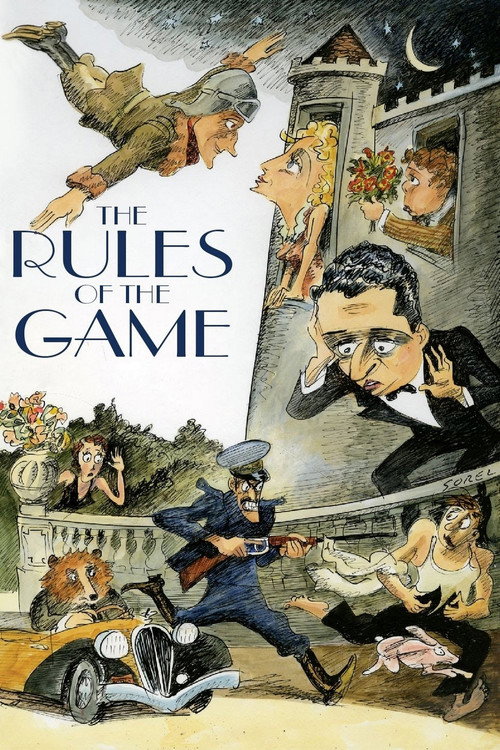
The Rules of the Game1939
Renoir's own masterpiece, released just after La Marseillaise. A panoramic comedy-drama where everyone is simultaneously sympathetic and flawed; the film as a mirror.
But Deliberately diffuse in structure; some experience it as a series of observations rather than a narrative, which demands a receptive mood.
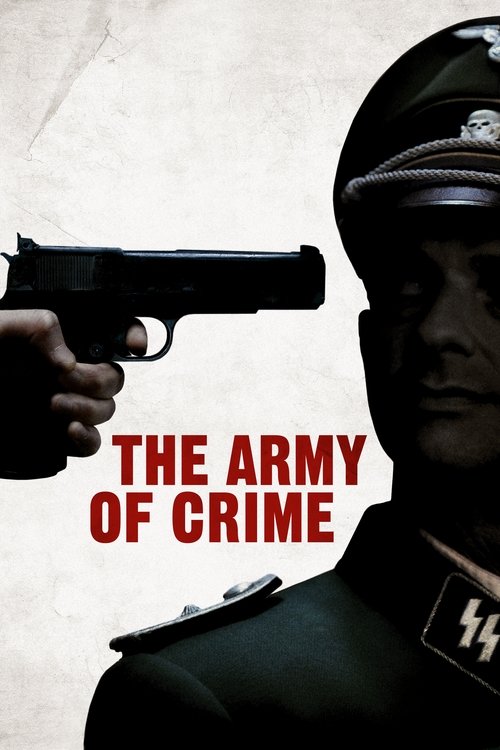
Army of Crime2009
Brilliant recent film about French Resistance fighters, mostly immigrant and refugee. Shows how ordinary people—taxi drivers, metalworkers—become revolutionaries out of necessity and conscience.
But Frustratingly uneven pacing in the final act, and some viewers find the tonal shift toward the end emotionally manipulative.
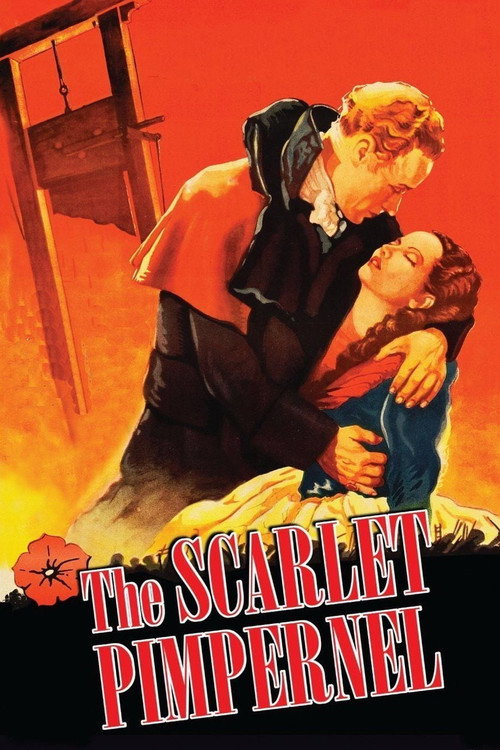
The Scarlet Pimpernel1934
Leslie Howard's wit-sharp adventure from the Revolution era. Elegant, clever, and genuinely suspenseful—a completely different temperature from Renoir, but equally valid.
But Costume melodrama at heart; if you want historical substance rather than dashing escapism, this will feel light and evasive.
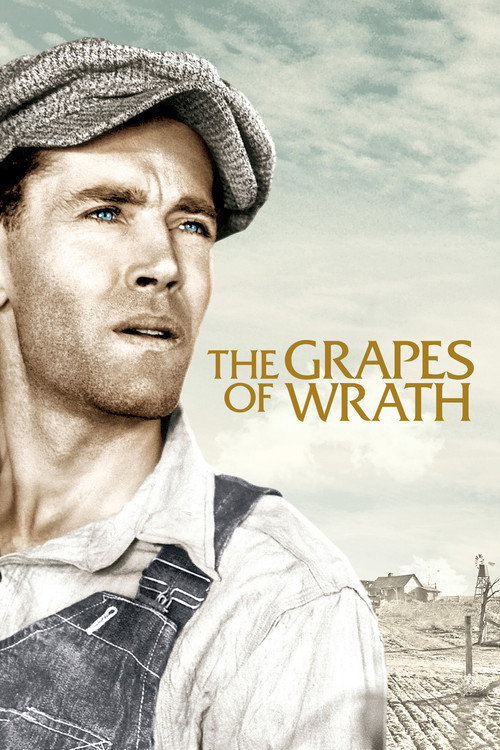
The Grapes of Wrath1940
Like La Marseillaise, it's a film about how historical forces transform ordinary families into agents of change. Same year, different country, same moral anatomy.
Ford's adaptation of Steinbeck captures the moment when exploited people find collective voice and dignity. Shot in stark black-and-white, it's almost a western about internal migration as revolution.
But Explicitly didactic about class struggle; some viewers feel preached at rather than moved, and the sentimentality of the ending divides audiences.
Come and See1985
Both begin with idealistic young people caught up in historical upheaval, but Klimov shows the end of that story—what the Revolution actually does to human beings when the rhetoric burns away. A perfect, devastating counterweight.
Elem Klimov's Belarusian masterpiece about a teenage partisan in WWII. Not a war film—an apocalypse. The most honestly merciless depiction of what revolution and violence actually cost.
But Genuinely difficult to watch. Graphic brutality, child suffering, and nihilistic despair. This is not entertainment; it's a warning carved into your memory.

People
Cast
 Pierre RenoirLouis XVI King of France
 Lise DelamareQueen Marie-Antoinette
 Louis JouvetRoederer
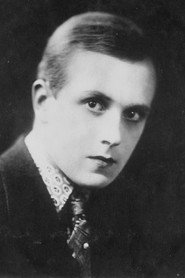 Jaque CatelainCapitaine Langlade
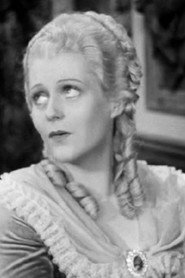 Elisa RuisLa princesse de Lamballe
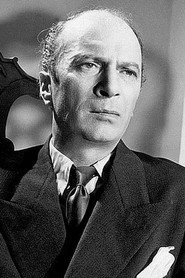 Aimé ClariondMonsieur de Saint Laurent
- Jean AyméMonsieur de Fouguerolles
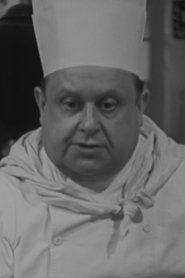 Léon LarivePicard, le valet du roi
- William AguetDuque de La Rochefoucauld-Liancourt
- Marie-Pierre Sordet-DantèsLe Dauphin
- Yveline AuriolLa Dauphine
 Pamela StirlingUne suivante
Directing
- Tony CorteggianiAssistant Director
- Jean RenoirDirector
Writing
- Jean RenoirWriter
Production
- André SeigneurExecutive Producer
- André ZwobadaExecutive Producer
- Jean RenoirProducer