
Film
Joan the Woman
Cecil B. DeMille's 1916 epic weaves Joan of Arc's martyrdom with a modern soldier's vision, collapsing centuries to ask whether faith and sacrifice matter. It's grandiose silent cinema at full volume: battle scenes, spiritual intensity, and Geraldine Farrar commanding the frame. For those who want to understand how early cinema imagined history and heroism.
If you liked this
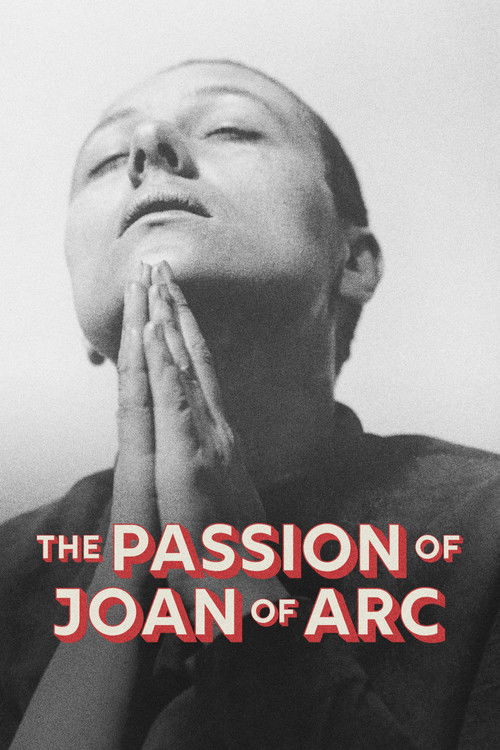
The Passion of Joan of Arc1928
Carl Theodor Dreyer's masterpiece strips away DeMille's spectacle to find Joan's inner world through Renée Jeanne Falconetti's transcendent face. A completely different Joan, equally profound.
But It's even slower than Joan the Woman, even more austere, and the restored print still carries visible damage. Demands your full attention.
Intolerance: Love's Struggle Throughout the Ages1916
D.W. Griffith's contemporary epic, also from 1916, builds four historical stories simultaneously to argue against capital punishment. Even more ambitious in scope and radical in structure than Joan the Woman.
But At 187 minutes, it's exhausting. The silent film language can feel cryptic, and some scenes haven't aged gracefully in their attitudes.

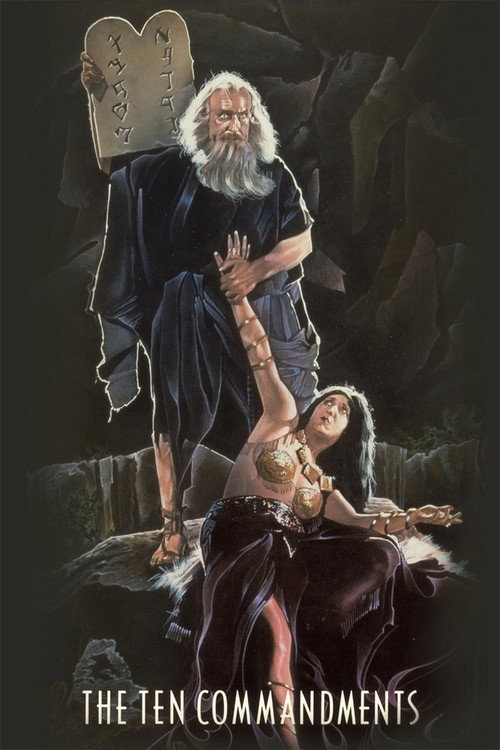
The Ten Commandments1923
DeMille's own follow-up: a modern frame story leading into biblical spectacle, mixing intimate drama with enormous set pieces. If you loved Joan the Woman, this refines the formula.
But The 1956 color remake overshadows it. The black-and-white original moves differently—some find it less immediately gripping.
Not sure tonight? Get a pick in a minute, starting from Joan the Woman
The wildcard
Something you would not have found on your own.
The Seventh Seal1957
Both films use a historical/medieval setting to explore whether God answers, whether sacrifice means anything, whether faith is foolishness or redemption. Bergman answers differently than DeMille.
Bergman's medieval knight faces death and divine silence in ways Joan never could. It asks the same theological questions about faith and suffering, but from a completely different (and modern) angle—bleaker, more existential.
But It's deliberately bleak and abstract. There are no battle scenes or spectacle, only philosophical argument and mood. Some find it heavy-handed or impenetrable.

More like this (6)
Sunrise: A Song of Two Humans1927
F.W. Murnau's silent masterpiece also uses a spiritual crisis to examine faith, loss, and redemption, but through intimate domestic tragedy rather than historical pageantry. Pure cinema language.
But It's understated where Joan is grand. If you're drawn to spectacle and battle, the quiet psychological focus may feel slight.

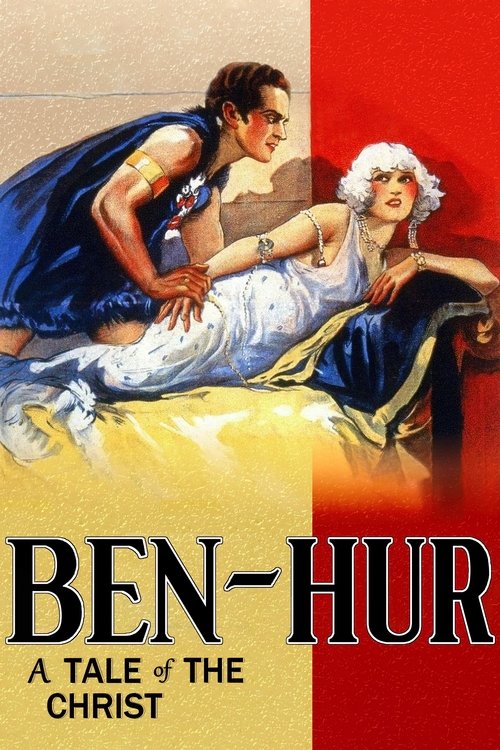
Ben-Hur: A Tale of the Christ1925
Fred Niblo's epic combines historical scope, spiritual questioning, and technical innovation on a scale comparable to Joan the Woman. The chariot race remains astonishing.
But It's long, episodic, and unevenly paced by modern standards. Some scenes feel static even for silent film.
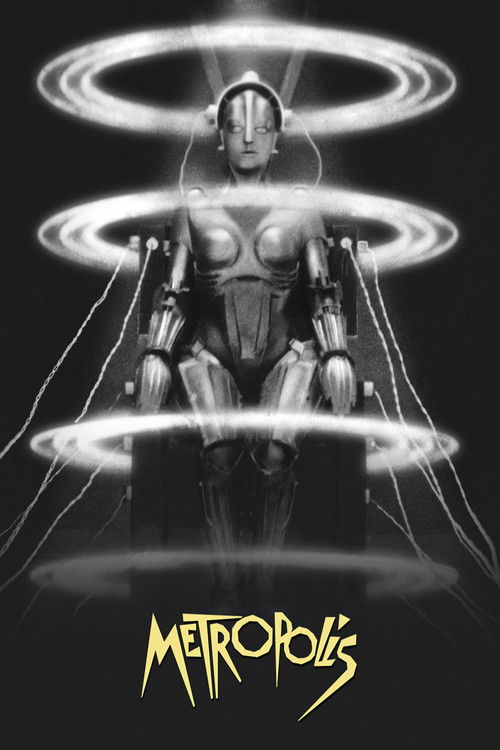
Metropolis1927
Fritz Lang's futurist vision has Joan the Woman's scale and ambition but points toward cinema's avant-garde. A masterwork that feels alien and urgent at once.
But The plot is messy and sometimes incoherent. The restored version runs over two hours, and the pacing can feel choppy.
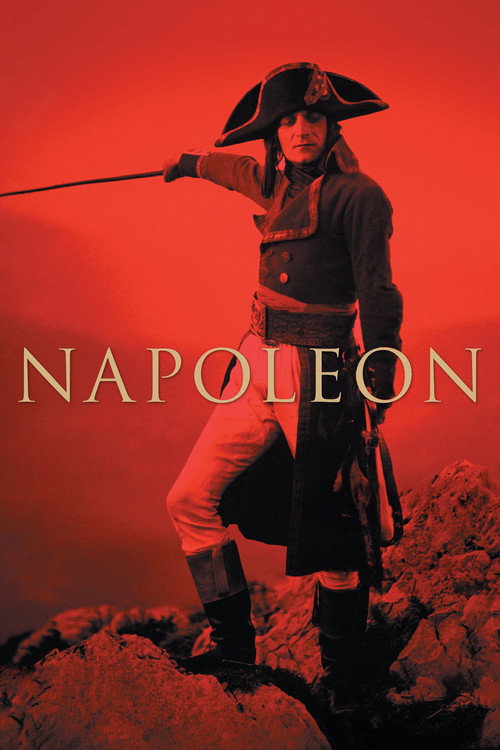
Napoleon1927
Abel Gance's historical epic uses split-screen, handheld cameras, and montage to revolutionize how cinema could depict grand historical events. Enormously influential and visually inventive.
But At over five hours (in full restoration), it demands serious commitment. The narrative is sprawling and some sequences are deliberately experimental to the point of abstraction.
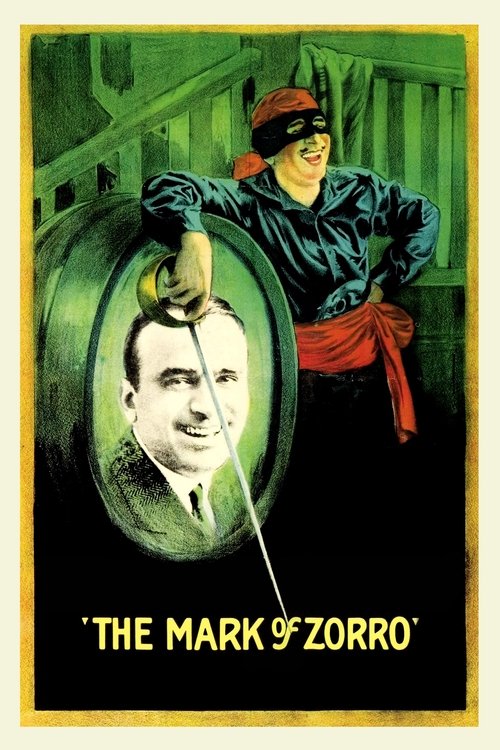
The Mark of Zorro1920
Douglas Fairbanks' swashbuckling adventure proves you can make historical film thrilling without DeMille's gravity. Fast, witty, and still entertaining—a completely different energy from Joan the Woman.
But It's deliberately lighter in register. If you came for spiritual and moral weight, this trades that for adventure and charm.
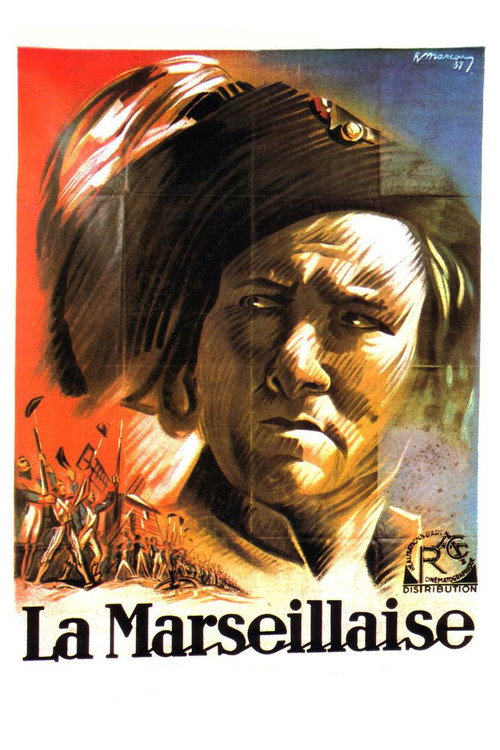
La Marseillaise1938
Both are national epics about ordinary people transformed by historical moment and collective faith, but Renoir questions whether the myth serves the people or consumes them—a question DeMille doesn't entertain.
Jean Renoir's French Revolution epic is also about national myth-making and heroism, but from the perspective of ordinary soldiers and citizens rather than singular saints. Made on the eve of WWII, it's politically urgent in ways Joan the Woman never needed to be.
But It's a French-language film from 1938, restored incompletely. The structure is deliberately episodic and anti-heroic, which can feel diffuse after a tightly-framed narrative.
People
Cast
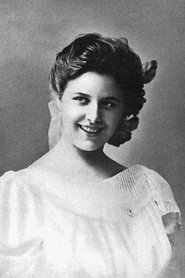 Geraldine FarrarJeanne d'Arc (Joan of Arc)
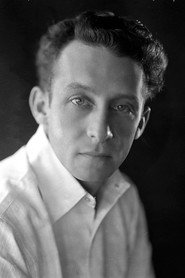 Raymond HattonCharles VII
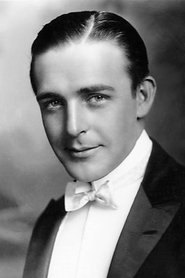 Wallace ReidEric Trent 1431 / Eric Trent 1917
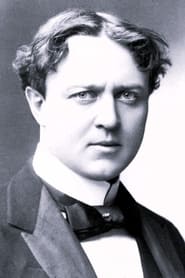 Hobart BosworthGen. La Hire
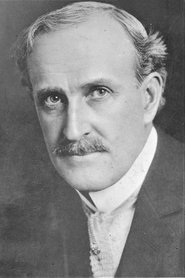 Theodore RobertsCauchon
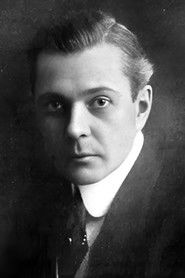 Charles ClaryLa Tremouille
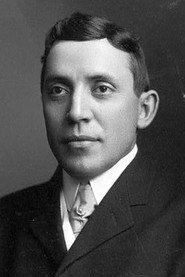 James NeillLaxart
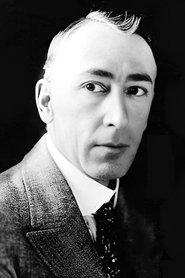 Tully MarshallL'Oiseleur
- Lawrence PeytonGaspard
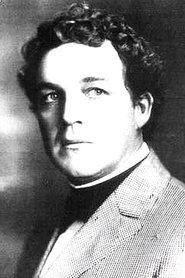 Horace B. CarpenterJacques d'Arc
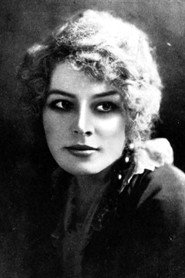 Cleo RidgelyThe King's Favorite
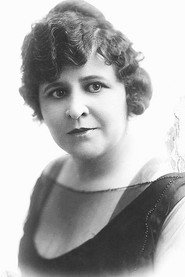 Lillian LeightonIsambeau
Directing
- Cecil B. DeMilleDirector
Writing
- Jeanie MacphersonScenario Writer
- Friedrich SchillerTheatre Play
- William C. deMilleWriter
Production
- Cecil B. DeMilleProducer