
Film
Looking for Langston
- Period drama
- Slow-burning
A haunting, formally experimental film that weaves archival footage, poetry readings, and choreographed sequences into a meditation on Black queer life during the Harlem Renaissance. Shot in black and white, it's more mood and reverie than narrative—a fever dream of desire, loss, and artistic freedom. For anyone who wants cinema that thinks differently about history and sexuality.
Should you watch it?
Watch it if you are drawn to elegant, dreamlike films that treat history as mood and texture, where poetry read aloud does as much work as the plot.
Skip it if you need a conventional narrative with clear cause and effect, since this is more a mood piece of fragments, archive images and recited verse than a story you follow.
What it asks of you: Under an hour, hushed and unhurried, it wants patience and eyes on the frame more than a quick grip on plot.
Not sure? Find tonight's pick in a minute.
If you liked this
Moonlight2016
Three chapters of a Black gay man's life, told through colour, sound, and often silence rather than exposition. It shares Looking for Langston's belief that cinema can express intimacy and identity through pure sensory experience and visual poetry.
But The pacing is glacial and the emotional register is muted. If you want a plot with clear beats and dialogue carrying the story, you'll find this frustrating.

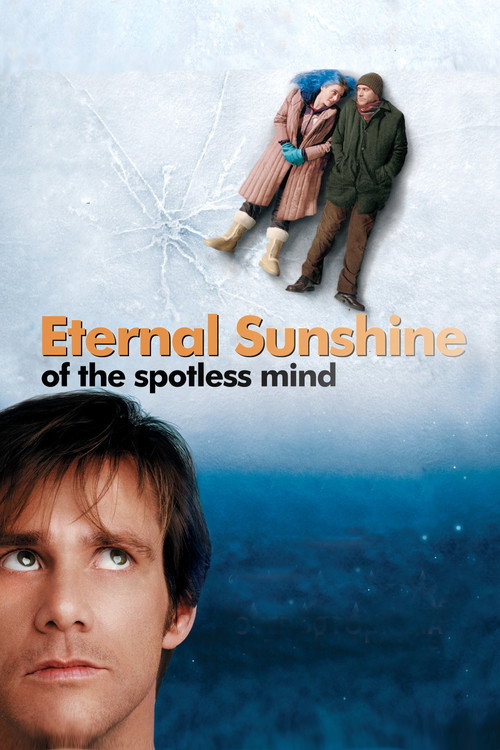
Eternal Sunshine of the Spotless Mind2004
A film about memory, loss, and desire that refuses linear narrative or easy emotional resolution. Like Looking for Langston, it trusts the viewer to follow something dreamlike and trusts form itself to convey meaning.
But The structure is deliberately confusing at first, and it's more interested in the texture of how we remember than what happens. Some find it precious rather than moving.
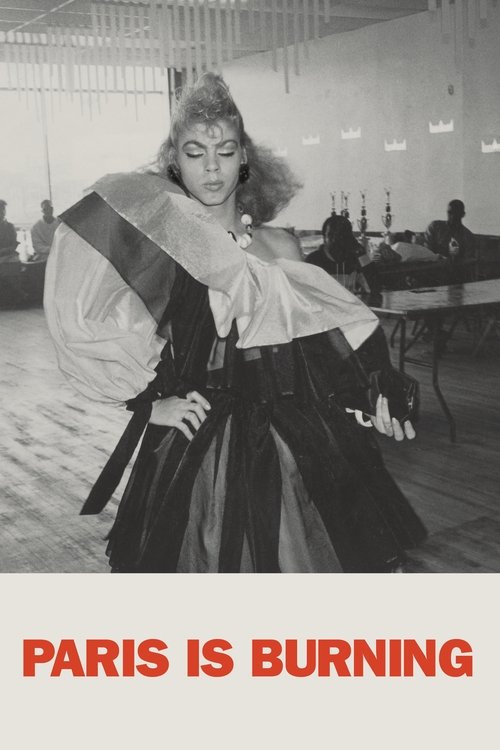
Paris Is Burning1991
A documentary about Black and Latino queer ballroom culture that captures desire, performance, and community with the same visual grace and emotional depth. It's both a historical record and an artwork.
But Some interviews are uncomfortable to revisit with hindsight; the film doesn't intervene. And it has little plot—it's observation rather than narrative momentum.
Not sure tonight? Get a pick in a minute, starting from Looking for Langston
The wildcard
Something you would not have found on your own.
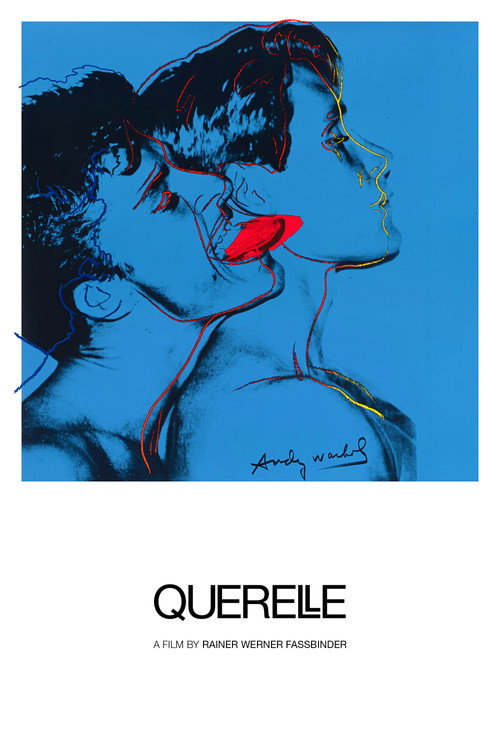
Querelle1982
Both films use literary modernism and queer revolutionary figures to dismantle conventional cinema. Genet is what happens when you follow Langston Hughes's legacy into radical form.
Miguel Gomes's film follows writer Jean Genet through Beirut, filming the invisible and the revolutionary. It's a challenging experimental essay on art, activism, and queer desire in danger—a conversation with the literary genealogy that Looking for Langston invokes.
But It's bewilderingly abstract, poorly subtitled, and sometimes feels willfully difficult. You may spend the entire runtime unsure what you're watching or why.
More like this (8)
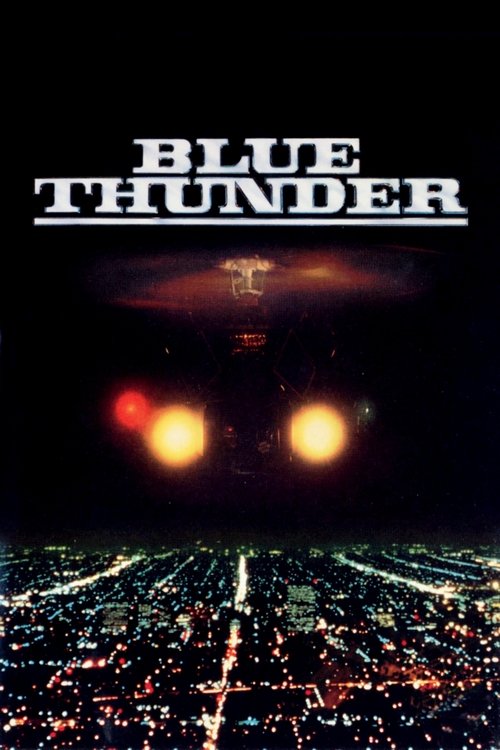
Blue Thunder1983
Derek Jarman's final film is 79 minutes of monochrome abstraction—text, sound, colour field, memory. It's a companion piece to Looking for Langston in its refusal of conventional form and its meditation on queer identity and mortality.
But It is almost entirely blue screen with voiceover. If you need visual incident or conventional cinema, this will test your patience severely.
Mulholland Drive2001
David Lynch's fractured narrative about Los Angeles, desire, and identity works like Looking for Langston—through mood, repetition, dream logic, and formal innovation rather than clarity. Both films demand active viewing.
But It's deliberately obscure and contradictory. Watching it feels less like being told a story and more like being trapped in someone's unconscious.

Stalker1979
Andrei Tarkovsky's meditative science-fiction film moves at the speed of thought and feeling rather than plot. It shows cinema can be philosophical, temporal, and visually rapturous while barely seeming to happen.
But It's slow in a way that will bore many people to genuine anger. Three hours of a man walking through spaces while thinking is not entertainment by any conventional standard.

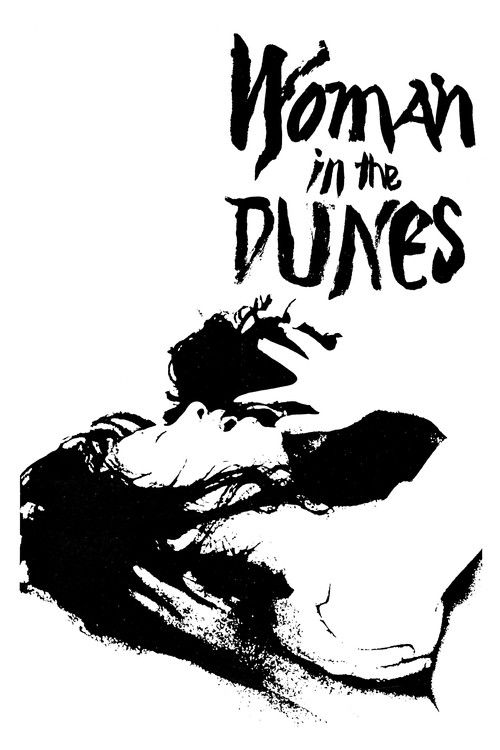
Woman in the Dunes1964
Hiroshi Teshigahara's hypnotic black-and-white film traps a man in a sand pit with a widow. It's surreal, sensual, and formally dazzling—cinema as psychological landscape rather than story.
But It's deeply strange and its gender dynamics won't sit comfortably with modern viewers. The pacing is arhythmic and deliberately disorienting.
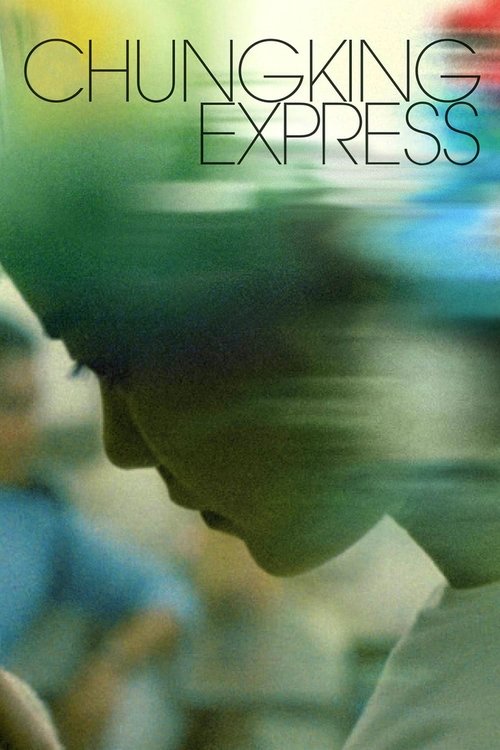
Chungking Express1994
Wong Kar-wai's film about connection and loneliness in Hong Kong moves through colour, music, and visual style rather than plot. It shares Looking for Langston's belief that cinema works through mood and sensory immersion.
But The narrative is fragmentary and elliptical. If you want character motivation explained or a clear emotional arc, you'll find it maddening.
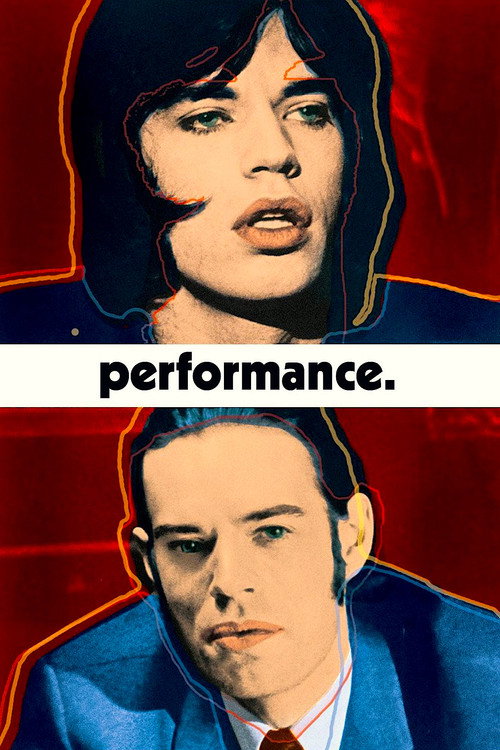
Performance.1970
Donald Cammell and Nicolas Roeg's transgressive film about a gangster hiding in a rock star's house is formally inventive, sexually fluid, and genuinely unsettling. Like Looking for Langston, it uses cinema itself to explore identity and desire.
But It's exploitative, sometimes incoherent, and deeply uncomfortable. The sexual content and violence date it in ways that make it harder to engage with now.
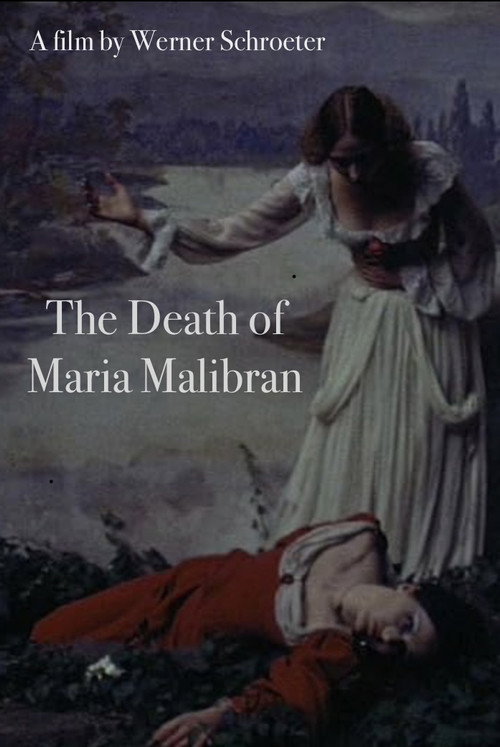
The Death of Maria Malibran1972
Both use archival material, dream sequences, and extreme formal innovation to create spaces where queer desire and death coexist. Both are elegies disguised as celebrations.
Werner Schroeter's 11-minute silent avant-garde film is a baroque, almost balletic meditation on death, performance, and beauty. It's closer to visual music than narrative—pure form expressing pure feeling.
But It's extremely short and extremely opaque. You're watching someone's private artistic statement with no clear entry point, and some will find it self-indulgent rather than moving.
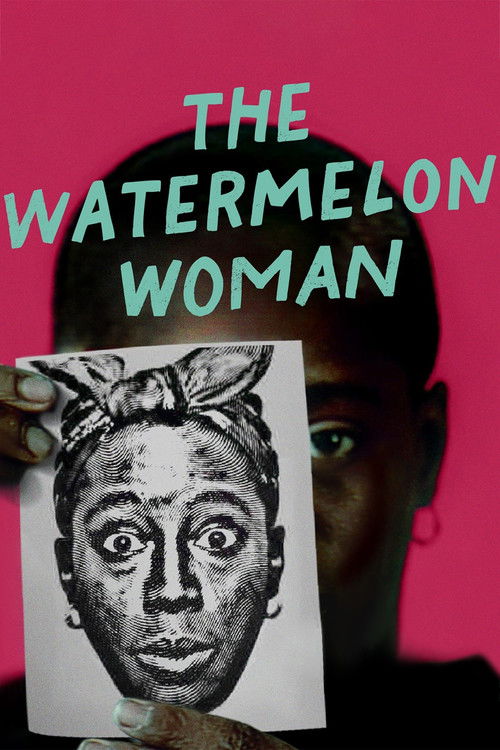
The Watermelon Woman1997
Like Looking for Langston, it's an act of historical recovery that questions what archives preserve and what they erase. Both films restore Black queer life to cinema through form itself rather than exposition.
Cheryl Dunye's mockumentary is a Black queer woman searching for an erased actress from 1930s cinema. It's funny, angry, theoretically sophisticated, and formally playful—a detective story about visibility and historical absence.
But The tone is deliberately fractured and ironic. It can feel arch where you wanted emotional truth, and the formal games sometimes obscure rather than clarify.
People
Cast
- Ben EllisonAlex
- Matthew BaidooBeauty
- Akim MogajiJames
- John WilsonKarl
- Dencil WilliamsMarcus
- Guy BurgessDean
 Dublin James WahlbergCarlos
- Harry DonaldsonLeatherboy
 Jimmy SomervilleAngel
 Langston HughesSelf (archive footage)
 Stuart HallBritish (voice)