
Film
The Watermelon Woman
A formally playful 1997 debut about a young Black lesbian filmmaker investigating a mysterious 1930s actress who played degrading minstrel roles. Part essay, part romance, part detective story—it blends documentary, fiction, and video diary into something genuinely original. For anyone interested in cinema history, representation, or how artists reclaim their own narratives.
Should you watch it?
Watch it if you love mockumentary-style films where a personal search doubles as a sharp look at how Hollywood erased Black women and queer lives, and you want wit and heartbreak in the same scene.
Skip it if you want a tightly plotted narrative with polished production values; this is scrappy, deliberately home-video in look, and its gaps and digressions can feel loose.
What it asks of you: It runs about 85 minutes and asks you to follow a camcorder-level inquiry that wanders between interviews, archive hunting and a young filmmaker's romantic life, so keep your patience for shaggy, talky detours.
Not sure? Find tonight's pick in a minute.
If you liked this
Mulholland Drive2001
Deconstructs Hollywood myth-making by fracturing narrative and identity across timelines. Like Watermelon Woman, it interrogates how cinema shapes and obscures women's stories, with dazzling formal invention throughout.
But Three-hour runtime that deliberately refuses to cohere into a tidy answer. Some find it frustrating rather than revelatory; patience isn't optional.

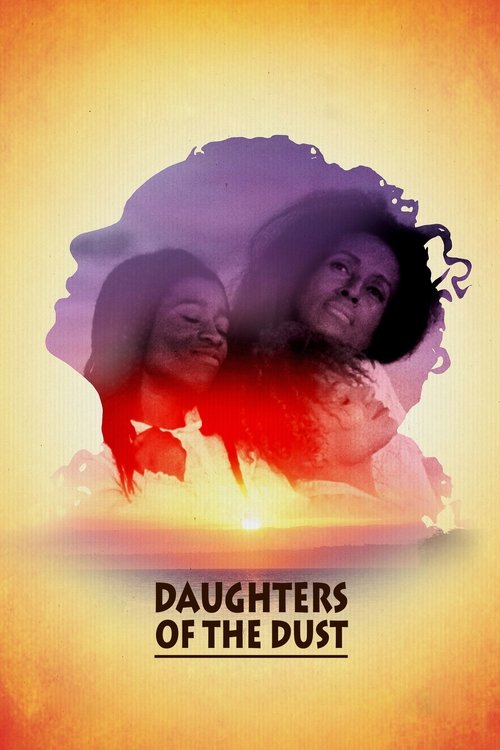
Daughters of the Dust1991
Julie Dash's lush, ancestral meditation on Black womanhood told through fragmented time and poetic visuals. Shares Watermelon Woman's investment in recovering hidden histories and centering Black female perspectives as cinema itself.
But The narrative is deliberately non-linear and dreamlike. If you need plot to drive you forward, the lyrical pacing may feel opaque.
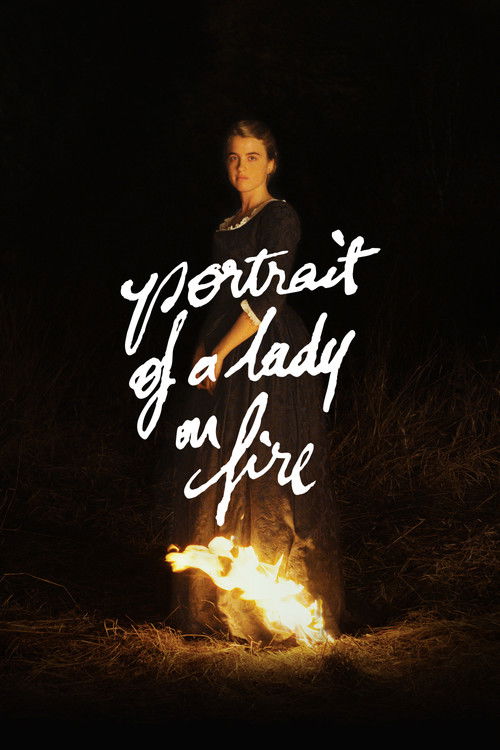
Portrait of a Lady on Fire2019
Céline Sciamma's tender queer romance unfolds through the act of seeing—a painter capturing her subject across candlelit scenes. Like Watermelon Mass, it's fascinated by desire, artistic creation, and what happens when women look at each other carefully.
But Deliberately paced and quiet. The sensuality is intellectual as much as physical; some want more plot momentum.
Not sure tonight? Get a pick in a minute, starting from The Watermelon Woman
The wildcard
Something you would not have found on your own.
Jeanne Dielman, 23, quai du Commerce, 1080 Bruxelles1976
Both deploy formal experiment to make the invisible visible, asking cinema to honor the overlooked.
Chantal Akerman's radical three-hour portrait of a woman's domestic routine. Like Watermelon Mass, it claims cinema for a female gaze and rejects standard narrative to ask: what gets to be visible, and who decides?
But Austere and deliberately slow—long static shots of mundane activity. Patience for duration and apparent plotlessness is non-negotiable.

More like this (8)
Singin' in the Rain1952
The gold standard of Hollywood musical joy, but also a film about cinema's birth and the technologies that shaped stardom. Essential viewing to understand what Watermelon Mass is examining and arguing against.
But Feels distant from contemporary concerns; some see it as just entertainment rather than ideologically loaded text.

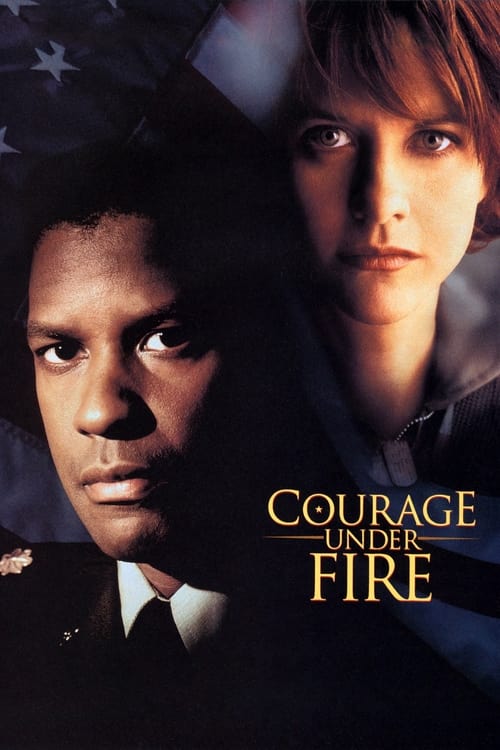
Courage Under Fire1996
Deepa Mehta's bold debut about two women falling in love despite family and social pressure. A queer cinema landmark that, like Watermelon Mass, refuses respectability and centers female desire as revolutionary.
But Sparked genuine controversy on release. The directness about sexuality and family betrayal unsettles viewers seeking comfort.
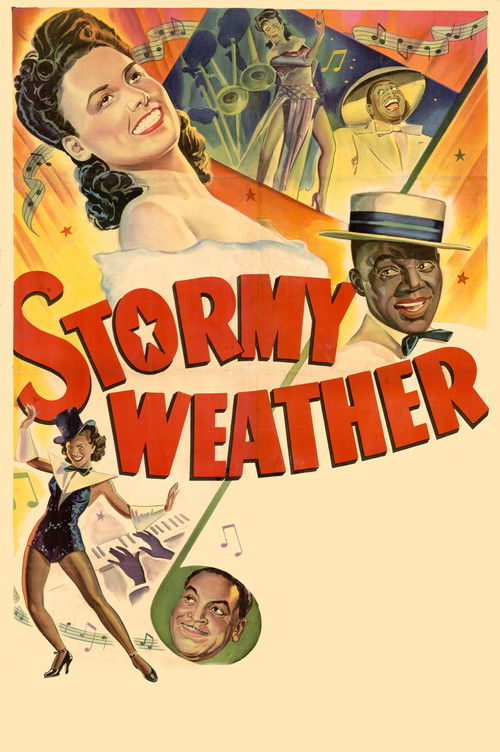
Stormy Weather1943
A Black Hollywood musical from the era Dunye investigates, featuring Lena Horne and Bill Robinson. Watching it after Watermelon Mass deepens the conversation about what roles were available and what they meant.
But It's a product of its moment—the limitations Watermelon Mass critiques are embedded in the very text.
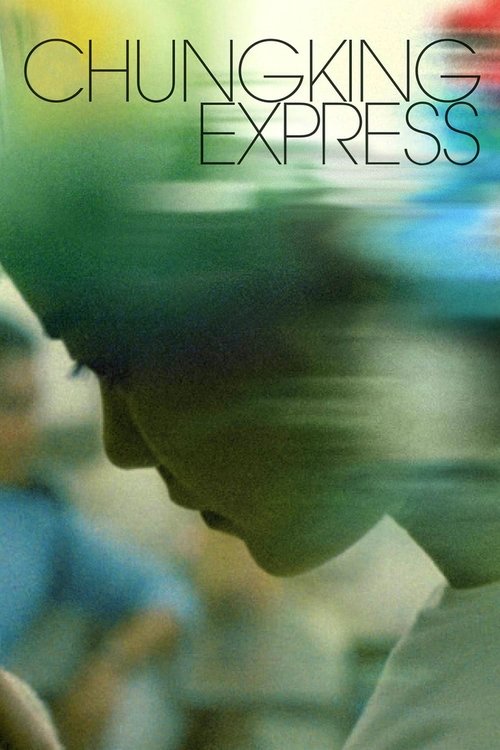
Chungking Express1994
Wong Kar-wai's playful, formally restless film about chance meetings and urban longing. Shares Watermelon Mass's refusal to be one thing—romance, comedy, visual essay, mood piece, all at once.
But The non-linear structure and oblique emotional logic frustrate viewers wanting straightforward storytelling.
Meshes of the Afternoon1943
Maya Deren's foundational avant-garde work— 14 minutes of recursive, dreamlike cinema exploring female identity. Essential context for understanding experimental approaches to autobiography and form.
But It's abstract and demanding. No narrative, no dialogue; purely visual and conceptual. Most need guidance to enter it.

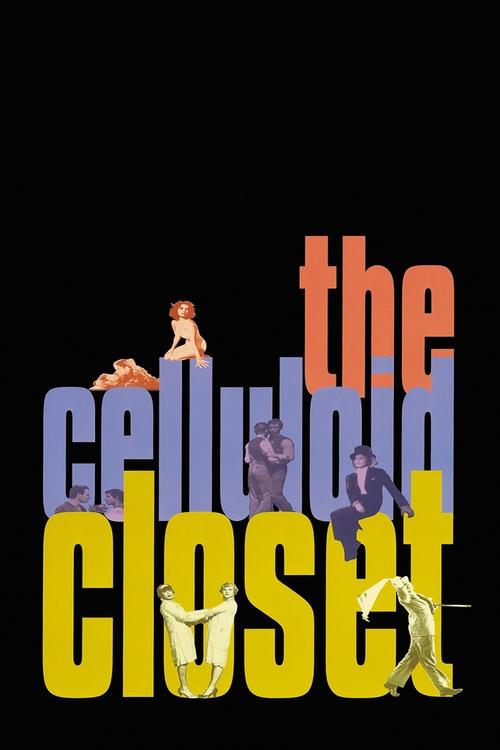
The Celluloid Closet1996
Documentary examining how cinema has depicted (or erased) LGBTQ+ people. Methodical and illuminating; a direct conversation partner for Watermelon Mass's archival investigations.
But Necessarily academic in approach. Less playful and inventive than Watermelon Mass; some find it dutiful rather than alive.
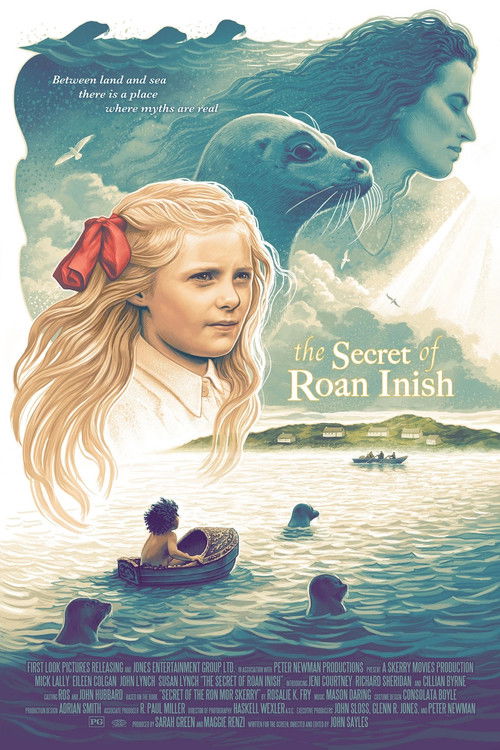
The Secret of Roan Inish1994
Both center young women as archivists and detectives, recovering truth through curiosity and love.
John Sayles' lyrical fantasy about a girl uncovering her family's folklore and secrets. Shares Watermelon Mass's detective-story structure and investment in recovery—piecing together stories suppressed by time, distance, and silence.
But Tonal whimsy may feel at odds with the gravity of the quest. Some dismiss it as whimsy rather than depth.
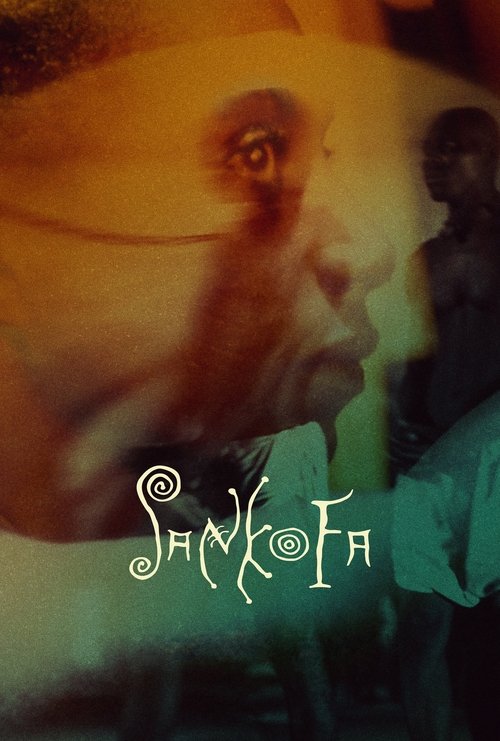
Sankofa1993
Both insist that cinema itself is a tool for Black women's counter-histories and that form matters as much as content.
Haile Gerima's visionary work uses time travel to examine slavery's legacy through a Black woman's journey. Like Watermelon Mass, it demands cinema do the work of historical reckoning and positions Black female consciousness as a site of resistance and healing.
But Deliberately confrontational; it doesn't comfort. The historical trauma is unflinching, and the form is demanding and non-Western in its rhythms.
People
Cast
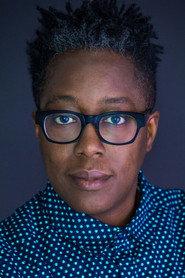 Cheryl DunyeCheryl
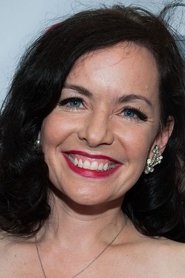 Guinevere TurnerDiana
- Valarie WalkerTamara
- Lisa Marie BronsonFae "The Watermelon Woman" Richards
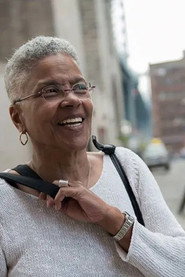 Cheryl ClarkeJune Walker
- Irene DunyeSelf
- Brian FreemanLee Edwards
- Ira JeffriesShirley Hamilton
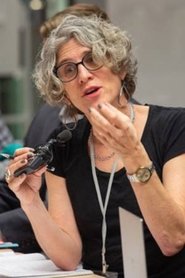 Alexandra JuhaszMartha Page
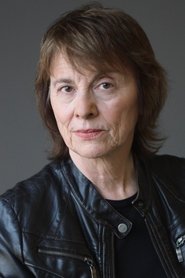 Camille PagliaSelf
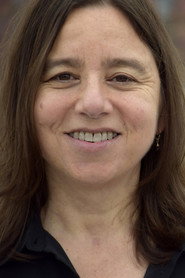 Sarah SchulmanCLIT Archivist
- V.S. BrodieKaraoke Singer
Directing
- Renae DinnermanAssistant Director
- Cheryl DunyeDirector
- Sonya KlimukScript Supervisor
- Elenie MansalisSecond Assistant Director
- Ted ShieldsSecond Assistant Director
- Michael LaCorteSecond Second Assistant Director
Writing
- Douglas McKeownCo-Writer
- Cheryl DunyeWriter
Production
- Joy MalinowskiAssociate Producer
- Keelyn BradleyCasting
- Mike LemonCasting
- Sharon Levin CohenCasting
- Gail LloydCasting Director
- Annie TaylorCo-Executive Producer
- Burke MoodyCo-Executive Producer
- Cate WilsonCo-Producer
- Michael LightExecutive Producer
- K. Brent HillExtras Casting
- Missy MoyerLocation Manager
- Tim DownsLocation Manager
- Alexandra JuhaszProducer
- Barry SwimarProducer
- Duana C. ButlerProduction Coordinator
- Sharon SteinProduction Manager
- Pamela TurchinProduction Office Coordinator
Recommended by
Paris Is Burning, Pariah, Hollywood Shuffle, Born in Flames, Looking for Langston, I've Heard the Mermaids Singing