
Film
The Story of Piera
- Drama
- Very dark
- Strange
A 1983 Italian drama following a woman shaped by deeply transgressive family trauma. Marco Ferreri's film is unflinching and sensual, exploring how abuse and desire intertwine across generations. Featuring Isabelle Huppert and Marcello Mastroianni, it's intellectually challenging cinema for viewers drawn to provocative, psychologically complex narratives that don't look away.
If you liked this
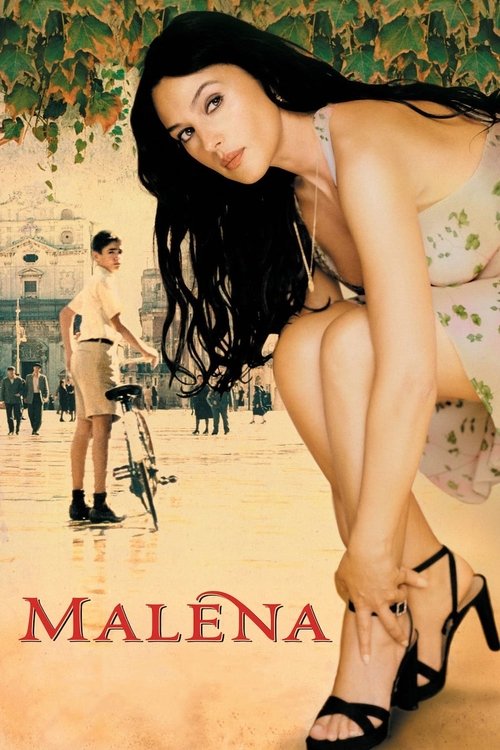
Malena2000
Giuseppe Tornatore explores desire, shame, and a woman's body as battleground in wartime Sicily. Visually sumptuous with Mastroianni's presence lending gravitas. It examines how sexuality becomes both weapon and wound.
But The film occasionally indulges its own aestheticism at the expense of complexity. Some viewers find it more beautiful than truthful.
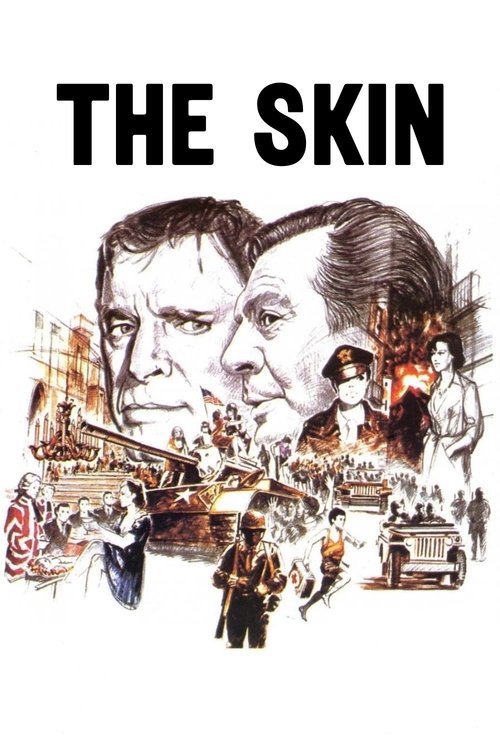
The Skin1981
Ferreri's own earlier masterwork about desire, degradation, and survival in postwar Naples. Explicit and unflinching, it shares this film's refusal to sanitize the erotic dimensions of family and trauma.
But It's genuinely difficult viewing. The graphic content and relentless bleakness can feel punishing rather than illuminating.
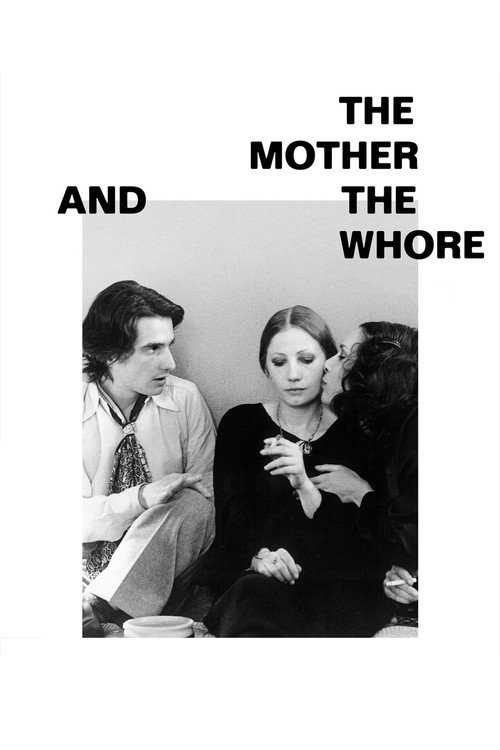
The Mother and the Whore1973
Jean Eustache's epic meditation on jealousy, sexuality, and the impossible demands of love between three people. Intellectual and sensual at once, with Huppert at her most fascinating and vulnerable.
But At 215 minutes, it requires genuine commitment. Long takes and philosophical monologues won't appeal to those wanting plot momentum.
Not sure tonight? Get a pick in a minute, starting from The Story of Piera
The wildcard
Something you would not have found on your own.
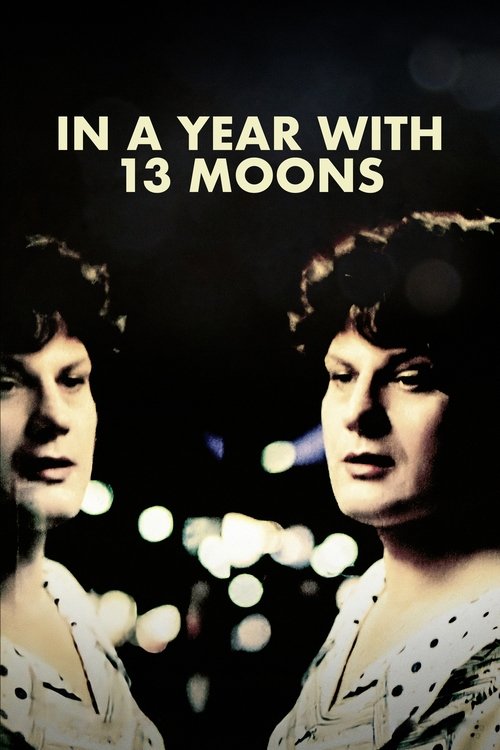
In a Year with 13 Moons1978
Both films use non-linear storytelling and sensual, sometimes transgressive imagery to map how desire and trauma reshape identity. Each refuses to position the audience at a comfortable distance from uncomfortable material. Fassbinder's formal anarchism parallels Ferreri's refusal to moralize about the family.
Rainer Werner Fassbinder's kaleidoscopic, deliberately structureless portrait of desire and regret. A trans woman traces the erotic and emotional history that made her. It's genuinely radical—fractured, hypnotic, operatic. Fassbinder refuses chronology or psychological realism, instead achieving something like fever dream memoir.
But Formally chaotic, it can feel less like a film and more like being inside someone's fragmented consciousness. Some will find it incomprehensible; others will miss traditional narrative entirely.
More like this (7)
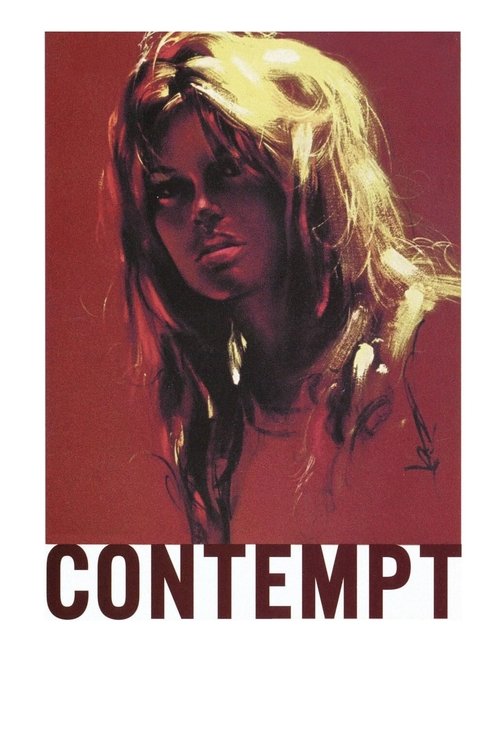
Contempt1963
Godard's marriage drama uses the fracture between two people as a lens onto desire, ego, and the impossibility of truly knowing anyone. Brigitte Bardot and Michel Piccoli are heartbreaking. It's cinema philosophy.
But Godard's method is oblique and sometimes icy. If you want emotional catharsis, you won't find it here, only formal brilliance.
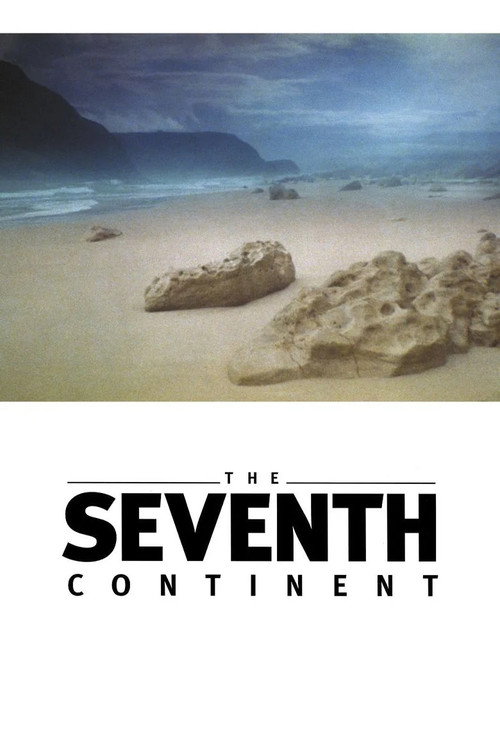
The Seventh Continent1989
Haneke's debut is a chilling portrait of a family's deliberate dissolution. Like Ferreri, Haneke finds horror in the domestic and the intimate, examining how love can curdle into complicity.
But It's methodical and austere to the point of numbness. Some find it intellectually superior rather than genuinely moving.
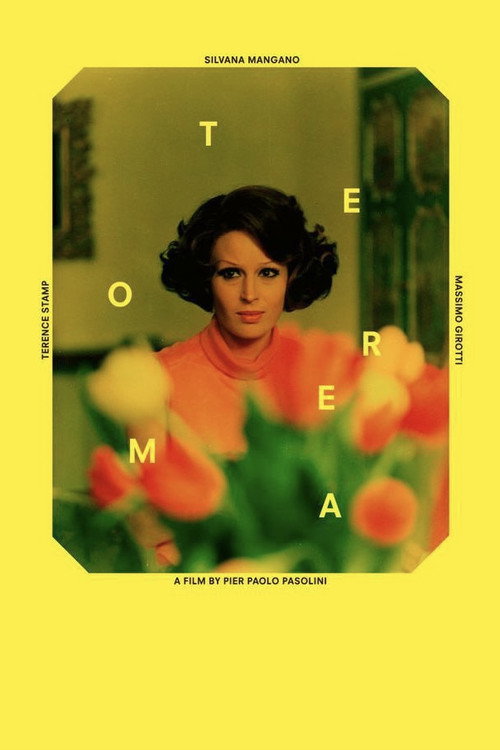
Theorem1968
Pasolini again, but as a corrupting force in a bourgeois household. A mystery man unravels a family through desire and seduction. Profound meditation on sexuality, class, and the self.
But The ending is deliberately abrupt and inexplicable. Those seeking narrative resolution will be frustrated.
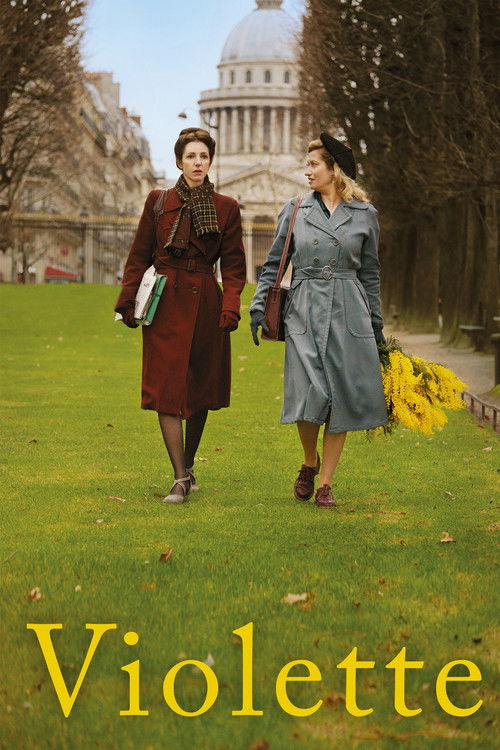
Violette2013
Marta Cohn and Frédéric Violette examine the novelist Violette Leduc's transgressive life and her ambivalent relationship with her difficult mother. Intimate yet formally restrained.
But It's genteel by comparison to Ferreri. The psychological complexity sometimes gets lost in the literary framing.
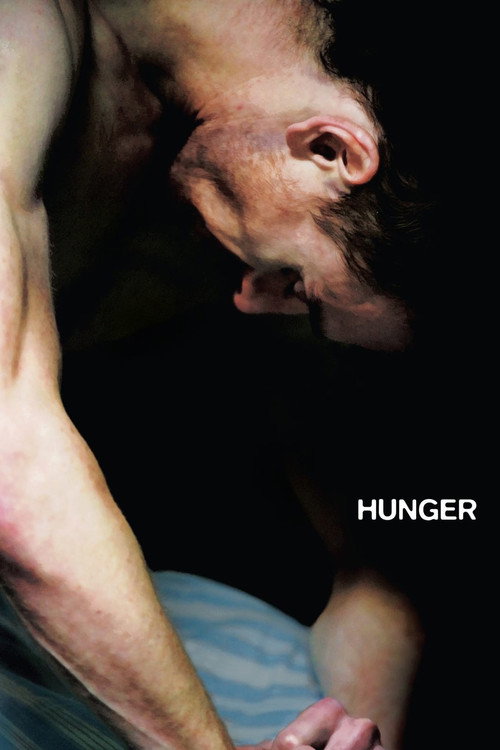
Hunger2008
Steve McQueen's brutal portrait of Bobby Sands' final protest. Like Ferreri, McQueen finds the erotic in the degraded body. A meditation on desire, resistance, and the flesh as political battleground.
But The self-inflicted suffering is graphic and relentless. Some experience it as punishment rather than catharsis.
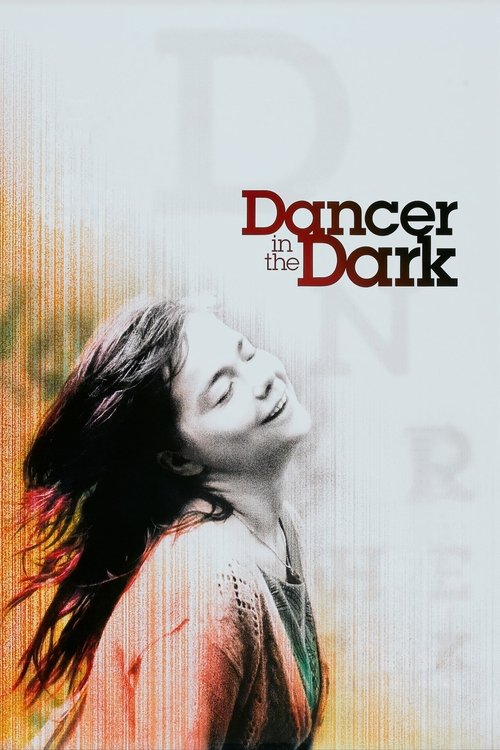
Dancer in the Dark2000
Both films use the maternal and familial as crucibles for examining love's darker dimensions. Where Ferreri is formally restrained, von Trier explodes into artifice—but both ask: what does a mother owe her child, and what does that obligation do to the self?
Lars von Trier's Björk vehicle is deceptively constructed: musical fantasy sequences erupt from kitchen-sink realism, colliding musical transcendence with mundane despair. It's about a mother's love becoming a trap, about sacrifice that destroys. The tonal whiplash is the point.
But It's emotionally manipulative by design, and some viewers resent that. The ending is deliberate devastation. Björk's flat delivery will frustrate those used to conventional acting.
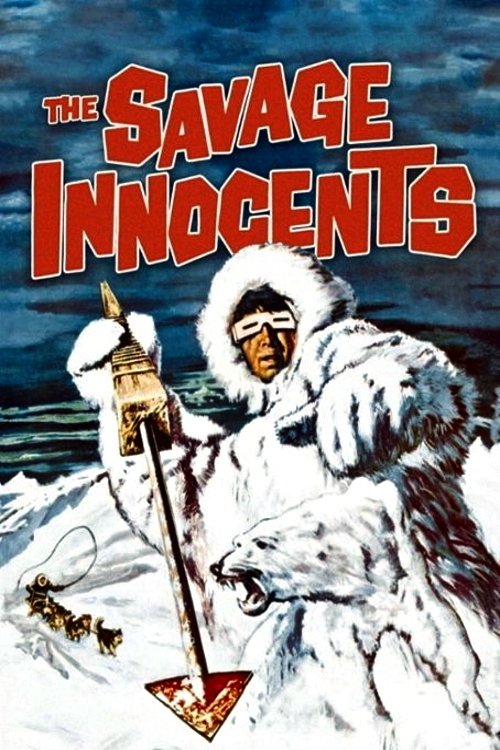
The Savage Innocents1960
Both films examine the family and reproduction as culturally constituted rather than natural. Where Ferreri interrogates incest as a transgression within bourgeois family structure, Mann examines kinship and sexuality across cultural difference. Each finds the body itself—desire, reproduction, touch—as a site of philosophical inquiry rather than mere plot device.
Anthony Mann's Inuit-centered drama starring Anthony Quinn. Anthropological and tactile, it examines desire, reproduction, and the body with anthropological curiosity and formal beauty. Shot on location, shot in color—a rare thing for this era. Sensual and intellectually strange.
But The white male gaze mediates everything, and it shows its age. The pacing is deliberate and sometimes feels documentary rather than dramatic.
People
Cast
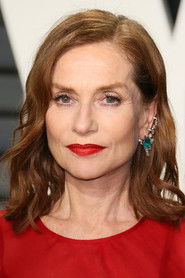 Isabelle HuppertPiera
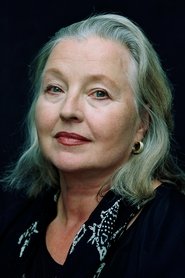 Hanna SchygullaEugenia
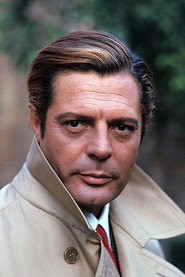 Marcello MastroianniLorenzo
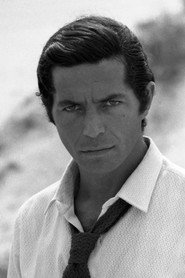 Angelo InfantiTito / Giasone
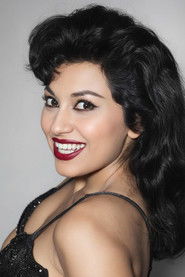 Aiche Nanamidwife
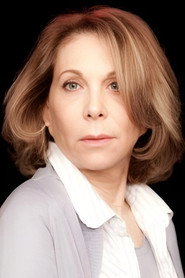 Tanya LopertElide
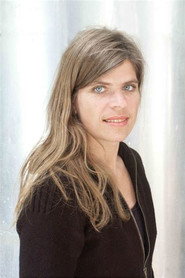 Bettina GrühnPiera as a Child
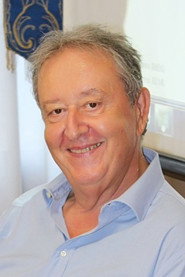 Renato Cecchettopsychiatric hospital attendant
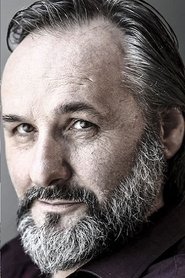 Maurizio DonadoniMassimo
 Girolamo Marzanodoctor Filippi
- Lidia Montanari"One hundred thousand lires"
 Laura TrotterLuciana
Directing
- Marco FerreriDirector
Writing
- Dacia MarainiBook
- Piera Degli EspostiBook
- Dacia MarainiScreenplay
- Marco FerreriScreenplay
- Piera Degli EspostiScreenplay
- Dacia MarainiStory
- Marco FerreriStory
- Piera Degli EspostiStory
Production
- Luciano LunaExecutive Producer
- Achille ManzottiProducer
- Erwin C. DietrichProducer
- Claudio GaetaProduction Manager
- Gérard GaultierProduction Manager
- Giandomenico StellitanoProduction Manager