
Film
Three Brothers
- Family drama
- Slow-burning
Three brothers—a judge, a social worker, and a factory hand—return to their southern Italian village after their mother's death. Ermanno Olmi's film is a quiet meditation on class, duty, and what home means when you've left it behind. It moves between their separate lives and their shared past, finding profound humanity in ordinary conversations. For anyone who loves character over plot.
If you liked this
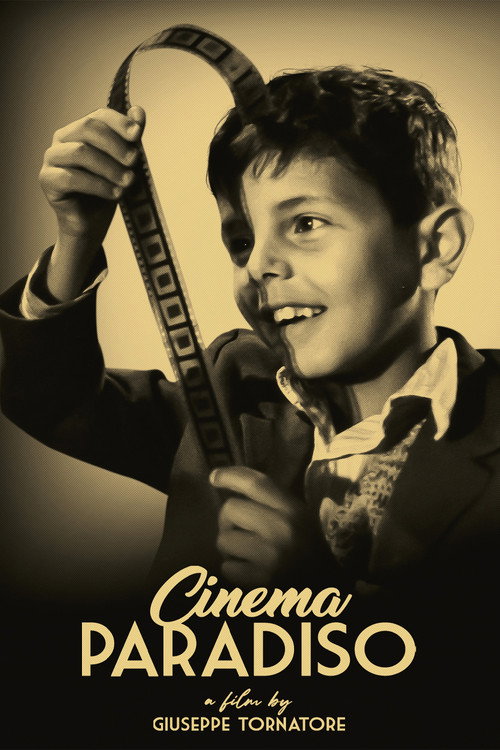
Cinema Paradiso1988
Tornatore's equally tender excavation of memory and loss, set in a small Sicilian town. It shares Three Brothers' ability to make homecoming feel like a spiritual reckoning, with the same warm melancholy about the past we can never quite reclaim.
But The nostalgia can tip into sentimentality if you're resistant to films that wear their hearts this openly. Some find it overly constructed.
Umberto D.1952
De Sica's neorealist masterpiece about an elderly man navigating post-war Rome with quiet dignity. Like Three Brothers, it finds tragedy in the everyday and respects its characters too much to manipulate you into feeling for them.
But Deliberately paced and sparse. It's a film about nothing happening, which either unlocks something in you or feels like watching paint dry.

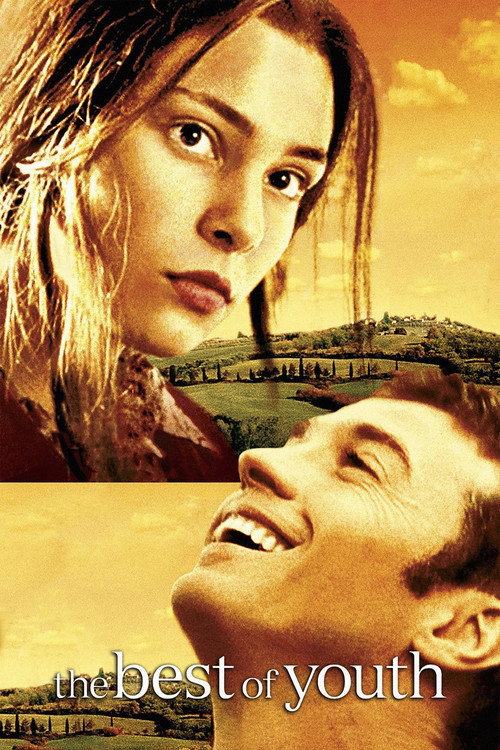
The Best of Youth2003
Marco Tullio Giordana's six-hour epic follows two brothers across decades of Italian history. It has Three Brothers' DNA—family as lens for national rupture—but sprawls into a grander narrative about generational change and political upheaval.
But Six hours is a commitment. The scope can feel didactic, and some stretches prioritize historical sweep over intimate character work.
Not sure tonight? Get a pick in a minute, starting from Three Brothers
The wildcard
Something you would not have found on your own.
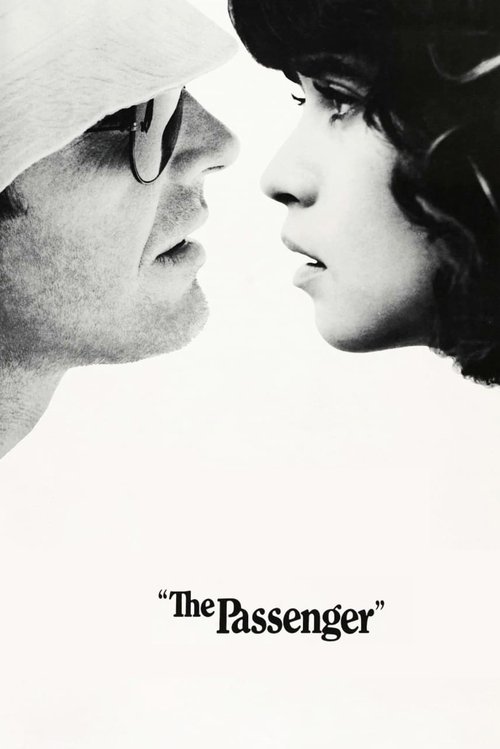
The Passenger1975
Both examine what happens when men try to shed their responsibilities and public identities—the judge, the father, the worker—and whether that shedding is freedom or cowardice.
Antonioni's philosophical thriller stars Jack Nicholson as a man who abandons his identity in a sun-drenched African landscape. The connection: both films are about men running from obligation and the question of whether you can ever truly escape your past or your role in society.
But It's abstract and remote, with long takes and minimal plot. If you want narrative momentum or emotional catharsis, this will frustrate you.
More like this (8)
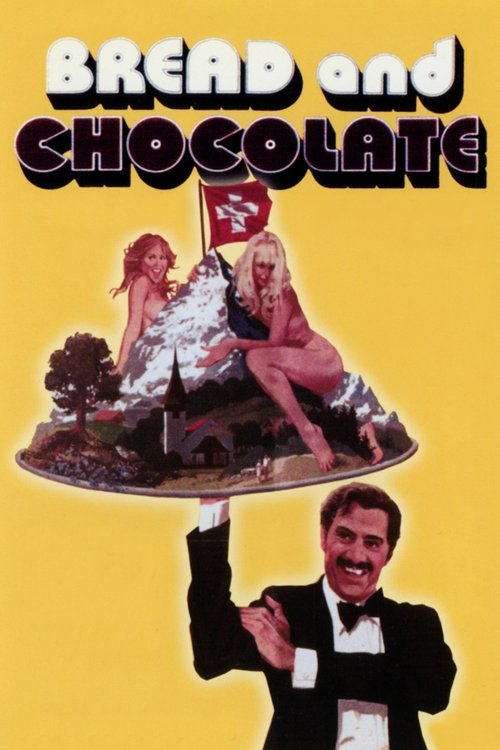
Bread and Chocolate1974
Franco Brusati's story of a southern Italian migrant worker in Switzerland captures the same class tensions and displaced-person anguish that runs through Three Brothers, but with dark comedy as its weapon.
But Tonally uneven—it lurches between comedy and despair in ways that don't always cohere. The humor can feel jarring if you're expecting consistent mood.
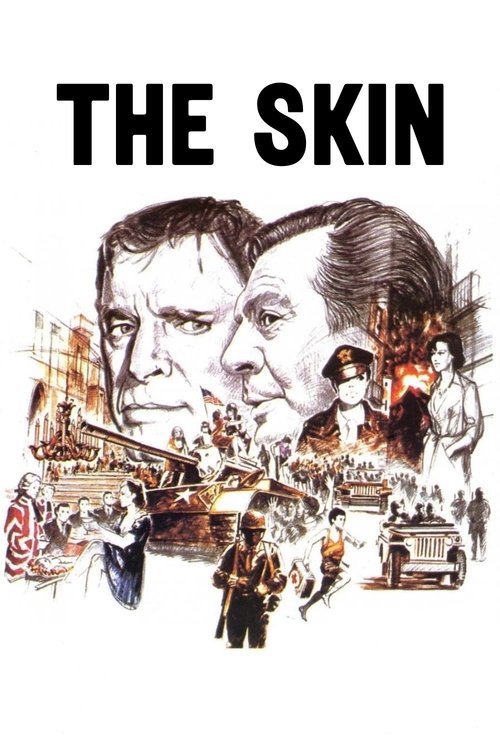
The Skin1981
Cavani's 1981 film about Naples during WWII shares Three Brothers' year and setting, with the same unflinching look at Italian identity, trauma, and the weight of history pressing on individual lives.
But Sexually explicit and deliberately provocative. It's less interested in comfort than in discomfort, which can feel gratuitous depending on your tolerance.
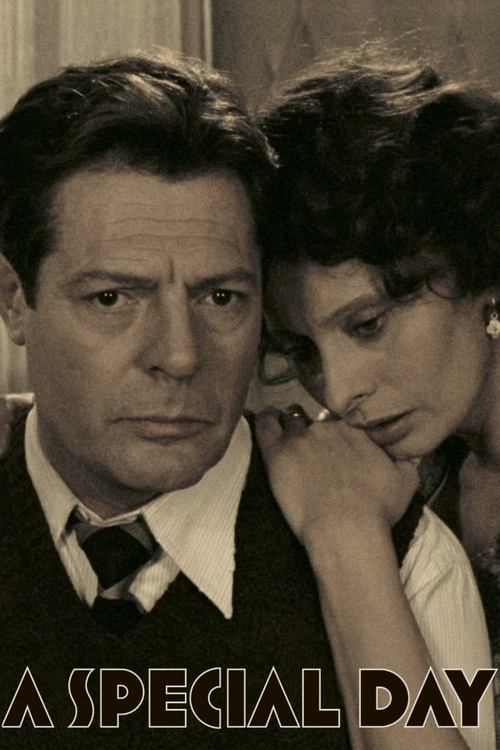
A Special Day1977
Scola's two-hander between Sophia Loren and Marcello Mastroianni uses a single Roman apartment to contain Italy's fascist past and present-day repression. Intimate in scale but sweeping in implication, like Three Brothers.
But The romance can feel manipulative, and the film's political argument sometimes takes precedence over character authenticity.
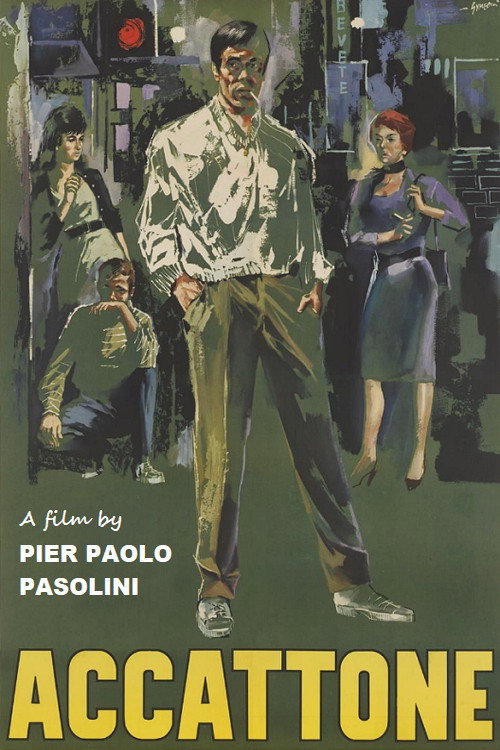
Accattone1961
Pasolini's debut is a brutal, unsentimental portrait of Rome's underclass. It shares Three Brothers' refusal to condescend to working people, and its visual poetry emerges from street-level reality rather than imposed style.
But Aesthetically challenging and morally complex in ways that can feel hostile. It doesn't ask you to like its characters, which takes adjustment.
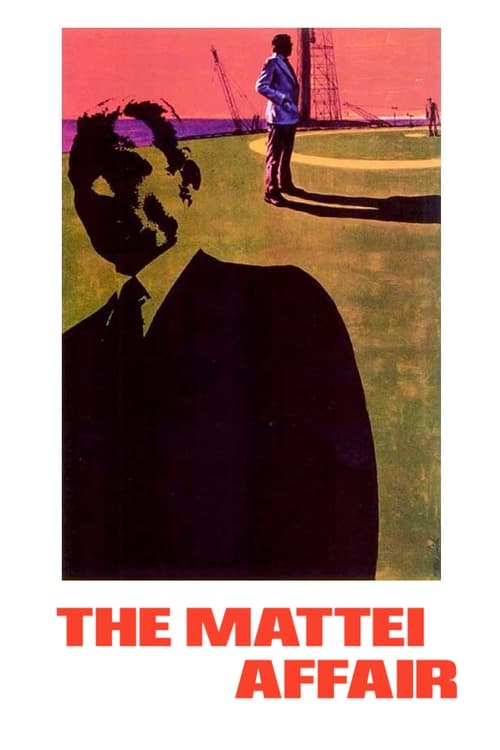
The Mattei Affair1972
Rosi's political thriller about Italy's most powerful industrialist connects to Three Brothers through its exploration of power, class, and the gap between public façade and private conscience—especially in the judge brother.
But Plot-heavy and periodically confusing. It prioritizes historical intrigue over character, which can feel cold compared to Olmi's warmth.
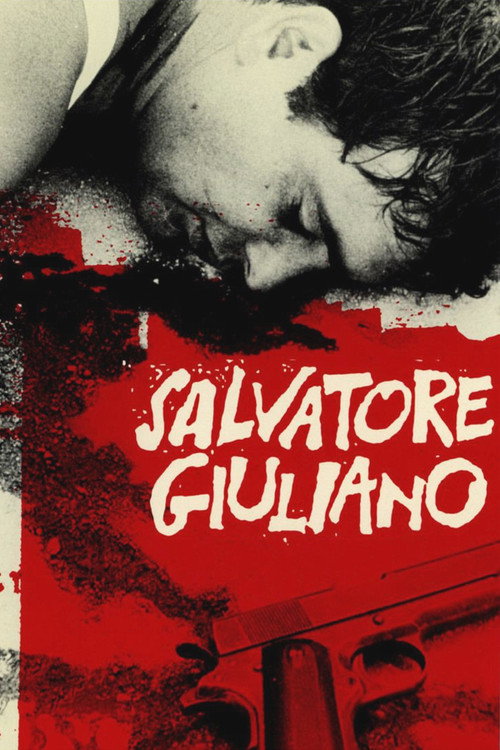
Salvatore Giuliano1962
Rosi's documentary-style investigation of a Sicilian outlaw uses fragmented narrative to explore how a man becomes a legend. It shares Three Brothers' interest in how place and history shape individual destiny, told through southern Italian experience.
But Deliberately fractured and opaque. Rosi refuses to give you a clear story, which some experience as pretentious rather than profound.
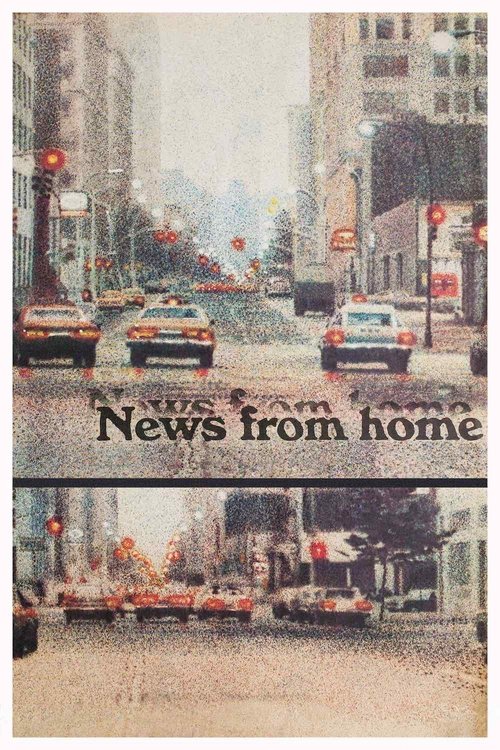
News from Home1976
Both use physical return (or its absence) to excavate what home means and what leaving it costs. Akerman's film is audio and image only; Olmi uses face and gesture—but both arrive at the same emotional truth about displacement.
Chantal Akerman's avant-garde documentary overlays letters from her mother read aloud over silent footage of 1970s New York streets. It sounds austere but is devastatingly intimate—about distance, duty, and the ache of having left home.
But It's experimental and deliberately slow-moving, with no conventional narrative. Most of it is just street scenes and a voice. It requires active, patient viewing.
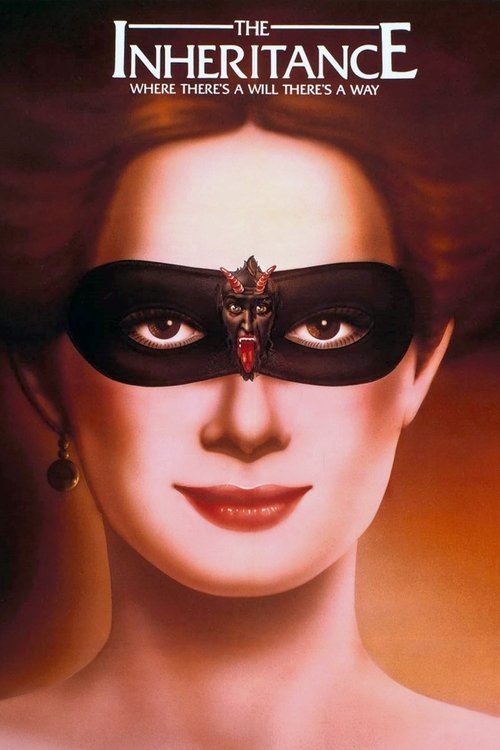
The Inheritance1976
Same basic engine—death brings brothers/family home, forcing reckoning with who they've become and what they owe the past—but inverted in class position and emotional register. Where Olmi is warm, Bolognini is glacial; both are true about the human experience.
Mauro Bolognini's ensemble drama about a bourgeois family gathering after a patriarch's death strips away pretense to reveal class anxiety, desire, and the weight of legacy. It's Three Brothers from the opposite angle—not workers returning home, but the propertied class confronting dissolution.
But It's aesthetically cold and structured like a stage play. The tone is detached to the point of seeming indifferent, which can feel emotionally distant.
People
Cast
 Philippe NoiretRaffaele Giuranna
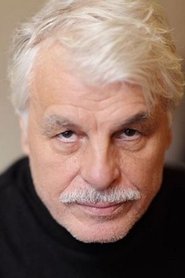 Michele PlacidoNicola Giuranna
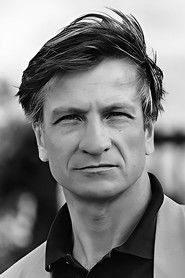 Vittorio MezzogiornoRocco Giuranna / Young Donato
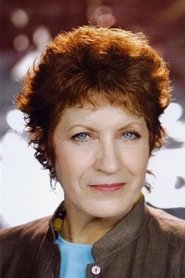 Andréa FerréolRaffaele's Wife
 Maddalena CrippaGiovanna
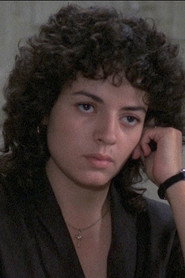 Rosaria TafuriRosaria
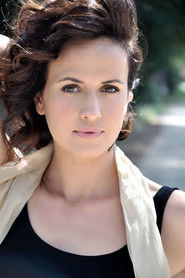 Marta ZoffoliMarta
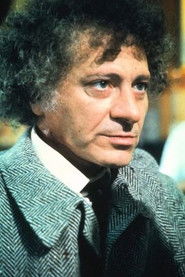 Tino SchirinziRaffaeles's Friend
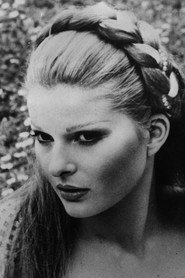 Simonetta StefanelliYoung Donato's Wife
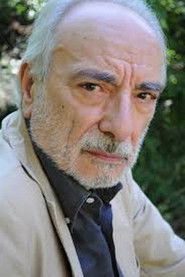 Pietro Biondi1st Judge
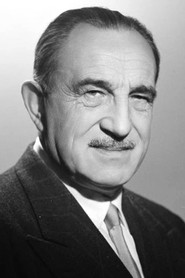 Charles VanelDonato Giuranna
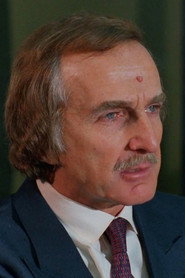 Accursio Di Leo1st Friend at Bar
Directing
- Francesco RosiDirector
- Gianni ArduiniFirst Assistant Director
- Renata FranceschiScript Supervisor
Writing
- Andrey PlatonovNovel
- Francesco RosiScreenplay
- Tonino GuerraScreenplay
- Francesco RosiStory
- Tonino GuerraStory
Production
- Fausto CapozziAccountant
- Enzo LucariniAdministration
- Antonio MacriProducer
- Giorgio NocellaProducer
- Alessandro von NormanProduction Coordinator
- Franco BallatiProduction Manager
- Lorenzo ErricoProduction Secretary
- Matteo von NormannProduction Secretary
- Lynn KamernProduction Supervisor