
Film
Divorce Italian Style
A Sicilian man plots to murder his wife by first tricking her into infidelity, exploiting a legal loophole that allows killers of adulterous women light sentences. Mastroianni delivers a masterclass in comic desperation as Ferdinando schemes against increasingly implausible odds. It's darkly funny, audaciously cynical about law and desire, and absolutely Italian—morally fearless in ways Hollywood wouldn't dare.
If you liked this
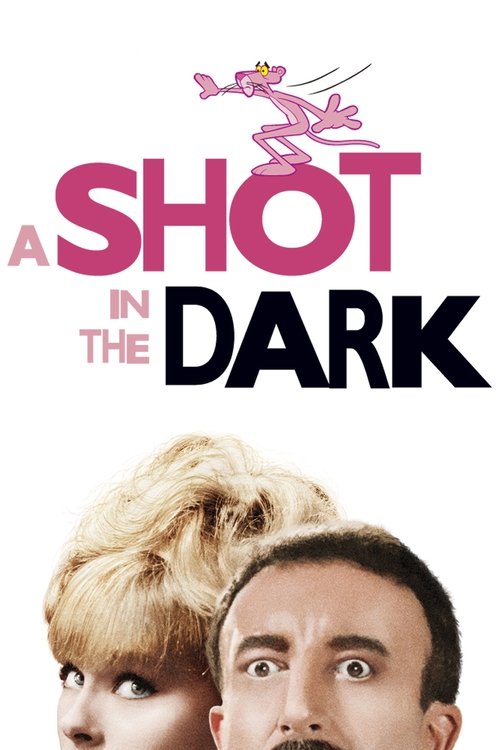
A Shot in the Dark1964
Inspector Clouseau returns in a murder mystery where nothing is as it seems and every scene spirals into perfectly timed chaos. Peter Sellers at his physical comic peak, chasing suspects and bumbling brilliantly through a case driven by sexual scandal and mistaken identity.
But The Pink Panther sequels vary wildly in quality, and this one depends entirely on your tolerance for Sellers' rubber-faced shtick and mid-60s farce conventions.
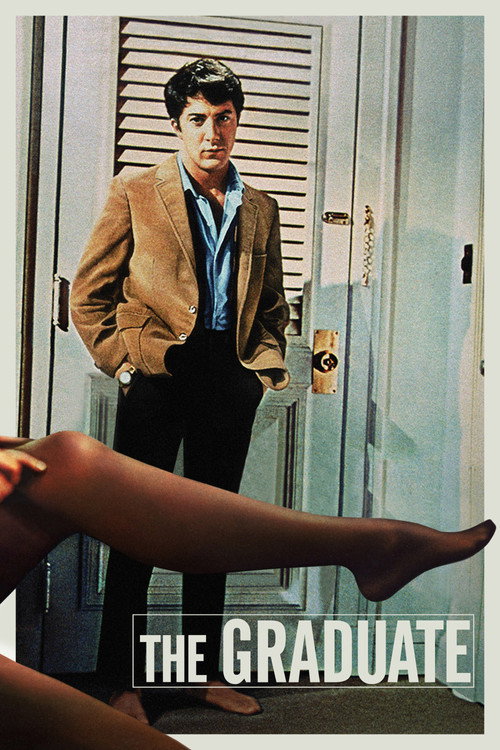
The Graduate1967
A young man caught between desire and duty, seduced by an older woman while pursuing her daughter. Bittersweet and funny rather than cruel, it captures the same generational anxiety and sexual mess but with American ambivalence where Divorce has Italian brazenness.
But Decades of cultural canonization can make it feel more important than entertaining, and the whimsy occasionally undercuts the real discomfort at its core.
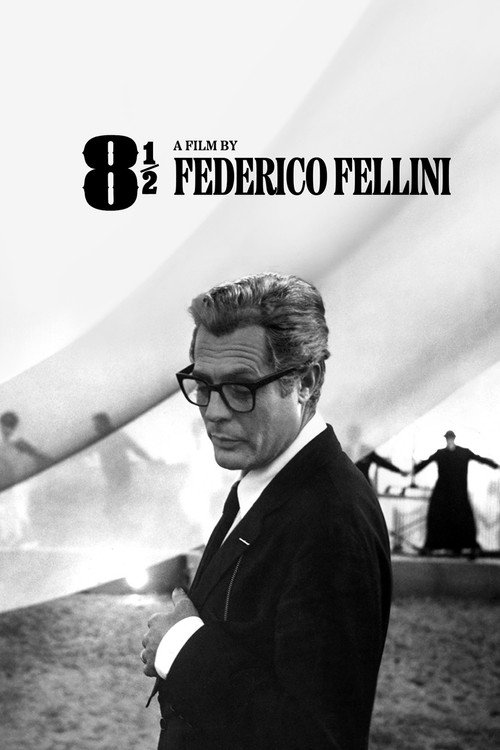
8½1963
Fellini's director watching his own marriage and life splinter into circus, dream, and scandal. Visual brilliance paired with razor-sharp comedy about masculine weakness and self-deception. If you loved Mastroianni's scheming here, see him as a man drowning in his own mythology.
But It's deliberately fragmented and recursive—plot is not the point, and some find it indulgent or exhausting rather than liberating.
Not sure tonight? Get a pick in a minute, starting from Divorce Italian Style
The wildcard
Something you would not have found on your own.
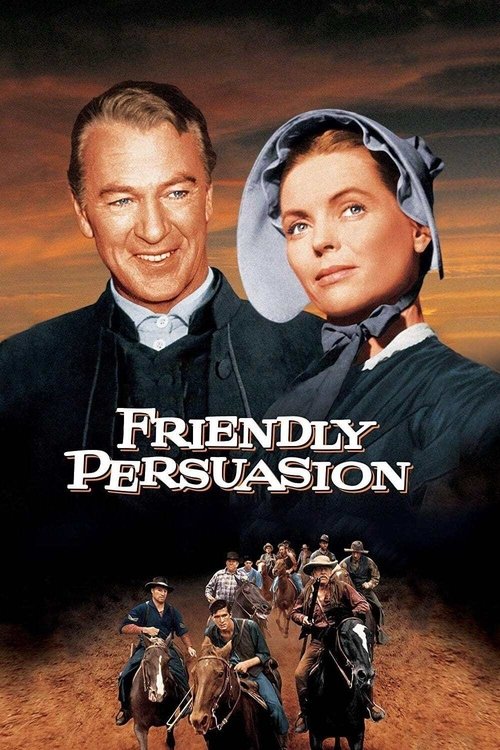
Friendly Persuasion1956
Both excavate the same Sicilian world where law and desire are at war, but Visconti shows you the real violence beneath Germi's elegant black comedy.
A Sicilian village on a single day, with Gian Maria Volontè and Claudia Cardinale, exploring desire, coercion, and the gap between what the law permits and what men feel entitled to take. It's a Visconti film—slower, more brutal, more poetic—but focused on the exact same landscape and moral rot as Divorce.
But It's grimy and uncompromising in ways Divorce is not; the comedy has been replaced by something closer to documentary horror. Black and white, 1950s Italian cinema pacing.
More like this (8)
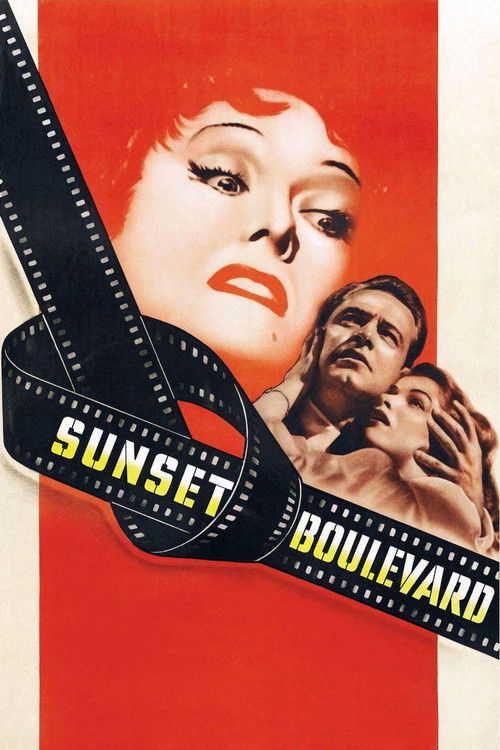
Sunset Boulevard1950
A man destroys himself pursuing a woman and a fantasy, narrated by a corpse. Like Divorce, it's a dark comedy about desire warping judgment, but American noir makes it genuinely tragic. Simultaneously cruel and sympathetic, cynical and heartbreaking.
But The black-and-white cinematography and Hollywood-insider references date it more than Divorce has dated; some find it bleak rather than bracing.
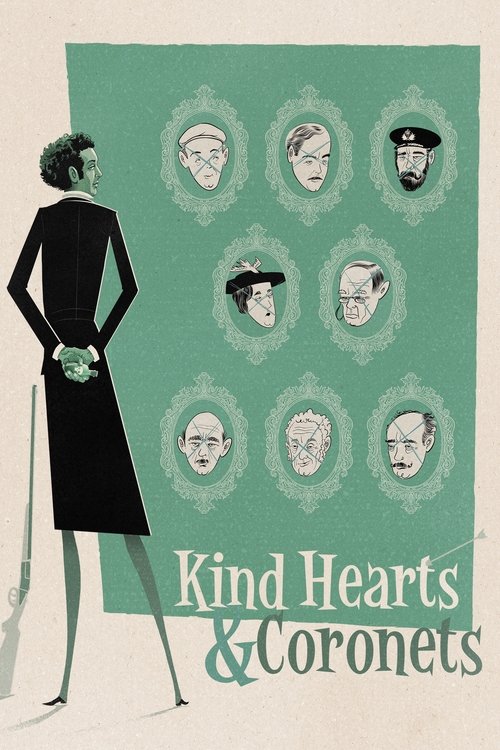
Kind Hearts and Coronets1949
A man methodically murders his way through eight relatives to inherit a dukedom, with Alec Guinness playing all of them. Darkly comic, morally twisted, and outrageously British in its matter-of-fact approach to homicide as a path to social advancement.
But The humor is built on snobbery and class hierarchy that can feel dated, and the murders are more arch than thrilling.
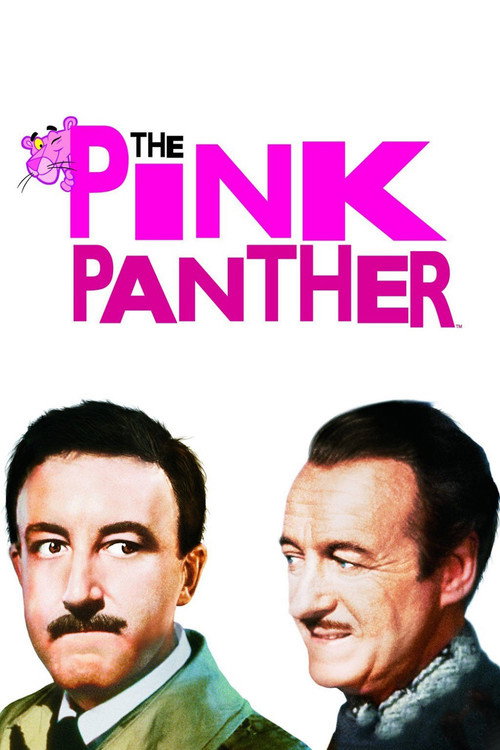
The Pink Panther1963
Sellers' Clouseau solving a heist through accidental genius while the plot pivots on a jewel theft and a woman caught between two men. Similar era, similar tone of farcical desperation, but lighter and less morally unhinged.
But The series became a franchise and this is slighter than Divorce—sometimes funny, sometimes just bumbling without much at stake.
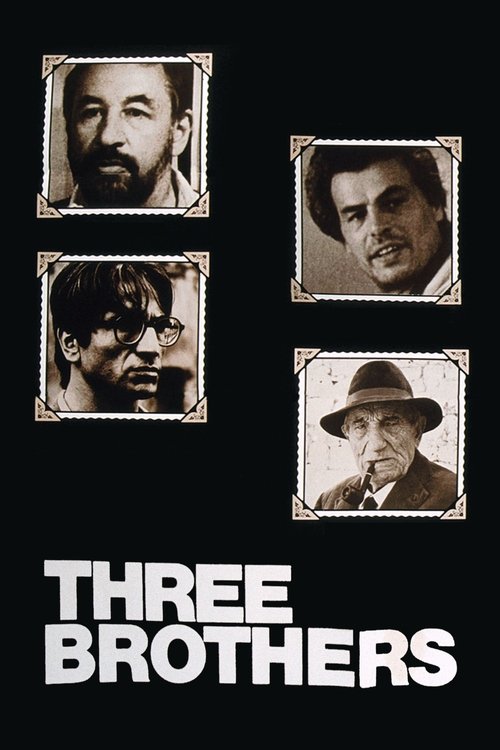
Three Brothers1981
Ermanno Olmi's look at three brothers returning home after their mother's death, wrestling with family, marriage, and what it means to stay put. Quieter and more melancholic than Divorce, but with the same Sicilian soil running through it and the same awareness of how desire and duty poison everything.
But It's a slow meditation rather than a plot, and if you want speed and sex and comedy, this is the opposite approach.
Contempt1963
Godard's marriage film: a screenwriter and his wife watch their relationship corrode across the Mediterranean while a producer circles both of them. As interested in cinema as in love, it's philosophical where Divorce is pragmatic, but equally obsessed with the gap between what we want and what we can actually have.
But Godard's style is experimental and chilly; if you want warmth or plot propulsion, this offers neither.

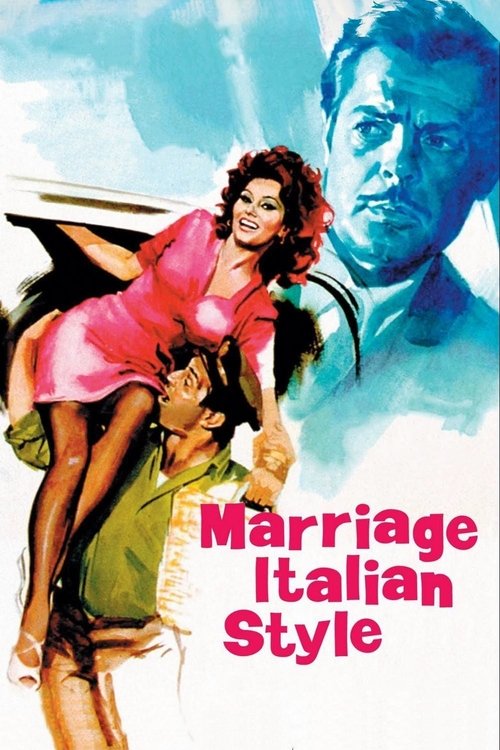
Marriage Italian Style1964
Mastroianni again, this time confronting an old lover played by Sophia Loren when she demands he marry her. Less murderous than Divorce but equally tangled in Italian family law and masculine pride. Softer and more sentimental, but with the same wry eye on how men and women actually fail each other.
But It's more of a romance than a satire, and if you want the bite, this softens it considerably.
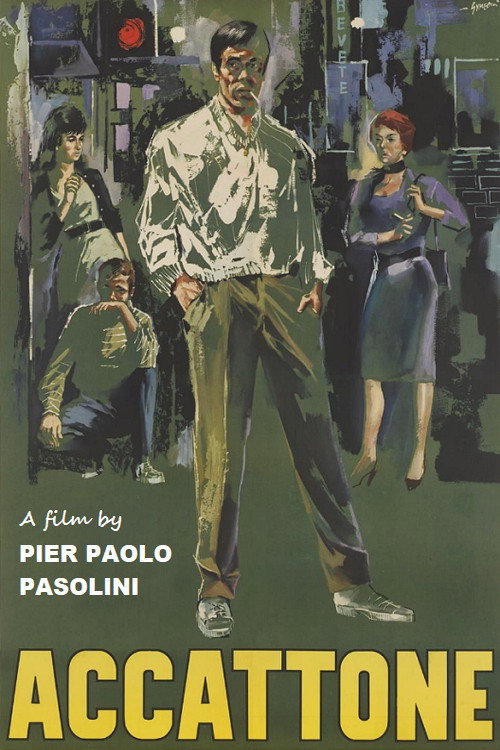
Accattone1961
Both are Italian films from 1961 about men whose survival depends on manipulating others, but Pasolini shoots from below where Germi shoots from within the family.
Pasolini's debut: a pimp and petty criminal on the streets of Rome, filmed with the visual grace of a Renaissance painting. It's the same year as Divorce and shares Mastroianni's moral compass—a man trying to survive through schemes and seduction—but in documentary poverty instead of middle-class Sicily.
But It's grim, slow, and non-judgmental about criminality in ways that can feel alien. Shot on the margins, not in homes or drawing rooms. Close to neorealism, which some find depressing rather than liberating.
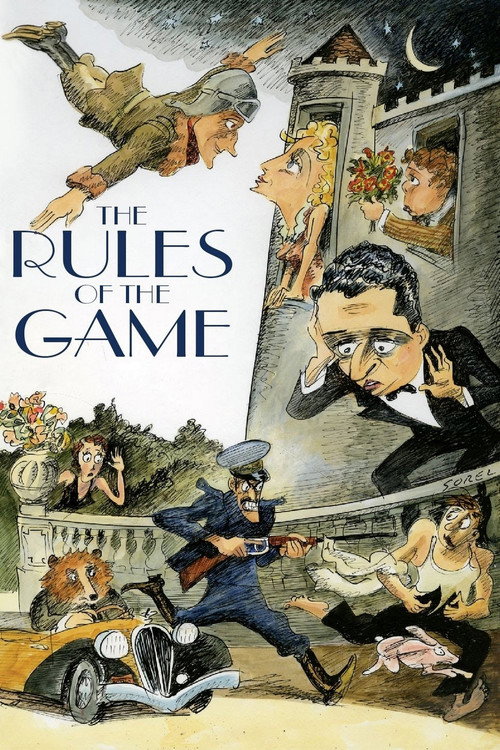
The Rules of the Game1939
Both treat the law—written or unwritten—as the real obstacle to happiness, and both suggest that knowing the rules is not the same as escaping them.
Renoir's French masterpiece: a house party where every character is performing, scheming, and tangled in mismatched desire. It's a three-hour ensemble rather than Mastroianni's one-man show, and melancholic rather than comic, but identical in structure—everyone is trapped by the rules that supposedly govern them, and trying to break free only makes the cage tighter.
But At 113 minutes it's patient and demanding; the tragedy is quiet rather than spectacular, and the satire is so generous it can feel like mere observation rather than judgment.
People
Cast
 Marcello MastroianniFerdinando Cefalù
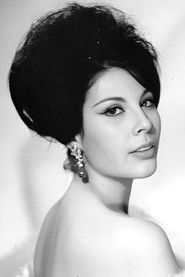 Daniela RoccaRosalia Cefalù
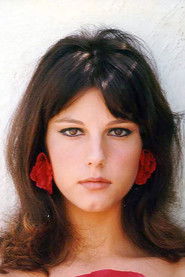 Stefania SandrelliAngela
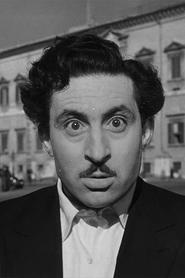 Leopoldo TriesteCarmelo Patanè
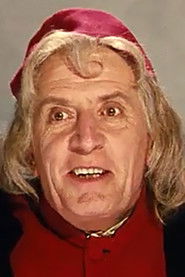 Odoardo SpadaroDon Gaetano Cefalù
- Margherita GirelliSisina
- Angela CardileAgnese Cefalù
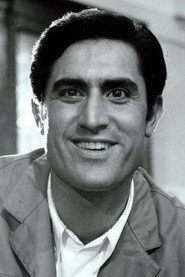 Lando BuzzancaRosario Mulè
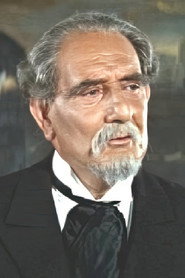 Pietro TordiAttorney De Marzi
- Ugo TorrenteDon Calogero
- Antonio AcquaPriest
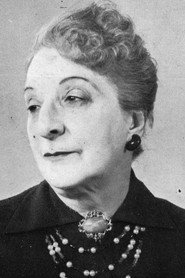 Bianca CastagnettaDonna Matilde Cefalù
Directing
- Mirta GuarnaschelliContinuity
- Pietro GermiDirector
- Renzo MarignanoFirst Assistant Director
- Mirta GuarnaschelliScript Supervisor
- Enzo BattagliaSecond Assistant Director
Writing
- Alfredo GiannettiScreenplay
- Ennio De ConciniScreenplay
- Pietro GermiScreenplay
- Alfredo GiannettiStory
- Ennio De ConciniStory
- Pietro GermiStory
Production
- Piero SpezialiAdministration
- Franco CristaldiProducer
- Guglielmo ColonnaProduction Manager
- Lamberto PippiaProduction Secretary
- Rodolfo FrattaioliProduction Secretary
- Alessandro GoriProduction Supervisor
- Carlo BartoliniProduction Supervisor
Recommended by
Bob & Carol & Ted & Alice, Get Out Your Handkerchiefs, A Lesson in Love, Variety Lights, The Seduction of Mimi