
Film
Ballets Russes
Ballets Russes charts the unlikely saga of the Russian company that revolutionized modern dance, following its exiled dancers from the Soviet upheaval through decades of touring, artistic triumph, and bitter internal warfare. It's a documentary told largely through the vivid, often contradictory memories of aging performers—glamorous, gossipy, deeply moving. For anyone who loves dance, history, or extraordinary lives lived in the margins.
Should you watch it?
Watch it if you love ballet's backstage politics as much as the dancing, and enjoy a documentary that lets old performers talk about rivalries, money and the grind of touring with a company that never stopped reinventing itself.
Skip it if you want a tight, modern documentary with a clear argument; this is a loving, chatty trawl through archive footage and interviews that can feel leisurely over almost two hours.
What it asks of you: Settle in for just under two hours of archive clips and talking heads, unhurried and mostly sitting still, with the pleasure coming from accumulating memories rather than from any sharp turn of plot.
Not sure? Find tonight's pick in a minute.
If you liked this
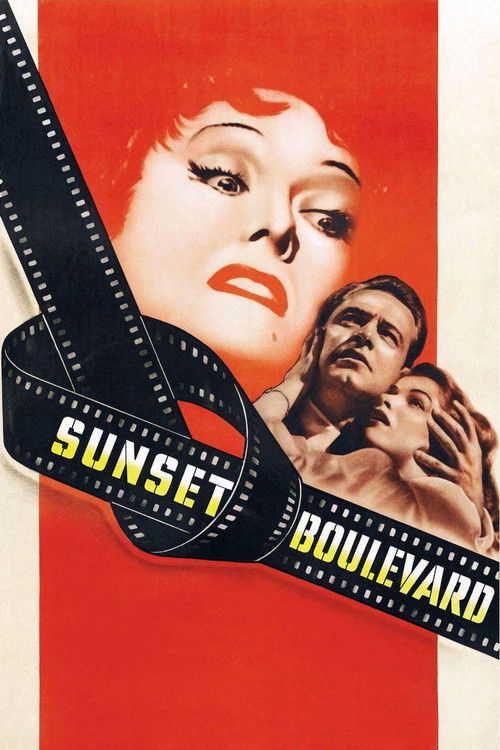
Sunset Boulevard1950
Explores the dark underside of artistic ambition and faded fame through a Hollywood survivor's descent. Like Ballets Russes, it's fascinated by how brilliance can curdle into bitterness and delusion over time.
But A bleak psychological noir that doesn't offer uplift or redemption; some find it crushingly cynical.
Grey Gardens1976
A documentary about two eccentric, aristocratic women and their decaying mansion. Shares Ballets Russes' approach: letting subjects speak freely, revealing character through accumulated detail and contradiction, finding tragedy in faded glamour.
But Deliberately claustrophobic and repetitive; it moves slowly and can feel uncomfortable watching its subjects' deterioration.

The Red Shoes1948
Powell and Pressburger's masterpiece about the cost of artistic obsession in ballet. The film itself is ravishing; it understands dance as poetry and captures the world the Ballets Russes inhabited.
But Melodramatic and formally experimental in ways that can feel mannered; the film prioritizes beauty over narrative momentum.

Not sure tonight? Get a pick in a minute, starting from Ballets Russes
The wildcard
Something you would not have found on your own.
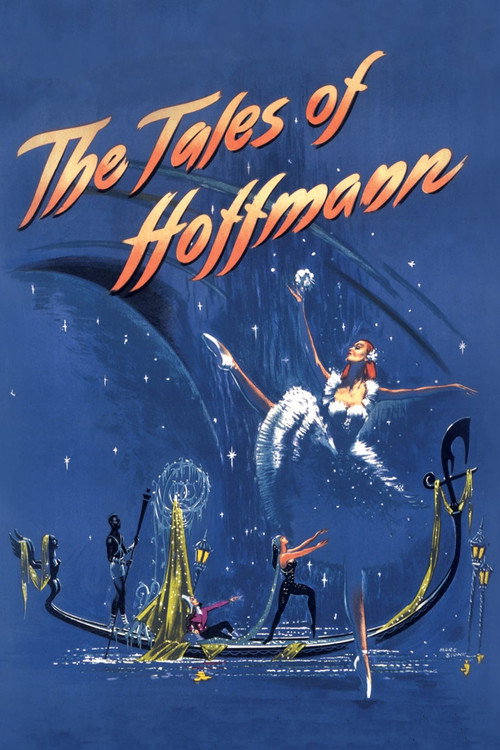
The Tales of Hoffmann1951
Direct aesthetic lineage: Diaghilev's vision of total theatre realized by the same filmmakers who understood that world. Same era, same ideals, same visual language.
Powell and Pressburger's operatic ballet film, visually astonishing and structurally adventurous. It's the artistic apotheosis of what Ballets Russes was attempting—total synthesis of dance, music, and design.
But Deliberately artificial and stagey; some viewers find it hermetically sealed from human feeling, more beautiful than moving.
More like this (8)
Singin' in the Rain1952
A joyful counterpoint: the same era of theatrical exile and reinvention, but seen from the American side. Shows how European artists rebuilt careers during the studio system.
But It's a musical comedy; if you want emotional gravity or complexity, this trades both for entertainment.

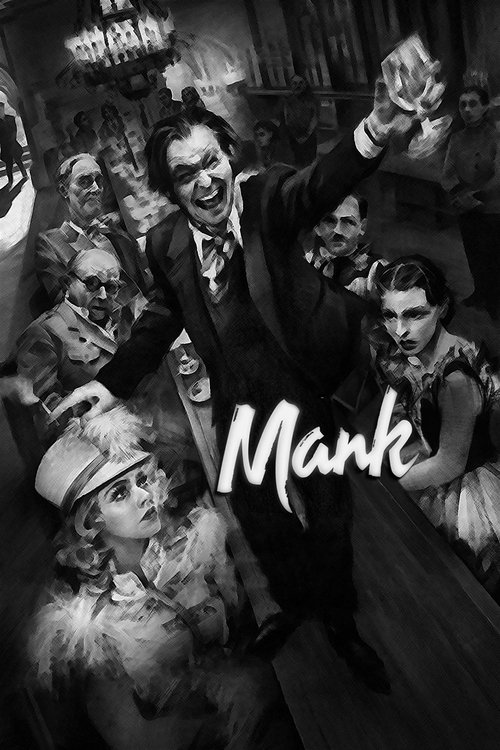
Mank2020
A character study of ambition, betrayal, and creative partnership in a closed world. Shares Ballets Russes' fascination with how brilliant people hurt each other in service of art.
But Chatty and literary; if you prefer plot-driven narratives, the script can feel self-consciously clever and slow.
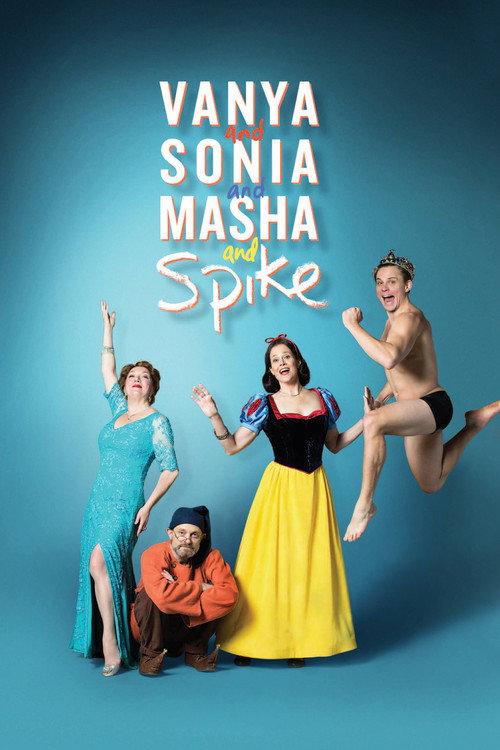
Vanya and Sonia and Masha and Spike2012
Adapted from Chekhov and written by Christopher Durang, it's about Russian exiles and theatrical people trying to make sense of their lives. Has the same wry, melancholic tone about art and displacement.
But Deliberately theatrical and arch; the humor is intellectual and may feel precious or overstated.
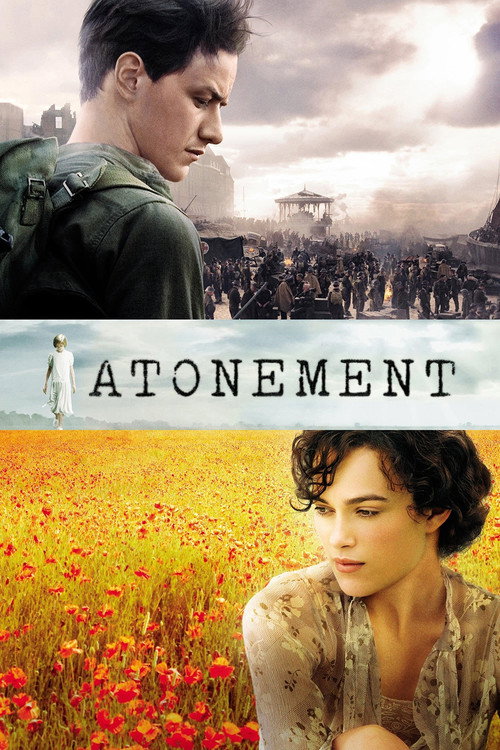
Atonement2007
Uses a ballet sequence as a crucial moral pivot; more broadly, explores how art and ambition can obscure truth. Examines the costs of pursuing perfection in artistic worlds.
But Three-hour literary adaptation that demands patience; the tone shifts dramatically and some find the ending unsatisfying.
La Haine1995
A powerful study of exile and displacement in a closed community. While set in contemporary Paris, it shares Ballets Russes' interest in how outsiders create culture and meaning.
But Bleak and politically urgent; it's not interested in charm or nostalgia, and the ending is deliberately unresolved.

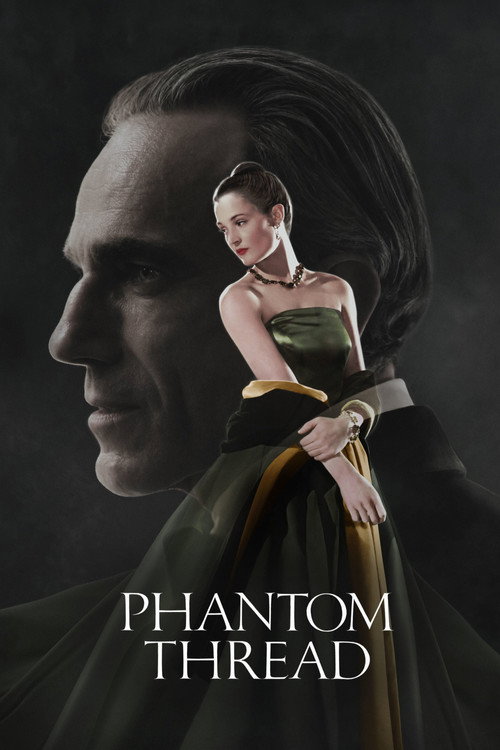
Phantom Thread2017
A masterwork about artistic obsession, mentorship, and power in a rarefied world. Like the documentary, it understands how the drive to create can become destructive.
But Deliberately paced and psychologically murky; the relationship at its center is toxic, and the film doesn't offer conventional emotional release.
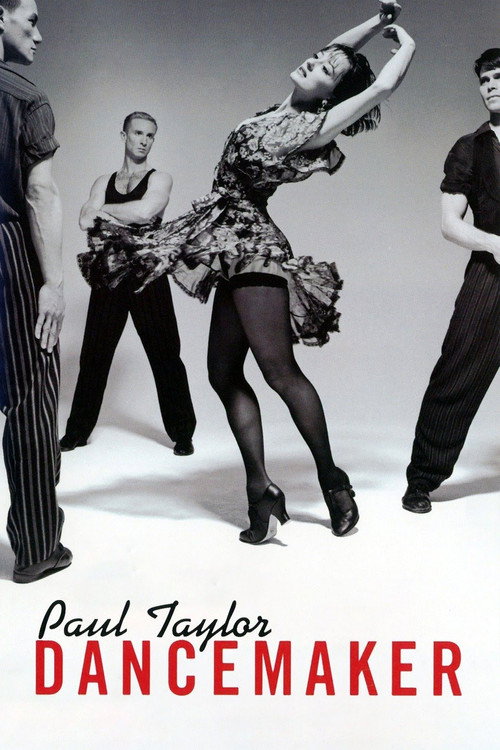
Dancemaker1998
The obverse view: where Ballets Russes is memoir and gossip, this is real-time observation of the same creative struggle, showing the behind-the-scenes labor that sustains the myth.
Paul Taylor's documentary about creating a new ballet in his final years. Raw, unglamorous, intimate. Shows the actual work of making dance—repetition, failure, breakthrough—that Ballets Russes glosses over.
But No narrative arc; it's process-focused and demands patience with rehearsal footage. Minimally dramatic by documentary standards.
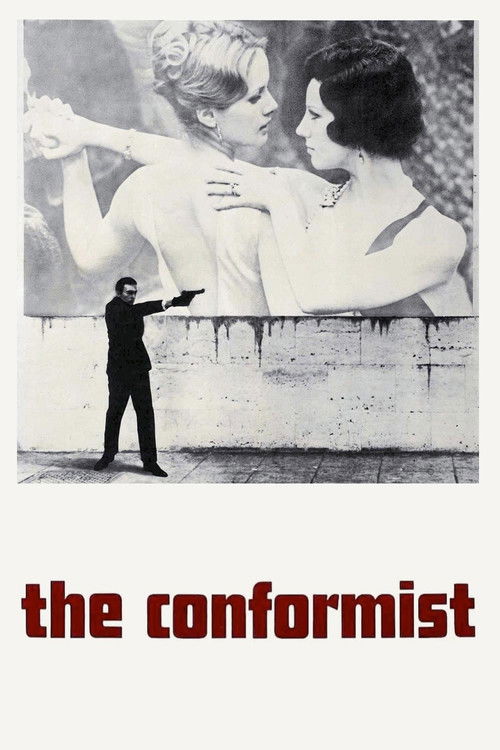
The Conformist1971
Shares the historical moment of Russian exile and European displacement, but from a radical political angle. Both films understand dance as a language of power and survival, not just beauty.
Bertolucci's visual essay on fascism and complicity features one of cinema's greatest dance sequences. It's about European exiles, political betrayal, and how beauty becomes complicit in horror.
But Abstract and formally challenging; plot is secondary to mood and visual philosophy. Some find it glacially slow and difficult to engage with emotionally.
People
Cast
 Marian SeldesNarrator


Directing
- Daniel GellerDirector
- Dayna GoldfineDirector