
Film
Dancemaker
- Musical
- Slow-burning
Dancemaker follows choreographer Paul Taylor and his company through 1997 as they create a new work, tour India, and perform his canon. It's a rare glimpse into how a master thinks in real time—rehearsal-room intensity, creative friction, the gap between vision and execution. For anyone curious how dance actually gets made, or who's mesmerized by Taylor's work, this is essential. Even without prior knowledge, you'll feel the stakes.
Should you watch it?
Watch it if you love watching how a choreographer builds a work from nothing, with rehearsal room tension, blunt talk between artists and the slow click of a dance coming together.
Skip it if you want a film that pushes past its subject, since this one stays close to rehearsals, interviews and performances and rarely steps back to question much.
What it asks of you: It runs about ninety-eight minutes and moves at the unhurried pace of studio work, so you need patience for long stretches of watching bodies repeat and refine a phrase.
Not sure? Find tonight's pick in a minute.
If you liked this
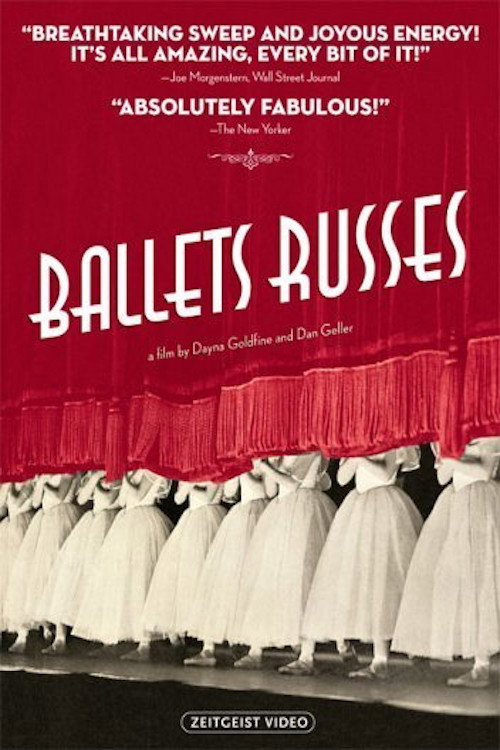
Ballets Russes2005
Geremy Rabkin and Dayna Taymor reveal the Ballets Russes de Monte Carlo through archived footage and interviews with surviving dancers. Like Dancemaker, it's a love letter to a specific artistic lineage and the people who embodied it.
But Ninety minutes of dance history may feel specialized. Some interview segments drag slightly, and the archival material is uneven in quality.
Grey Gardens1976
The Maysles brothers' documentary captures people in an enclosed world—watching them think, argue, perform for the camera. Like Dancemaker, it's more interested in process and personality than plot.
But It's bleak and claustrophobic in places. If you're looking for a feel-good story, this isn't it.

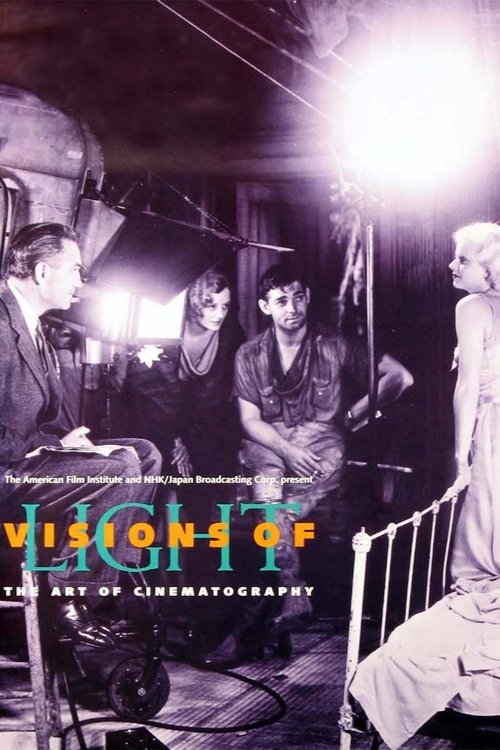
Visions of Light1992
Three cinematographers and various directors discuss how light and camera create meaning in film. It's the same impulse as Dancemaker—artists explaining their invisible grammar to people who want to understand.
But It's fundamentally about technique. If you watch films without thinking about how they're made, you might find it dry.
Not sure tonight? Get a pick in a minute, starting from Dancemaker
The wildcard
Something you would not have found on your own.
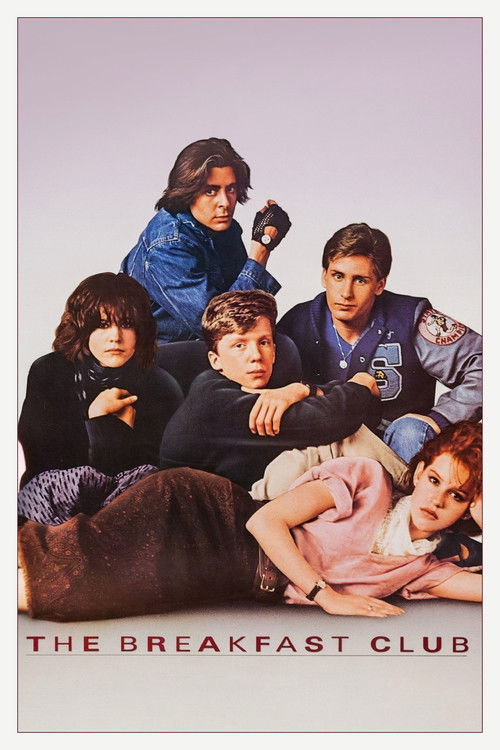
The Breakfast Club1985
Both films believe that watching people change their minds—about art, about each other—is the whole story. The medium is observation, the subject is transformation.
Five teenagers in detention, one day, watching each other's guards come down. John Hughes holds the camera static while real human friction and understanding unfold. Like Dancemaker, it's a masterclass in people learning to see each other.
But It's a teen drama from the 80s with dated fashion. If you assume it's sentimental, you'll miss what's actually happening.
More like this (5)
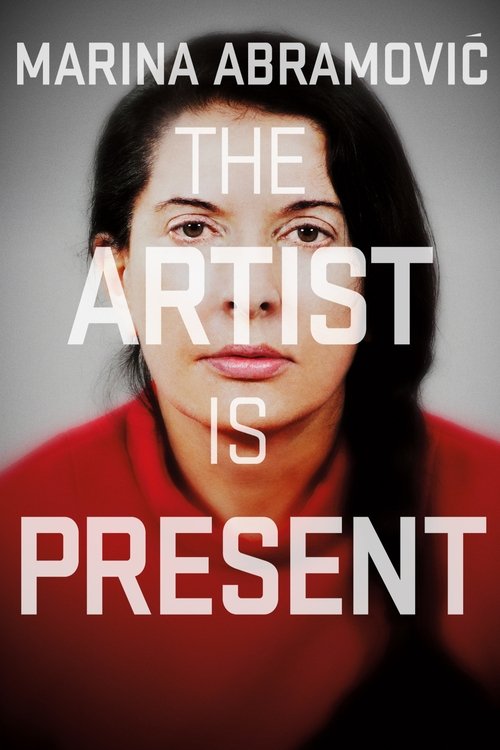
Marina Abramović: The Artist Is Present2012
Like Dancemaker, it follows one artist preparing a major work while unpacking decades of practice. It captures the sometimes difficult relationship between creator and collaborators.
But You may find Abramović's self-seriousness alienating. Some sequences feel self-congratulatory.
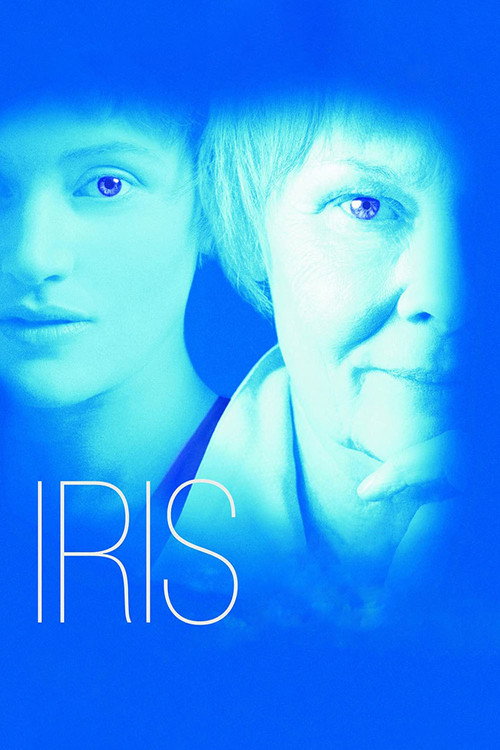
Iris2001
Documentary portrait of photographer Iris Apfel at ninety-seven, full of archived images and personal archive. It celebrates a life of passionate collecting and singular vision.
But It's gentler and less investigative than Dancemaker. Some may find it a style piece rather than substantive.
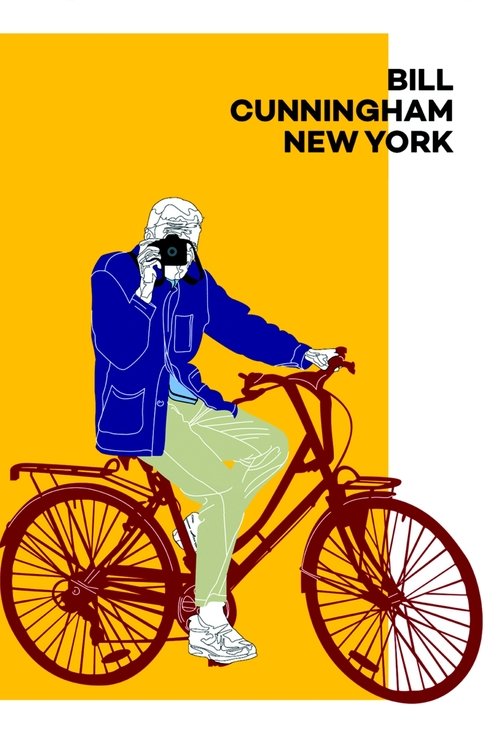
Bill Cunningham New York2011
Richard Press follows the New York Times photographer on his daily rounds. It's a portrait of someone utterly committed to their craft, working outside the mainstream.
But The pace is slow and observational. Without genuine curiosity about Cunningham's life, you'll be checking your watch.
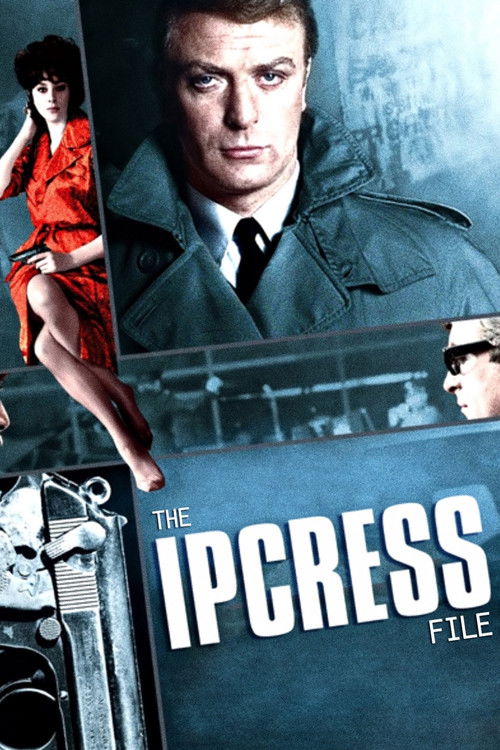
The Ipcress File1965
Both use formal repetition as content. Dancemaker shows Taylor drilling sequences until they live in the body; Ipcress shows the same mechanism used as a weapon. Obsession through repetition is the engine of both.
Sidney Furie's spy film is a visual argument: brainwashing through repetition, hypnotic patterns, the way a body can be programmed. It's cerebral, stylized, and about control. Len Deighton adapted his own novel; the film becomes the method.
But It's cold and slow by modern standards. The 1960s spy genre appeals to a specific taste. Plot takes a backseat to mood.
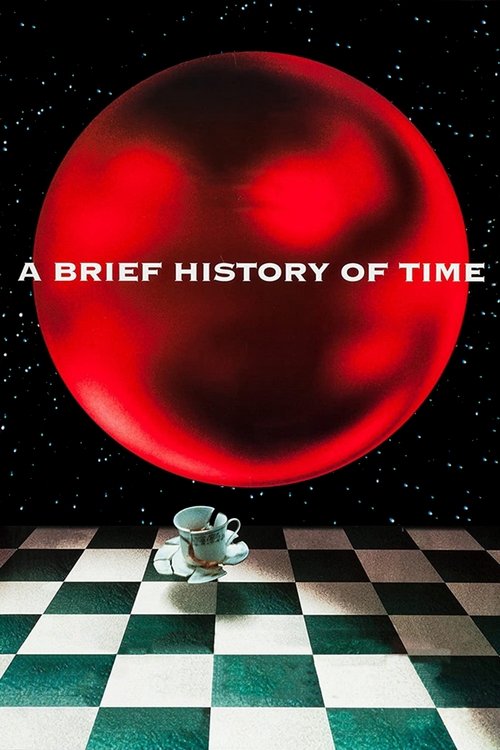
A Brief History of Time1991
Both are about genius at work—not genius as mythology, but the actual labor of explaining what you see. Taylor invents movement; Hawking invents language for the invisible. The documentary form honors both as people thinking aloud.
Errol Morris films Stephen Hawking trying to explain black holes, gravity, the shape of the universe. Mostly Hawking's talking head with visual illustrations, but the film somehow makes physics into portraiture—a mind working at the edge of human understanding.
But It's dense and occasionally impenetrable. You will not walk out understanding cosmology. Long stretches are static.
People
Directing
- Matthew DiamondDirector
Production
- Jerry KupferProducer