
Film
Dust in the Wind
Hou Hsiao-hsien's tender portrait of two young people from a dying mining town trying to build a life together in Taipei. Shot with the director's signature long takes and naturalistic restraint, it's a film about how love persists even as circumstances conspire against it. For anyone moved by quiet observation of ordinary life and the bittersweet inevitability of time.
Should you watch it?
Watch it if you like romances that unfold through quiet observation, where feeling lives in glances, shared meals and rain on a window rather than in dialogue or plot turns.
Skip it if you need a story that moves forward, since long static shots and sparse dialogue can make its drift feel like waiting for a plot that keeps its distance.
What it asks of you: Its pace is unhurried across just under two hours, with scenes that linger on ordinary routines and reward quiet attention rather than plot momentum.
Not sure? Find tonight's pick in a minute.
If you liked this
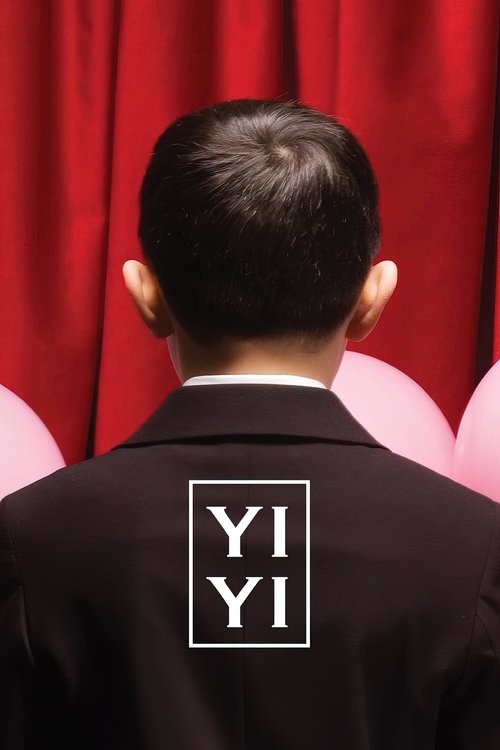
Yi Yi2000
Edward Yang's three-hour meditation on family, memory, and what we fail to see in each other. Like Dust in the Wind, it prizes patience and glimpses of grace in everyday moments, building emotional weight through accumulation rather than drama.
But Its length and lack of conventional plot momentum can feel static. The film trusts you to find meaning in small gestures, which demands active watching.
Mulholland Drive2001
Lynch's study of ambition, desire, and the gap between who we think we are and who we become. Both films understand that romance isn't always about triumph; sometimes it's about incompatibility and timing.
But Deliberately cryptic structure and dreamlike logic. If you want clarity, this will frustrate you.

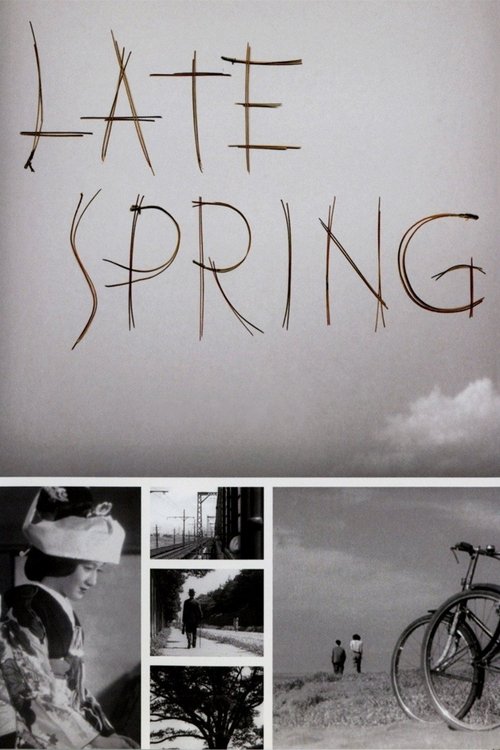
Late Spring1949
Ozu's masterpiece about a father and daughter in postwar Japan, brimming with the same quiet melancholy as Dust in the Wind. Both explore duty, family, and the slow recognition that life doesn't go as we imagined.
But Shot in static frames with minimal camera movement. The pacing is meditative to the point of being mournful.
Not sure tonight? Get a pick in a minute, starting from Dust in the Wind
The wildcard
Something you would not have found on your own.
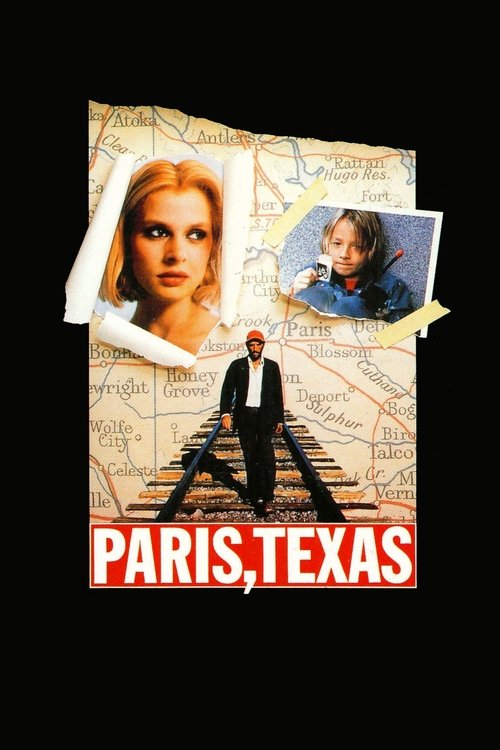
Paris, Texas1984
Both explore the gap between loving someone and being able to stay with them, but Wenders examines what happens when that gap becomes a chasm.
Wim Wenders' devastated masterpiece about a man returning from the desert to confront the wreckage of his marriage and love. Like Dust in the Wind, it's a film about the failure of love despite genuine devotion—but where Hou finds grace in resignation, Wenders finds only damage. The emotional register is much darker, the wound still open.
But Bleak to the point of being almost unwatchable. The famous scene is excruciating. Not a film you watch for comfort.
More like this (8)
Before Sunrise1995
Richard Linklater follows two strangers through a single Vienna night. Like Hou's film, it's built on conversation and the delicate tension between connection and circumstance, proving that restraint can be devastatingly romantic.
But Almost entirely dialogue-driven with no plot to speak of. If you need external conflict or resolution, you'll find it slim.

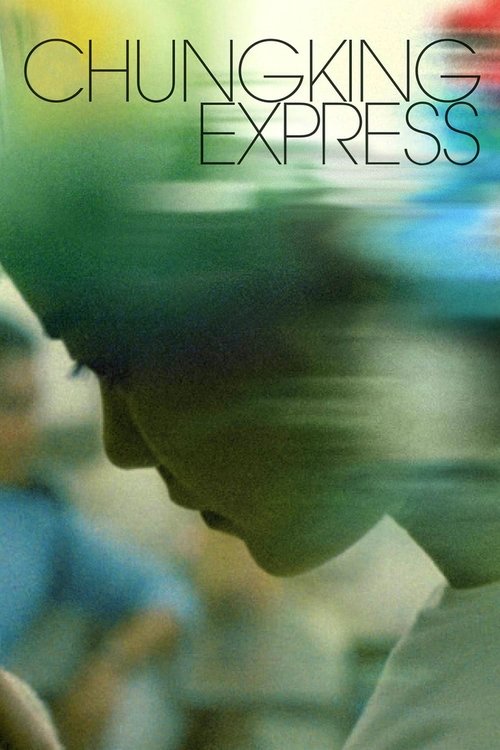
Chungking Express1994
Wong Kar-wai's neon-soaked meditation on loneliness and missed connections in Hong Kong. Both films capture how love can be present and unattainable at the same time, though Wong uses color and movement where Hou uses stillness.
But Wildly different aesthetic—maximalist where Hou is minimal. The style can overshadow the emotional core.
A Ghost Story2017
David Lowery's haunting film about time, memory, and how we fail to hold onto each other. It shares Dust in the Wind's belief that the small domestic moments are where life actually happens.
But Conceptually strange and genuinely unsettling. Not comforting, even in its gentleness.

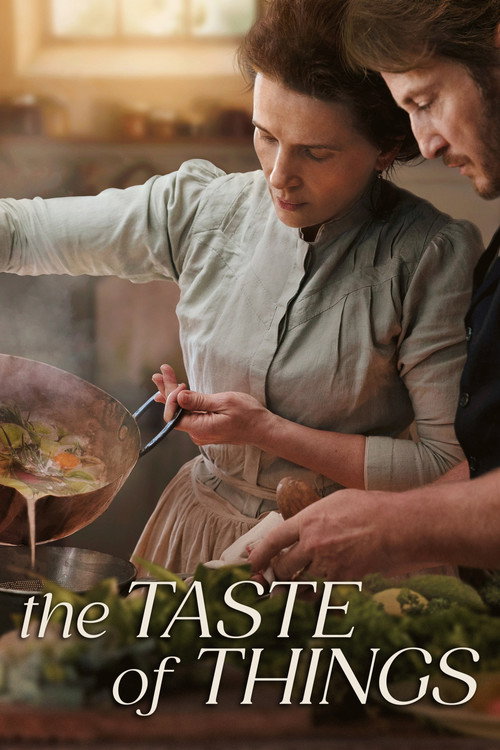
The Taste of Things2023
Trần Anh Hùng's rapturous film about a retired chef and his housekeeper's unspoken love. Like Hou, it understands that the deepest connections are often wordless, found in daily ritual and presence.
But Almost entirely concerned with food preparation and domestic routine. The absence of conventional narrative beats can feel aimless.
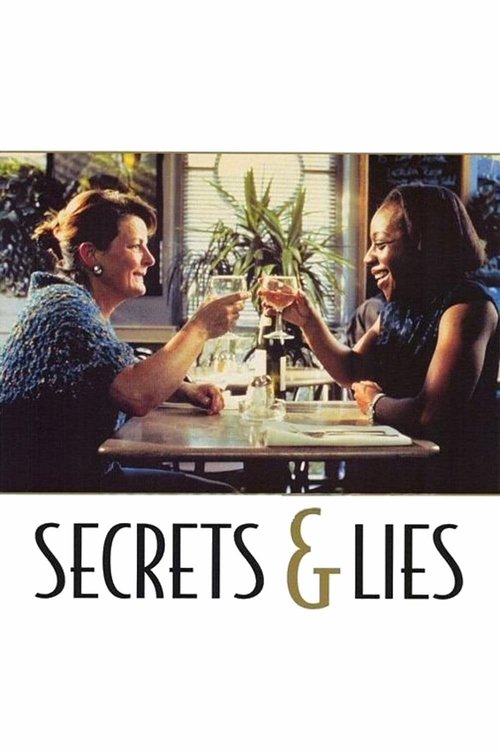
Secrets & Lies1996
Mike Leigh's ensemble piece about family, class, and the distance between people who love each other. Both films suggest that being close to someone doesn't guarantee understanding them.
But Leigh's characters can be so flawed and petty they're hard to root for. The emotional exhaustion is deliberate.
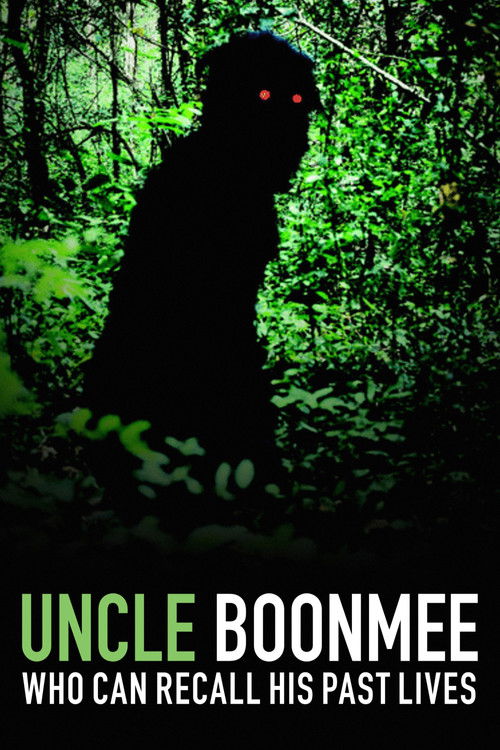
Uncle Boonmee Who Can Recall His Past Lives2010
Apichatpong Weerasethakul's slow, meditative film about memory and mortality in rural Thailand. It shares Hou's interest in time as a lived experience rather than a plot device, and the way regret settles into a life.
But Glacially paced. Ghosts appear without fanfare. If you're watching for narrative momentum, you'll be disappointed.
Harakiri1962
Both films understand that individual desire means almost nothing against the machinery of circumstance. Hou finds this sad; Kobayashi finds it tragic and infuriating.
Masaki Kobayashi's black-and-white samurai tragedy about a young man caught between honor and survival in a brutally indifferent system. Like Dust in the Wind, it's about fate and the forces beyond individual will—but it explodes them into violence instead of melancholy. Visually stunning and morally savage.
But Deliberately cruel. The pacing is glacial, building toward an act of violence that's staged as both ritual and horror. Beautiful and punishing.

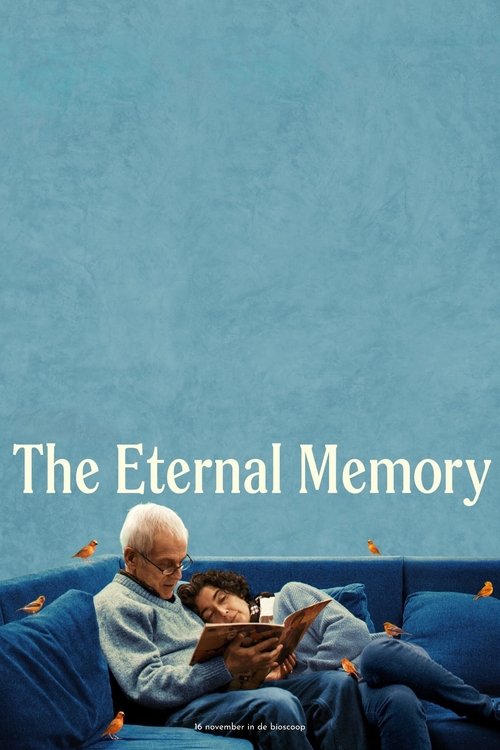
The Eternal Memory2023
Both insist that the work of loving someone—showing up, staying present—matters more than the romantic fantasy. But this film finds hope where Hou finds acceptance.
Julio Medem's documentary about two Chilean activists whose marriage survives as one partner gradually loses his memory to Alzheimer's. Shot with tenderness and formal invention, it's about love as a practice rather than a feeling. Joyful where Dust in the Wind is resigned, but both understand commitment beyond sentiment.
But A documentary about dementia and loss. Beautiful, but the subject matter is difficult. It doesn't resolve into comfort.
People
Cast
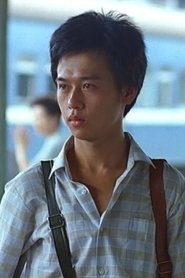
 Hsin Shu-FenJiang Suyun
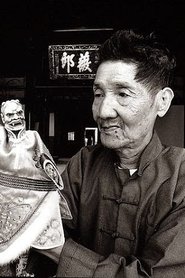 Li Tian-LuGrandpa
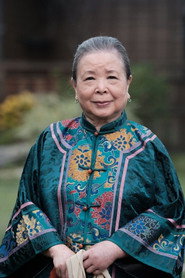 Mei FangWan's Mother
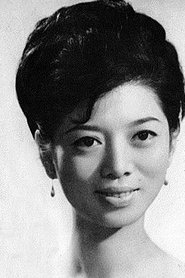 Grace Chen Shu-FangJiang Suyun's Mother
 Yang Li-yinYing
 Lawrence KoMrs. Lin's Son
 Danny DengCounselor Chief
 Wu Ping-nanFreight Forwarding Boss
Directing
- Hou Hsiao-hsienDirector
Writing
- Chu Tien-WenWriter
- Wu Nien-jenWriter
Production
- Hui San-ChiProducer