
Film
In the Aftermath
A 1988 animated sci-fi film set in a post-apocalyptic wasteland where two soldiers encounter a mysterious angelic girl carrying an alien egg. Blending gritty survival narrative with metaphysical wonder, it's a small, strange, deliberately paced film that trusts its audience to sit with ambiguity and mood. For viewers drawn to experimental animation and speculative fiction willing to take real risks.
Should you watch it?
Watch it if you like animation that treats its images as a mood rather than a gag, and you're happy to sit with bleak, dreamlike imagery where the feeling counts for more than the plot.
Skip it if you need brisk pacing or clear explanations, since its dreamy, unexplained imagery leaves a lot for you to piece together yourself.
What it asks of you: Seventy-two minutes is a brief sitting, but it wants you to stay with mood and symbol over tidy plot, and to accept dark, unhurried stretches.
Not sure? Find tonight's pick in a minute.
If you liked this
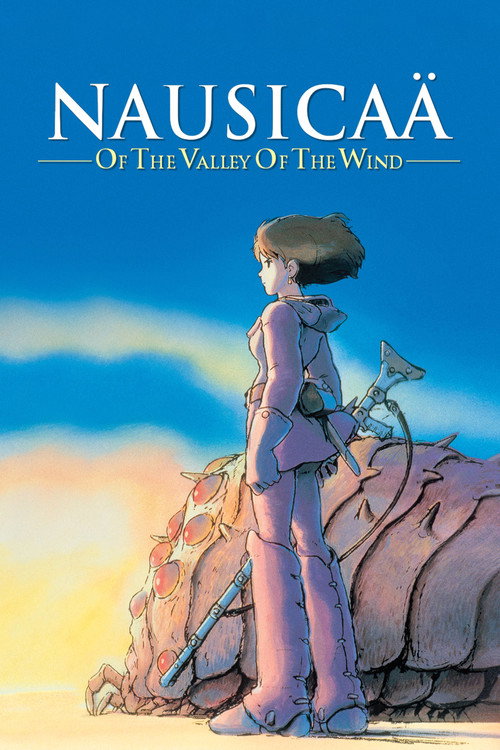
Warriors of the Wind1984
Post-apocalyptic world, hand-drawn animation, a young woman connected to nature's mysteries, and genuine stakes. Miyazaki's masterpiece shares the meditative pacing and environmental dread that makes In the Aftermath linger.
But Much longer and denser; if you want something quick and strange rather than epic and layered, this will feel slower.
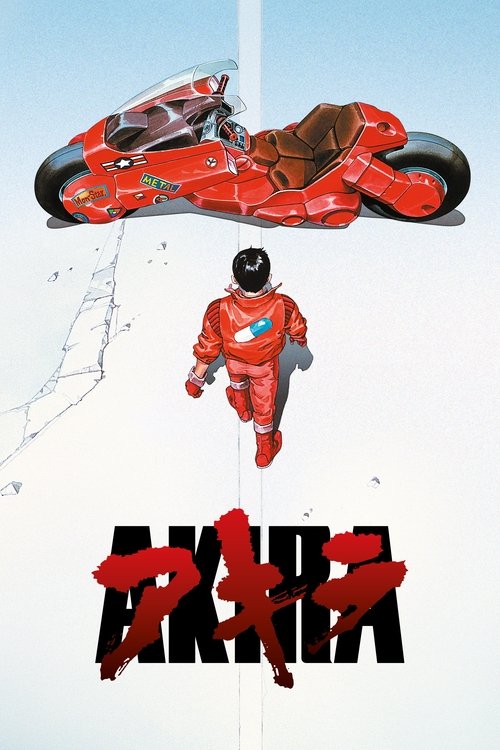
Akira1988
Released just before In the Aftermath, this cyberpunk animation captures the same era's hunger to show what animation could do—grimy, violent, visually uncompromising, asking big questions about power and transformation.
But Harder to follow and more aggressively pessimistic. If you want ambiguity and spiritual possibility, Akira's nihilism might exhaust you.
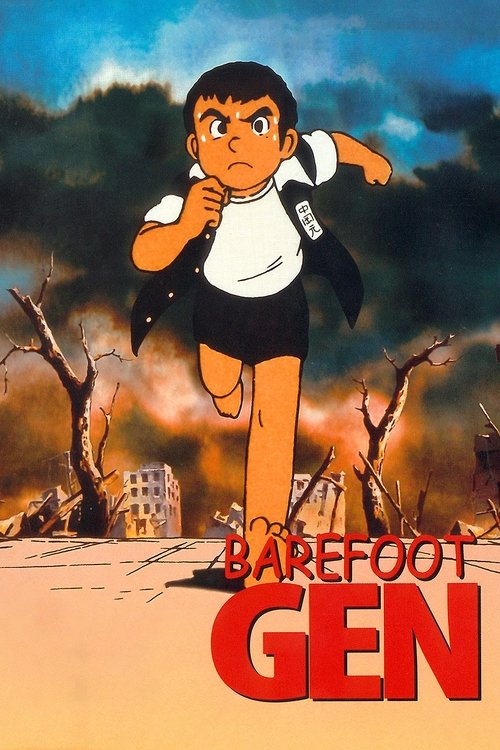
Barefoot Gen1983
Hand-animated survival story set in a scarred world, dealing with trauma and wonder side by side. Same willingness to honor both the devastated and the hopeful, without false comfort.
But Focuses on real historical horror rather than science fiction; much darker in its emotional register, less fantastical.
Not sure tonight? Get a pick in a minute, starting from In the Aftermath
The wildcard
Something you would not have found on your own.
Come and See1985
Both films use a young person's presence as a mirror to spiritual transformation in devastated spaces. Come and See shows what happens when the world actually breaks; In the Aftermath asks if something sacred can survive the breaking.
A Belarusian war film shot in documentary-realist style that becomes increasingly visionary and nightmarish. The transformation of a boy from innocence into witness parallels Frank's haunting, but through absolute historical specificity rather than alien metaphor.
But Unrelenting depiction of real violence and atrocity; this is not speculative but documented horror. The register is brutal rather than meditative.

More like this (8)
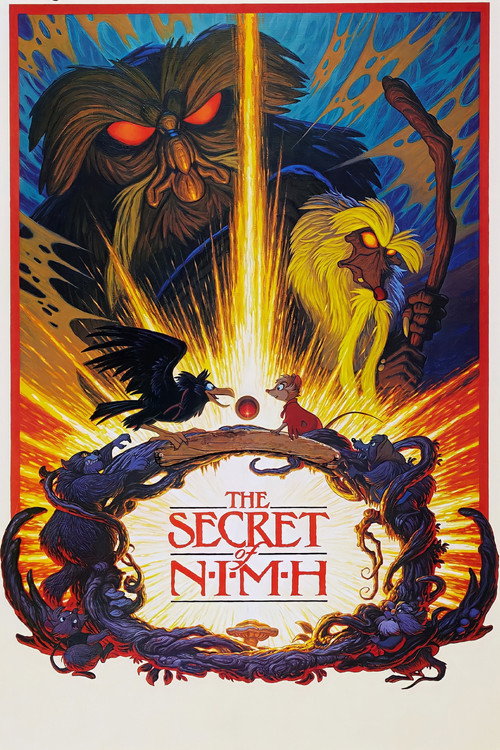
The Secret of NIMH1982
A mother's quest in a world of danger, animation that swings between beauty and menace, and a genuine spiritual mystery at its heart. Similar blend of action and metaphysical strangeness.
But It's fundamentally gentler and more family-film in its resolution. Less willing to leave you uncertain.
Stalker1979
A long, meditative science-fiction film about journeying into a mysterious zone with unclear rules and spiritual weight. Tarkovsky's patient camera mirrors In the Aftermath's trust in silence and mood.
But Live-action, Russian, three-plus hours, and almost plotless by conventional standards. If you want something tight and animated, this tests patience differently.

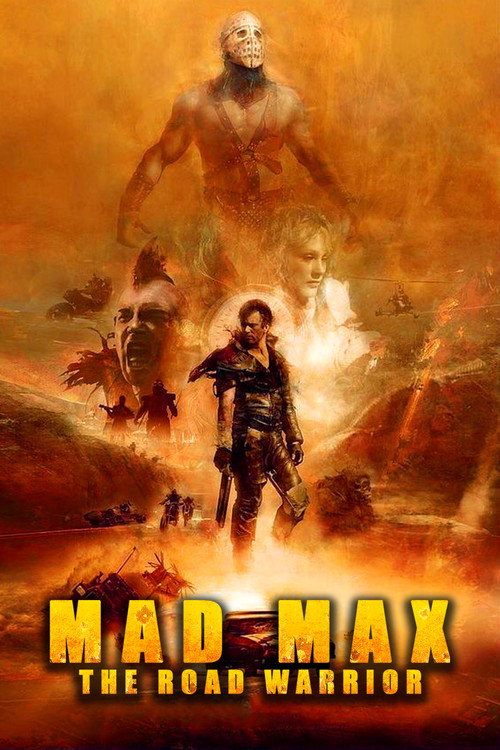
Mad Max 21981
Wasteland survival, visual storytelling over exposition, a strange spiritual undercurrent beneath the violence. More kinetic than In the Aftermath, but same DNA.
But Action-driven and extroverted where In the Aftermath is interior. If you loved the quiet weirdness, the non-stop momentum might feel hollow.
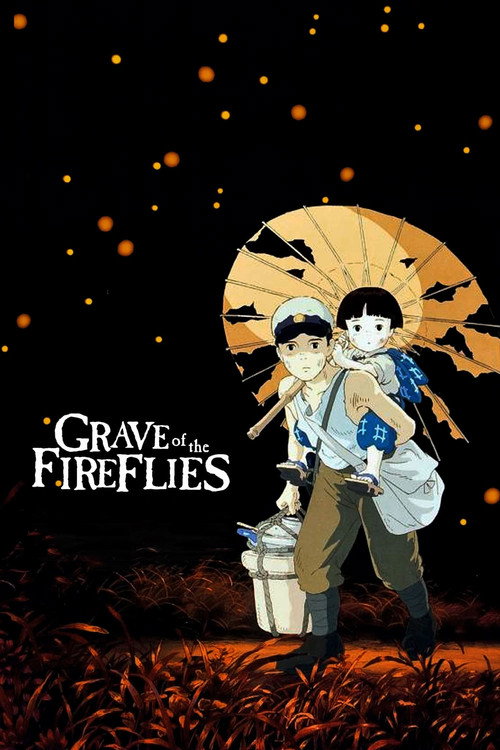
Grave of the Fireflies1988
Released the same year, this animated film also melds apocalyptic survival with haunting beauty and the presence of a young person who carries symbolic weight. Devastating emotional core.
But Devastating is an understatement. This is grief without resolution, and emotionally much heavier than In the Aftermath's mysterious tone.
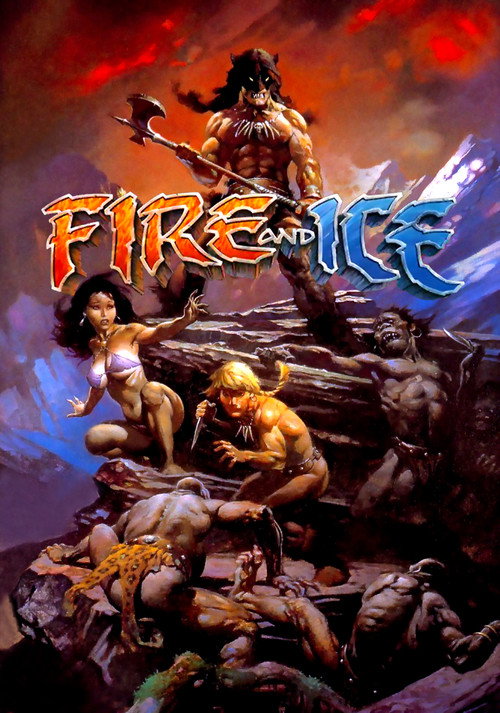
Fire and Ice1983
Ralph Bakshi's rotoscoped fantasy about survival in a dying world, with visual ambition that reached beyond the budget. Strange and uncanny in a way that respects the viewer's imagination.
But Rotoscope animation looks eerie in ways some find dated or difficult. The plot is thinner than the atmosphere.
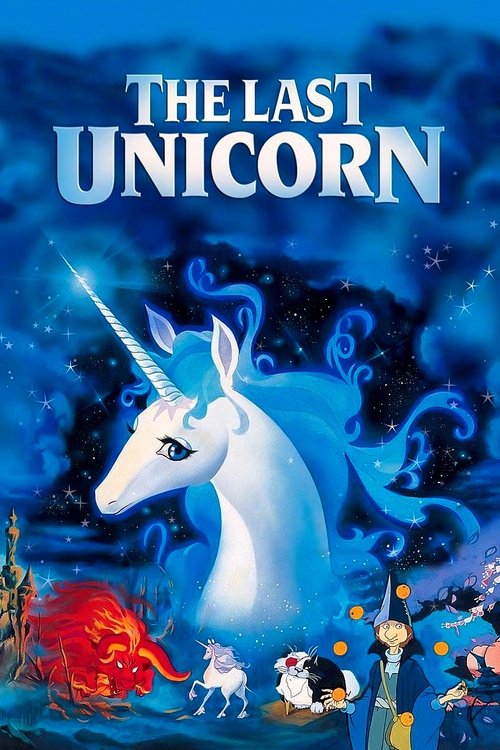
The Last Unicorn1982
Animated fantasy with a melancholic, searching protagonist in a world that's fading. Small budget, big spiritual questions, willingness to be slow and strange.
But Aimed at children but unsettling for them; might feel too gentle if you're craving hard sci-fi, or too sad if you want real escapism.
Paprika2006
Both films trust animation to explore states of consciousness that live-action cannot. Both have eggs (literally, figuratively) as objects of mysterious significance at their center.
A feature-length anime that begins grounded and dissolves into pure visual chaos—technology, dreams, and reality bleeding together. That same balance of narrative clarity and metaphysical weirdness, but far more joyous and hallucinatory.
But Wildly different tone: colorful, maximalist, almost manic where In the Aftermath is austere. Much newer, and the anime style is more conventionally appealing but less durably strange.

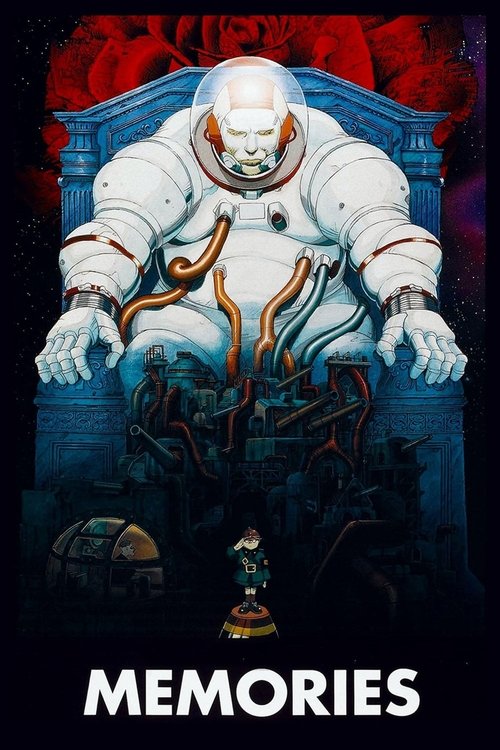
Memories1995
Both are short anime films that reject spectacle in favor of conceptual weight. Both believe animation should grapple with existential questions rather than entertain. Both trust silence.
A three-part anime anthology by Satoshi Kon. Each segment is radically different, but all share In the Aftermath's willingness to be oblique, its small scale, and its sense that animation can be serious science fiction. The middle segment is post-apocalyptic dread; the last is transcendence.
But It's an anthology, so tone whiplash is intentional. If you want one unified emotional experience rather than three sharp philosophical provocations, the jumps will frustrate.
People
Cast
 Tony MarkesFrank
- Rainbow DolanAngel
- Kenneth McCabeGoose
- Kurtiss J. TewsPsycho Soldier
- Bryan EllenburgSoldier
 Ian RuskinJonathan (voice)
- Lisa MaxwellOlder Angel (voice)
- Filiz TullyDr. Sarah
- Mike HickamOfficer
 Katie LeighAngel (voice)
Directing
- William EwartAssistant Director
- Carl ColpaertDirector
Writing
- Carl ColpaertWriter
- Mamoru OshiiWriter
Production
- William EwartAssociate Producer
- Tom DuganProducer