
Film
Rhapsody in August
- Drama
- Slow-burning
Kurosawa's late masterpiece finds profound humanity in a Nagasaki survivor spending summer with her grandchildren. Gentle and searching rather than didactic, it moves between childhood joy and the weight of historical trauma, asking what forgiveness means when the wound runs this deep. A film about how we carry the past, not a lecture about it.
If you liked this
Tokyo Story1953
Ozu's portrait of an elderly couple visiting family captures the same tender attention to generational difference and unspeakable loss. Quiet, patient, alive to small moments that contain everything.
But The pacing is deliberate to the point of stillness. If you need plot momentum, this will feel like watching paint dry.

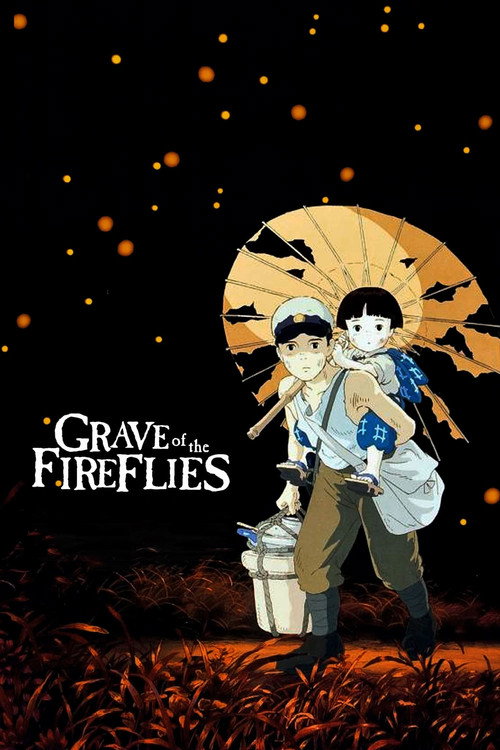
Grave of the Fireflies1988
An animated meditation on childhood during wartime that mirrors Rhapsody's fusion of innocence and devastation. Brutal and heartbreaking but never exploitative—it trusts you to feel without being told how.
But This is one of the most emotionally devastating films ever made. Come prepared to sit with real grief, not catharsis.
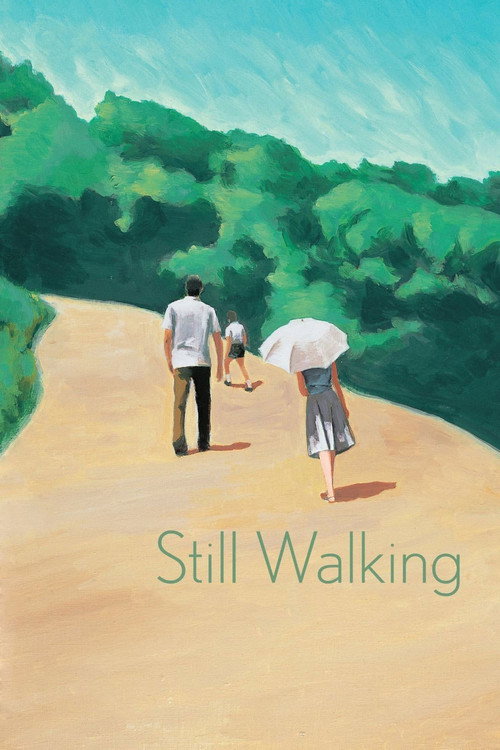
Still Walking2008
Hirokazu Koreeda traces how a family's unhealed loss shapes everything they do and say. Like Rhapsody, it finds the full weight of history in ordinary conversations around a table.
But Nothing dramatic happens. If you're expecting revelation or confrontation, you'll be disappointed by the restraint.
Not sure tonight? Get a pick in a minute, starting from Rhapsody in August
The wildcard
Something you would not have found on your own.
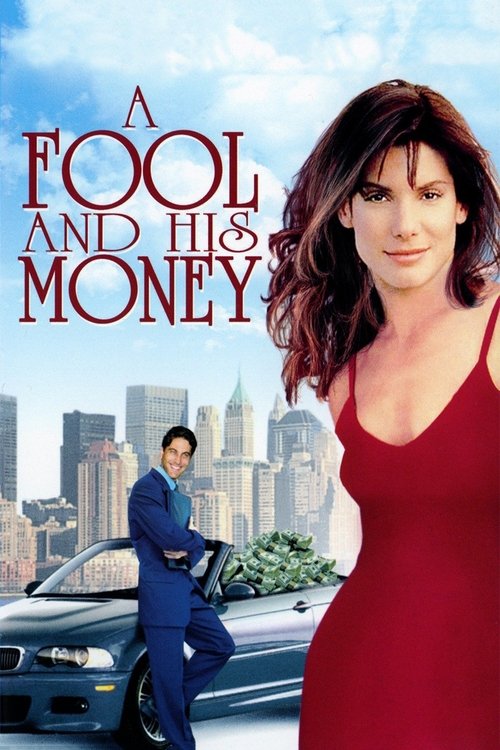
A Fool and His Money1989
Both are rare films interested in the actual fabric of ordinary Japanese life rather than conflict or narrative drama. Forsyth's camera watches with the same patient love Kurosawa brings to his grandmother.
This extraordinary documentary by Bill Forsyth captures a contemporary Japanese fishing village in 1960s Japan—the world Rhapsody's grandmother inhabits. Not about war or trauma, but about the texture of post-war rural life that the film evokes.
But It's a documentary. Forty minutes. Essentially plotless. You're watching people fish and live, which is either profound anthropology or merely observational.
More like this (8)
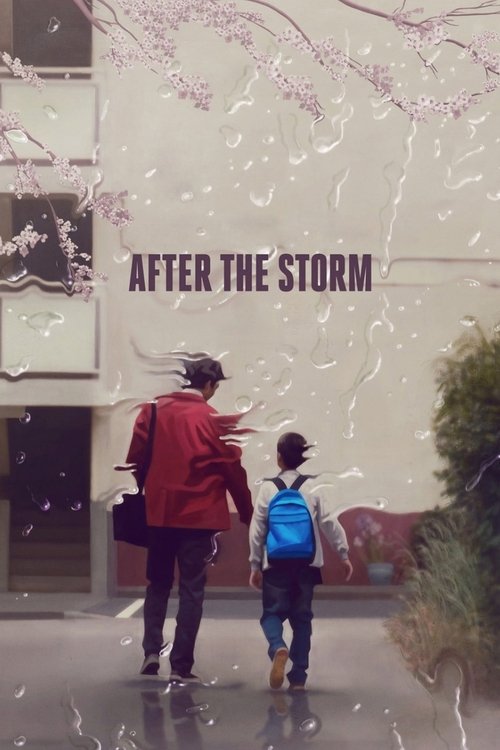
After the Storm2016
Koreeda again, this time watching a father and son reconnect after abandonment and time. The same faith in small gestures and the intelligence of silence to communicate what words cannot.
But Plotless and discursive. It meanders deliberately, which some will read as meandering accidentally.
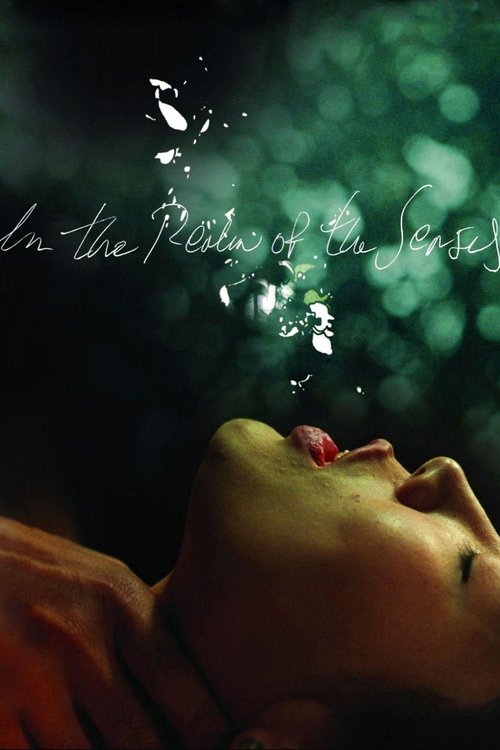
In the Realm of the Senses1976
Nagisa Oshima's controversial masterpiece also centers a Japanese woman recalling wartime through desire and memory. Transgressive where Rhapsody is tender, but equally unflinching about how history lives in the body.
But Explicit sexual content throughout. This is not a film for general audiences, and the transgression is kind of the point.
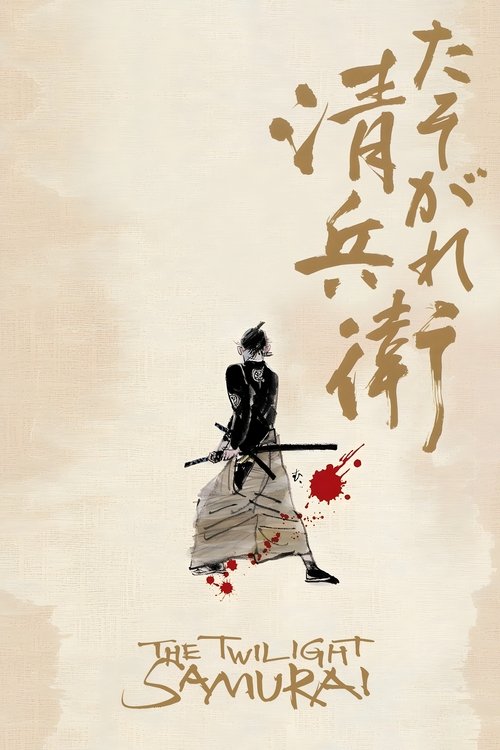
The Twilight Samurai2002
Yoji Yamada's portrait of aging and obsolescence in Meiji Japan shares Rhapsody's elegiac tone. Both films honor lives lived in the shadow of what the world has become.
But Slow-moving and melancholic. If you want entertainment rather than art, look elsewhere.
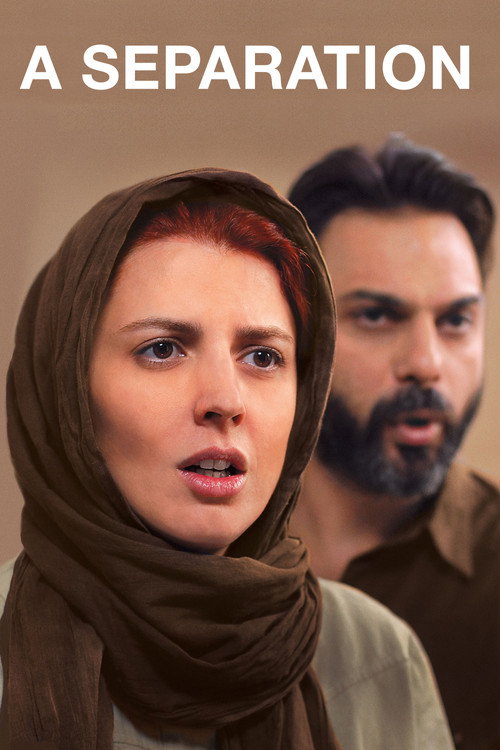
A Separation2011
Asghar Farhadi's masterwork about a family fracturing over fundamental moral questions has the same clarity and compassion. Both films refuse easy answers while respecting everyone's pain.
But Deliberately constructed to make you uncomfortable with no side being clearly right. Some find this frustrating rather than thought-provoking.
Ikiru1952
Kurosawa's own earlier film about a dying man finding meaning—this is the thematic ancestor to Rhapsody. Mortality, legacy, and the quiet dignity of a life lived.
But At 143 minutes, it's a commitment. And the emotional payload is enormous; you cannot watch this casually.

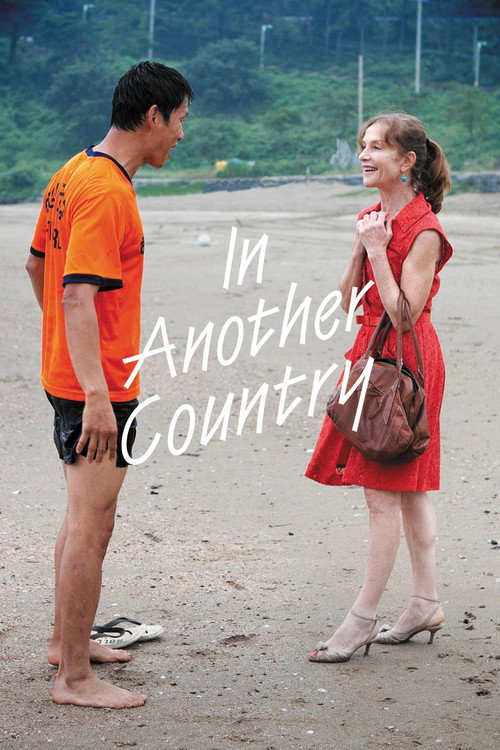
In Another Country2012
Hong Sangsoo's film about a woman returning to a place of trauma finds grace in repetition and acceptance. Light where Rhapsody is solemn, but the architecture of memory and forgetting is identical.
But Deliberately oblique and playful about narrative. If you want straightforwardness, the elliptical style will seem evasive rather than subtle.
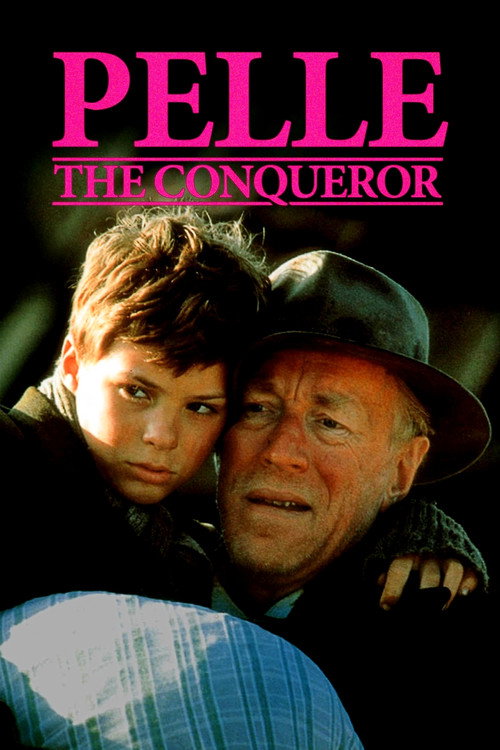
Pelle the Conqueror1987
Both are about how trauma passes between generations and whether love can survive that transmission. August shoots through narrative scope what Kurosawa achieves through stillness.
Bille August's epic about a Swedish immigrant father and son in Denmark is formally opposite to Rhapsody—sweeping where it's intimate—but asks the identical question: what do we owe the young when we carry such damage?
But Nearly three hours of hardship and emotional wreckage. The film's beauty emerges from refusing to soften its world.
Synecdoche, New York2008
Both are about the gap between what happened and what can be said or shown about it. The grandson cannot truly know his grandmother's August 9th, 1945. Kaufman's protagonist cannot truly stage his life. Same impasse, opposite aesthetic.
Charlie Kaufman's labyrinthine meditation on memory, performance, and what we leave behind is nothing like Rhapsody in surface, but both films are ultimately about the impossibility of authentically capturing or communicating lived experience. Kaufman's formal chaos serves the same purpose as Kurosawa's quietness.
But Bewilderingly complex, sometimes pretentious, often painful to watch. If you need clarity or reassurance, this offers neither.

People
Cast
 Sachiko MuraseKane (The Grandmother)
 Hidetaka YoshiokaTateo
 Tomoko OtakaraTami
- Mieko SuzukiMinako
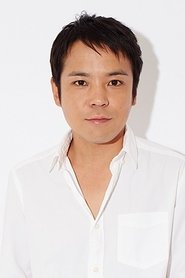 Mitsunori IsakiShinjiro
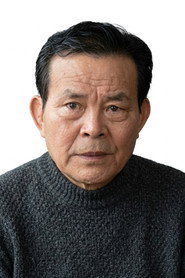 Hisashi IgawaTadao
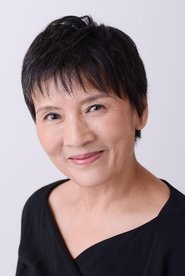 Toshie NegishiKane's daughter
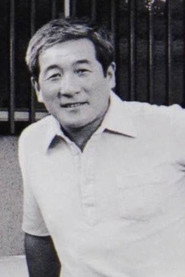 Chōichirō KawarasakiNoboru
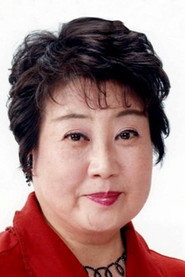 Narumi KayashimaMachino
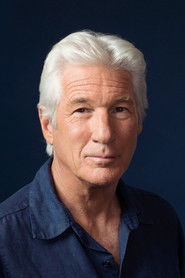 Richard GereClark (Kane's Nephew)
Directing
- Ishirō HondaAssistant Director
- Naohito SakaiAssistant Director
- Okihiro YonedaAssistant Director
- Takashi KoizumiAssistant Director
- Toru TanakaAssistant Director
- Tsuyoshi SuginoAssistant Director
- Vittorio Dalle OreAssistant Director
- Akira KurosawaDirector
Writing
- Kiyoko MurataNovel
- Akira KurosawaScreenplay
- Ishirō HondaScreenplay
Production
- Toru OkuyamaExecutive Producer
- Hisao KurosawaProducer
- Teruyo NogamiProduction Manager