
Film
The Twilight Samurai
- Period drama
- Slow-burning
A samurai film almost entirely without swordplay, until it can't avoid one. Seibei is poor, exhausted, and more interested in his daughters' homework than his sword. Yoji Yamada strips the genre down to grocery bills, grief, and quiet decency, and finds more tension in a man doing the right thing than most films find in a duel. Patient, tender, unexpectedly moving.
Should you watch it?
Watch it if you care more about quiet, precise craft than plot momentum, and you're moved by a story where restraint and duty press against tenderness until every small gesture carries weight.
Skip it if you need brisk pacing or big set-piece action, since long stretches are spent on domestic routine, and the swordplay, when it arrives, is sparing rather than the main attraction.
What it asks of you: It asks for patience and a settled evening, moving at an unhurried pace through ordinary days, with a melancholy tone that lingers rather than rushes toward resolution.
Not sure? Find tonight's pick in a minute.
If you liked this
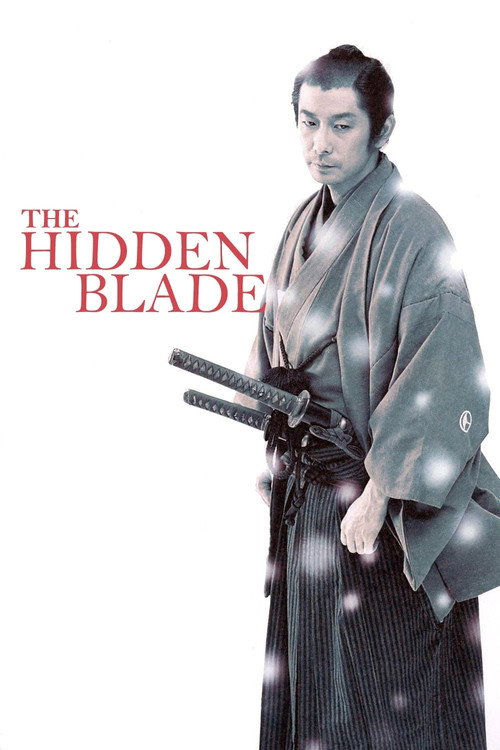
The Hidden Blade2004
Yamada's own follow-up, same trilogy of unglamorous samurai stuck between duty and decency. Another lowly retainer, another impossible order, the same unhurried compassion for ordinary men trapped by rank.
But If you found Twilight Samurai's pacing slow, this is cut from identical cloth — patient to a fault.
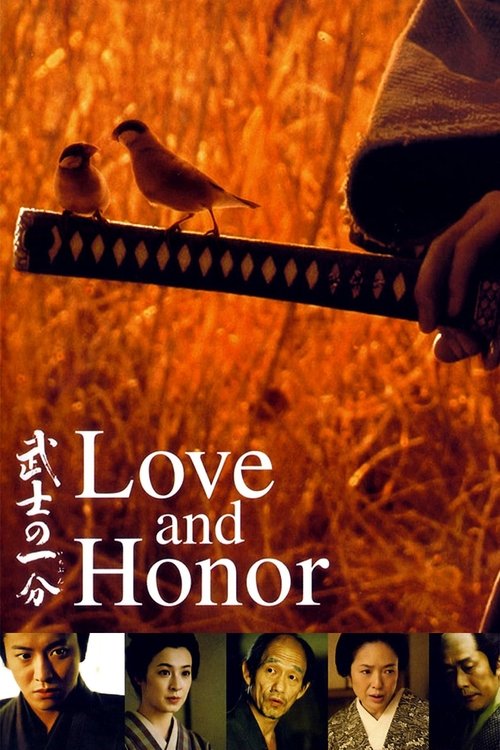
Love and Honor2006
The third film in Yamada's loose trilogy, this time about a blind samurai and the wife who feeds and protects him. Same tender attention to marriage, class, and quiet sacrifice.
But Slightly more melodramatic than the other two — if you loved the restraint here, this leans a touch harder into tears.
Harakiri1962
The same low-ranking-samurai poverty and bureaucratic cruelty, but furious instead of gentle. A masterclass in how the samurai code can be a trap rather than an honour.
But Considerably colder and angrier — this is a film with teeth, not a lullaby.

Not sure tonight? Get a pick in a minute, starting from The Twilight Samurai
The wildcard
Something you would not have found on your own.
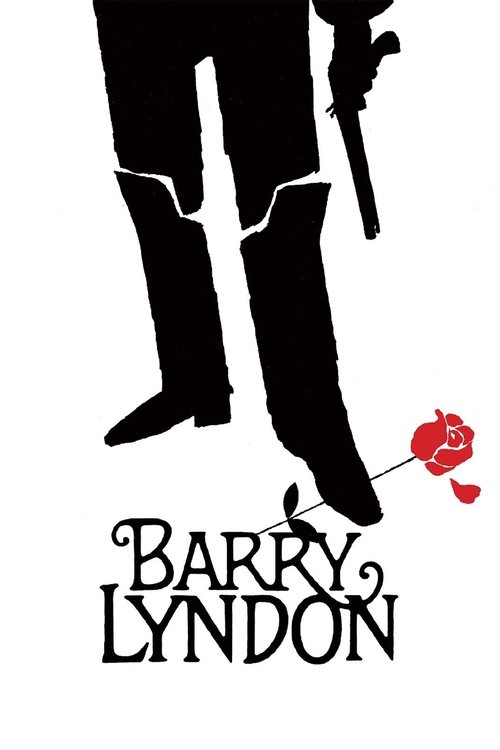
Barry Lyndon1975
Same engine entirely different costume: a man of low rank navigating an inflexible social order for love and survival, told with the same unhurried, formal patience — just moved from Edo Japan to 18th-century Europe.
Kubrick's stately, gorgeous account of a low-born man trying to climb a rigid class system through marriage and cunning — formal, patient, and quietly devastating in exactly Yamada's register.
But Three hours, glacially paced, deliberately cold — Kubrick withholds warmth where Yamada offers it freely.
More like this (8)
Ikiru1952
Kurosawa's quiet study of an unremarkable bureaucrat trying to find meaning before he dies. The same interest in small dignity over grand heroism, decades earlier.
But No swordplay, no period setting — pure modern-dress melancholy, which some find a harder watch.

Tokyo Story1953
Ozu's aging parents visiting indifferent children shares Twilight Samurai's stillness and its ache for a fading way of life passing quietly, without drama, right in front of you.
But Almost nothing happens by plot standards — it's all in glances and silences, which can test patience.

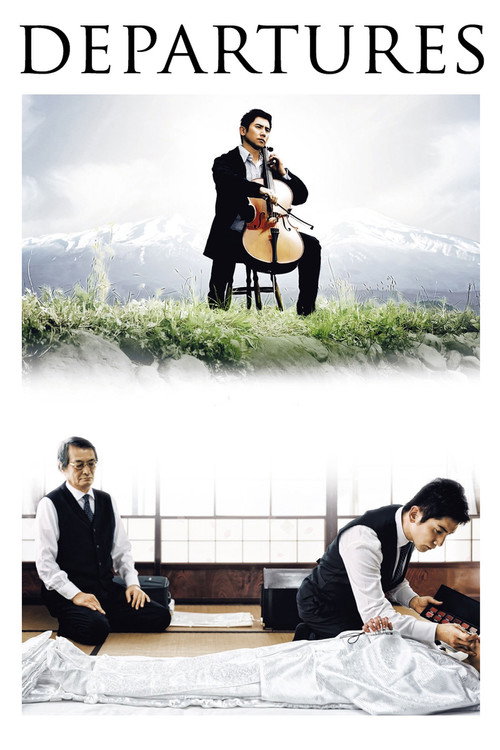
Departures2008
A man forced into undignified, low-status work discovers unexpected grace in it — same quiet dignity-in-humility that makes Seibei's poverty so moving.
But Deals directly with death and ritual, so it's a heavier, more overtly emotional watch.
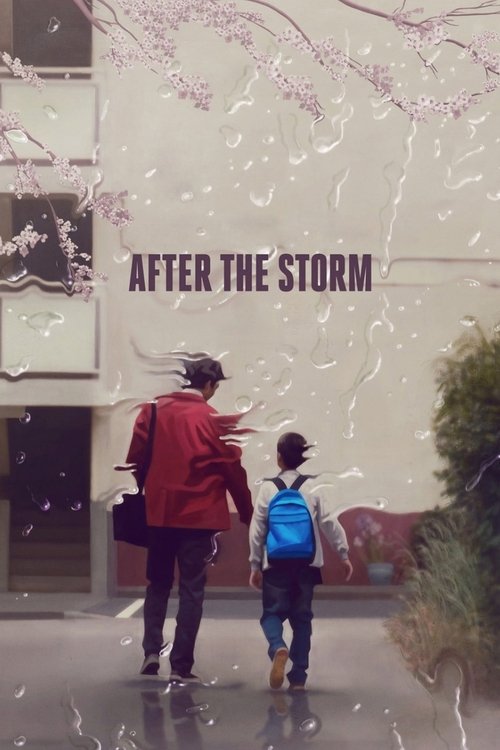
After the Storm2016
Kore-eda's tale of a failing, broke, well-meaning father has the same texture — a man trying to be decent within his limitations, told with warmth rather than judgment.
But Contemporary and dialogue-driven, with none of the period atmosphere or restraint that gives Twilight Samurai its weight.
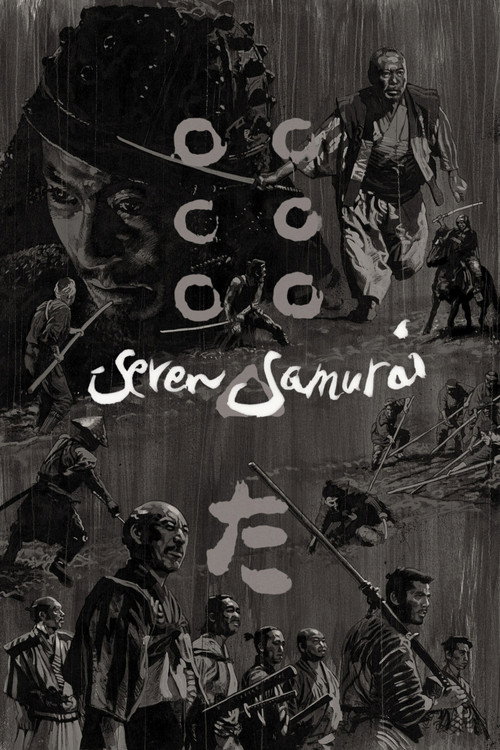
Seven Samurai1954
The genre's founding epic, and a useful contrast: here samurai are heroic and mythic, which makes Yamada's later insistence on the ordinary and the broke feel even more radical.
But Three and a half hours of action-forward filmmaking — nothing like the domestic hush you just watched.
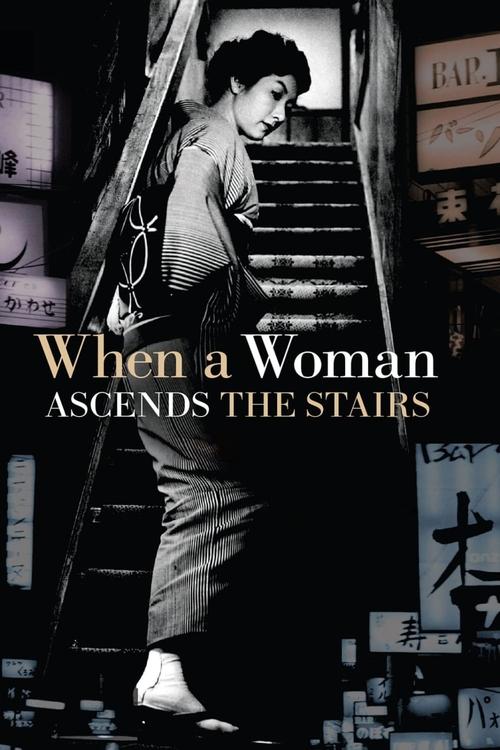
When a Woman Ascends the Stairs1960
A Ginza bar hostess boxed in by class and obligation, told with the same unshowy melancholy — social constraint as quiet tragedy rather than plot device.
But Postwar Tokyo nightlife instead of feudal poverty, and a female lens throughout — a real tonal shift despite the shared ache.
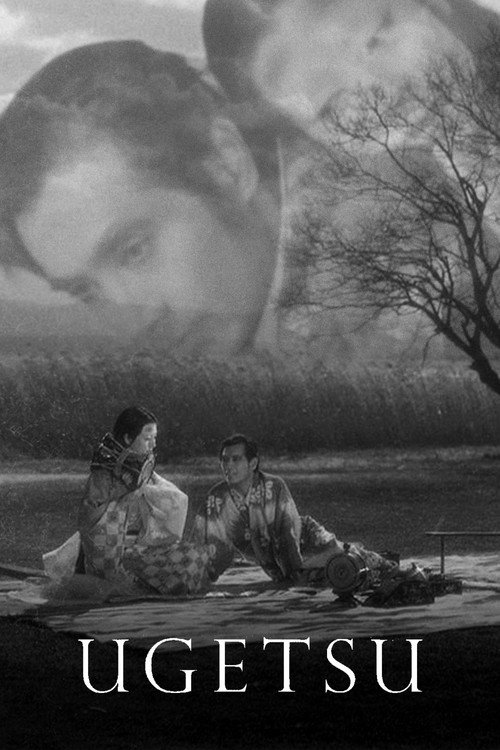
Ugetsu1953
Same setting, same class anxieties and wartime poverty, but the domestic drama curdles into the uncanny — a reminder that this era of Japanese cinema could tell the same story as folklore, not just realism.
Mizoguchi's ghost story is set in the same feudal Japan, ravaged by war and poverty, but tips into the supernatural — greed and desire literally haunting the living.
But The ghost-story turn is a genuine tonal swerve; if you wanted more of Twilight Samurai's realism, this drifts elsewhere.
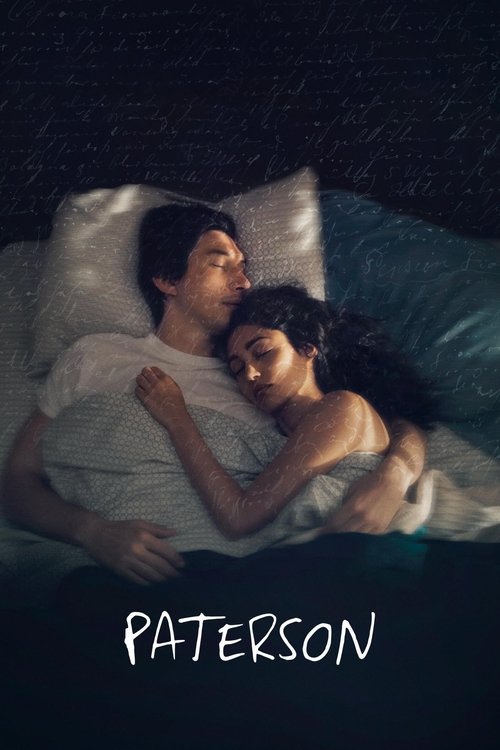
Paterson2016
Strip away the samurai, the century, and the country, and you're left with the same idea Yamada is chasing: an unremarkable man's daily decency is worth a whole film's attention.
Jim Jarmusch's ode to an ordinary bus-driving poet finds enormous dignity in routine, small kindness, and a quiet, undramatic life — no swords, no history, same soul.
But Almost plotless and deliberately uneventful, set in present-day New Jersey — a jarring leap from period Japan for anyone expecting drama.
People
Cast
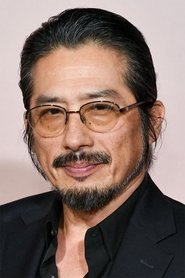 Hiroyuki SanadaSeibei Iguchi
 Rie MiyazawaTomoe Iinuma
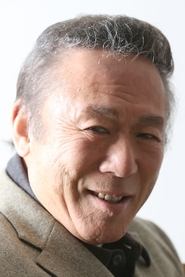 Nenji KobayashiChoubei Kusaka
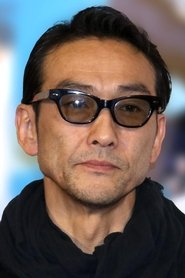 Mitsuru FukikoshiMichinojo Iinuma
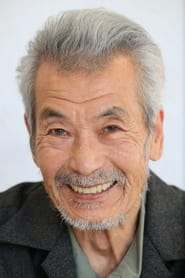 Min TanakaZenemon Yogo
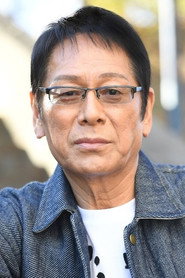 Ren OsugiToyotaro Koda
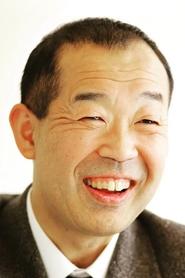 Hiroshi KanbeNaota
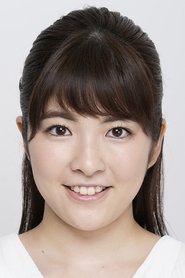 Miki ItoKayano Iguchi
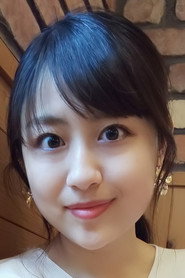 Ito SenbaIto Iguchi
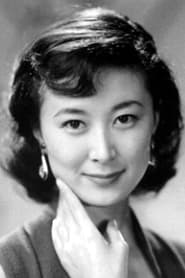 Keiko KishiOlder Ito Iguchi
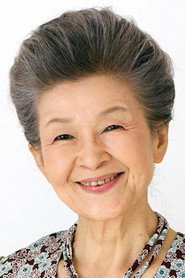 Reiko KusamuraKinu Iguchi
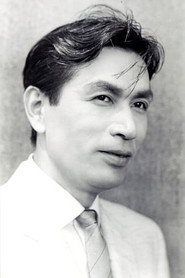 Tetsuro TambaTozaemon Iguchi
Directing
- Ayato KurokawaAssistant Director
- Emiko HiramatsuAssistant Director
- Kinichi HanawaAssistant Director
- Masaki AraiAssistant Director
- Mikito TanakaAssistant Director
- Yasutaka MaeharaAssistant Director
- Yuzo AsaharaAssistant Director
- Yoji YamadaDirector
Writing
- Shuhei FujisawaNovel
- Yoji YamadaScreenplay
- Yoshitaka AsamaScreenplay
Production
- Motoyuki OkaExecutive Producer
- Nobuyoshi OtaniExecutive Producer
- Tetsuo SugaExecutive Producer
- Tomiyasu IshikawaExecutive Producer
- Tomoo MiyagawaExecutive Producer
- Toshio HagiwaraExecutive Producer
- Hiroshi FukazawaProducer
- Ichiro YamamotoProducer
- Shigehiro NakagawaProducer
- Takakazu AibaProduction Manager
- Yoshinori AsoProduction Manager
- Junichi MineUnit Production Manager
- Tomohiko SaitoUnit Production Manager
Recommended by
13 Assassins, Harakiri, Hara-Kiri: Death of a Samurai, The Sword of Doom, Yasuke, Goyokin, Rhapsody in August, Rurouni Kenshin Part I: Origins, Love and Honor, The Outsider, The Glory Guys, ICHI, Go Tell the Spartans, Sword of Desperation