
Film
The Glory Guys
A fictionalized cavalry drama set during the Indian Wars, following raw recruits as they train and deploy under command. It's a character-driven war story in a Western setting—less interested in history than in men under pressure, loyalty, and the friction between doctrine and survival. For viewers who want traditional military storytelling with a historical veneer.
Should you watch it?
Watch it if you enjoy war stories built from recruits, drill sergeants and the everyday friction of a regiment, where character and camaraderie carry more weight than set-piece spectacle.
Skip it if you want a tight, action-driven Western; this is loose and episodic, feels generic at times, and lets its romance subplot wander beside the soldiering.
What it asks of you: Settle in for a long, unhurried stretch of over an hour and fifty minutes, where the pace is patient and the mood plainly earnest rather than dark or witty.
Not sure? Find tonight's pick in a minute.
If you liked this
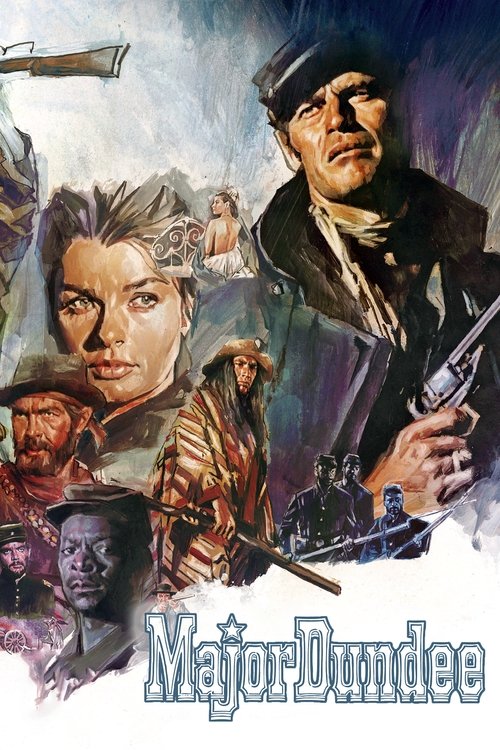
Major Dundee1965
Sam Peckinpah's sprawling cavalry-versus-Apache epic has the same DNA: fractious soldiers, moral ambiguity, intense action sequences, and charismatic officers making brutal choices. Peckinpah finds something darker and messier in the frontier than most Westerns dare.
But It runs two hours forty minutes and Peckinpah's editing can feel choppy. The pacing meanders before it explodes, which tests patience.
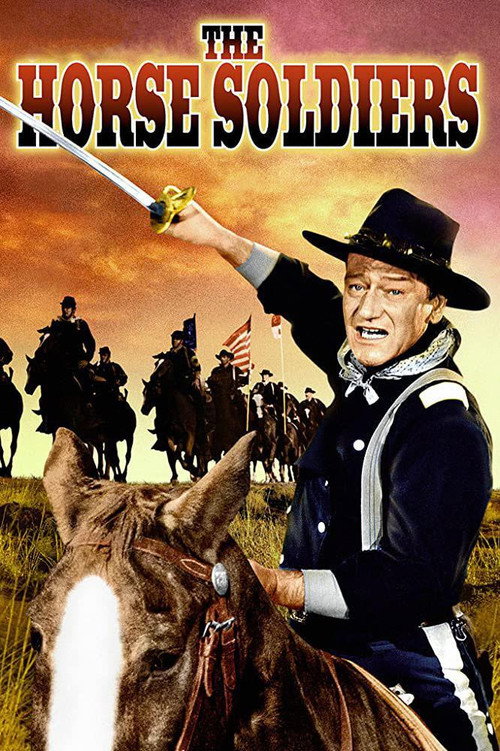
The Horse Soldiers1959
John Ford's cavalry raid film balances combat logistics with character study. Wayne and Holden clash over command philosophy while executing a dangerous mission. It has that same blend of professional soldiers working within a hierarchy under fire.
But It's more interested in the dilemmas of leadership than action spectacle, so if you want horses and gunfire, the investment in talk might frustrate you.
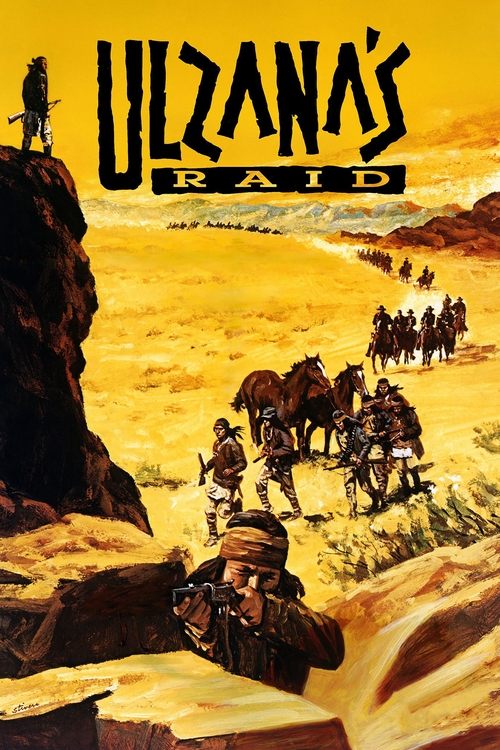
Ulzana's Raid1972
Robert Aldrich strips the cavalry Western to its brutal essence: a patrol tracks Apache raiders across punishing terrain. Burt Lancaster is a hardened scout teaching green soldiers impossible lessons. Lean, intelligent, genuinely tense.
But It's bleak and doesn't sentimentalize either side. No heroic payoff, just survival and compromise. The violence is matter-of-fact, which some find gratuitous.
Not sure tonight? Get a pick in a minute, starting from The Glory Guys
The wildcard
Something you would not have found on your own.
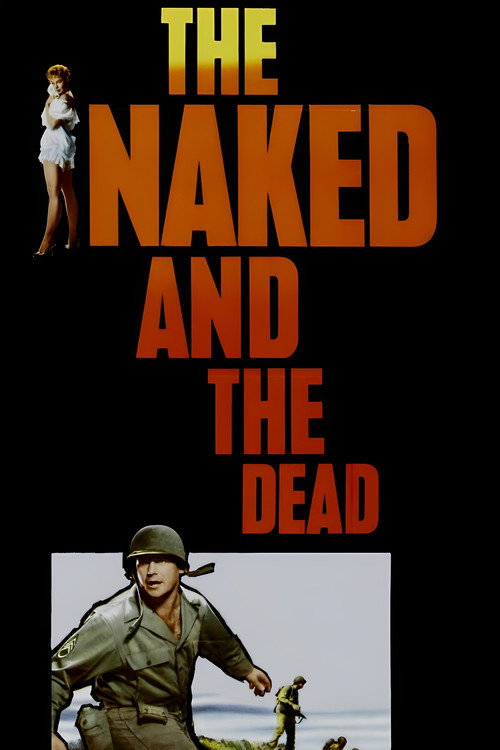
The Naked and the Dead1958
Both are ensemble war films focused on the internal dynamics of a patrol under command, where personal friction and military necessity collide; both treat the frontier (or jungle) as a testing ground for character rather than a backdrop for heroics.
Norman Mailer's World War II novel adapted with documentary precision. A patrol behind enemy lines mirrors the glory-and-survival tension perfectly, but it's stripped of any romantic notion of combat. The soldiers are exhausted, scared, and doing a job. Same psychological architecture as *The Glory Guys*, transplanted to the Pacific.
But It's methodical and grueling. There's no catharsis or redemption—men suffer and then it ends. The black-and-white cinematography is deliberately unglamorous, which can feel oppressively bleak.
More like this (8)
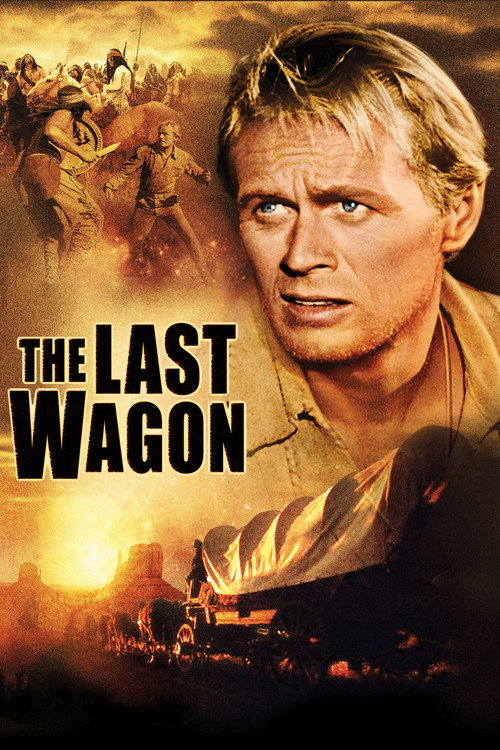
The Last Wagon1956
Richard Widmark in a cavalry-and-settlers drama that shares the ensemble focus and the pressure-cooker dynamics. Wagons under siege, uncertain loyalties, tough decisions made fast. Solid B-picture craftsmanship.
But It's efficient rather than ambitious—well-made but familiar. No big themes or visual style to elevate it beyond competent entertainment.
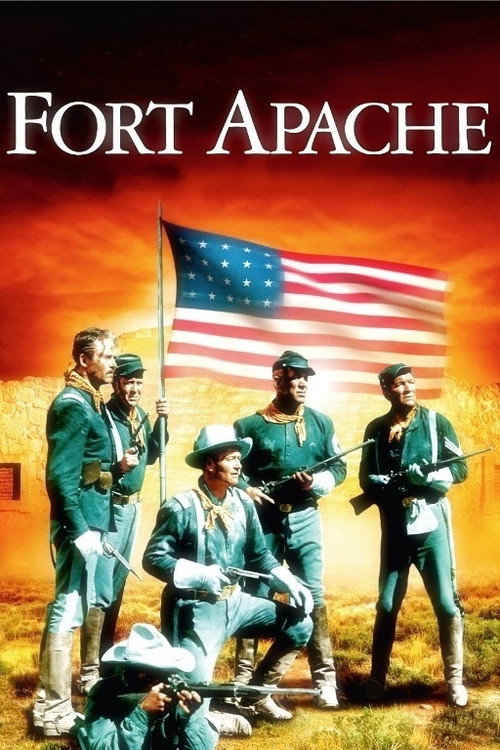
Fort Apache1948
John Ford's original cavalry trilogy film. Henry Fonda's martinet commander clashes with his men over tactics and honor. It's mythic rather than realistic, but it's the foundational text for this whole subgenre.
But The mythology can feel dated now, and the Indigenous representation is exactly what you'd expect from 1948—it hasn't aged well. The pacing is leisurely.
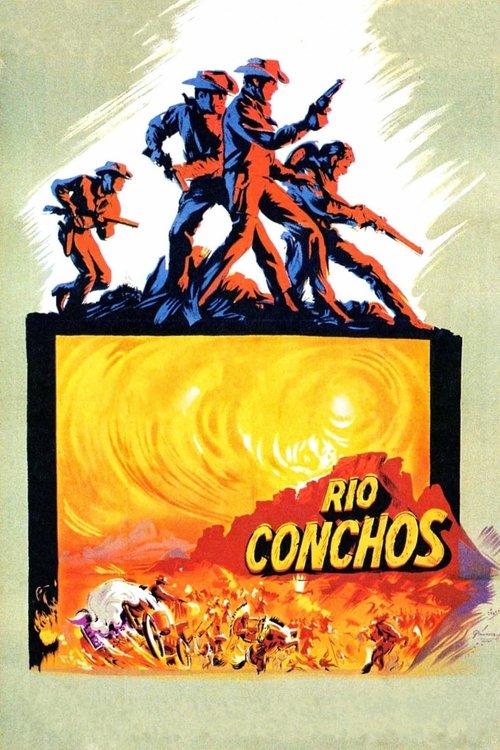
Rio Conchos1964
Richard Boone leads a cavalry patrol on a revenge mission. It's got the ensemble chemistry, the competent action, and that slightly sleazy edge where soldiers are doing morally questionable things for the right reasons.
But The dialogue can be stiff and the plotting is fairly mechanical. It hits its beats without ever surprising you.
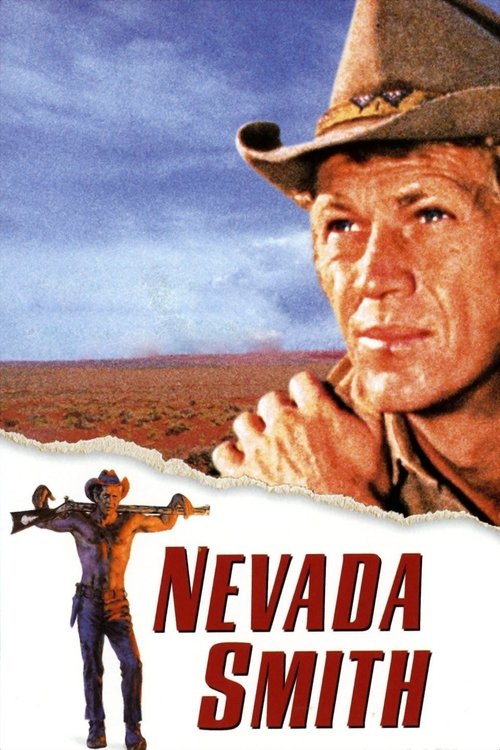
Nevada Smith1966
Steve Reeves as a frontiersman learning to shoot better and fight smarter. It's a revenge-and-education narrative with excellent action sequences and a similar undercurrent of men proving themselves through trial.
But Reeves is an enormous bodybuilder who speaks like he's reading off cards. The acting is... earnest, let's say. His charisma is physical, not vocal.
Johnny Guitar1954
Nicholas Ray's weird, psychologically fractured Western has nothing to do with cavalry, but it has that same interest in power dynamics within a group and the sensual danger of desert confrontation. Joan Crawford staring down antagonists for two hours.
But It's weird and stylized in ways that can seem actively hostile to the Western genre. If you want plot clarity and conventional drama, this will baffle and frustrate you.

The Ballad of Little Jo1993
Maggie Greenwald's quiet frontier film about a woman passing as a man in the Old West. It has the same interest in survival, performance of identity, and the violence underneath frontier codes. Slow and contemplative.
But Nothing much happens. It's a character study masquerading as a Western, and it moves at a glacial pace. If you need plot momentum, you'll feel like it's wasting your time.

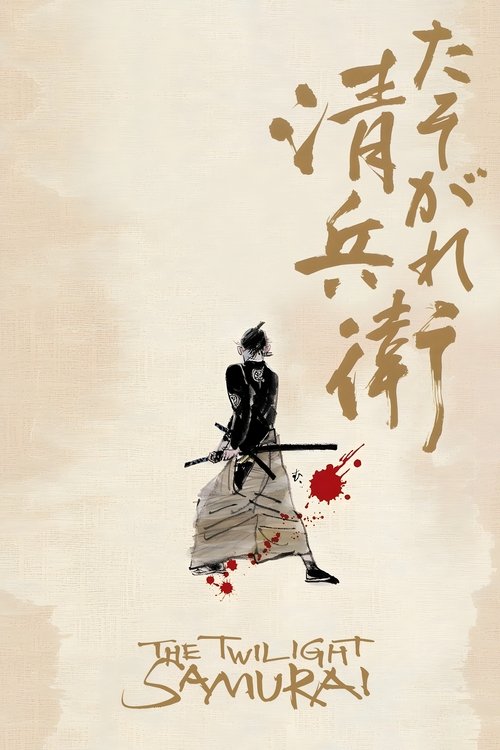
The Twilight Samurai2002
Same obsession with the psychology of military hierarchy, the transmission of hard knowledge between generations, and the isolation of command. Both films are fundamentally about men who have chosen a life of duty and are teaching others what that costs.
Masahiro Motoki's samurai film operates in an entirely different culture but hits identical notes: aging, professional warriors training younger men, the collision between honor codes and practical survival, the weight of rank and command. Shot with quiet intensity. It's meditative where it could be explosive.
But It's Japanese cinema, subtitled, and deliberately slow. It requires patience and does not reward scanning for action scenes. The pacing is interior.
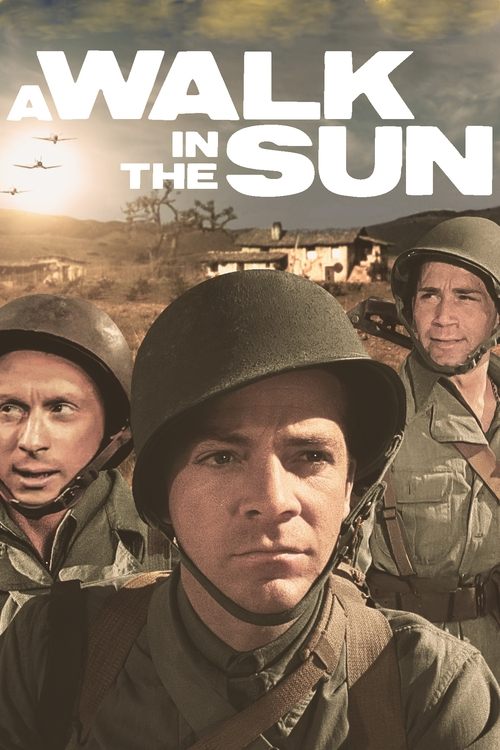
A Walk in the Sun1945
Both films compress the soldier's experience into a bounded timeframe and patrol, using the physical movement to reveal character and tension. Both trust that the internal pressure of men under orders is drama enough.
A single-day World War II patrol moves inland from an amphibious landing. It's purely focused on the eight-hour journey and the men who take it—their thoughts, fears, conversations, and small rebellions. Sparse, urgent, human-scaled. Made during the war and it shows; no distance, just immediacy.
But Very little happens. It's a film about walking, talking, and thinking. No climactic battle, minimal action. If you need conventional narrative shape, this will feel like nothing.
People
Cast
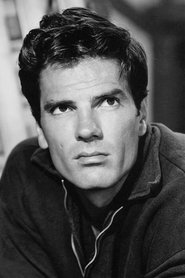 Tom TryonCapt. Demas Harrod
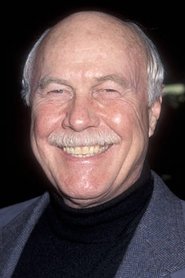 Harve PresnellSol Rogers
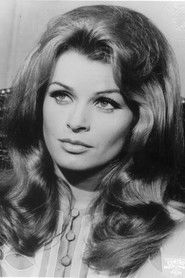 Senta BergerLou Woddard
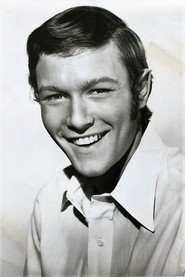 Michael Anderson Jr.Pvt. Martin Hale
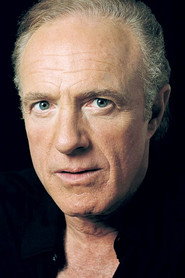 James CaanPvt. Anthony Dugan
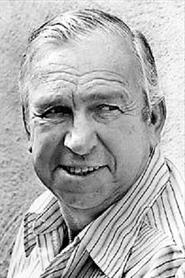 Slim PickensSgt. James Gregory
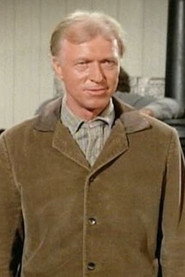 Erik HollandPvt. Clark Gentry
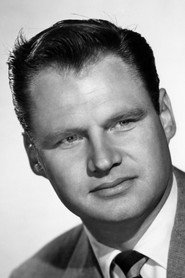 Adam WilliamsPvt. Lucas Crain
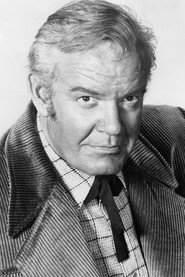 Andrew DugganGen. Frederick McCabe
- Walter ScottLt. Cook
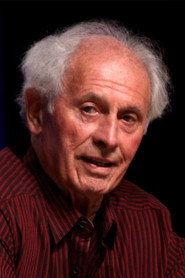 Michael ForestFred Cushman
- George RossHanavan
Directing
- Arnold LavenDirector
Writing
- Hoffman BirneyNovel
- Sam PeckinpahWriter
Production
- Arnold LavenProducer
- Arthur GardnerProducer
- Jules V. LevyProducer