
Film
The Naked and the Dead
- War drama
- Very dark
A 1958 war drama following American soldiers on a Pacific island campaign, adapted from Norman Mailer's sprawling novel. It's earnest and unglamorous, focused on the friction between officers and men, ambition and survival. For viewers seeking grounded military storytelling without modern sensibilities—rough, sometimes clumsy, but genuinely invested in its characters' moral weight.
Should you watch it?
Watch it if you like war films that look at the men in the ranks as a restless, quarrelsome group, with the army's chain of command and personal rivalries pressing in from every side.
Skip it if you want battle action front and centre, since much of its length goes to talk, grudges and army bureaucracy rather than combat.
What it asks of you: Settle in for a deliberate, talky two hours and eleven minutes, where the pace stays slow and the mood stays heavy.
Not sure? Find tonight's pick in a minute.
If you liked this
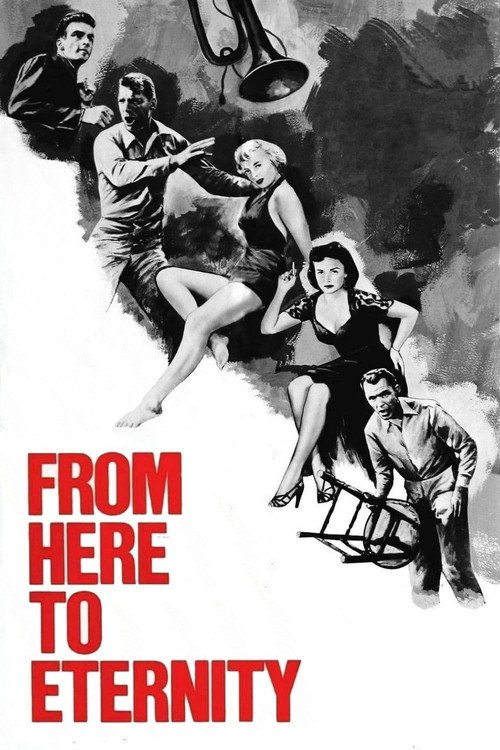
From Here to Eternity1953
The definitive postwar military drama. Pearl Harbor as backdrop for competing desires, class resentment, and the gap between orders and conscience. Beautifully shot, superbly acted, and it asks the same questions about duty versus humanity.
But Three-plus hours and a slower pace than modern war films. Some romantic subplots feel dated even by 1953 standards.
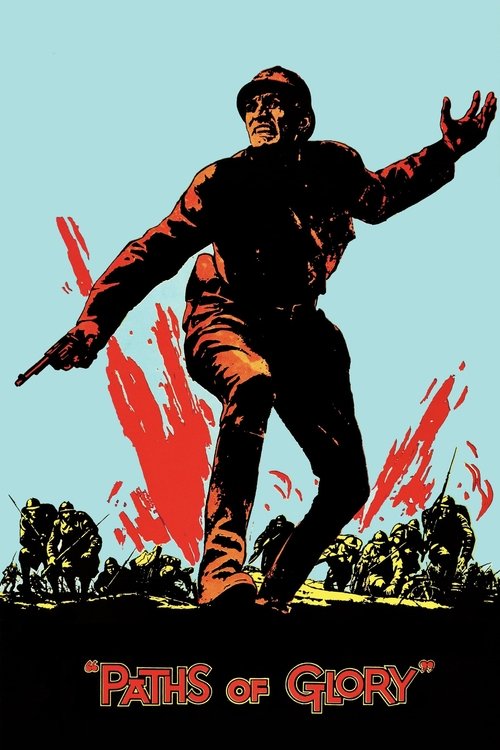
Paths of Glory1957
Kubrick's unflinching look at the collision between officer ambition and soldier mortality in WWI. Like The Naked and the Dead, it's built on the idea that hierarchy itself can be deadly. Morally furious without preaching.
But The ending is deliberately bleak and unresolved. Not comforting, even when you respect it.
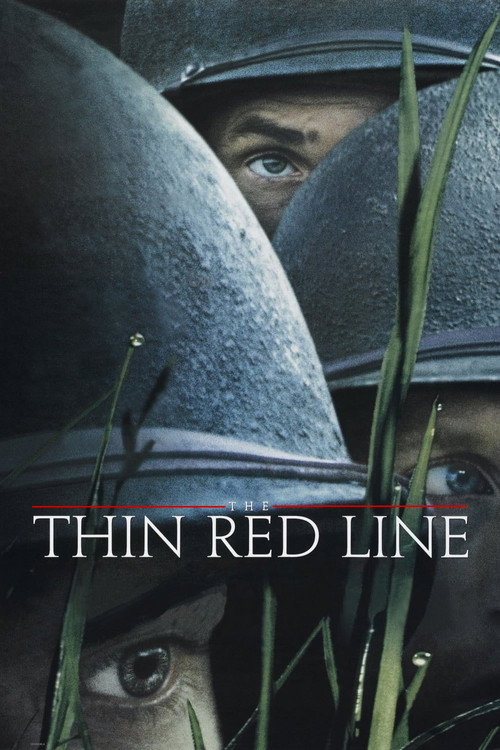
The Thin Red Line1998
Malick's lush, philosophical take on a Pacific island battle. It shares Mailer's structural DNA—ensemble cast, officer-enlisted tension, the weight of history on ordinary men—but with Malick's voice instead. Haunted and lyrical.
But Long, meditative, and sometimes oblique about plot. If you need a driving narrative, it will test your patience.
Not sure tonight? Get a pick in a minute, starting from The Naked and the Dead
The wildcard
Something you would not have found on your own.
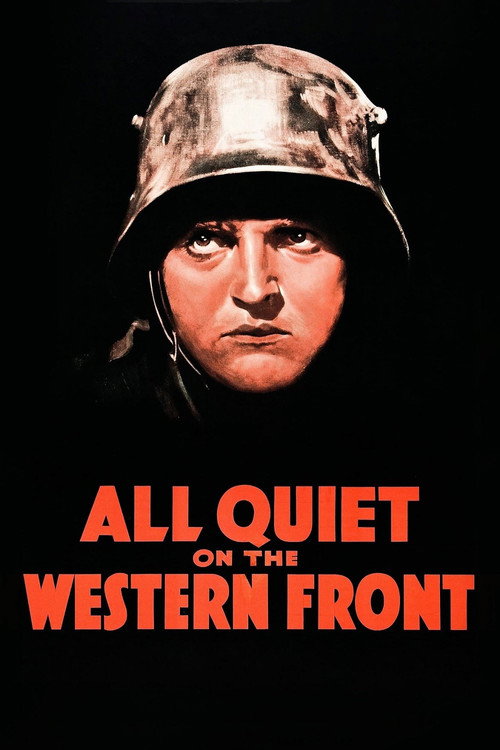
All Quiet on the Western Front1930
Both are anti-war novels adapted to film; both expose the machinery that chews up ordinary men. Mailer learned from Remarque's structure.
Not about WWII but the spiritual ancestor of everything Mailer was trying to do. A film made during the war that shatters the romance of soldiering entirely. The trench sequences are still devastating. This is what The Naked and the Dead is in conversation with.
But It's 1930. The pacing will feel glacial if you're used to modern editing. And the subject is relentless despair.
More like this (8)
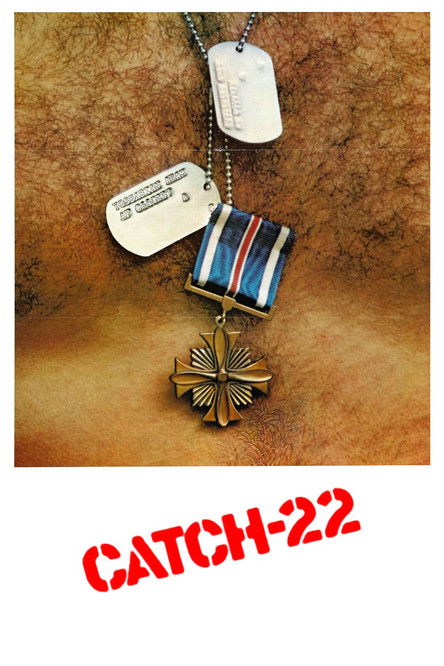
Catch-221970
Heller's novel adapted with dark humor about the madness of military logic. It captures the same underlying rage at the system that Mailer brings, but through satire. Absurdist and increasingly devastating.
But The humor is pitch-black and the structure is deliberately disorienting. Some find it more clever than moving.
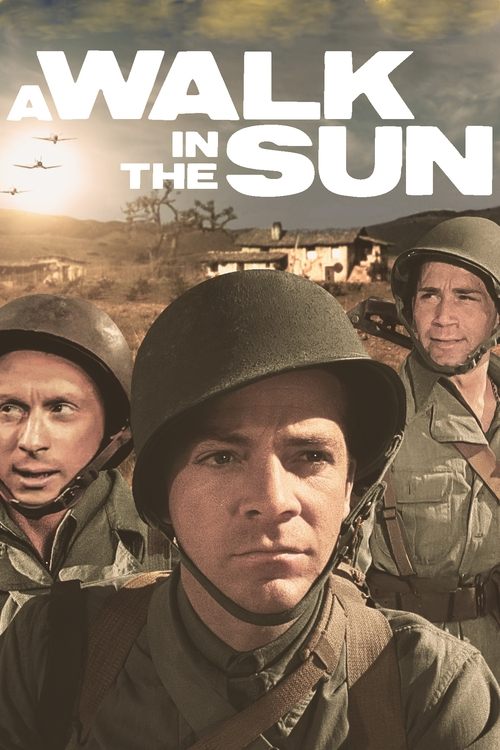
A Walk in the Sun1945
An earlier, tighter war film about a single day's patrol in Italy. Less ambitious than The Naked and the Dead but beautifully constructed, with real attention to how men talk to each other under pressure.
But Made during the war itself, so the perspective is different—less historical, more immediate. Some modern viewers find it dated in tone.
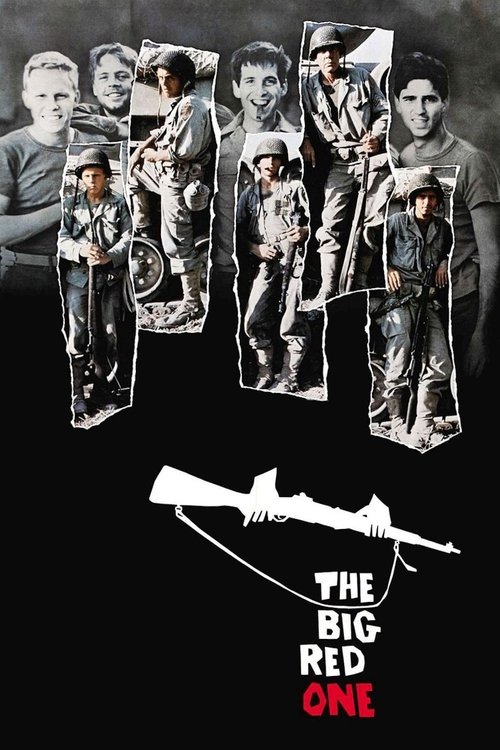
The Big Red One1980
Fuller's semi-autobiographical epic about an infantry squad from North Africa to Germany. Raw, unglamorous, structured around actual combat rather than drama—the men matter more than plot.
But Episodic and sometimes repetitive. Fuller's direction is rough-edged; it's not polished cinema.
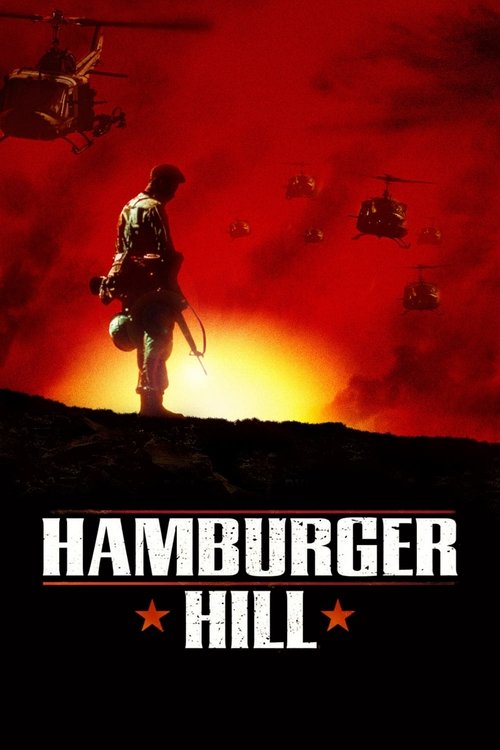
Hamburger Hill1987
A Vietnam War film that uses the Mailer approach: ensemble cast, officer-enlisted friction, the grinding reality of one objective. Visceral and unsentimental about what combat actually costs.
But Vietnam fatigue is real. And the film's brutality means it's exhausting to watch.
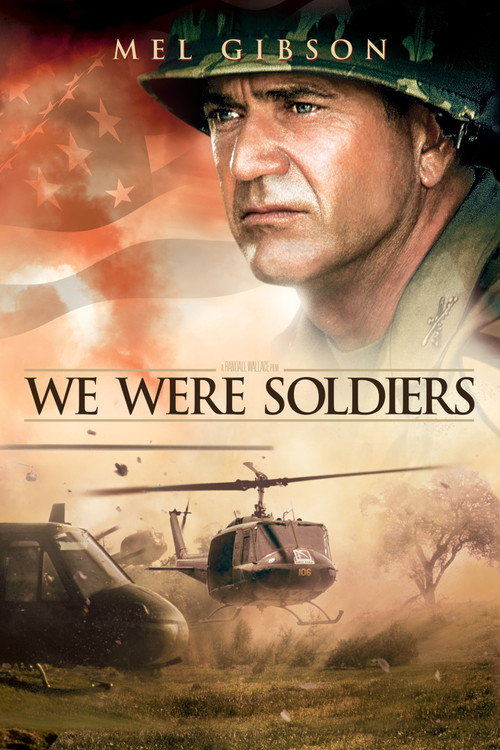
We Were Soldiers2002
Gibson and Damon in a Vietnam film that respects both officer command and soldier experience. Large-scale, grounded, interested in the friction between strategy and survival. Old-fashioned war film in the best sense.
But It's earnest to the point of sentiment about sacrifice. Modern sensibilities may feel it doesn't interrogate its own patriotism enough.
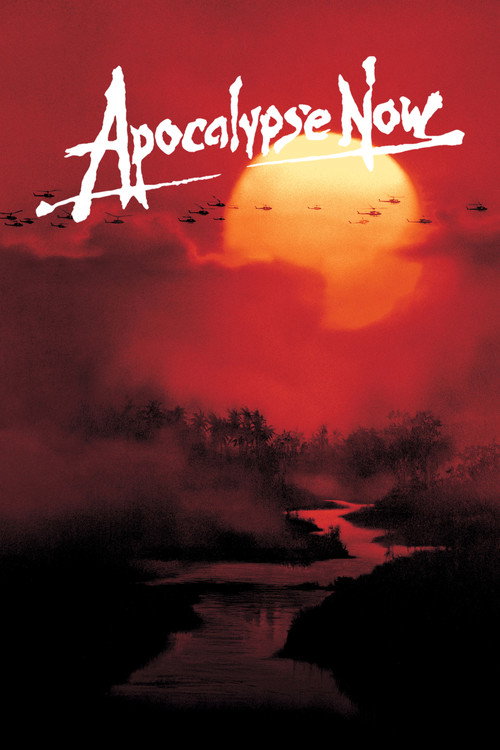
Apocalypse Now1979
A war film that abandons realism for mythic horror. Like The Naked and the Dead, it's about the corruption that comes from power and hierarchy, but Coppola explodes the form—operatic, hallucinogenic, overwhelming.
But Chaotic production, three-hour runtime, and a philosophical ending that rejects conventional meaning. Some find it self-indulgent.
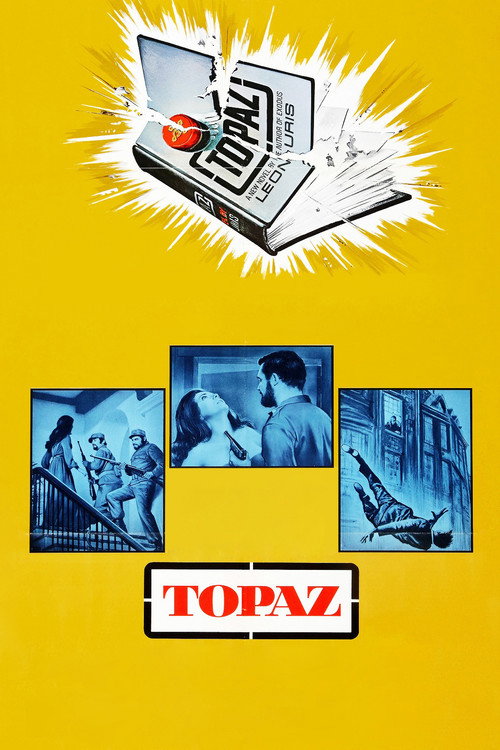
Topaz1969
Both examine how institutions corrupt individuals. The Naked and the Dead does it through combat; Topaz through espionage. The mechanism is identical.
Hitchcock's espionage thriller, which sounds nothing like a war film—until you realize it's about the same thing: men following orders that betray their consciences, power structures that demand sacrifice, the gap between duty and morality. Taut, cold, and surprisingly moving.
But It's a spy movie, not combat. And Hitchcock's detachment can feel clinical rather than human.
Come and See1985
Both are unflinching adaptations of literary works about soldiers' interior lives. Come and See is what The Naked and the Dead would be if made by Bresson instead of Raoul Walsh.
A Soviet film about a boy recruited into WWII combat. Visually and spiritually the opposite of The Naked and the Dead—hallucinatory, apocalyptic, almost unwatchable—but asking identical questions about what war does to the human being. A masterpiece.
But It is profoundly, relentlessly dark. Not a film you enjoy; you survive it. Harsh image quality and an unflinching focus on suffering.

People
Cast
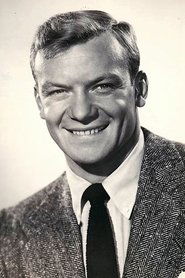 Aldo RaySam Croft
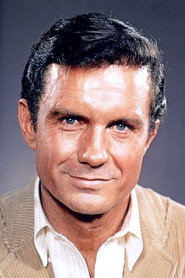 Cliff RobertsonRobert Hearn
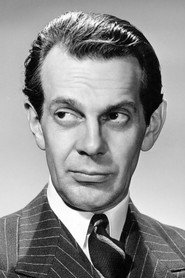 Raymond MasseyGeneral Cummings
 Lili St. CyrWilla Mae
 Barbara NicholsMildred Croft
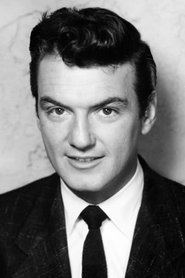 William CampbellBrown
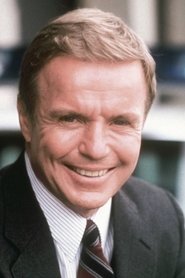 Richard JaeckelGallagher
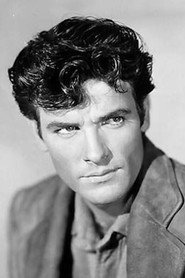 James BestRhidges
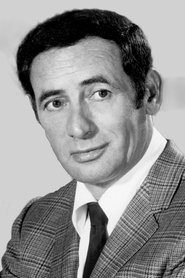 Joey BishopRoth
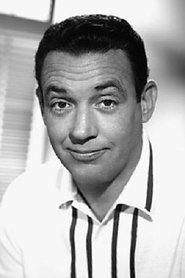 Jerry ParisGoldstein
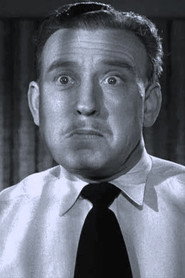 Robert GistRed
 L.Q. JonesWoodrow Wilson
Directing
- Raoul WalshDirector
Writing
- Norman MailerNovel
- Denis SandersScreenplay
- Terry SandersScreenplay
Production
- Paul GregoryProducer